
Showing all 9 resultsSorted by popularity
Filter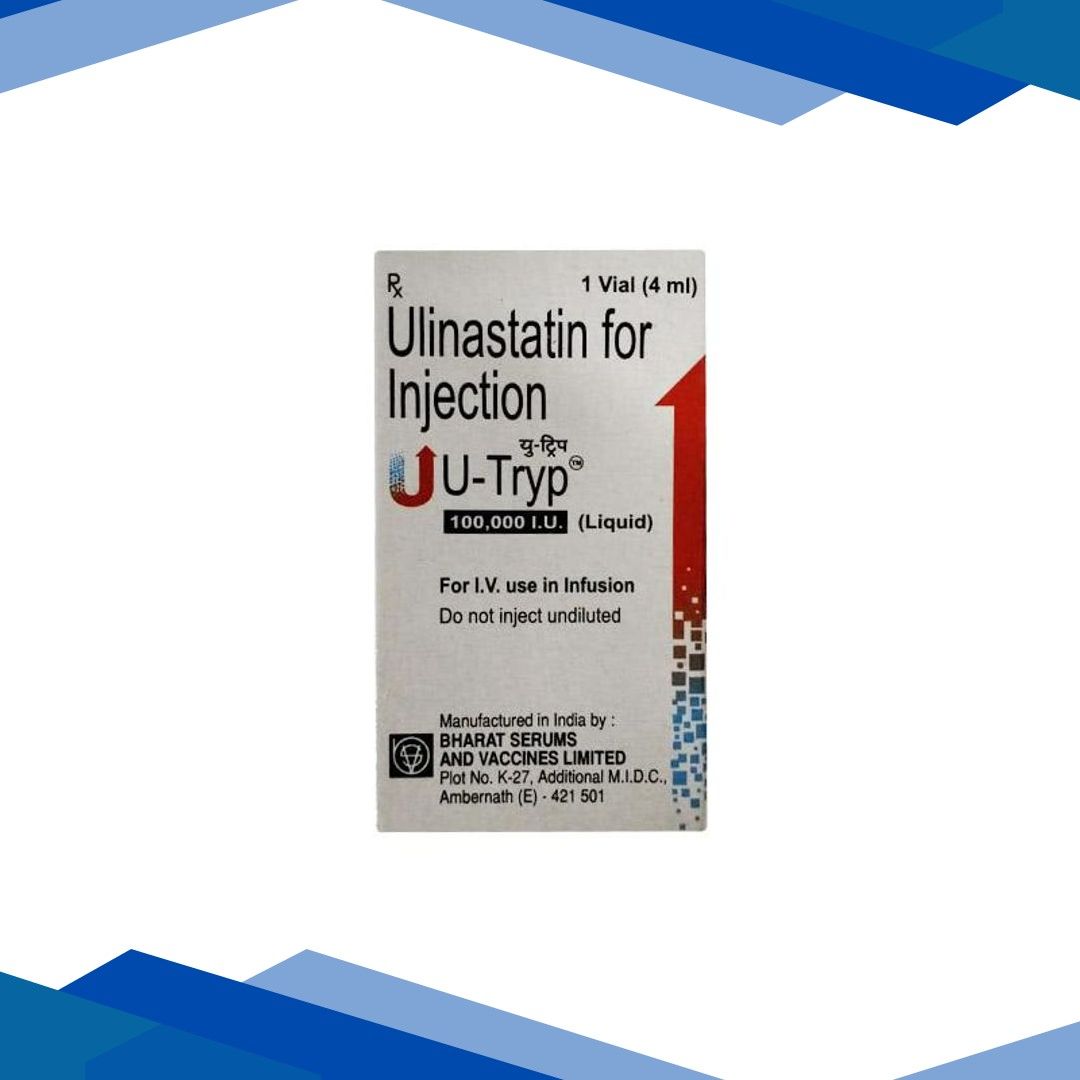






Ulinastatin: something of an overview, what it’s used for, and what to expect after
Ulinastatin is a very specialized glycoprotein that works as a urinary trypsin inhibitor (protease inhibitor). In real-life hospital critical care it’s mainly used to fight major systemic inflammation and help keep internal organs from running into failure. When the body gets hit with a huge infection or an acute injury, it can release too many harmful enzymes and inflammatory mediators, and then everything escalates. Ulinastatin blocks those enzymes, like trypsin and chymotrypsin, which helps quiet down the hyper-inflammatory cascade and reduces the chance of deeper tissue damage.
Key benefits and medical uses
In general, ulinastatin is handled in intensive care settings, especially ICUs and high-dependency units. Common uses include:
Acute pancreatitis: reducing auto-digestion in the pancreas, neutralizing the “wrong” digestive enzymes, and helping limit severe pain and tissue necrosis
Severe sepsis and septic shock: supporting patients whose immune response is overstimulated, lowering organ failure risk, and supporting recovery outcomes
Post-operative trauma: given after bigger, more complex surgeries to keep inflammation spread across multiple organs under tighter control
How ulinastatin is given
Hospital-only medicine: Ulinastatin is not meant for self administration at home. It is provided only as a slow intravenous (IV) infusion by a trained doctor or nurse.
Supportive approach: it is used alongside standard critical-care therapies, like oxygen, IV fluids, and antibiotics, rather than replacing those treatments.
Regimen: depending on severity, it’s often infused 1 to 3 times daily over 3 to 5 days.
Safety notes and precautions
Category | Guidance
Alcohol | Unsafe. Alcohol alongside active critical-care protocols can worsen drowsiness, and can make it harder to track vital signs properly.
Pregnancy | Consult your doctor. The data is limited. It is used only when immediate life-saving benefit outweighs possible risk.
Breastfeeding | Not recommended. Breastfeeding is usually paused during a course of ulinastatin therapy.
Driving | Unsafe. Because it may trigger dizziness, fatigue, or visual changes, driving or operating machinery is strictly discouraged.
Liver & Kidney | Monitor closely. It’s often considered safe, but the care team will keep an eye on liver enzymes and kidney measures throughout treatment.
Possible side effects
Most people tolerate ulinastatin reasonably well, but there can be things like:
- Redness, mild swelling, or discomfort around the IV site
- Short-lived increases in liver enzyme levels
- Mild nausea or an occasional bout of diarrhea
- Temporary skin rashes or itching
Important: tell the attending healthcare provider right away if you suspect an allergic reaction, such as sudden breathlessness or intense skin hives.
Frequently asked questions
Q: Can I buy ulinastatin for home use?
No. It’s prescription-only and intended for institutional, hospital-based critical care. It needs monitoring and cannot be used on your own at home.
Q: How fast does it start working?
Since it goes directly into the bloodstream via IV infusion, it tends to start working quickly at a cellular level. Any visible improvement usually shows up within about 24 to 48 hours.
Q: Where does ulinastatin come from?
Ulinastatin is an acidic glycoprotein isolated from human urine and purified, or it may be synthetically manufactured to act as a natural defense against excessive inflammation.
Q: When should ulinastatin be avoided completely?
It is contraindicated in anyone with a known hypersensitivity history or a severe allergic reaction to ulinastatin, or to any stabilizing components used in preparation.