
Showing all 4 resultsSorted by popularity
Filter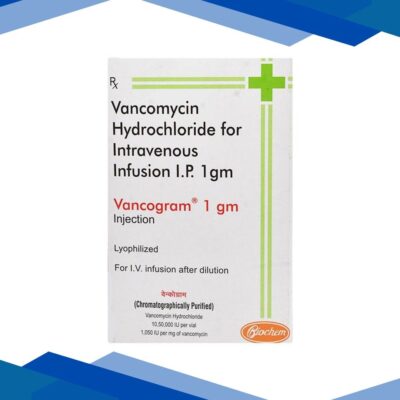
Vancogram 1gm Injection 1’s
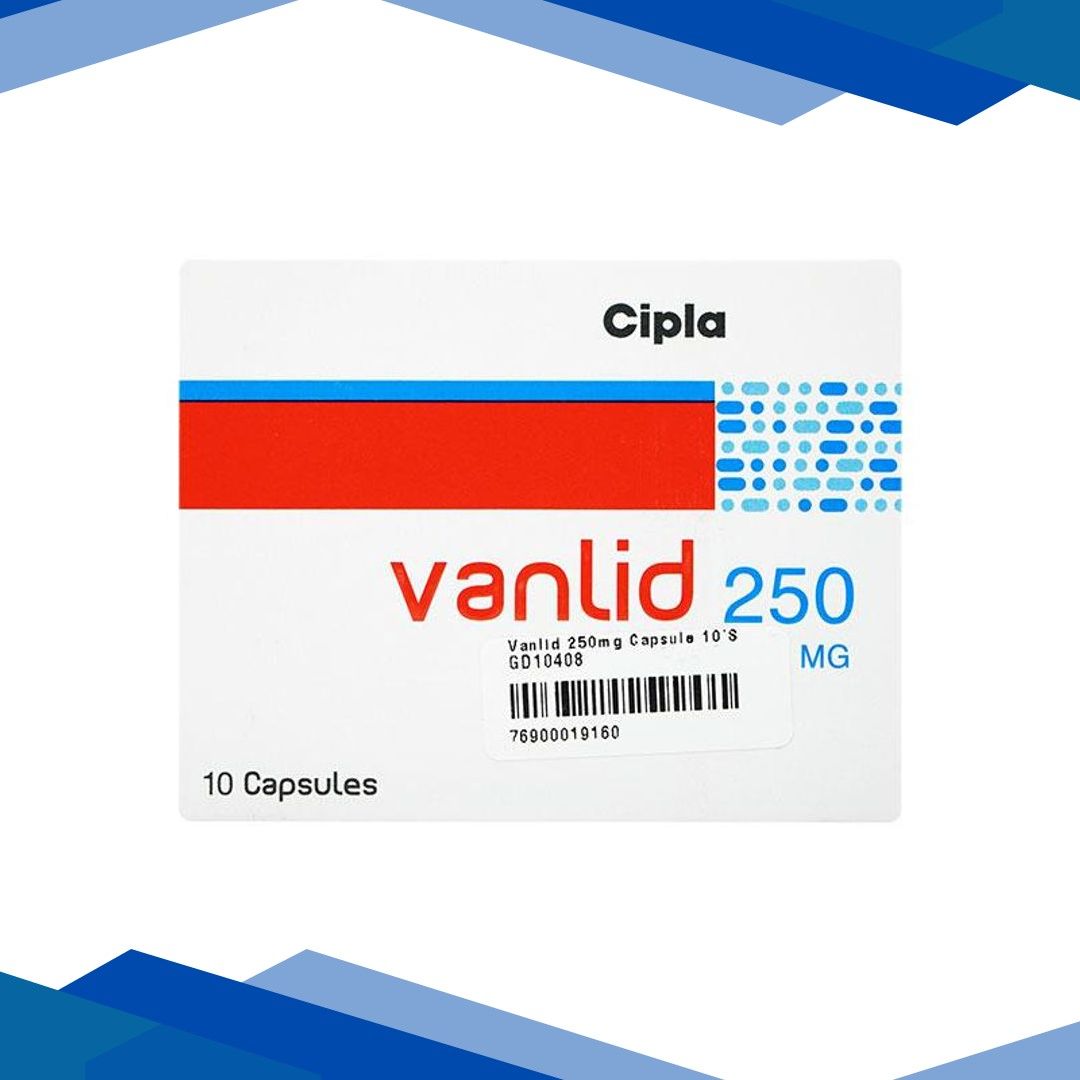
Vanlid 250mg Capsule 10’S
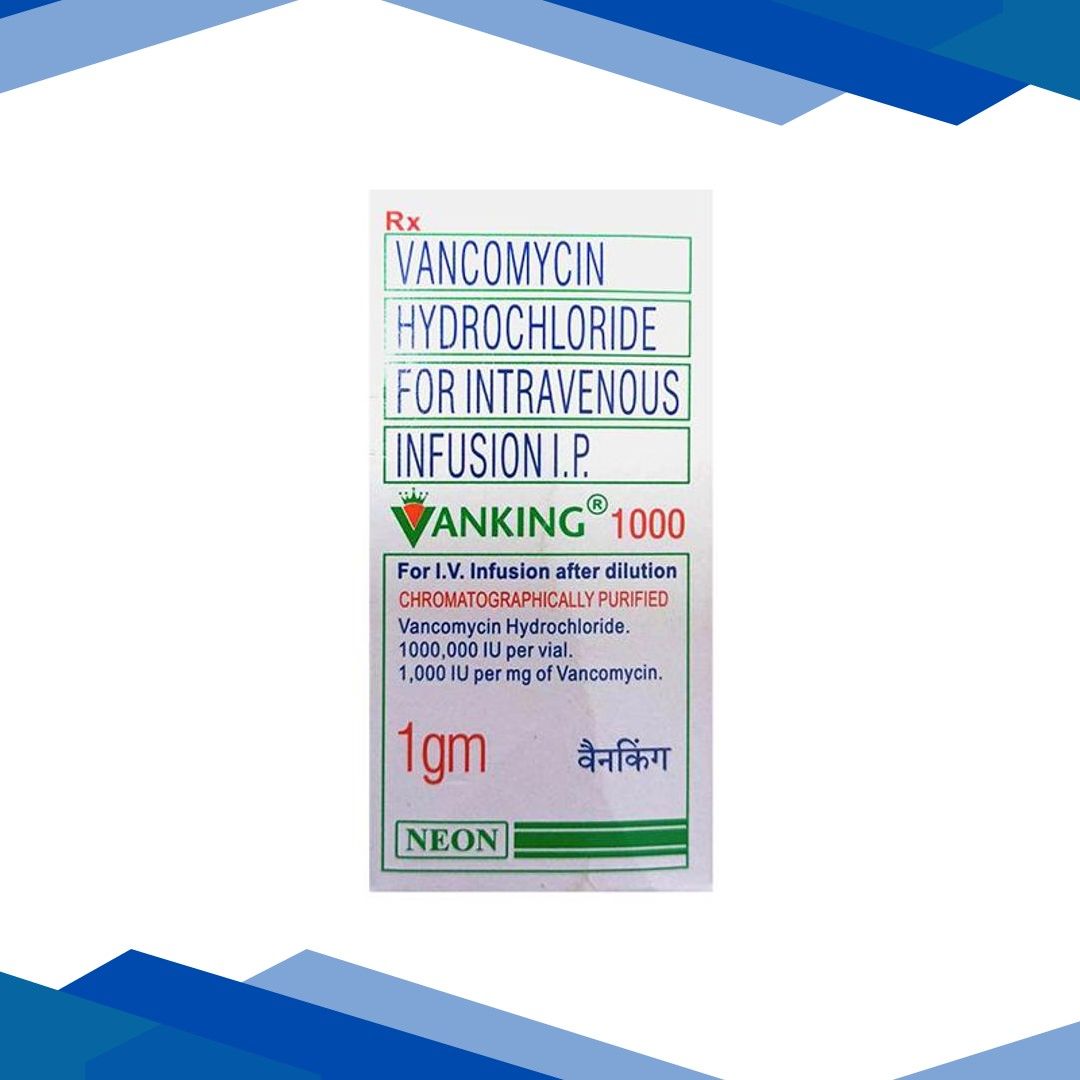
VANKING 1000 Injection 1’s
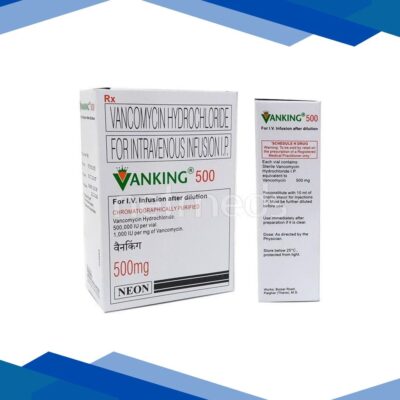
Vanking 500mg Injection 1’s
Vancomycin: a very potent glycopeptide therapy for those severe bacterial infections
Vancomycin is a strong narrow-spectrum glycopeptide antibiotic kept for serious, complicated, and deep seated infections due to Gram-positive bacteria. It is often treated like a vital medical defense, especially when first line treatments fail, or when clinicians are up against highly resistant strains. Depending on the method of use, vancomycin can act systemically across the body, or more locally within the gastrointestinal tract.
How it Works
Vancomycin uses a multi pronged way to reduce harmful bacteria:
Inhibition of cell wall construction: unlike many usual antibiotics it binds to the amino acid end segment (D-alanyl-D-alanine) that sits at the finish of the building blocks the bacteria rely on to make their cell wall.
Blocking those points interferes with how the bacteria connect, so the protective peptidoglycan layer can not cross link properly. Without a dependable cell wall, the internal pressure stays high and the bacterial cell ends up bursting, leading to lysis.
Bactericidal effect: since it actively dismantles the cellular structure of bacteria that are actively reproducing, it quickly stops the infection from progressing. Then, the bodys own defenses can regain control.
Primary clinical uses
- MRSA infections: it is often used for methicillin resistant Staphylococcus aureus (MRSA) particularly in deep tissue involvement, bloodstream infection, and endocarditis.
- Bone and joint infections: it is commonly chosen for serious deep skeletal infections, including osteomyelitis.
- Severe respiratory management: it is prescribed only with close clinical monitoring to manage healthcare associated or complicated pneumonia.
- Gastrointestinal Care , for the oral route : it is used directly by mouth, specifically to treat serious bowel infections, like Clostridioides difficile-associated diarrhea (CDAD) and enterocolitis tied to Staphylococcus aureus.
Usage and how to give it, in practical terms
Intravenous (IV) infusion: for infections that spread through the whole body, Vancomycin should be administered as a slow IV infusion for at least 60 minutes, and this needs to happen in a clinical setting. If it is pushed too fast, it can set off a major flushing reaction.
Oral solution or capsules: when Vancomycin is taken by mouth, it remains within the digestive tract and does not meaningfully enter the blood stream. As a result, oral Vancomycin only works on infections that are located in the gut.
Keep the schedule without shortcuts: finish the full regimen your physician provided, even if you feel noticeably improved after only a few doses. Missing doses, or stopping early, can let the infection rebound and also support resistant bacterial growth.
Therapeutic Drug Monitoring (TDM): If you are receiving IV Vancomycin, your care team will do regular blood tests to look at your “trough levels”. That helps make sure the medication stays in a safe, useful therapeutic range, not too high not too low.
Frequently Asked Questions (FAQs)
1. Why is Vancomycin given as an injection for some infections and as a capsule for others?
Vancomycin is a large molecule, it does not cross the intestinal wall into the bloodstream easily. If you have a blood infection, bone infection, or lung infection, the medication usually needs to be injected into a vein, so IV delivery can bring it to those tissues. If you are dealing with a severe gut infection like C. difficile, it is taken by mouth, because the medicine needs to pass through the GI tract and work directly at the lining where the bacteria are located.
2. Can Vancomycin damage the kidneys?
Yes, vancomycin can, potentially, cause kidney strain (nephrotoxicity), especially when it is used at higher doses for a longer stretch, or when it is taken alongside other medications that also put stress on the kidneys. That is why clinicians usually do blood testing on a regular basis to monitor how well your kidneys are working, and also to look at the drug level that’s in your bloodstream.
3. What is “Red Man Syndrome” or Flushing Syndrome?
This is a reaction that may show up if vancomycin is infused into a vein too quickly. You might notice intense flushing, redness, a warm sensation, and itching around the face, neck, and the upper body. It is not a true allergic response, more like a body reaction to the rapid entry of the medication. If the infusion rate is slowed down, the problem often prevents itself or clears up.
4. Is vancomycin effective against viral infections?
No. Vancomycin it is, really a powerful antibacterial medicine aimed at specific Gram-positive bacteria. It is entirely useless against viruses, so it won’t clear flu related problems, a common cold, or acute viral bronchitis no matter what.
5. What should I avoid while being treated with Vancomycin?
Tell your doctor if you’re using any other meds that may affect your kidneys or hearing, for example certain water pills, diuretics, aminoglycoside antibiotics or high-dose NSAIDs. Also keep yourself well hydrated the whole time, unless your physician tells you not to.
Safety, Precautions, and Storage
Precautions: Before starting therapy, share a full medical history with your healthcare professional, especially if you already have kidney disease, hearing issues like tinnitus, or if you have known drug allergies.
Storage: Keep oral capsules at a controlled room temperature, roughly 15°C to 30°C, and don’t let them sit near direct heat, sunshine, or too much dampness. Keep the medicine tightly sealed inside the original container, so it stays protected and undisturbed. Any liquid formats or IV solutions that are prepared in clinical settings should be put in storage with the exact refrigeration rules you were given, as your pharmacist instructed. Also, place it out of reach of children.