
Showing the single result
Filter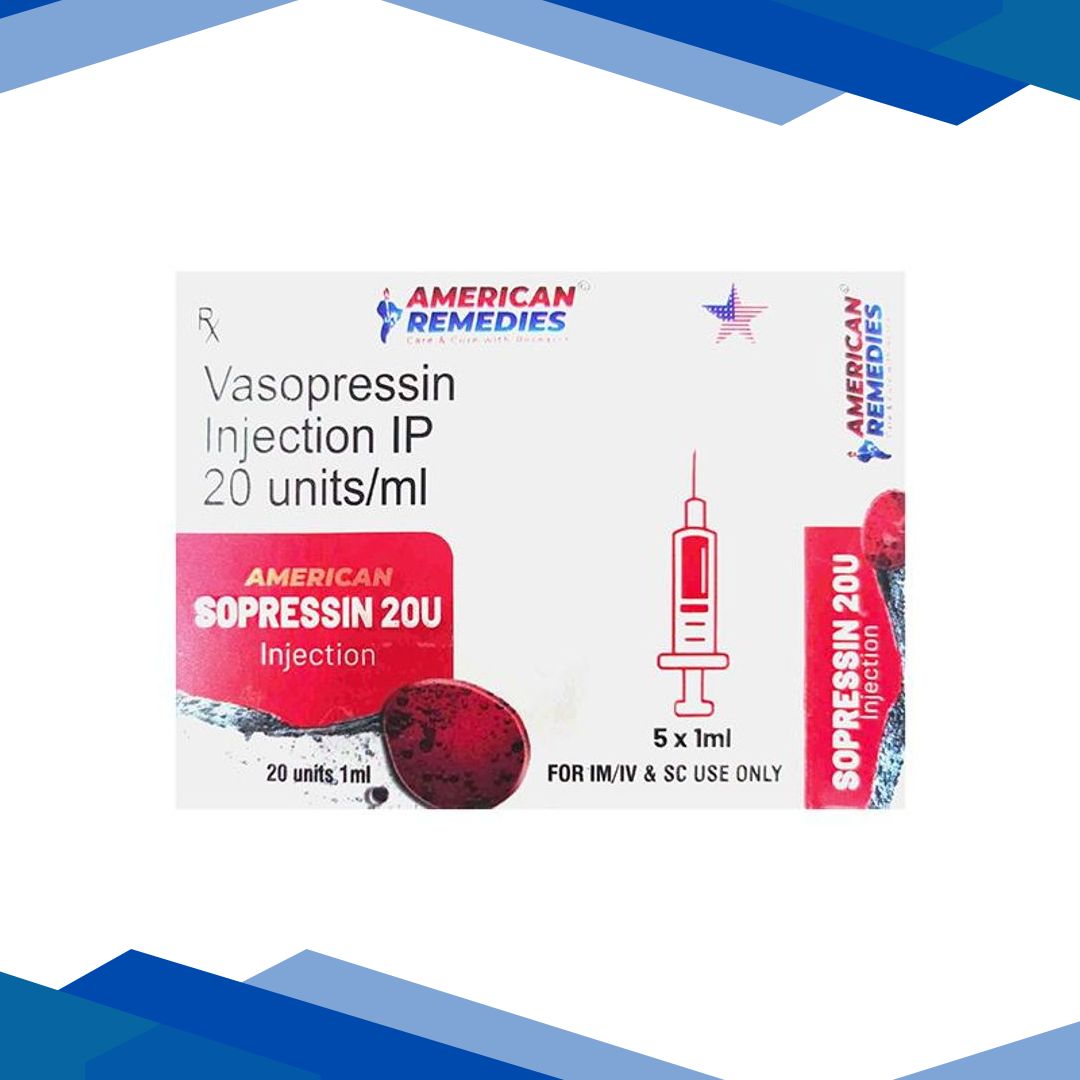
Vasopressin Injection: View Uses, Side Effects, Dosage, and Price
Vasopressin is a highly specialized, prescription-only antidiuretic hormone (ADH) analog. It is basically identical to the natural hormone that the hypothalamus makes, and then it gets stored in the pituitary gland. Clinically, it shows up in two main ways: first as a life-saving vasopressor, given through a continuous intravenous (IV) infusion to raise blood pressure during intense shock, and second as an antidiuretic, given as an intramuscular (IM) or subcutaneous (SC) injection to control major fluid disruptions.
Action Mechanism: How Vasopressin Works
Vasopressin takes control over multiple crucial body systems by attaching to separate cell receptors all across body tissues:
V1a Receptors (Vascular Smooth Muscle): When vasopressin binds here, it triggers strong vasoconstriction (shrinking of small blood vessels). In emergencies such as shock, this action boosts systemic vascular resistance, pulling blood pressure back up so vital organs receive flow again.
V2 Receptors (Renal Collecting Ducts): These are inside the kidneys. Activation encourages aquaporins, basically water channels, to return into cell membranes. This lets the body pull back excessive fluids instead of pushing them out, which can quickly lower overall urine output.
Splanchnic Arteriolar Channeling: Tightening the vessels that supply abdominal organs reduces local blood flow, which is sometimes used for internal gastrointestinal bleeding management.
Primary Uses & Clinical Indications
Medical teams use Vasopressin in quick-turnaround critical care, and also in more extended metabolic contexts:
Vasodilatory Shock: Used to support blood pressure in adults with severe septic shock or post-cardiotomy (after heart surgery) shock who stay hypotensive even after standard fluids.
Central Diabetes Insipidus: Helps stop and treat severe constant urination, extreme unquenchable thirst, and dehydration that can happen when the body does not produce enough natural antidiuretic hormone.
Postoperative Abdominal Distension: Given to ease painful abdominal gas and swelling after complex surgeries, by supporting localized intestinal muscle contractions.
Administration Protocols & Dosage
Because it has powerful vascular effects, Vasopressin dosing must follow clinical directions, closely and without guesswork:
Shock States (IV Infusion): Administered only as continuous intravenous infusion, and often best through a central venous line to reduce tissue injury risk. Typical starting doses run from 0.01 to 0.03 units per minute, then clinicians titrate up or down based on immediate blood pressure response.
Diabetes Insipidus (IM/SC Injection): Usually injected subcutaneously or intramuscularly at 5 to 10 units, repeated 2 to 3 times per day depending on the patient’s fluid balance and urine output trends.
Visual Inspection: Before using, the vial liquid must be checked carefully for discoloration, or any tiny particulate floating inside.
Potential Side Effects & Complications
Due to its ability to contract smooth muscle and retain fluid, patients need continuous monitoring.
Common Adverse Symptoms:
- Throbbing headache, or a “pounding” feeling in the head
- Mild abdominal cramps, flatulence (gas), or nausea soon after dosing
- Temporary skin paleness (pallor) or localized sweating
- Mild pain or small irritation at the injection site
Serious Medical Complications (Requires Immediate Emergency Action):
- Myocardial Ischemia / Angina: Chest pressure, tightness, or pain radiating to the arm from sudden coronary artery constriction
- Water Intoxication (Severe Hyponatremia): Confusion, heavy drowsiness, lethargy, muscle twitching, or seizures from the body holding too much water and diluting blood sodium dangerously
- Peripheral Limb Ischemia: Numbness, tingling, coldness, or blue discoloration in fingers or toes suggesting inadequate localized blood supply
Safety Advice & Precautions
Factor / Clinical Risk / Status / Medical Care Guidance
Coronary Artery Disease: ❌ Extreme Caution
Vasoconstriction can worsen existing heart disease, trigger severe angina, or precipitate a heart attack.
Pregnancy: ⚠️ Risk Assessment
May induce tonic uterine contractions. Use only if clearly needed and specifically ordered by an obstetrician.
Kidney Disease: ❌ Chronic Nephritis
Contraindicated in chronic renal failure with nitrogen retention until blood-nitrogen levels are stabilized.
Fluid Tracking: 📢 High Priority
Fluid intake must be matched precisely to daily urine output, to avoid water intoxication.
Frequently Asked Questions (FAQs)
Q1: Is Vasopressin the exact same thing as Desmopressin?
No. Desmopressin is synthetic and modeled directly after Vasopressin, but it was adjusted to act on V2 receptors in the kidneys, almost primarily. That shift helps manage water retention without the heavier vasoconstriction or blood pressure spikes linked to Vasopressin’s V1a effects.
Q2: What are the early warning signs of water intoxication while using this drug?
The earliest indicators include unusual drowsiness, persistent dull headaches, listlessness, deep fatigue, and sudden confusion. If those symptoms start appearing, contact your medical provider right away, because they can reflect a dangerous drop in blood sodium levels.
Q3: Why is Vasopressin preferred over other blood pressure medicines in septic shock?
In advanced septic shock, the body’s own vasopressin stores can be depleted, leaving vessels less responsive to typical catecholamines such as Norepinephrine. Using low-dose synthetic Vasopressin can restore this hormonal support, helping re-tighten relaxed blood vessels effectively.
Q4: Can alcohol consumption affect how Vasopressin works?
Yes. Alcohol interferes with antidiuretic mechanisms and can counteract Vasopressin’s water-retaining effect. This may cause unexpected extra urine output and increase dehydration risk in people being treated for diabetes insipidus.
Q5: Can Vasopressin be mixed or taken with common over-the-counter anti-inflammatories?
Some medicines like Indomethacin, and other NSAIDs may amplify the body’s sensitivity to Vasopressin, potentially increasing vascular impact and fluid retention risk. Provide your healthcare team with a complete and accurate list of your active prescriptions and over-the-counter supplements before starting therapy.
Disclaimer: The medical information shared here is for educational awareness and patient literacy only. It should never be used in place of a licensed clinician’s medical diagnosis, prescription interpretation, or individualized treatment plan.