
Showing all 16 resultsSorted by popularity
Filter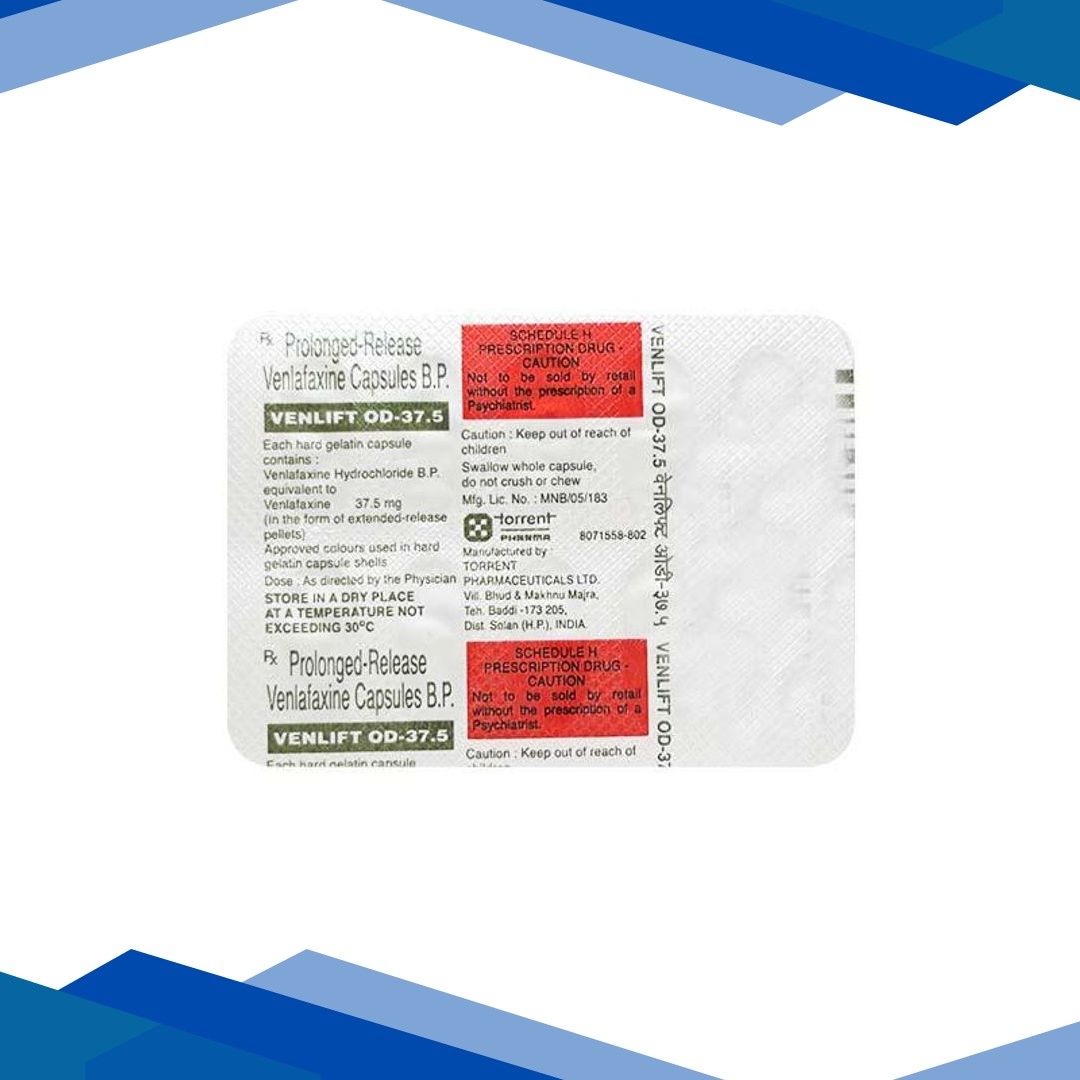
Venlift OD 37.5mg Capsule 10’S
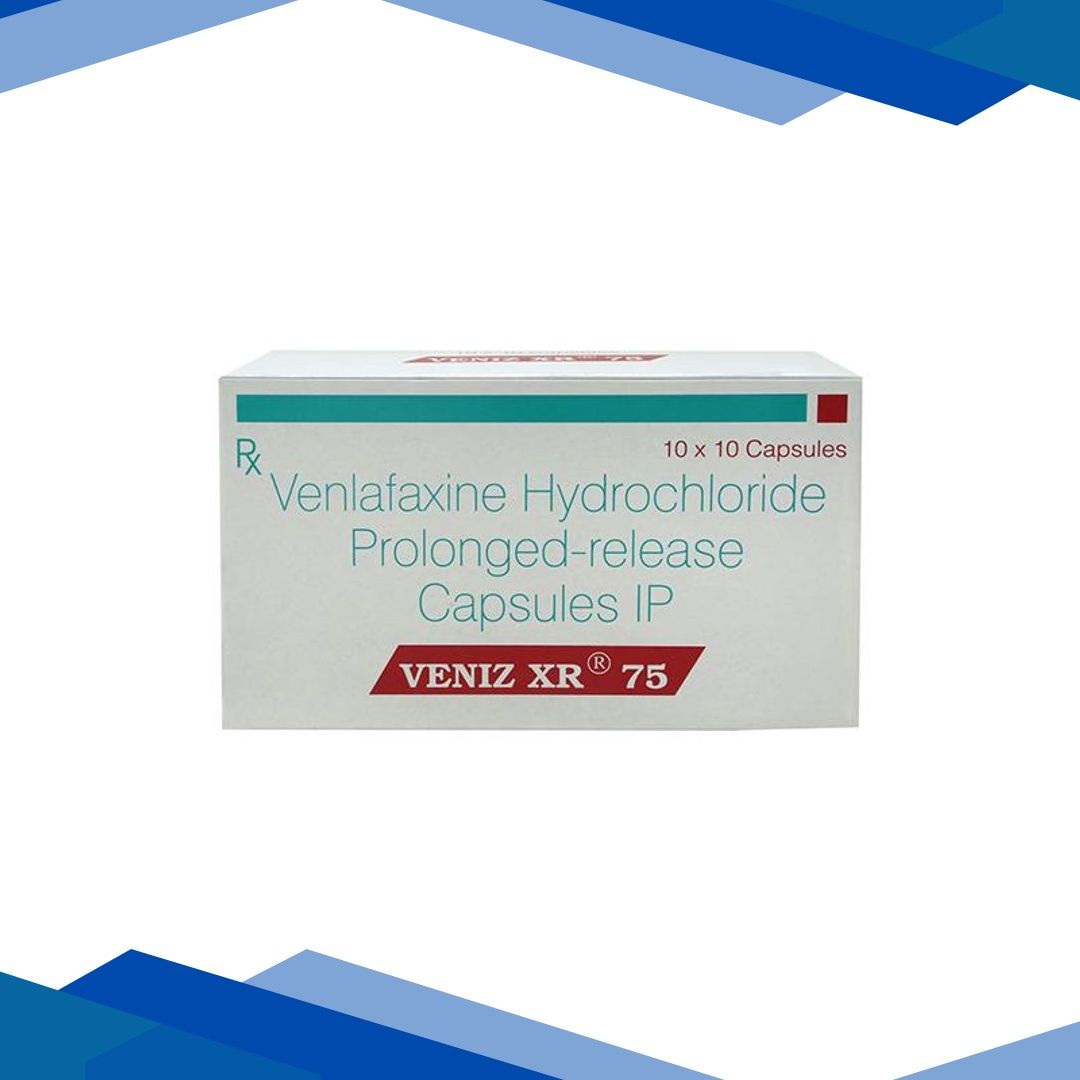
Veniz XR 75mg Capsule 10’S
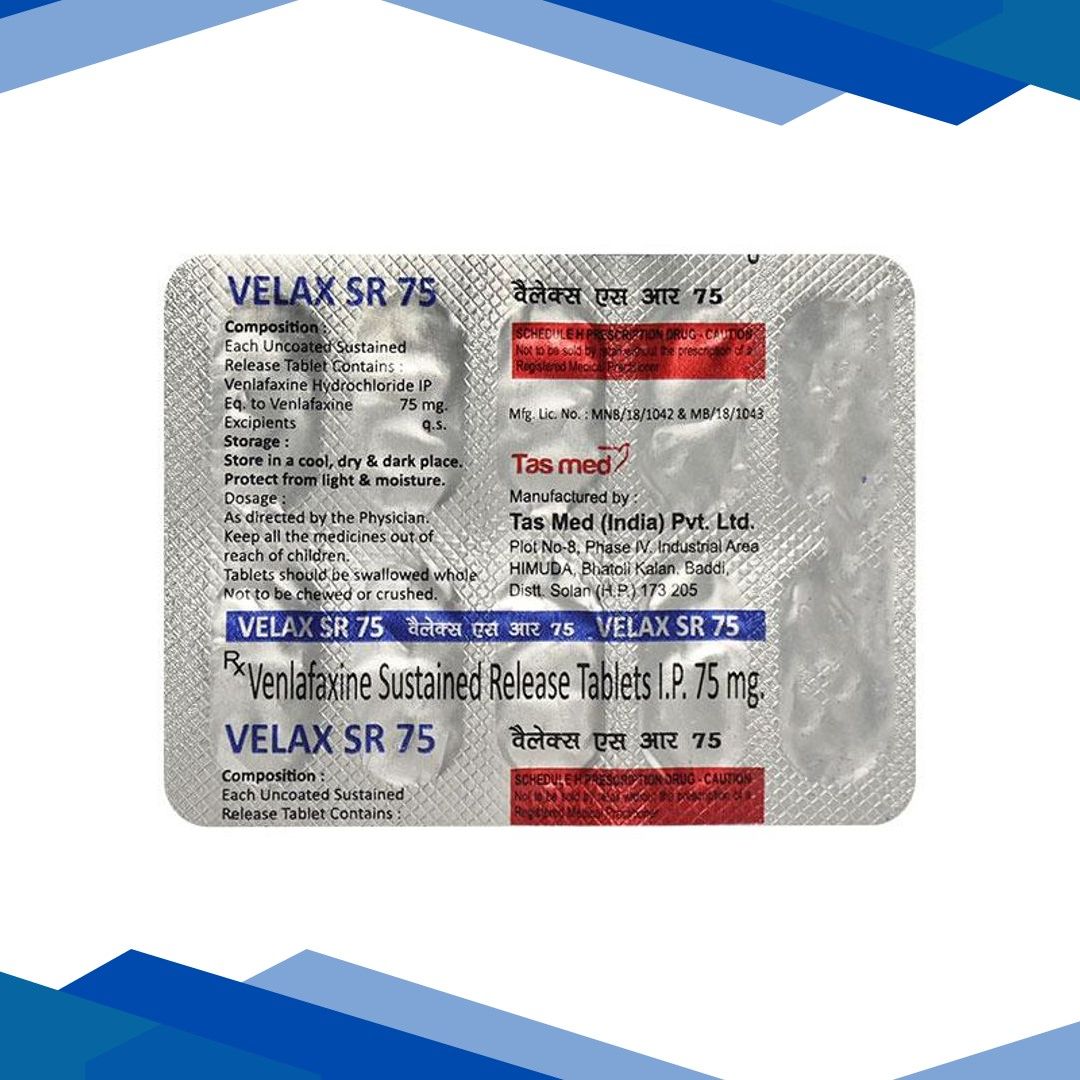
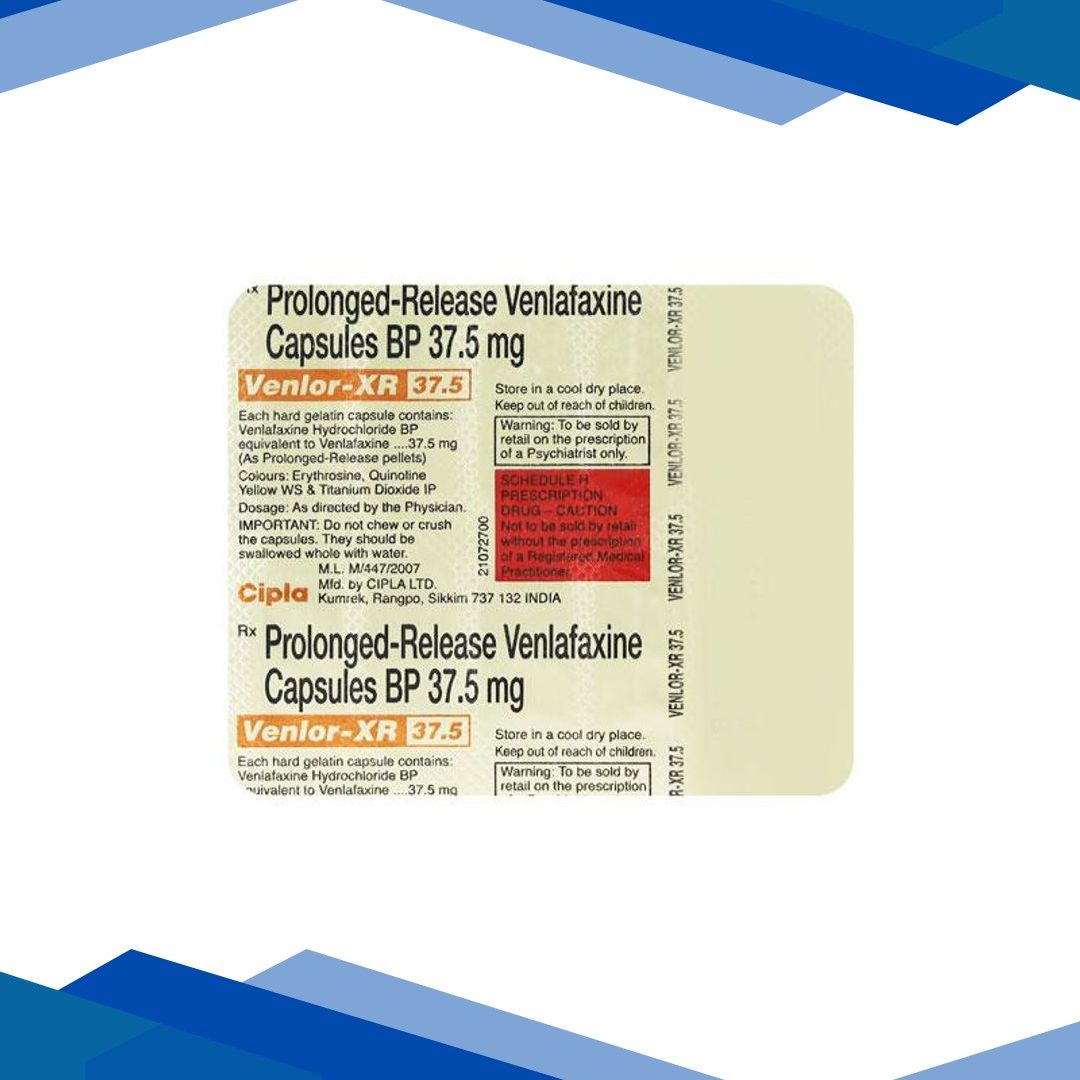
Venlor XR 37.5mg Capsule 10’S
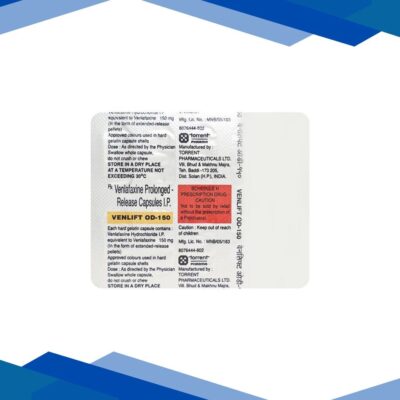
Venlift OD 150mg Capsule 10’S
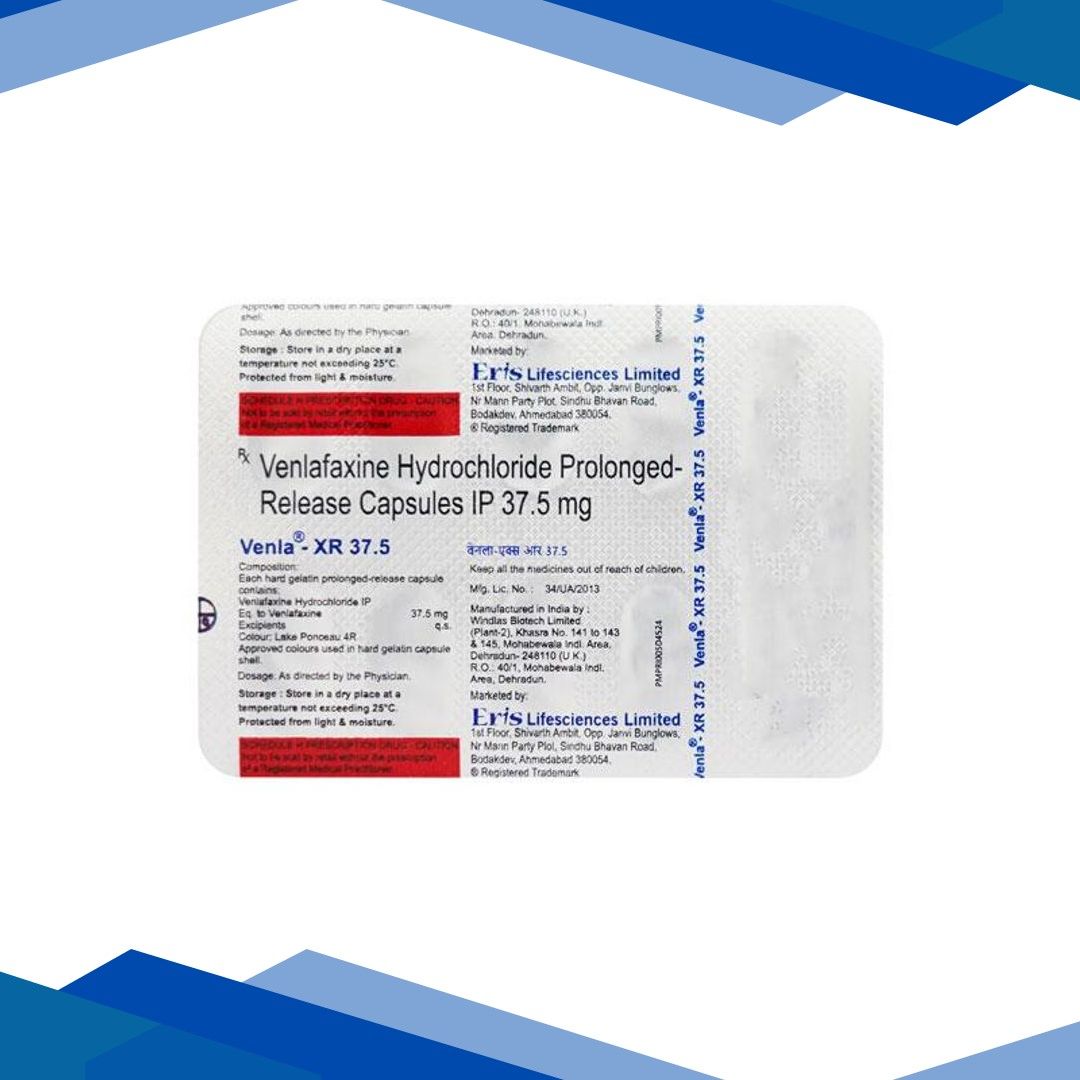
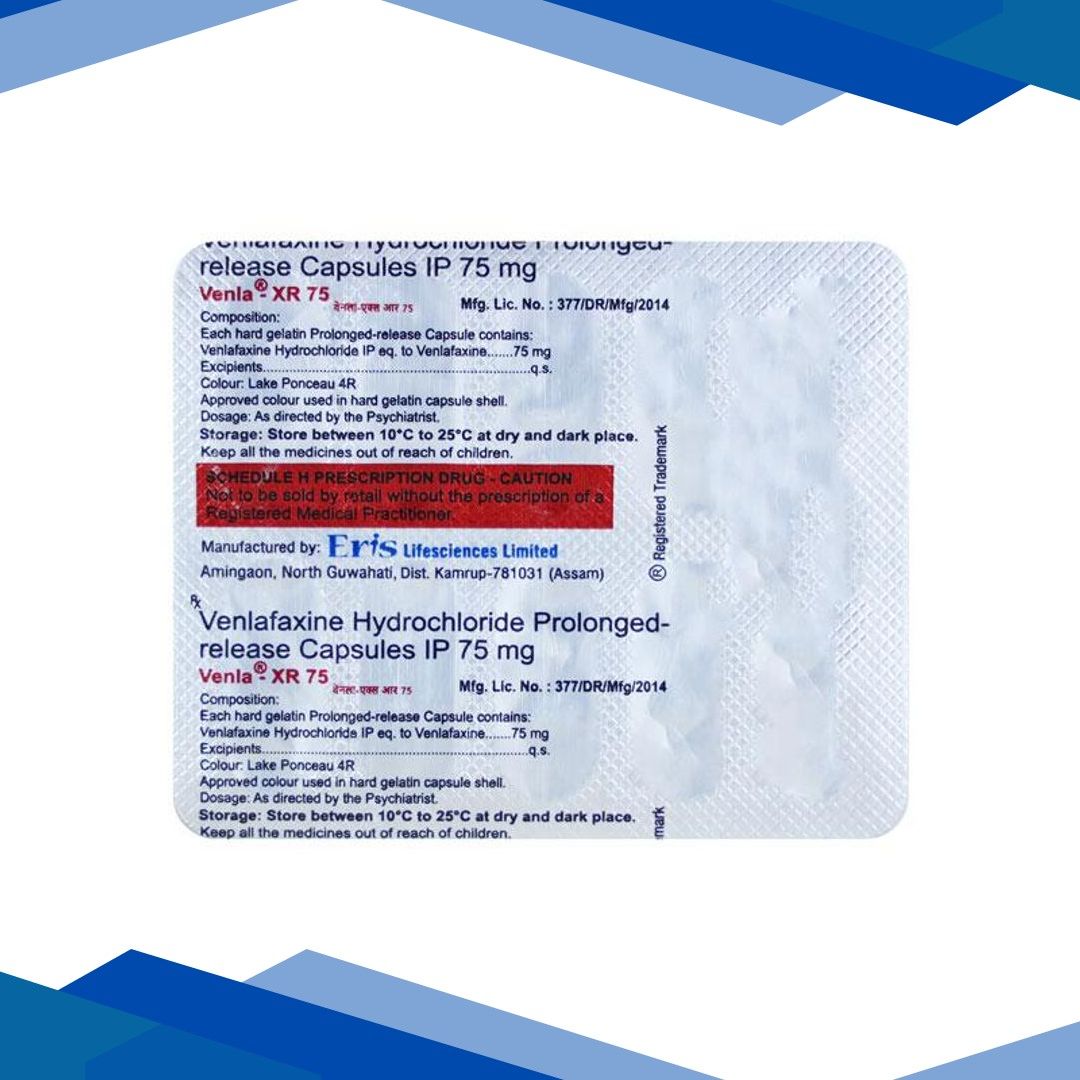
Venla XR 75mg Capsule 10’S
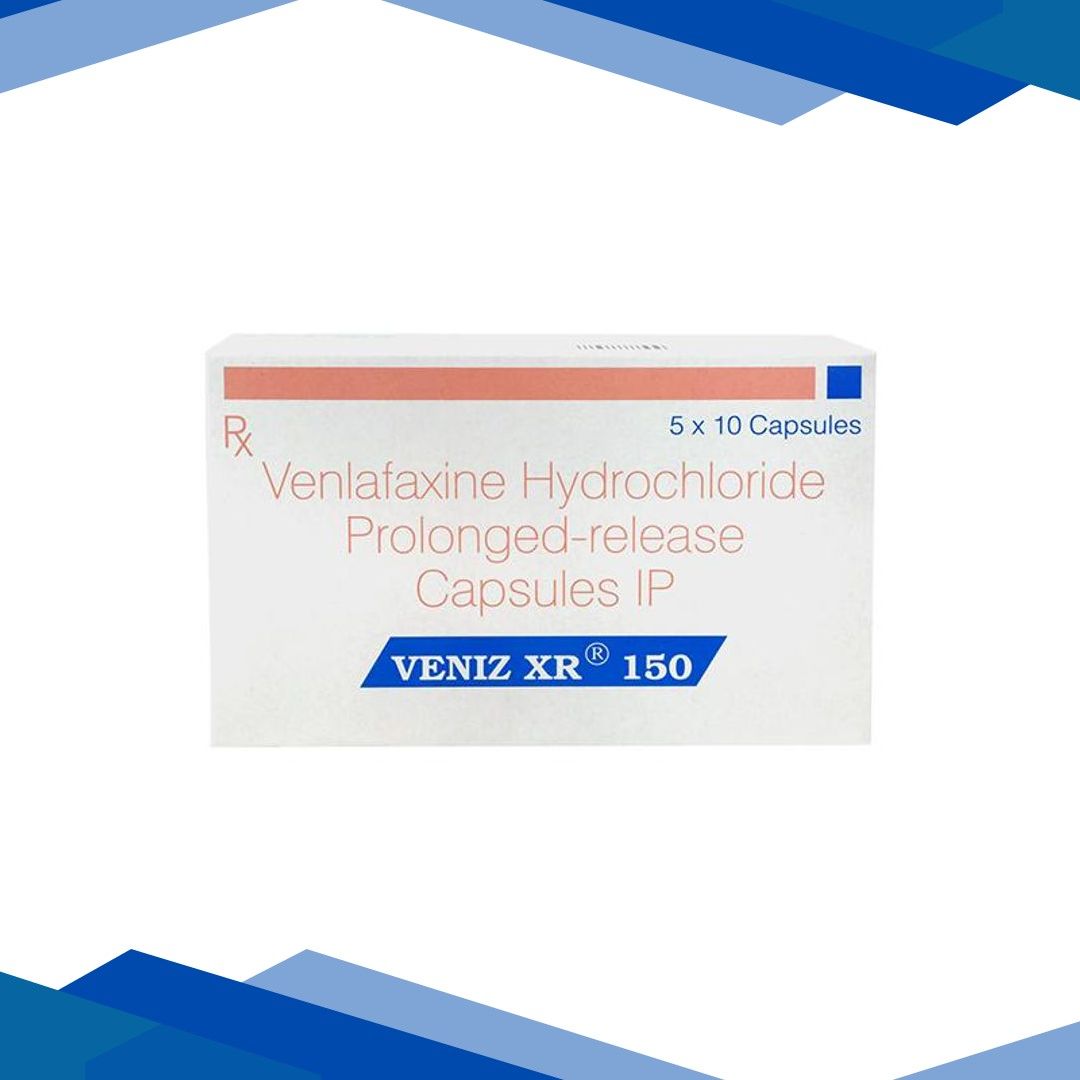
Veniz XR 150mg Capsule 10’S
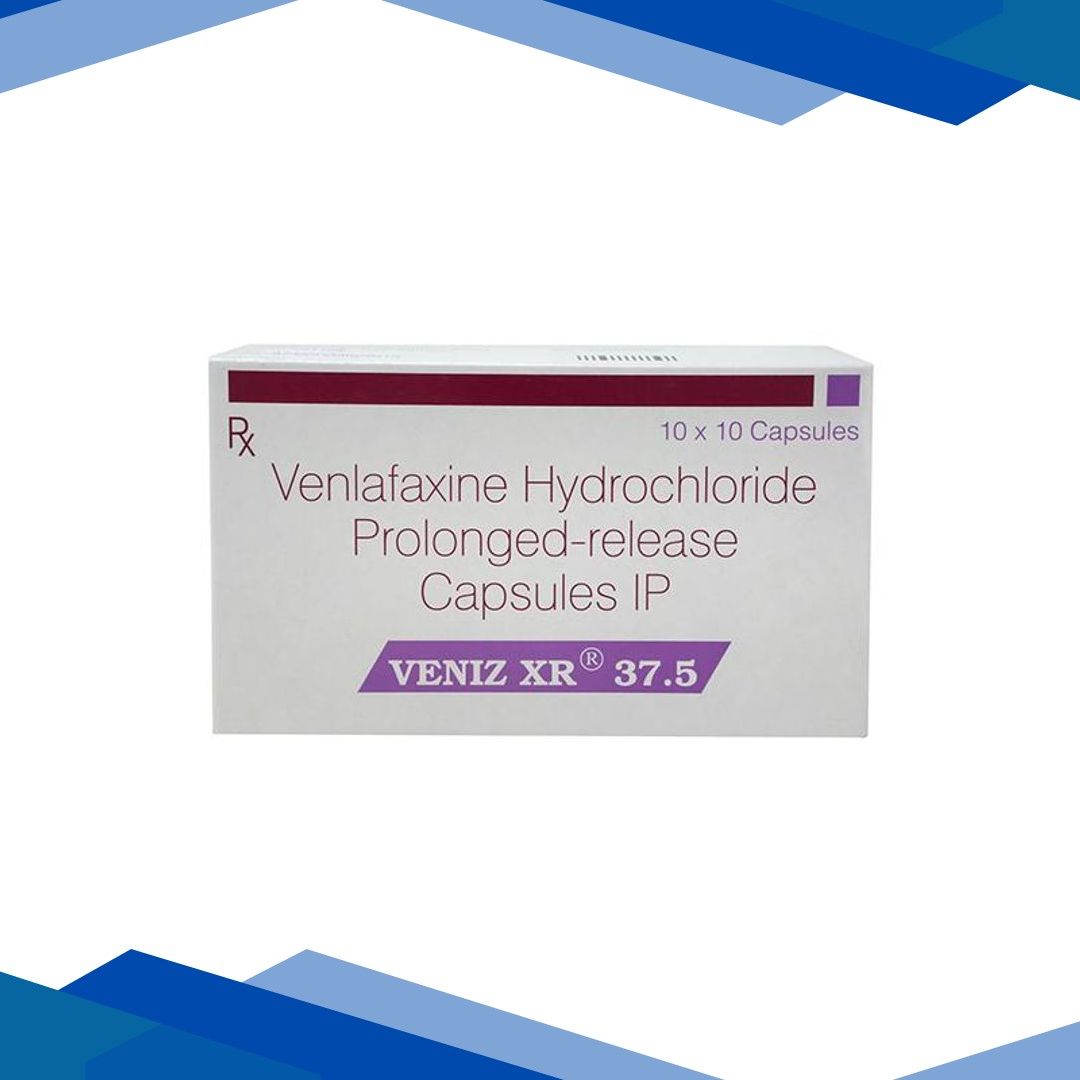
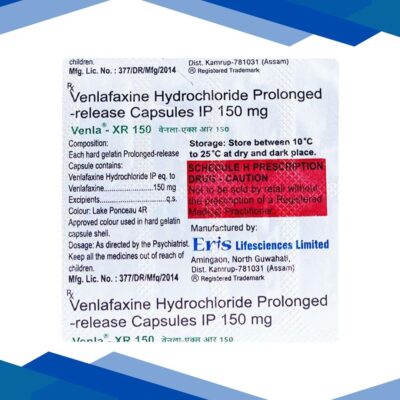
Venla XR 150mg Capsule 10’S
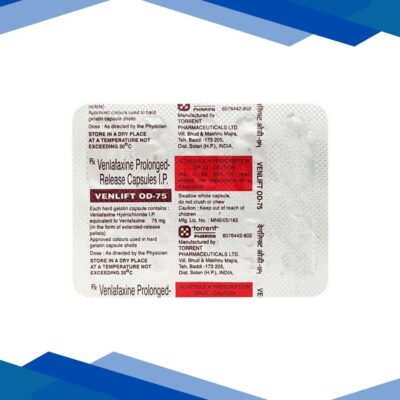
Venlift OD 75mg Capsule 10’S
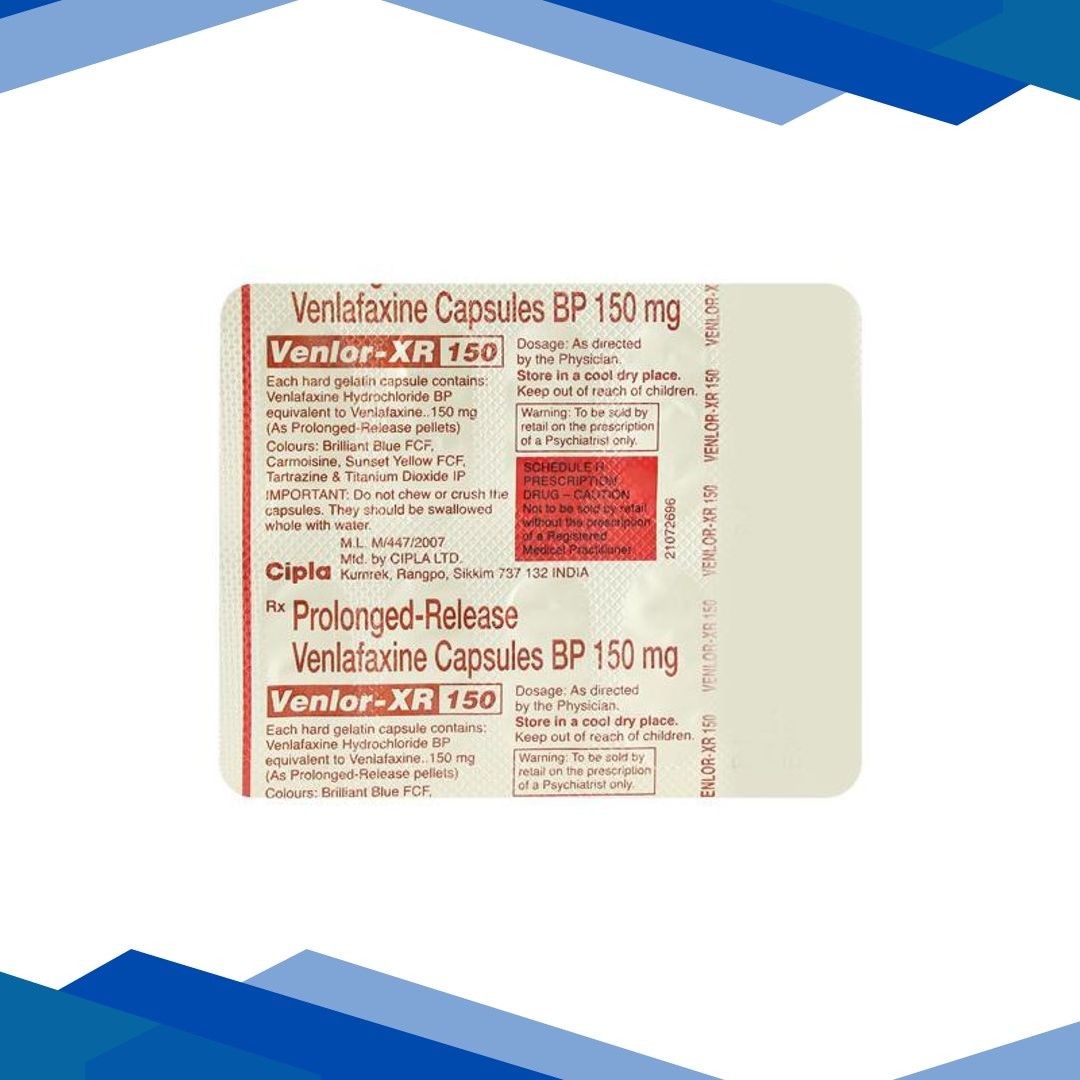
Venlor XR 150mg Capsule 10’S
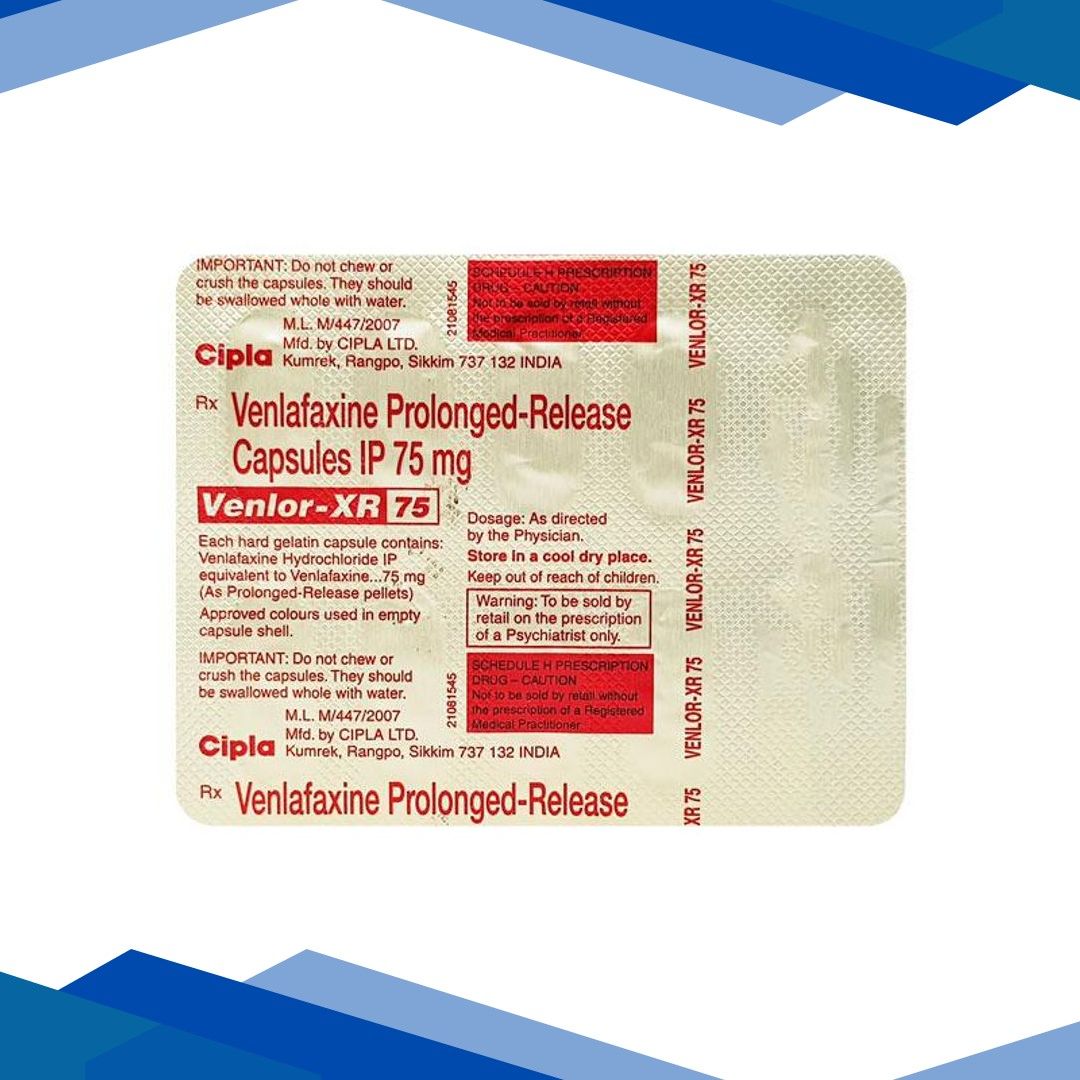
Venlor XR 75mg Capsule 10’S
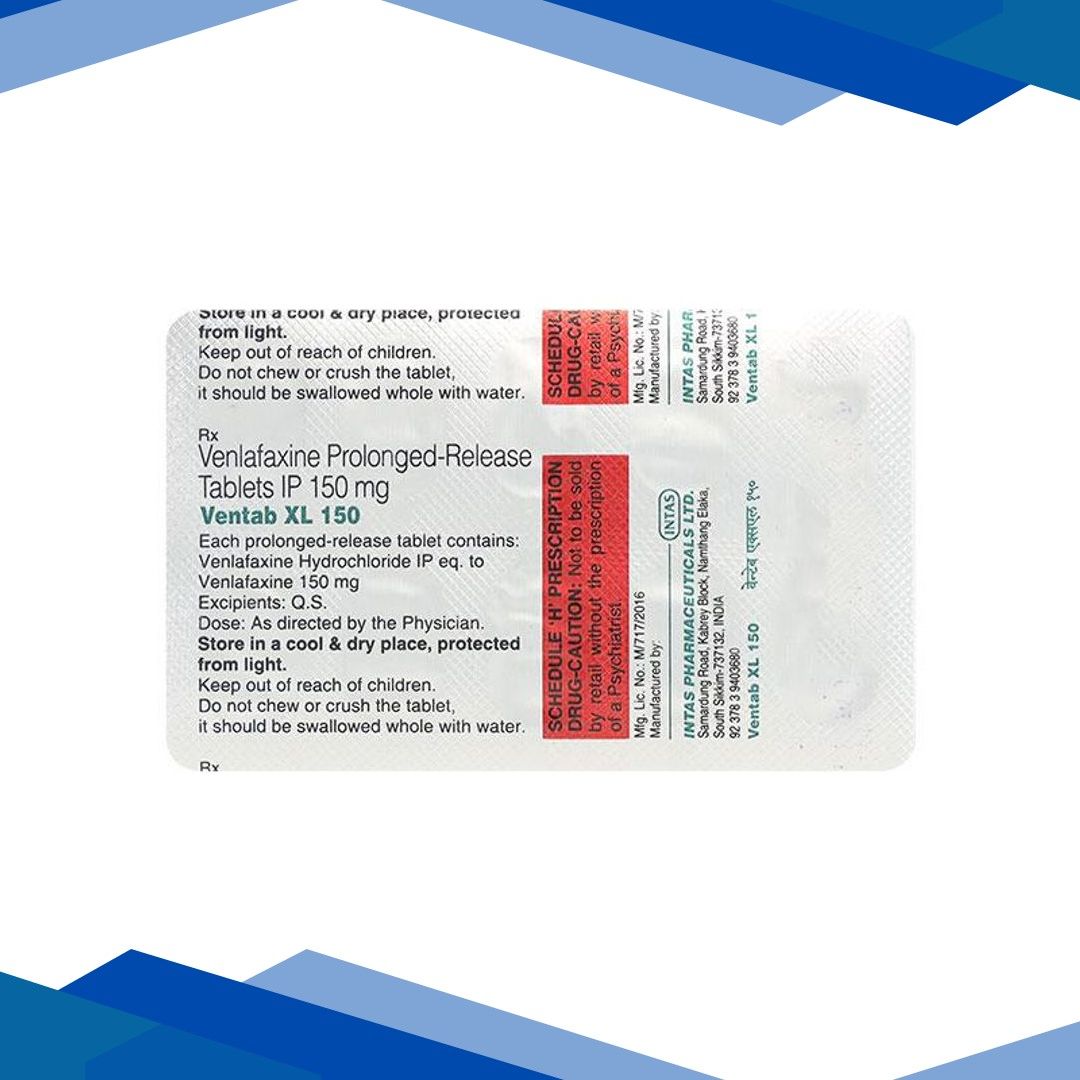
Ventab XL 150mg Tablet 10’S
Ventab XL 75mg Tablet 10’S
Venlafaxine: Steady Neurological Help for Mood plus Anxiety, day to day
Venlafaxine is a strong, prescription-only Serotonin Norepinephrine Reuptake Inhibitor (SNRI). In modern psychiatry it is often used to manage Major Depressive Disorder (MDD), Generalized Anxiety Disorder (GAD), Social Anxiety Disorder (SAD), and Panic Disorder. With careful adjustments it supports the small chemical channels inside the brain, helping return a calmer emotional state, reduce nonstop worry and make everyday functioning more reliable.
What it does
Venlafaxine works in the central nervous system, improving how brain cells “talk” to one another in practice:
Dual reuptake blocking: it stops the brain from quickly pulling back two key neurotransmitters. Serotonin, which has a role in mood, sleep and emotional stability. And Norepinephrine, which impacts focus, alertness and energy levels.
Extended Neurotransmitter Presence: When their reuptake routes are blocked, the medication keeps more of these active chemical messengers hanging around in the neural synapses, for longer.
Neurochemical Balancing: Across several weeks, this lingering presence supports the fixing of dialogue between strained, or underactive, neural pathways, and step by step lifts depressive symptoms while also soothing physical anxiety reactions.
Primary Clinical Applications
Major Depressive Disorder (MDD): Works to ease persistent sadness, low drive, feelings of worthlessness and that general loss of engagement with daily routines.
Generalized Anxiety Disorder (GAD): Lowers chronic worry that feels unrealistic, exaggerated, or impossible to quiet about ordinary life happenings.
Social Anxiety Disorder (SAD): Reduces sharp fear or avoidance around social contact, public speaking, or group performances.
Panic Disorder: Cuts down how often sudden, unexpected panic surges occur and reduces their intensity, plus the anticipatory dread that comes before them.
Usage and Administration Guidelines
Take With Food, Strictly: To reduce early digestive side effects such as mild nausea, or a temporary stomach upset, take this medication with a full main meal, or at least a substantial snack.
Swallow Whole, Not Broken: If you were prescribed Venlafaxine XR (Extended-Release capsules), swallow the capsule whole with a full glass of water. Do not crush, chew, dissolve, or split the capsule, because doing any of that can weaken the controlled-release setup and push the full dose into your system all at once.
Timing Is Important: Take your dose at the exact same time each day, for example every morning, or every evening, to help keep a steady medication level in your bloodstream.
Start Gradually: Your psychiatrist will usually begin with a conservative lower dose and then titrate it upward slowly, based on your personal response and how well you clinically tolerate it.
Frequently Asked Questions (FAQs)
1. How long does it take before Venlafaxine shows visible results?
Neurological adjustments take time. While some people notice small improvements in sleep rhythm or energy levels pretty early, like within that 1 to 2 week window, the main therapeutic results from the medication, such as a clear lift in mood or a real reduction in panic, usually take 4 to 6 weeks of steady daily use before you see them fully settle in.
2. Can I stop taking Venlafaxine suddenly if I feel completely better?
No. Never discontinue Venlafaxine abruptly. Stopping it “all at once” can bring on a specific set of effects called antidepressant discontinuation syndrome. That can lead to dizziness, sensory changes (including things like “brain zaps” or tingling), vivid dreams, sweating, and irritability. When it is time to stop the medicine, your doctor will give you a detailed gradual taper plan, so the dose comes down safely over several weeks.
3. Will taking Venlafaxine affect my blood pressure?
Since Venlafaxine works by slowing down the reuptake of Norepinephrine (a hormone tied to stress reactions and vascular responses), it may lead to dose-dependent rises in blood pressure for some people, especially when doses are pushed higher in therapy. Your clinician will probably set up routine blood pressure checks, so they can keep an eye on this while you’re taking it.
4. Are there any dietary or lifestyle restrictions while on this medicine?
It’s best to avoid alcohol during Venlafaxine treatment. Alcohol can amplify the medicine’s effects on the central nervous system, and that can bring about strong drowsiness, weaker coordination, plus mood swings that can feel unpredictable. Also, tell your doctor before using over-the-counter pain relievers such as Ibuprofen or Naproxen, because the mix may increase the chance of bruising or bleeding a bit.
5. What should I do if I accidentally miss a dose?
If you miss a dose, take it as soon as you remember, with food if you can. Then, if it is nearly time for your next scheduled dose, go ahead and skip the missed capsule entirely, and just return to your usual schedule. Do not try to make up for the forgotten one by taking a double dose, because that greatly raises the risk of sudden acute side effects.
Safety, precautions, and storage
Precautions: Let your physician know if you have any history of bipolar disorder, high blood pressure, severe kidney or liver disease, glaucoma, or a past history of seizures. Get emergency help right away if you notice signs of Serotonin Syndrome, which is an uncommon but serious condition, often with very high fever, intense agitation, stiff muscles, tremors, and confusion.
Storage: Keep the medicine at controlled room temperature, away from bright sunlight, too much humidity, and moisture. Keep the capsules or tablets inside their original blister pack or container until you use them. Keep it tucked away safely, out of sight and reach of children and household pets.