
Showing all 4 resultsSorted by popularity
Filter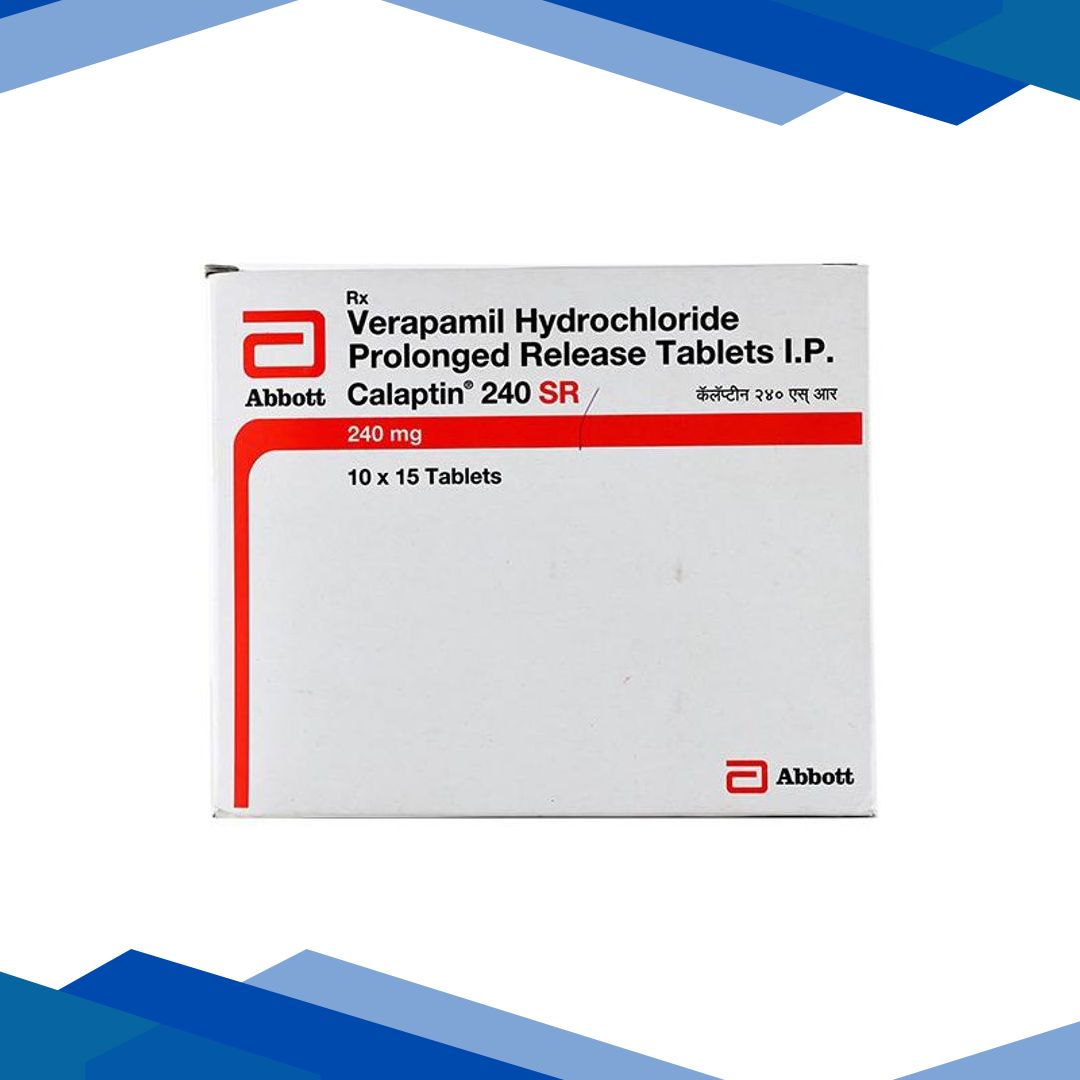
CALAPTIN 240 SR Tablet 15’s
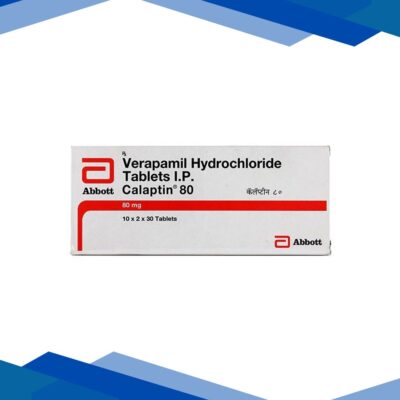
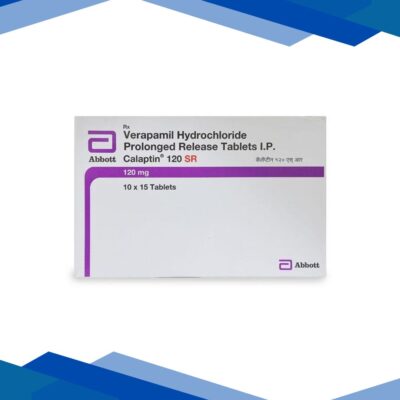
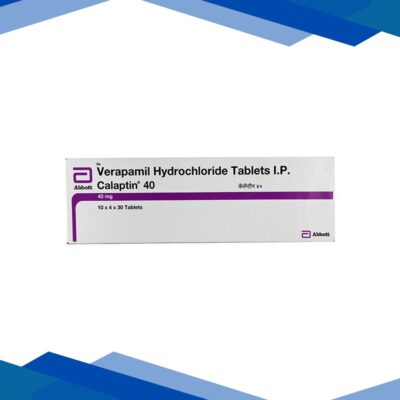
Verapamil Hydrochloride Tablets
Verapamil Hydrochloride Tablets are a prescription medication in the calcium channel blocker category (CCB), used for cardiovascular care in ways that feel very practical. It is commonly given for high blood pressure, also known as hypertension, to help control heart rhythm irregularities, and to help prevent long-term chest discomfort called angina pectoris. The main idea is that it acts on the smooth muscle in the heart and blood vessels so blood flow becomes more efficient, while the overall strain on the cardiovascular system is eased.
How it works, more or less
Verapamil works by controlling calcium ion movement across cell membranes, especially where calcium enters cardiac tissue and vascular smooth muscle.
1) Vascular relaxation
It selectively blocks the calcium influx into vascular smooth muscle cells and cardiac muscle tissues. As a result, systemic blood vessels open up and dilate a bit more, which lowers peripheral resistance, and that helps blood pressure drop.
It works on the sinoatrial (SA) and atrioventricular (AV) nodes, those are the heart’s own electrical pacing hubs. When it slows down the conduction of electrical signals inside these nodes it tends to tame fast, or just erratic, heart rhythms.
It also reduces cardiac workload in a practical way. By dilating the main coronary arteries, it improves oxygen delivery to the heart muscle, and at the same time it lessens the strength of heart contractions. This dual effect can help stop angina from starting.
Primary clinical use cases
Hypertension management: it lowers high blood pressure in order to reduce long term risk of stroke, myocardial infarction, and kidney problems.
Angina pectoris prevention: it’s used for long term treatment of chronic stable angina, unstable angina, and vasospastic Prinzmetal’s angina.
Arrhythmia control: it’s used to suppress rapid supraventricular tachyarrhythmias. This includes atrial fibrillation and atrial flutter.
Usage and administration guidelines
Follow the Schedule: Take Verapamil exactly as your cardiologist tells you. Try not to mess with the dose, and do not stop the medication suddenly, because that can trigger a rebound spike in blood pressure or make chest pain feel worse.
How to take it with food: In most cases, depending on the kind you were given (immediate-release versus extended-release), you’re better off taking the tablet with food or right after a meal so you get less stomach upset.
Extended-release routine: If your prescription is for extended-release or sustained-release tablets, swallow them whole. Do not crush, chew, or snap the tablet, because that can damage the special matrix and push the full amount into your body too fast.
Skip grapefruit: Avoid grapefruit and even grapefruit juice while taking Verapamil. Grapefruit has natural compounds that block enzymes needed to break the medication down, and that can result in dangerously high drug levels in your bloodstream.
Frequently Asked Questions (FAQs)
1. How long does it take for Verapamil to start working?
If you’re using immediate-release tablets, the medication usually begins to take effect within 1 to 2 hours after you swallow it. For ongoing issues like hypertension or angina prevention, it can take a week or two of daily consistency before the full stable improvement is reached, so don’t judge it too early.
2. Can I stop taking Verapamil once my blood pressure returns to normal?
No. High blood pressure can be a silent problem, there are often no clear signs to notice. Verapamil helps handle and control hypertension, it does not remove the cause in a permanent way. You should keep taking it exactly as prescribed, so your blood pressure stays in a safe range.
3. What is the most common side effect tied to Verapamil?
Constipation is one of the most often reported after using Verapamil. It shows up because the medicine relaxes the smooth muscle in the gut wall, and it makes digestive transit slower. To help manage it, try raising your daily fiber intake, drinking enough water, and doing light movement like easy walking. If the constipation becomes severe please let your doctor know.
4. What should I do if I feel dizzy or light headed?
Since Verapamil can lower blood pressure, you might feel dizzy especially when you stand up quickly from a seated or lying position. To reduce that effect, rise slowly and give your body a moment to adapt. If the dizziness keeps going, feels intense, or happens with a very slow pulse, reach out to your physician promptly.
5. Are there any particular medication interactions I should watch for?
Yes, Verapamil has interactions with a few other medications. It needs to be used with extreme caution when taken together with Beta-blockers, such as Metoprolol or Atenolol, because both groups can slow the heart rate and lower blood pressure. It may also raise the blood concentration of drugs like Digoxin, or some cholesterol-lowering statins. Be sure to tell your healthcare provider the full list of what you are currently taking, including prescription, over-the-counter, and herbal products.
Safety, Precautions, and Storage
Precautions: Before you begin, let your doctor know right away if you have a history of severe heart failure, advanced heart block without a working pacemaker, or severe liver dysfunction. During long-term use, blood pressure checks are advised, and periodic tests of liver enzymes and kidney function can be recommended.
Storage: Keep the tablets at controlled room temperature, about 15°C up to 30°C. Put them in a dry area, shielded from direct heat, dampness, and light exposure. Keep them in their original blister strip or container until you are ready to take them. Store them where no children can reach, and keep it secure.