
Showing all 8 resultsSorted by popularity
Filter

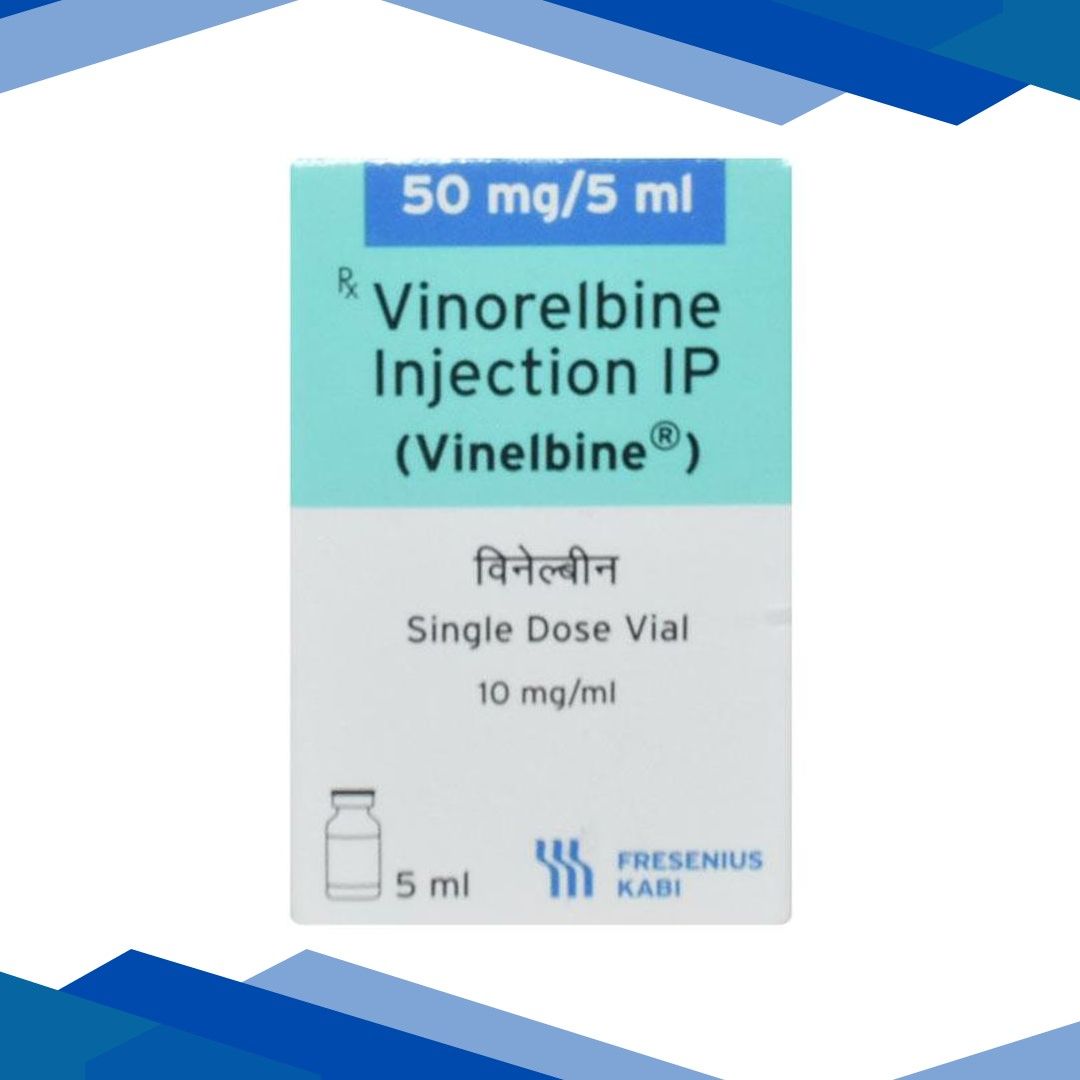
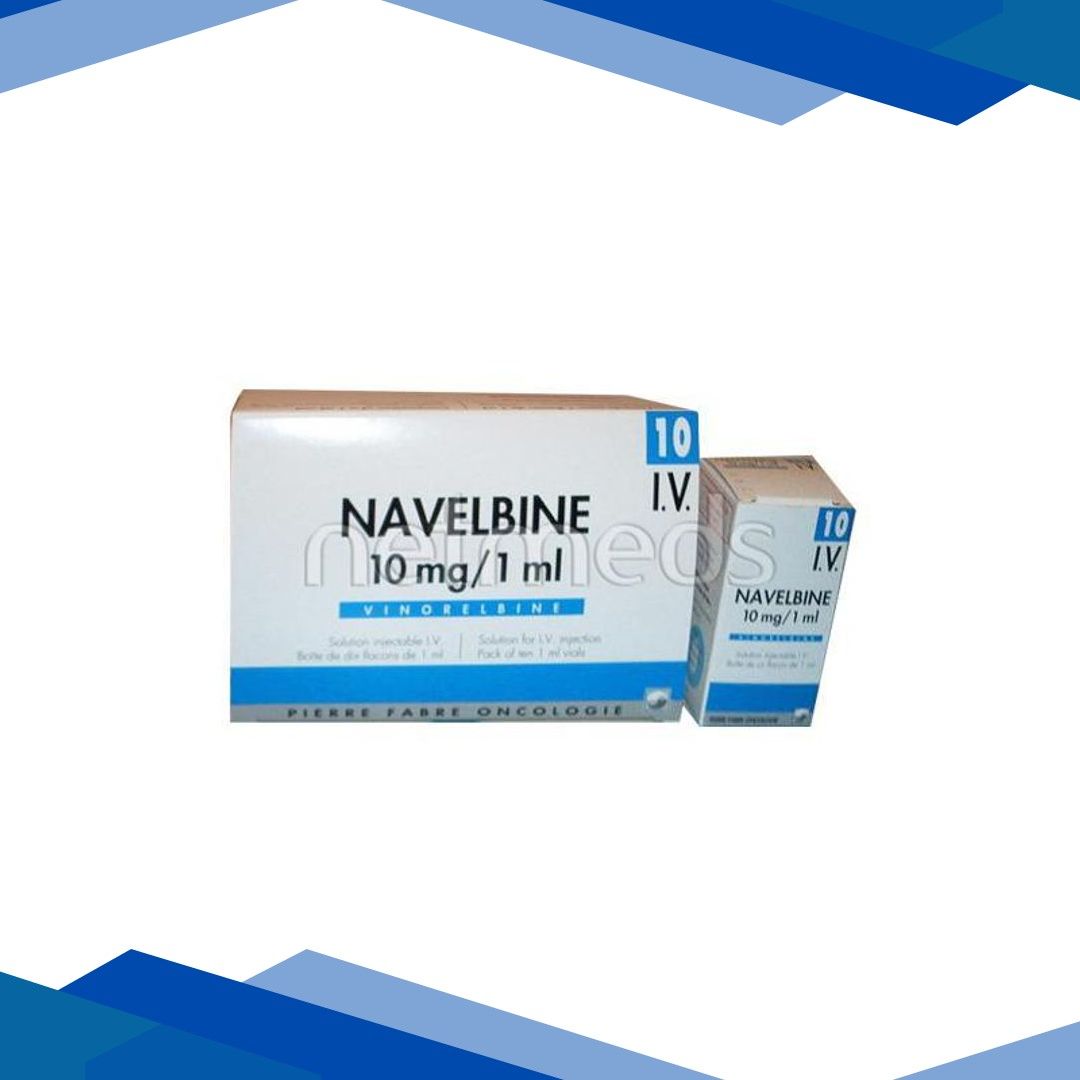



**Vinorelbine Injection : Uses, Side Effects, Price, and a Clinical Snapshot**
Vinorelbine is a strong, prescription-only anti-cancer chemotherapy medicine in the *vinca alkaloid* family. It is commonly used for treatment of advanced or metastatic **Non-Small Cell Lung Cancer (NSCLC)** and for advanced breast cancer when the disease has not improved after first-line therapy attempts.
Because it is a very specialized *cytostatic drug*, Vinorelbine should be given only as an **intravenous (IV) infusion**, and only while a qualified oncology clinician supervises the treatment directly.
—
## **Therapeutic mechanism: What Vinorelbine does**
Cancer cells divide quickly. Vinorelbine aims to interrupt that fast replication process.
1. **Microtubule interference:** During mitosis, cells depend on microtubules to pull genetic material apart.
2. **Tubulin binding:** Vinorelbine binds to *tubulin*, stopping it from building working microtubules.
3. **Apoptosis outcome:** With no functional mitotic spindle, the cancer cell cannot complete division and enters *programmed cell death (apoptosis)*.
—
## **Primary Medical Uses and Indications**
**Non-Small Cell Lung Cancer (NSCLC):** Given either by itself, or alongside platinum-based medicines such as *cisplatin* for locally advanced or stage IV disease.
**Advanced breast cancer:** Sometimes used as a secondary salvage treatment when metastatic breast cancer becomes resistant to *anthracycline* or *taxane-based regimens*, in many settings this is used off-label.
—
## **Clinical Administration and dosing expectations**
**How it is delivered:** Vinorelbine is strictly for **IV use**. It is typically infused over a short *6 to 10 minute period* through a running IV line, then a saline flush right away, to help clear the vein.
**Dosing schedule:** The exact dose is calculated using the patient’s **Body Surface Area (BSA)**. In practice it is often scheduled weekly, or on defined days inside a **21-day or 28-day chemotherapy cycle**.
**Vesicant warning:** Vinorelbine can act as a *vesicant*, meaning serious skin blistering can happen if it leaks outside the vein. If burning, stinging, warmth, or swelling happens near the injection site, the patient should alert staff immediately.
—
## **Possible side effects and adverse reactions**
Since chemotherapy affects healthy rapidly dividing tissues as well as malignant cells, close monitoring matters.
**Common side effects include**
* *White blood cell count drop* (**leukopenia or neutropenia**)
* *Anemia*, which can lead to heavy fatigue and a noticeably pale appearance
* *Nausea, vomiting*, and reduced appetite
* *Temporary thinning of hair (alopecia)*, mild to moderate
* *Liver enzyme elevation* on routine blood testing
—
## **Serious reactions (seek emergency care)**
* **Neutropenic fever:** *100.4°F (38°C) or higher* plus chills, suggesting a major infection risk
* **Severe paralytic ileus:** intense constipation, strong abdominal swelling, or inability to pass gas from slowed bowel motility
* **Peripheral neuropathy:** burning pain, numbness, or a *“pins and needles”* feeling in the fingers or toes that interferes with daily movement tasks
—
## **Safety notes and drug interaction overview**
**Factor | Risk profile | Care guidance**
**Immune system | ❌ Severe myelosuppression**
Bone marrow function is compromised. A *full blood count (CBC)* must be checked before every single dose.
**Pregnancy | ❌ Strictly contraindicated**
Can cause major *embryotoxic effects* or birth defects. Use dependable contraception and continue for *6 months after finishing therapy*.
**Liver impairment | ⚠️ Use with caution**
It is processed heavily in the liver. Higher bilirubin usually means prompt *dose reductions* are needed under clinician direction.
**Vaccinations | ❌ Avoid live vaccines**
Lower immunity can allow *live-attenuated vaccines* to cause active, life-threatening viral illness.
—
## **Frequently Asked Questions (FAQs)**
**Q1: Why is a blood draw required before each Vinorelbine cycle?**
Vinorelbine tends to lower bone marrow white blood cell production in a predictable way, with the lowest point (*nadir*) often around *7 to 10 days* after the injection. Your oncologist will review the **Absolute Neutrophil Count (ANC)** before dosing. If ANC is under *1,000 cells/mm³*, treatment is usually postponed temporarily to reduce the risk of severe infections.
—
**Q2: What if I see swelling or redness near my IV port during infusion?**
Tell your nurse or healthcare provider right away. Vinorelbine can injure local tissue or cause *necrosis* if *extravasation* occurs, meaning the medication slips out of the vein. Stopping infusion rapidly and using the correct clinical counter-measures can prevent deeper tissue complications.
—
**Q3: Does Vinorelbine always cause permanent hair loss?**
Hair thinning or partial hair loss is reported in about *10% to 20%* of patients. Complete permanent baldness is less common with Vinorelbine compared with some other intensive chemotherapy options. Hair that falls during therapy often starts growing back naturally a few months after your overall course ends.
—
**Q4: How can I handle severe constipation linked to this drug?**
Vinorelbine can affect signaling in the gastrointestinal tract, making the bowel slower. Discuss with your doctor a daily *prophylactic approach* using a stool softener or gentle laxative. Avoid self-directed strong enemas, and increase daily fluids substantially.
—
**Q5: Can I keep taking my herbal supplements while on Vinorelbine?**
Do not continue external herbal products unless your oncologist approves them. Some herbs can interact with **CYP3A4**, an enzyme pathway your body uses to process Vinorelbine. That interaction may reduce effectiveness or raise toxicity risk.
—
## **Disclaimer**
The oncology and clinical information shown here is meant for general awareness and education only. It should never be used as a replacement for individualized medical evaluation, interpretation of your prescriptions, or the direct care plan prepared by your treating oncologist.