
Showing all 6 resultsSorted by popularity
Filter
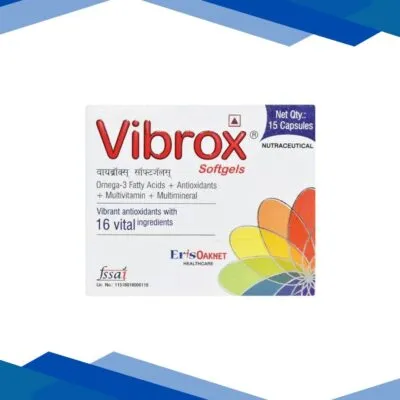
Vibrox Softgel Capsule 15’S

VITAMIN B1
Overview
Vitamin B1, also called Thiamine, is one of the B-complex vitamins. Your body needs it to turn food into energy. It also helps keep your nerves, muscles, and heart working properly. Since your body can’t store much of it, you need to get it regularly from food or supplements.
Classification
Vitamin B1 is:
A water-soluble vitamin (dissolves in water, not stored in fat)
Part of the B-vitamin family
Also known as a micronutrient, meaning your body needs it in small amounts
Uses
Vitamin B1 helps with:
Changing carbohydrates into energy
Supporting nervous system health
Keeping muscles and heart working normally
Helping with mental clarity and mood
Preventing vitamin B1 deficiency (which can lead to conditions like beriberi or Wernicke’s disease)
How It Works
Vitamin B1 works by:
Helping enzymes in the body break down sugars and starches
Making sure nerve signals travel properly
Aiding in the proper functioning of the brain and heart
Supporting the metabolism (how your body uses food for energy)
Dosage
As prescribed by your doctor.
Side effects
Upset stomach or mild nausea
Skin rash or itching (allergic reaction)
Feeling warm or flushed (especially after injections)
Sweating
Mild headache
Rare but Serious Reactions (Usually Allergic):
Swelling of the face, tongue, or throat
Trouble breathing
Severe rash or hives
Dizziness or fainting (after injection in some people)
Precautions
Usually safe when taken in recommended amounts
Too little can cause fatigue, memory problems, and nerve issues
People who drink a lot of alcohol, have digestive problems, or take certain medicines may need more B1
High doses from supplements are usually safe, but it’s best to ask a doctor before taking large amounts
Disclaimer
This content is for informational purposes only. Always consult a healthcare provider for medical advice and proper dosage