

Showing the single result
Filter
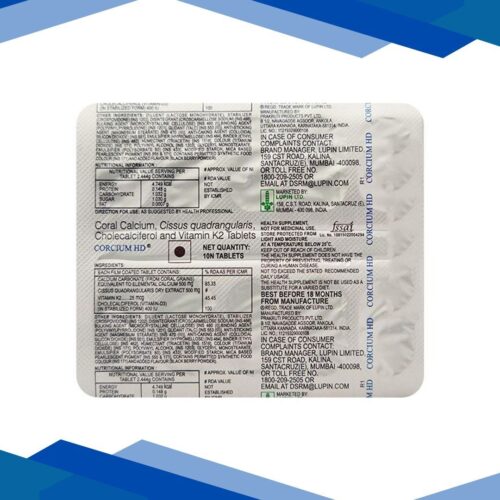
Vitamin K: Vital to Coagulation and Bone Health
Vitamin K is a fat-soluble vitamin that assists blood clotting, preventing excessive blood loss. Unlike many vitamins used as dietary supplements to correct deficiencies, Vitamin K plays an indispensable role in the recuperation and maintenance of the body system.
With the capability of influencing proteins that mediate blood clotting and carry calcium to various parts of the body, Vitamin K occurs naturally in dark green leafy vegetables, broccoli, and grain cereals.
Benefits of Vitamin K:
Blood Clotting: Vitamin K is primarily involved in the synthesis of proteins essential for blood coagulation. Its presence allows for proper wound healing and prevents internal bleeding.
Bone Health: Studies suggest that Vitamin K works synergistically with Vitamin D by promoting calcium deposition in the bones rather than the arteries, thereby supporting bone strength.
Cardiovascular Health: Vitamin K supports a healthy cardiovascular system by promoting arterial elasticity and maintaining healthy blood pressure levels.
How to Use
Take only the recommended dose, as advised by your healthcare practitioner. It is best to take the supplement with fats, such as coconut oil, with meals for better absorption.
Safety Information
Interactions: If you are on blood-thinning medications (e.g., Warfarin), consult your doctor before taking Vitamin K, as it may interfere with their activity.
Pregnancy and Lactation: Consult your healthcare provider before using Vitamin K if you are pregnant or nursing.
Storing: Keep the container tightly closed in a cool, dry place, away from direct sunlight, and out of reach of children.
FAQ
Q: Can I take enough Vitamin K through my diet alone?
A: Most people get sufficient Vitamin K1 from green leafy vegetables and K2 from fermented foods and cheese. However, those with malabsorption or long-term antibiotic use may require supplementation.
Q: What are the signs of a Vitamin K deficiency?
A: The most noticeable symptom is excessive bleeding, such as easy bruising, frequent nosebleeds, or heavy periods. If observed, a blood test is recommended.
Q: Is there a difference between Vitamin K1 and K2?
A: Yes. Vitamin K1 (Phylloquinone), primarily found in green plants, is mainly involved in blood clotting. Vitamin K2 (Menaquinone), sourced from animals and fermented foods, supports bone and heart health.
Q: Are there any side effects of taking Vitamin K supplements?
A: Side effects are extremely rare at normal dosages. Higher doses may occasionally cause gastrointestinal disturbances or minor skin rashes.