
Showing 1–20 of 56 resultsSorted by popularity
Filter






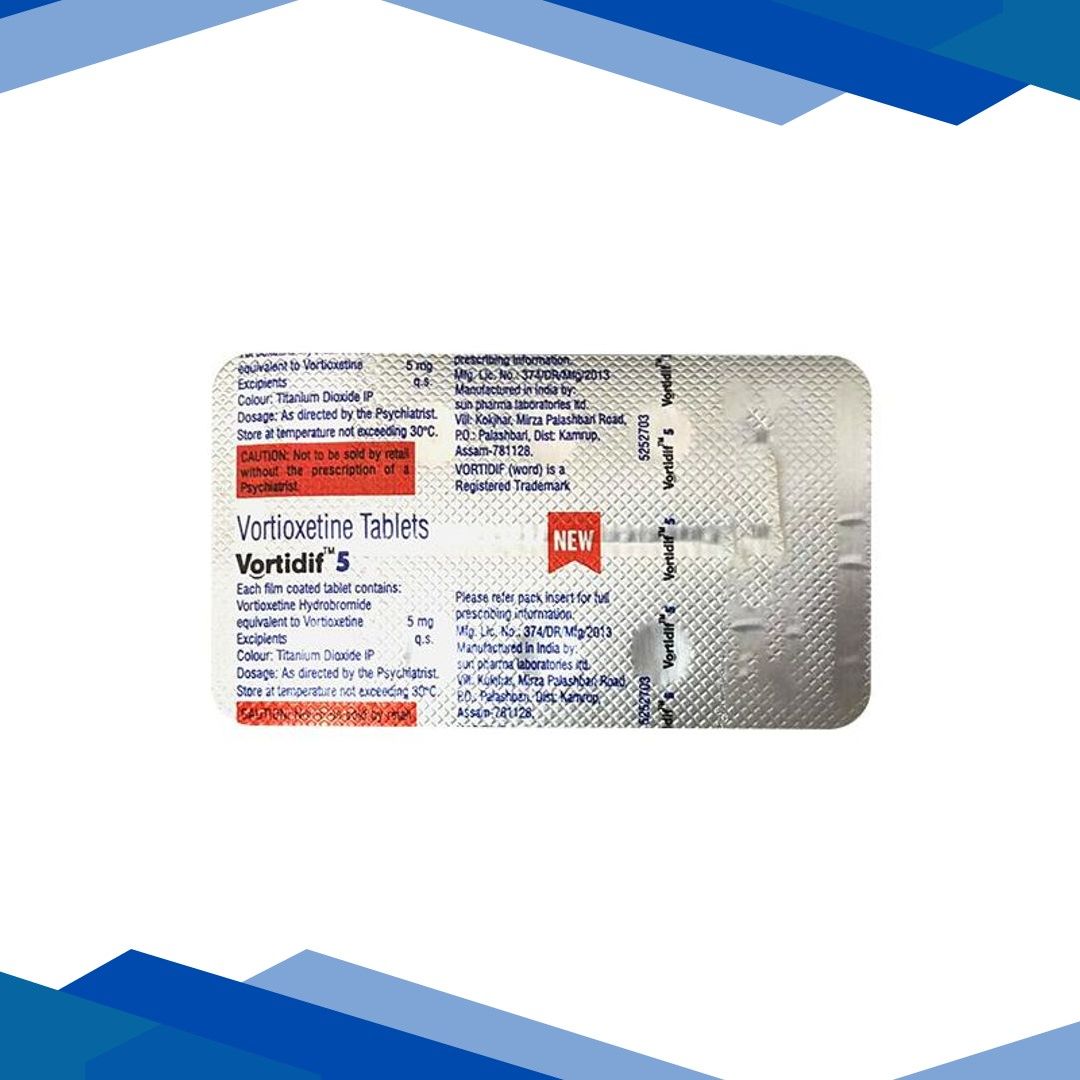
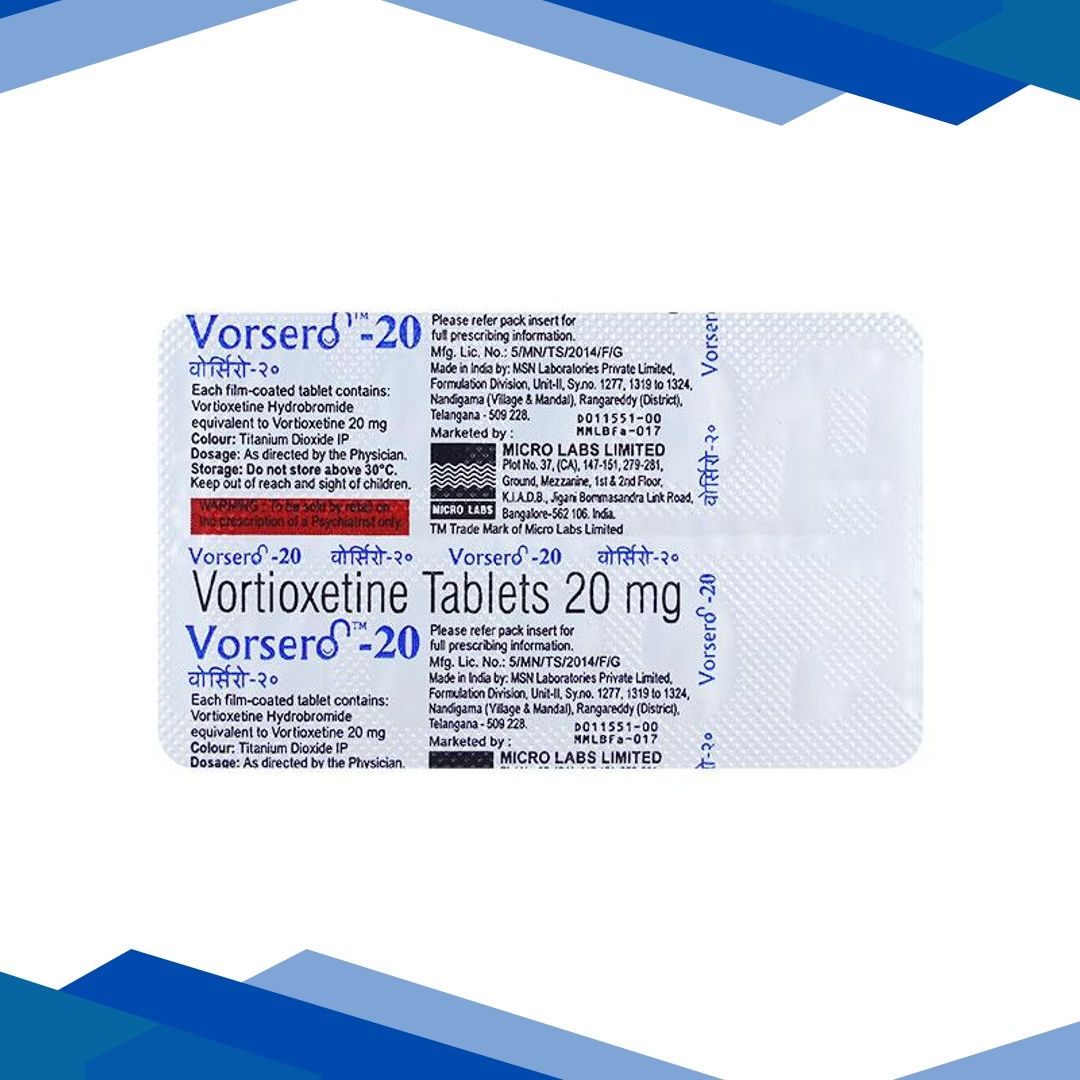


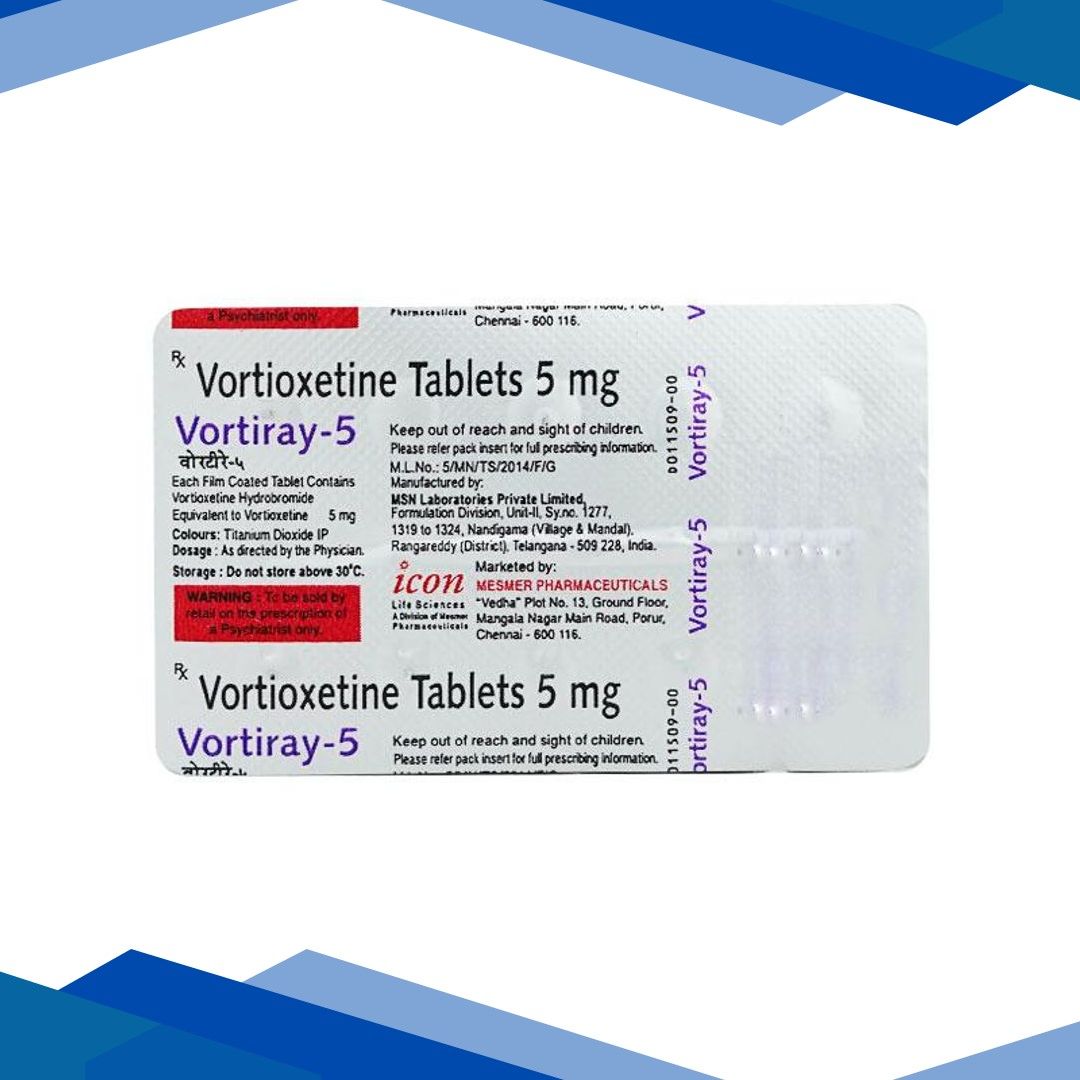



VORTIDIF NEW 20 Tablet 10’s

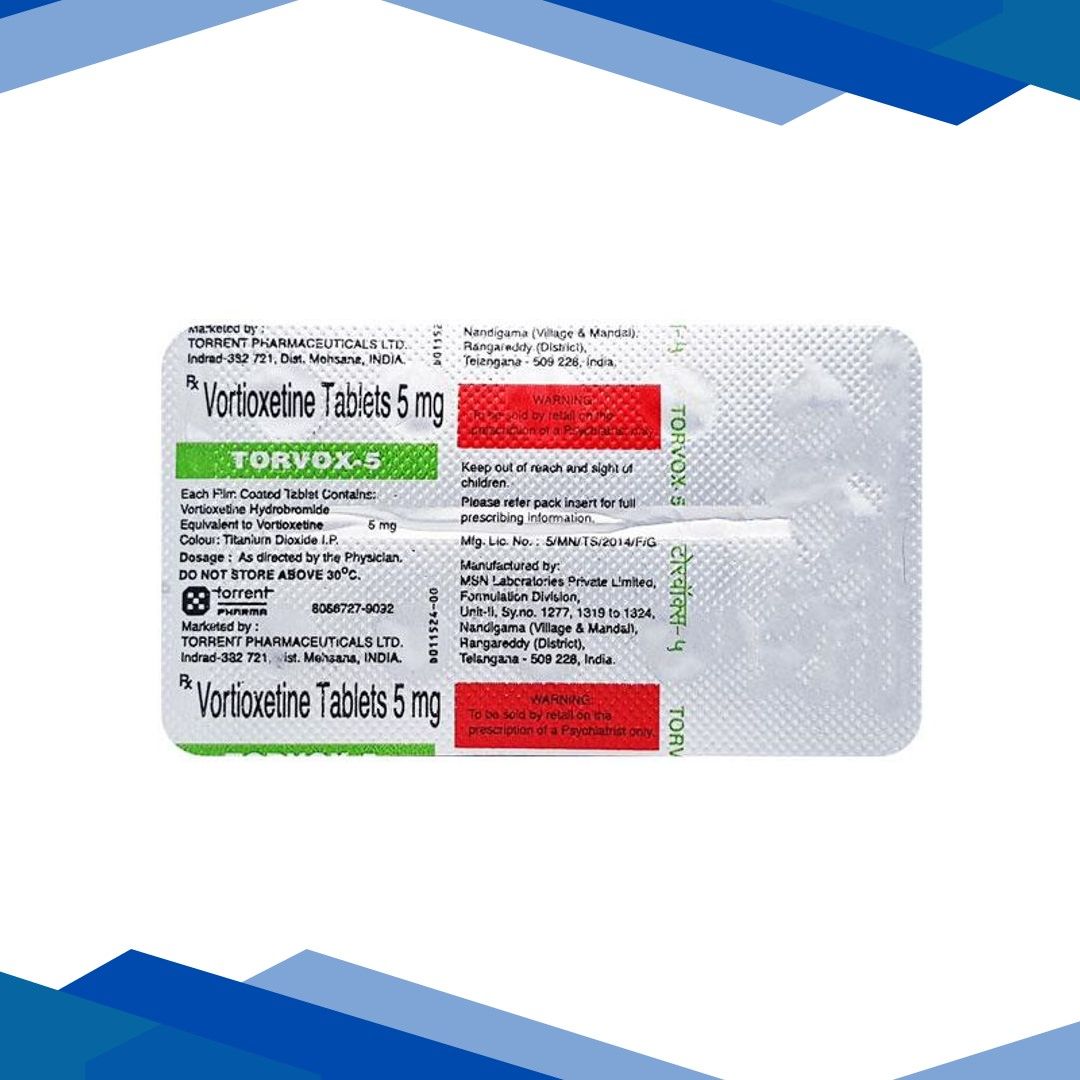
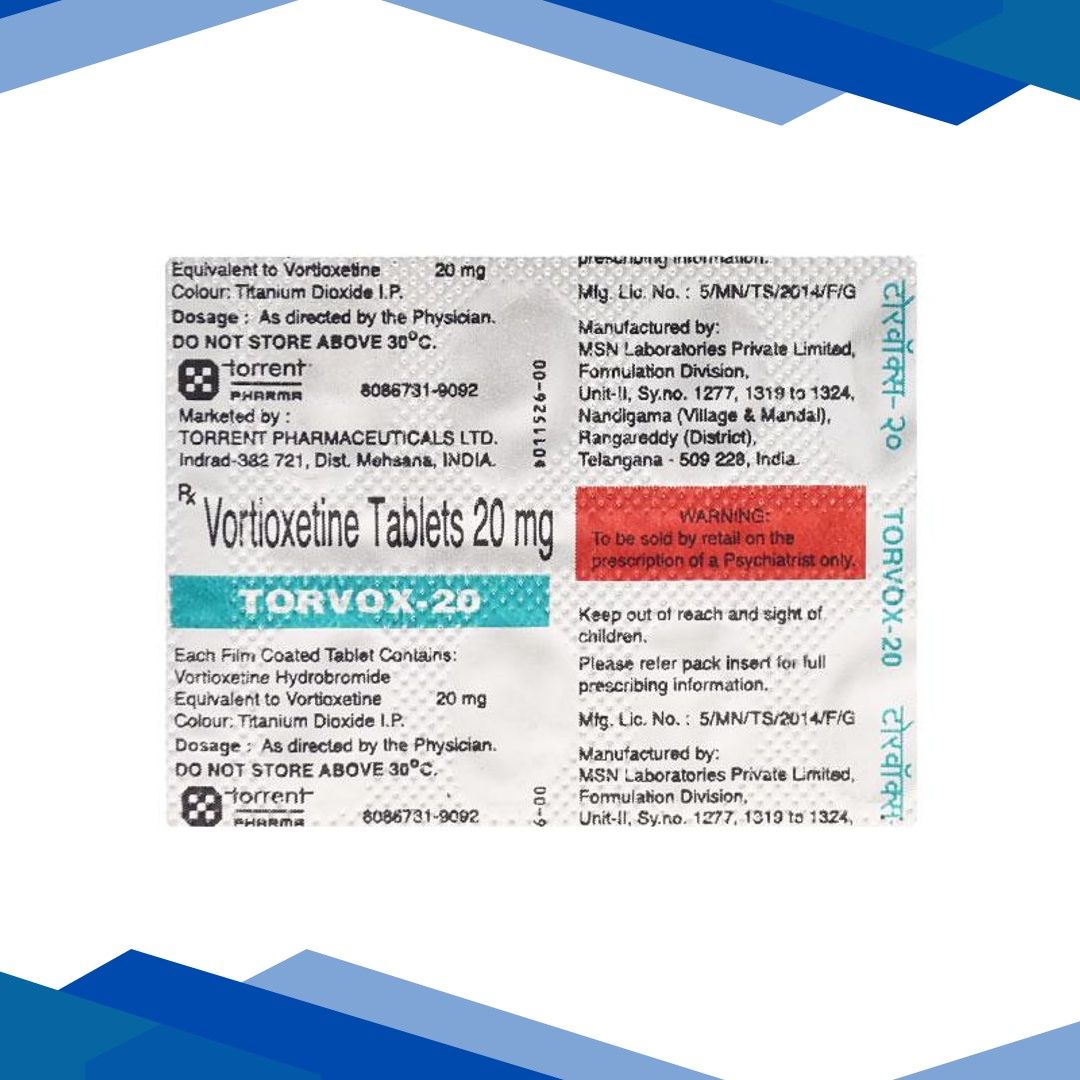
Vortioxetine: Multimodal Approach to Depression Treatment
Vortioxetine (the brand name Trintellix) is a modern antidepressant used predominantly in adults for treating Major Depressive Disorders (MDD), further making this attractive being are its relative obsolescence; liking most antidepressants found prior in their time, Vortioxetine qualifies as a multimodal agent. In summary, this means that it is more than stimulated serotonergic activity (that is, serotonin-enhancing). Therefore interacting with a different set of serotonergic receptors to help support different sets of biological determinants of mood, sleep, and even cognitive terminologies.
Efficiency, Notable Support
Mild support: Facilitates mood elevation
Goal-Optimal Ability: Clinical trials indicate that it may support improvements in confusion, memory loss, and slower response times associated with depressive episodes.
Relapse Prevention: A long-term maintenance plan to keep away from further episodes after the first episode showed resolution.
Quick Drug Profile
Attribute — Description
Drug classification: Atypical antidepressant (multimodal)
Common doses: 5 mg, 10 mg, 20 mg
Frequency & Timing: Once daily (even without food)
Alcohol Interaction: Not recommended (causes increased drowsiness)
Prescription (Required): Schedule H
How It Works
Vortioxetine functions in two ways. Firstly, it acts as an SRI (Serotonin Reuptake Inhibitor), allowing more serotonin to be free in the brain. Secondly, it acts like a modulation of the receptors, turning specific serotonin receptors on and off (things like 5-HT1A, 5-HT3) concurrently. This double action works towards individualizing the mix of neurotransmitters and probably avoiding that “emotional blunting” occasionally seen with other sets of medications.
Warning Signs
Slow Start: Doctors will typically start with a lower dose range (5 mg to 10 mg) so that your body can get used to it.
Serotonin Syndrome: Be cautious when combining Vortioxetine with other serotonergic drugs, e.g., Triptans or Tramadol.
Nausea Management: Most patients experience nausea during the first few weeks of treatment—taking the dose with a meal tends to help cut down on this.
Discontinuation: Do not discontinue it abruptly; rather, taper off per the given schedule under the guidance of your psychiatrist.
Frequently Asked Questions (FAQs)
Q: How long does it take for Vortioxetine to work?
A. Some physical changes (like sleeping patterns or energy) will normally happen within the first 2 weeks, but the full antidepressant effects of the drug should become noticeable after consistent use for 4–6 weeks.
Q: Does Vortioxetine make me gain weight?
A: In clinical trials, Vortioxetine had a “neutral” effect on weight. This implies that it is less likely to cause significant weight gain associated with most of the older SSRI or TCA regimens.
Q: Can I take it at night?
A: Absolutely. The time of day for taking Vortioxetine should not matter provided that you are consistent. Nausea irritating you? Try taking it before bed to sleep through the side effect.
Q: Is it safe for high blood pressure patients?
A: Generally yes, but the doctor should monitor you. Vortioxetine typically does not have a high impact on heart rate or blood pressure as do others (SNRIs).
Q: What should I do when I miss a dose?
A: Take the missed dose immediately upon recall; if your next dose is now almost upon you, just skip the missed one. Never double the dosage in order to fill up the time waited.
Storage & Transport
Keep the tablets in a cool (15°C to 30°C), dry place. Keep the bottle or blister pack away from moisture (don’t let them rest in bathroom cabinets) and out of children’s reach.
Expert Tip: Make a mood diary during the first month of treatment. Plan to include daily evaluations of your energy levels and attention in this period so that your doctor can possibly make dose adjustments in your follow-up session.
Disclaimer: This content was published for information purposes. Its motivation is to attract potential patients and not damage or misinterpret the e-pharmacy system. So, never start or discontinue any drugs without conferring with a medical professional.