
Showing all 6 resultsSorted by popularity
Filter
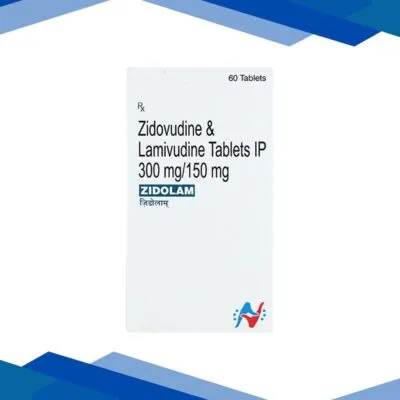
ZIDOLAM 300/150mg Tablet 60’s
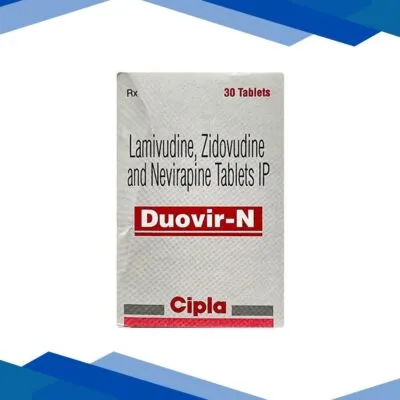

Zidovudine (AZT): Uses, Mechanism, Side Effects, and Guidelines
Zidovudine, sometimes called AZT, is a prescription antiretroviral medicine that sits in the Nucleoside Reverse Transcriptase Inhibitor (NRTI) group. In practice it becomes a key part of combo treatments that aim to manage Human Immunodeficiency Virus infection (HIV-1). Beyond treatment, it also has a big clinical use for lowering the chance that the virus will pass from parent to baby during pregnancy and at the time of birth, which is a huge deal in real-world care. Zidovudine will not cure HIV, but it can slow the virus down, helping the immune system stay functional longer and often lowering the likelihood of additional, secondary infections.
How it Works in the Body
Zidovudine works by interfering with the viral copying process, in other words it targets replication inside the body, using a specific biochemical pathway that reduces how well HIV can reproduce:
Enzyme Inhibition: after Zidovudine gets inside the infected cells, it is changed into an active triphosphate form. then, this active compound directly competes with the normal viral building pieces to latch onto an important viral enzyme called reverse transcriptase.
DNA Chain Termination: the enzyme ends up putting Zidovudine into the extending viral DNA strand, basically by mistake. due to the medication’s molecular makeup, further building blocks cannot attach, and so the chain is effectively interrupted, which also stops viral DNA synthesis.
Viral Load Reduction: by shutting down this replication routine, the drug blocks the virus from reproducing and moving on to fresh T-cells. that gives the immune system a better shot at getting back to balance and recovering.
Primary Clinical Applications
HIV-1 Combination Therapy: used together with other antiretroviral medications, as part of a highly active antiretroviral therapy (HAART) plan, to manage ongoing chronic HIV infection.
Prevention of Maternal-Fetal Transmission: Given to HIV-positive pregnant individuals and also to their newborn babies, in order to greatly reduce the chance of the virus moving to the child.
Post-Exposure Prophylaxis (PEP): Applied during particular emergency situations, for people who might have had accidental exposure to HIV in healthcare environments or after other high-risk moments.
Usage & Administration Guidelines
Strict Consistency: Antiretroviral medicines should be swallowed at the exact same times each day, no exceptions, because when doses are missed or the timetable gets pushed back the virus can quickly adjust and build medication resistance.
Food Intake: Zidovudine can usually be taken with food or without food. If you notice early stomach discomfort or nausea then using your dose with a small meal may help reduce the misery.
Do Not Alter the Regimen: Never change your dose or stop taking Zidovudine without clear instructions from your infectious disease specialist even if your lab results show the viral load is “undetectable”, for that moment.
Routine Laboratory Checks: You need to show up for your scheduled blood tests, compliance is mandatory. Your healthcare provider will routinely review a complete blood count (CBC), liver enzymes and kidney function, to help ensure the drug is being processed safely.
Frequently Asked Questions (FAQs)
1. Does Zidovudine cure HIV/AIDS?
No. There is still no proven cure for HIV/AIDS. Zidovudine helps manage the virus by stopping it from replicating which can lower the viral load in your body, and supports your immune system. It has to be taken continually as a long-term approach and not just during a brief period.
2. Why is Zidovudine typically prescribed alongside other HIV medications?
HIV is a highly adaptable virus, it can mutate pretty rapidly if only a single drug is used to fight it. Doctors prescribe Zidovudine as part of a multi drug cocktail (HAART) , to hit the virus at different points in its lifecycle all at once. This tends to boost overall effectiveness and also blocks the virus from learning drug resistance too quickly.
3. What is the most important side effect to monitor while taking this medicine?
With Zidovudine, the biggest side effects to keep an eye on are anemia (low red blood cell count) and neutropenia (low white blood cell count). These problems come from mild bone marrow suppression. That is why regular blood work is so important. If you notice severe fatigue, pale skin, trouble breathing, or a fever that shows up without explanation, reach out to your care team right away.
4. How does Zidovudine help protect an unborn baby from HIV?
When an HIV-positive pregnant individual takes Zidovudine, this medicine ends up crossing the placenta to help shield the fetus. Then, when it is given intravenously during delivery, and followed by a brief run of infant oral syrup after birth, the overall plan can greatly lower the chance of vertical transmission from mother to child.
5. Are there any serious warning signs that need immediate medical attention?
Even though it is uncommon, NRTIs like Zidovudine sometimes lead to a major metabolic problem called lactic acidosis (a harmful buildup of acid in the bloodstream) together with severe liver enlargement. Get urgent medical evaluation if you have continuing nausea, vomiting, deep or fast breathing, strange muscle pain, or yellow skin and eyes (jaundice).
Safety, Precautions, and Storage
Precautions: Inform your physician about your whole medical history, especially if you have previously had chronic bone marrow depression, severe anemia, liver disease, or kidney impairment. Provide a full inventory of every supplement and medicine you currently use, since some drugs such as ribavirin or ganciclovir can clash quite intensely with Zidovudine.
Storage: Keep the tablets or capsules at room temperature, ideally anywhere from 15°C to 25°C, in a dry area that is sheltered from too much moisture and direct heat. When you are not using it, keep the bottle sealed tightly. Place it somewhere completely out of sight and reach of children.