
Showing all 11 resultsSorted by popularity
Filter
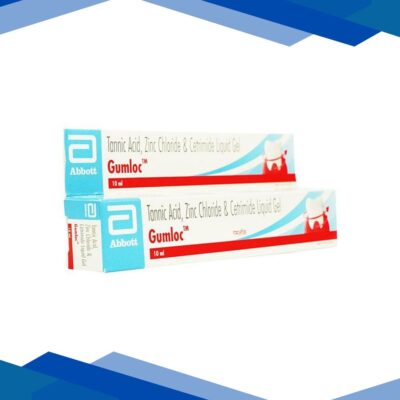
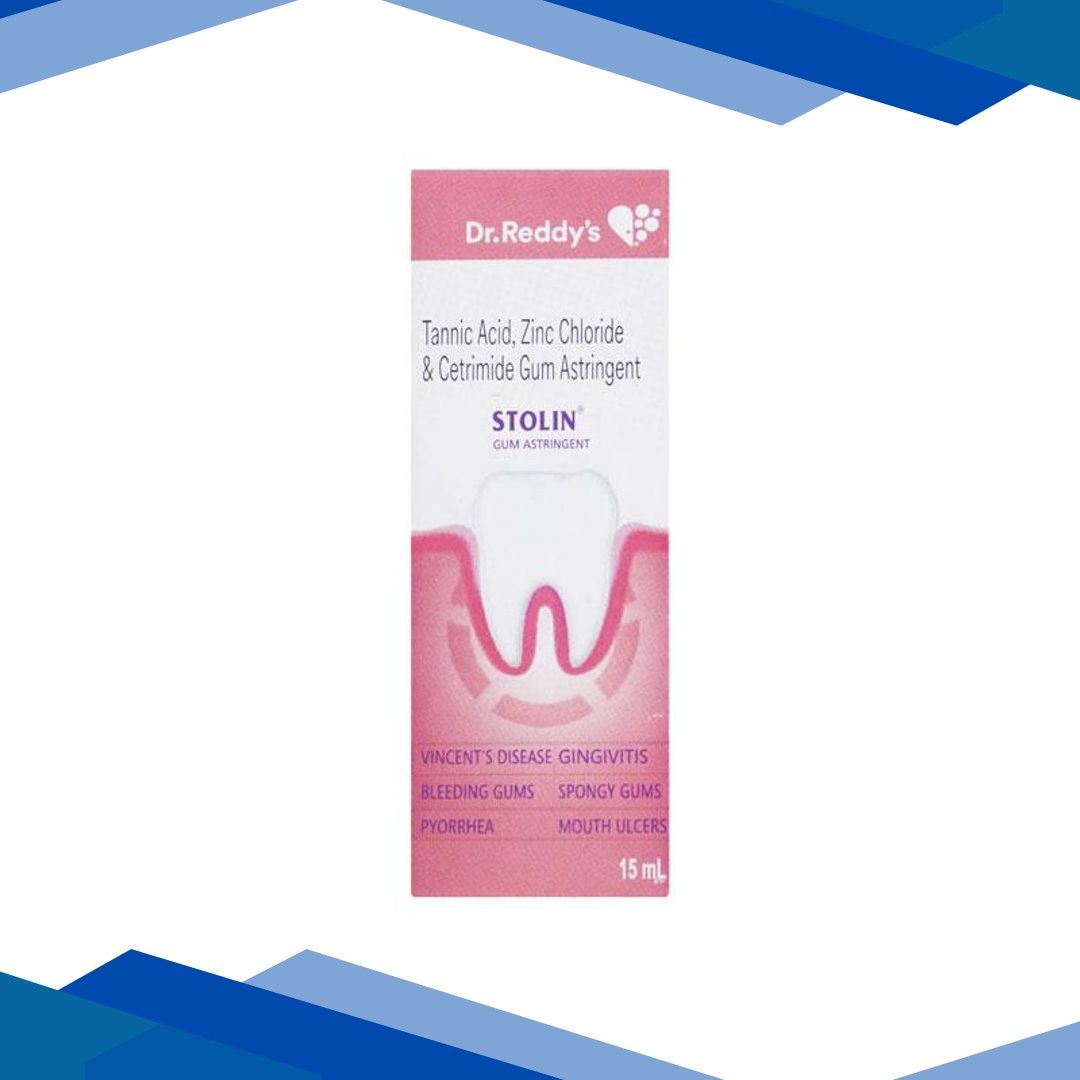
Stolin Gum Astringent Liquid 15ml
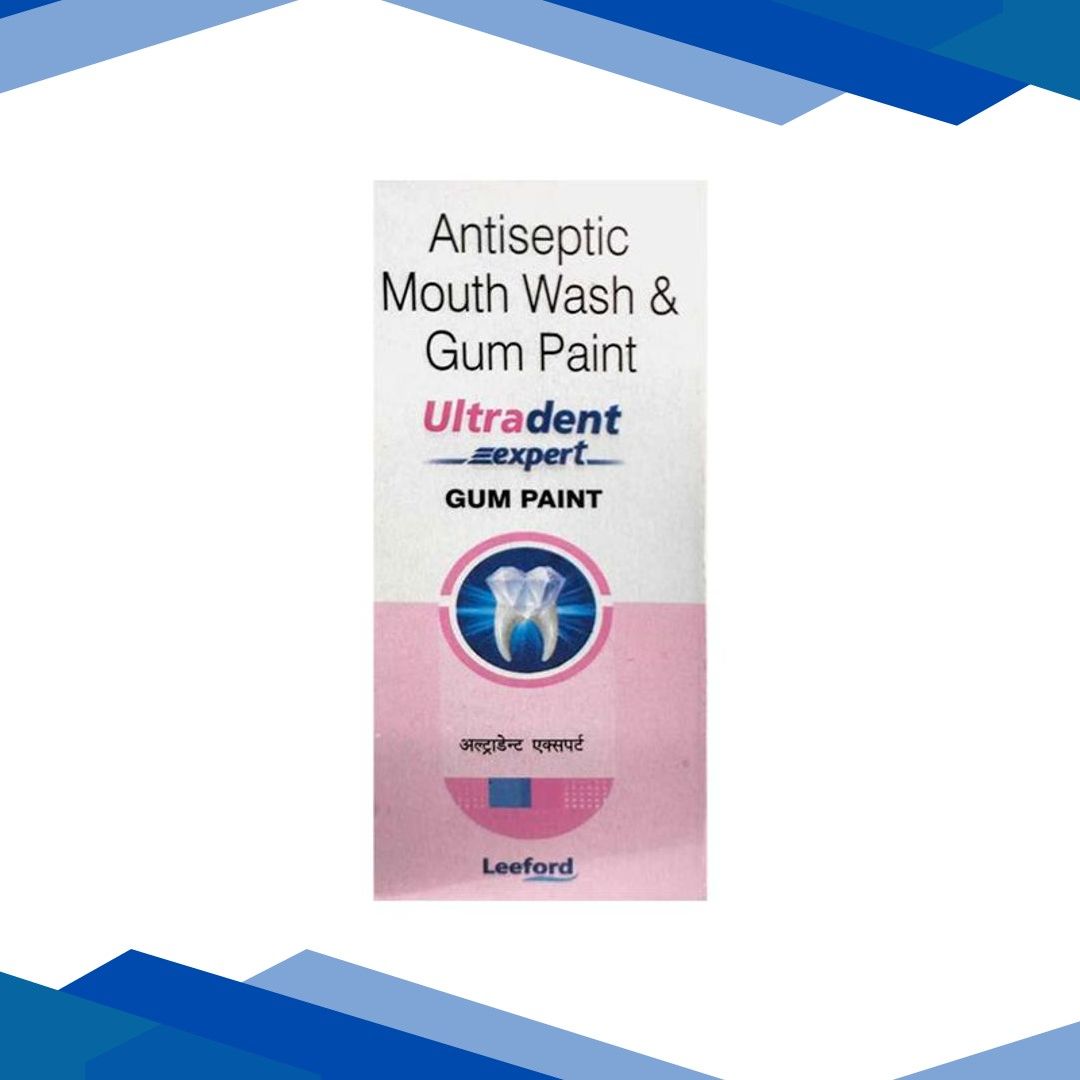
ULTRADENT EXPERT Gum Paint 15ml
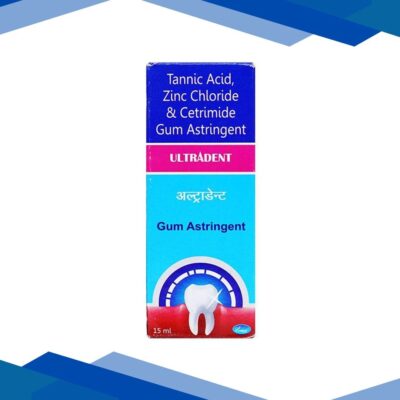
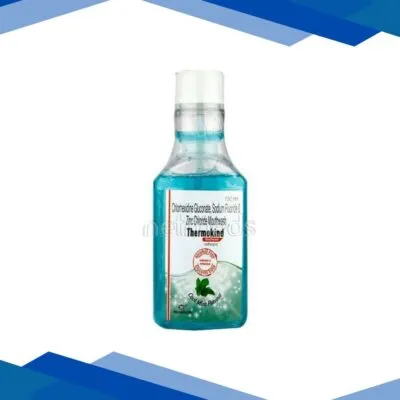
Thermokind Cool Mint Flavour Mouth Wash 150ml
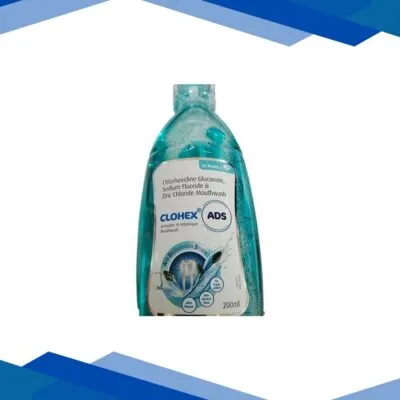
CLOHEX ADS MINT FLAVOUR NO SUGAR ADDED Mouth Wash 200ml
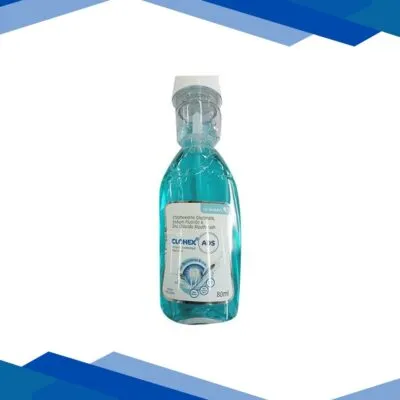
CLOHEX ADS MINT FLAVOUR SUGAR FREE Mouth Wash 80ml
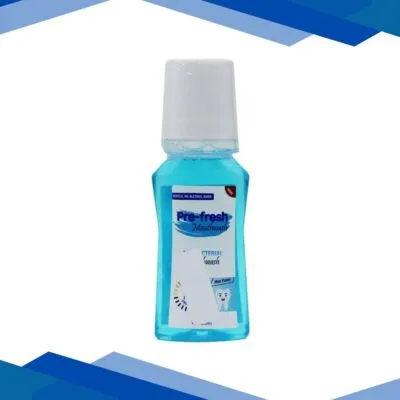
PRE FRESH Mint Flavour Mouth Wash 100ml

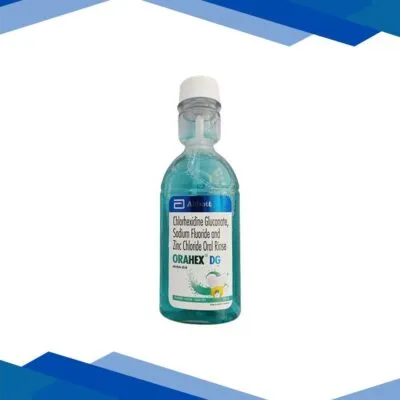
ORAHEX DG SUGAR FREE SPEARMINT FLAVOUR Oral Rinse 150ml
Zinc Chloride (Pharma Grade)
Zinc Chloride is an excellent inorganic compound used in both systemic and topical settings. It serves as an acute source of Zinc, supporting enzymatic activity, wound repair, and immune resistance. Clinically, it is utilized in parenteral nutrition, first-aid solutions, and various dental preparations for its astringent and antimicrobial properties.
Therapeutic Uses
Mineral Supplementation: Used in IV solutions to prevent or treat Zinc deficiency in patients unable to consume a normal diet.
Topical Antiseptic: Effective in minor wound care and medicated lotions for skin ailments.
Oral Care: Commonly used in mouthwashes and dental cements to reduce bacteria and manage dentinal hypersensitivity.
Other Therapeutic Astringent Action: Tissue “shrinking” effect helps control minor bleeding and soothe inflamed mucous membranes.
Key Technical Features
Molecular Formula: $ZnCl_2$
Role: Electrolyte and trace element replacement
Ability: High bioavailability when administered via IV solutions
Astringency: High; promotes protein precipitation on small membranes
Dosage Instructions
Topical Use: Apply an appropriate amount to the affected area using the provided applicator. Avoid large open wounds unless directed by a healthcare professional.
Oral Rinse: Use as advised by a dentist. Typically involves rinsing with a diluted solution for 30–60 seconds. Do not swallow.
IV Administration: Must be administered by a qualified medical professional in a clinical setting.
Critical Safety Information
Nature of the Component: Highly caustic in pure form; always used in controlled, diluted pharmaceutical preparations. Never use industrial-grade material medicinally.
Eye Contact: Rinse immediately with copious water for at least 15 minutes and seek medical attention.
Metal Toxicity: Excess zinc intake may lead to copper deficiency. Long-term use requires medical monitoring.
Side Effects
Mild stinging or burning at the application site
Altered taste sensation (with oral rinse use)
Nausea or gastrointestinal discomfort (if accidentally swallowed)
Frequency of Administration
Frequently Asked Questions (FAQs)
Q: Is Zinc Chloride different from Zinc Gluconate?
A: Yes. Both provide Zinc, but differ in chemical form. Zinc Chloride is mainly used in liquid and topical solutions, while Zinc Gluconate is commonly used in oral tablets.
Q: What is its use in dentistry?
A: Acts as a tooth desensitizer by sealing dentinal tubules and reducing sensitivity. Also serves as an antiseptic for gum health.
Q: Can Zinc Chloride treat acne?
A: It may help reduce inflammation in formulated products, but pure Zinc Chloride should never be applied directly due to risk of skin irritation or burns.
Q: What should I do if I accidentally swallow it?
A: Drink water or milk if a small amount is ingested. Seek emergency medical care for larger ingestion.
Q: Does it help in wound healing?
A: Yes. Zinc supports DNA synthesis and cell division, aiding faster re-epithelialization in minor wounds and burns.
Storage & Handling
Store in a tightly sealed container at room temperature ($15\text{°C}$ to $30\text{°C}$). Being highly hygroscopic, it must be protected from moisture.
Disclaimer
This information is for educational purposes only. Zinc Chloride should be used under the guidance of a qualified medical or dental professional.