
Showing 1–20 of 89 resultsSorted by popularity
Filter












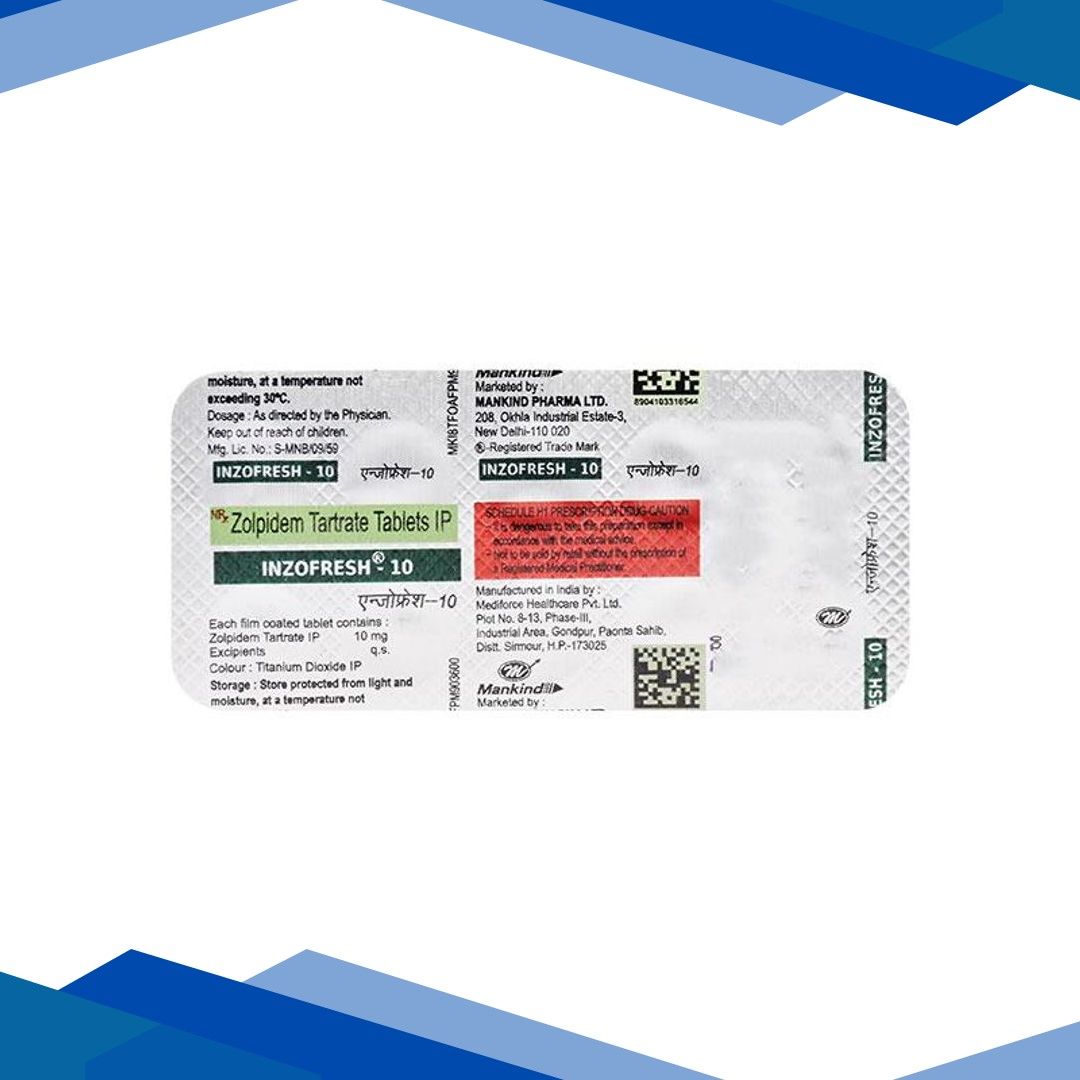
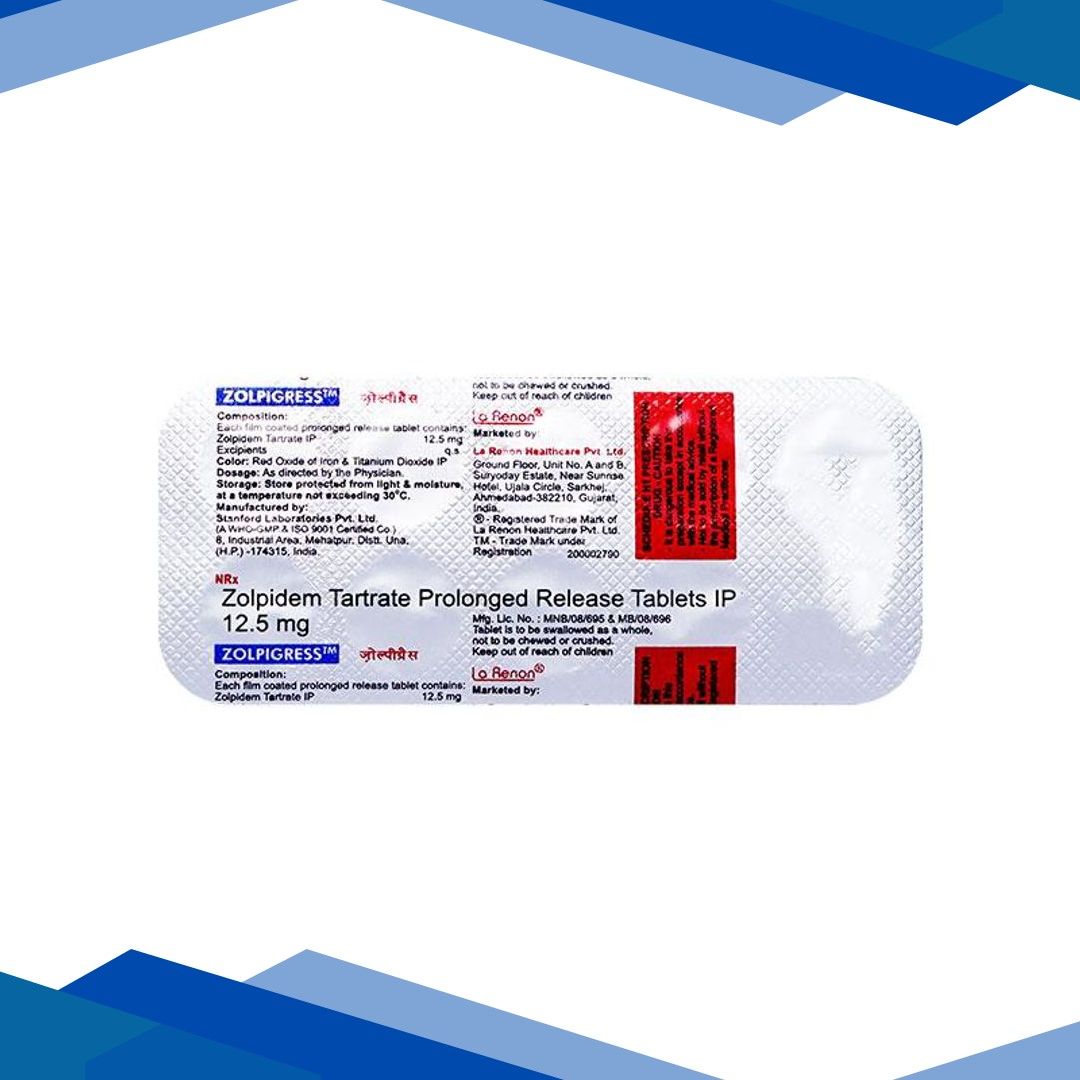

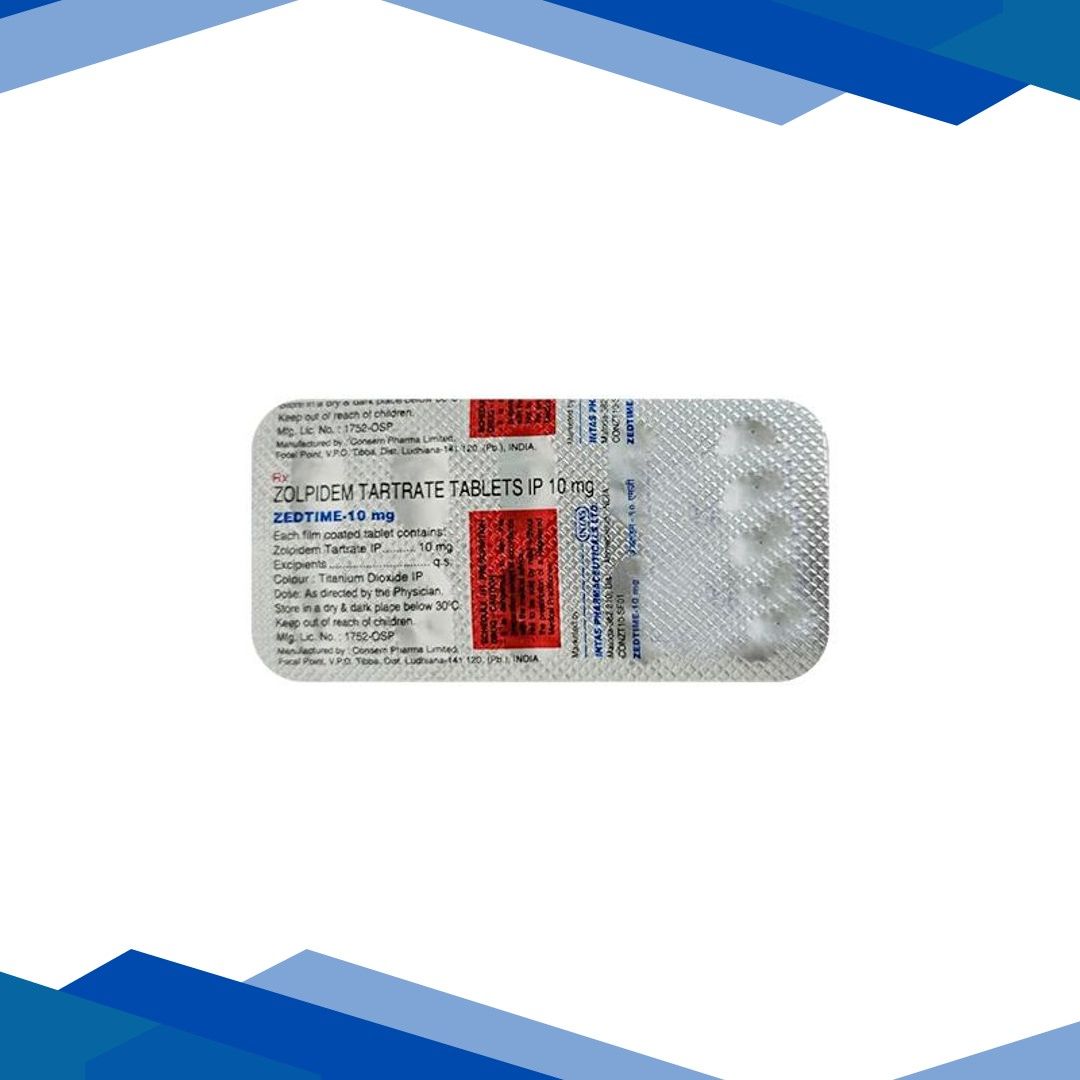

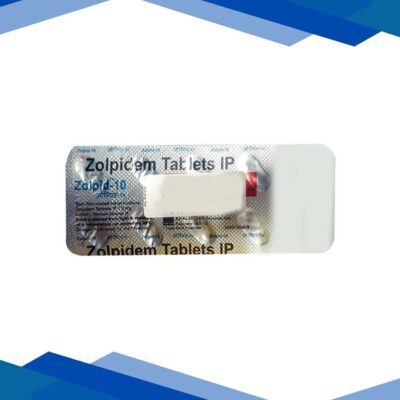
Zolpidem Tablets: Targeted relief for short term insomnia management
Zolpidem is a prescription-only non-benzodiazepine hypnotic medication, it’s specifically meant for short-term treatment of severe insomnia. It’s commonly used to support people who have trouble with sleep onset, so they can drift off faster and keep a calmer, undisturbed night’s sleep. Because the mechanism is pretty targeted, it can help re-establish more normal sleep architecture when lifestyle changes or sleep hygiene alone do not do enough.
HOW it Works
Zolpidem aims at the brain’s sleep related centers with high precision:
GABA-A receptor binding: It binds selectively to the alpha-1 subunit of the gamma-aminobutyric acid (GABA_A) receptor complex in the central nervous system.
Neural sedation: That binding boosts the inhibitory effects of GABA, which is the main calming neurotransmitter in the brain.
Sleep onset speed: It lowers general neuronal excitability, and that rapidly quiets brain activity, giving the body an easier path into deeper sleep.
Primary Clinical Benefits
Helps reduce sleep latency: It can noticeably shorten the time it takes to fall asleep once you’re in bed.
Lowers nighttime awakenings: It helps many people stay asleep, which reduces disruptive mid-night sleep breaking.
Preserves sleep stages: Compared with older sedatives, it tends to disturb REM and slow-wave sleep less, so restorative stages are less affected.
Quick clearance: It has a shorter elimination half-life, which helps limit next-day heavy drowsiness when taken correctly.
Usage & Administration Guidelines
Take right before bed: Since Zolpidem works very fast, take the exact prescribed dose right when you’re getting into bed, or once you’re already in bed. Never take it while doing evening tasks you still need to finish.
Have a full night available: Only take it when you know you can reserve at least 7 to 8 hours for uninterrupted sleep before you must be active again.
Avoid taking with food: For best performance, take the tablet on an empty stomach. If you take it with food, or immediately after a heavy meal, absorption can slow down and the effect may be weaker.
Strictly short term: Usually it is prescribed for a few days up to 2 weeks. Do not continue beyond the time period your physician set.
Frequently Asked Questions (FAQs)
1. How does Zolpidem differ from standard benzodiazepine sleep pills?
Both classes amplify GABA activity, but typical benzodiazepines bind broadly across multiple receptor subunits, which can bring wider sedation, muscle relaxation, and more daytime grogginess. Zolpidem focuses on the specific subunit tied to sedation, so the hypnotic effect can feel cleaner with fewer peripheral physical issues.
2. Can I take an extra dose if I wake up in the middle of the night?
No. Never take a second dose of Zolpidem during the night. If you take more with only a few hours left before your morning alarm, the chance of daytime impairment increases a lot, including severe drowsiness, coordination problems, and unsafe driving risk the next day.
3. What are complex sleep behaviors, and should I be concerned?
Rarely, some people on Zolpidem have done things while not fully awake, for example sleepwalking, preparing food, placing phone calls, or even driving, and later have no memory. The odds rise notably when Zolpidem is combined with alcohol or other central nervous system depressants. If you or a family member notices any unusual sleep actions, stop taking the medication and contact your doctor right away.
4. Will I experience withdrawal symptoms when I stop Zolpidem?
If used only for a short stretch as prescribed, dependency or withdrawal risk is low. Still, if taken at higher doses or for longer durations, stopping suddenly can cause short-lived “rebound insomnia,” where falling asleep is harder for the first 1 or 2 nights. Your doctor can explain how to finish safely.
5. Is it safe to consume alcohol while on this medication?
No. Alcohol should be avoided entirely while taking Zolpidem. Alcohol can intensify the sedative action enough to become dangerous, which may raise the risk of respiratory depression, intense confusion, severe dizziness, and a higher likelihood of complex sleep behaviors.
Safety, Precautions, and Storage
Precautions: Tell your physician if you have a documented history of depression, mental health conditions, substance misuse, chronic respiratory issues such as sleep apnea, or liver problems. Women are often started on a lower dose because drug clearance can be slower naturally.
Storage: Keep tablets at controlled room temperature away from direct sunlight, excess heat, and moisture. Store the medication in its original container or blister strip, and make sure it’s kept secured, out of sight and reach of children, teenagers, and pets.