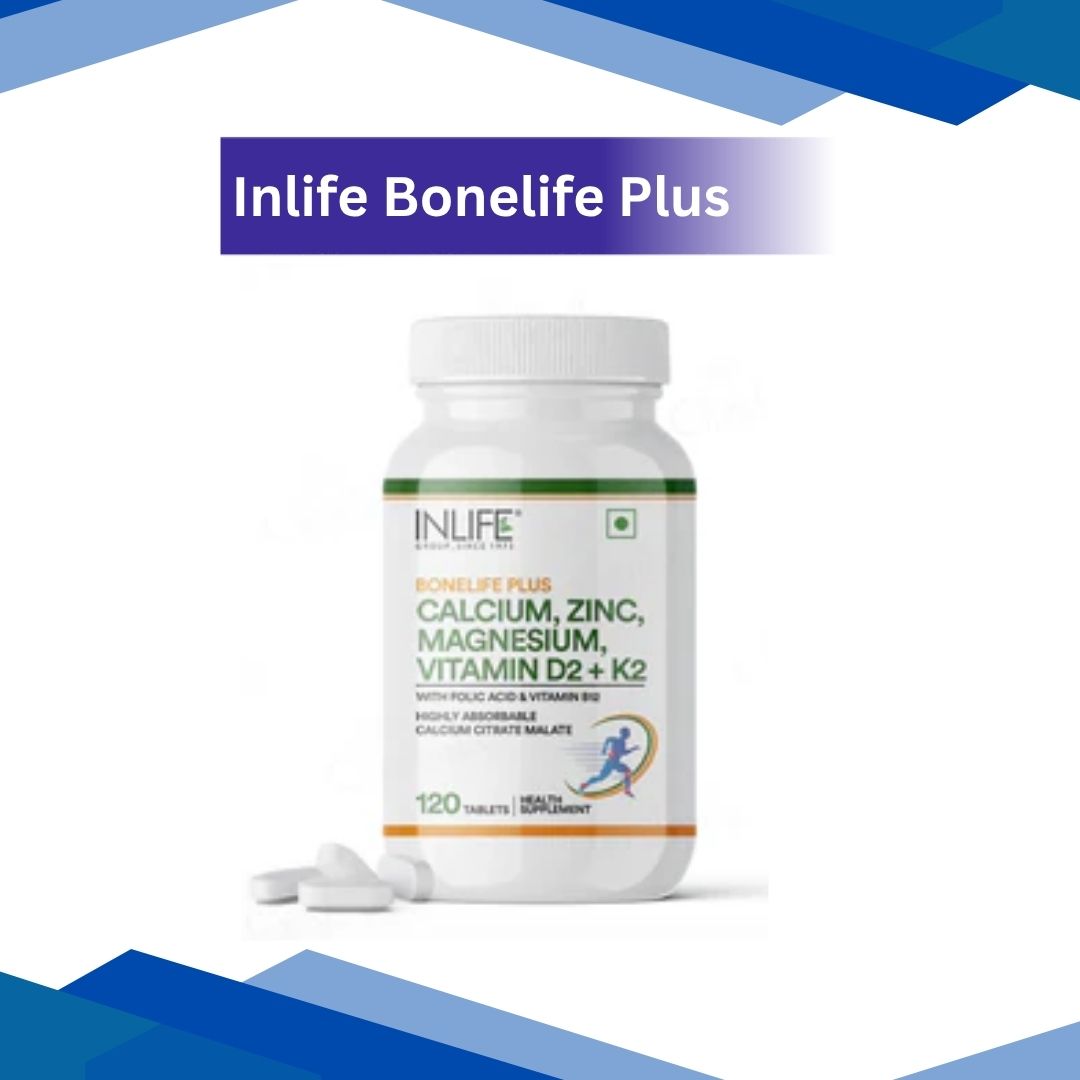
Inlife Bonelife Plus | With Calcium, Zinc Magnesium, Vitamin D2+K2 with Folic Acid for Bone Health | Tablet
Inlife Bonelife Plus Calcium, Zinc Magnesium Vitamin D2+k2 with Folic Acid & Vitamin B12 Tablet is a vegetarian supplement in one easy-to-swallow tablet. This everyday supplement contains anti-inflammatory properties, which are ideal for promoting bone, muscle, and nerve health. Vitamin D assists in calcium absorption and helps maintain a healthy immune system. Zinc helps in metabolism and supports growth. Magnesium supports healthy nerves and muscles. Calcium and Vitamin D are essential nutrients for strong teeth and bones. Regular consumption promotes muscle strength, reduces joint pain, and maintains bone and dental health. For more details kindly click on Medicine Salts Below:
Calcium
Calcium carbonate/calcium citrate tablets are used for the treatment of Calcium Loss. Calcium is a vital mineral that maintains the integrity of the skeleton while regulating the functioning of heart, muscles, and nerves. Because calcium cannot be synthesized by the body, ensuring adequate intake is important to prevent the body's "borrowing" of calcium from bones. Calcium supplements help the body absorb calcium and are crucial to the control of bone density and metabolic health. The Calcium supplement is often combined with Vitamin D3 to improve calcium absorption.
Therapeutic uses of calcium are:
- Bone mineralization: To a greater extent Osteoporosis, Osteomalacia.
- Corrects hypocalcemia and calcium deficiency, and returns blood calcium concentration to normal.
- Antacids: Provide immediate relief from heartburn and acid indigestion; made with calcium carbonate.
- Pregnancy & lactation: These are highly welcomed on top of good food during fetal skeletal formation and breastfeeding.
- Support: This would normally be supplemental to any hypertensive therapy or long-term corticosteroid therapy.
Key Features
High Element Yield: These will offer high amounts (i.e., in comparison to coal) of elemental calcium that are close to the directed allowances ERE (HAI).
Excellent Absorption: Available in forms predisposed to maximum bioavailable conditions, hence considerably enhanced mineral uptake.
Skeletal Strengthening: Diminishes the hiatus risk, fractures, and age-linked bone loss for menopausal women and elderly subjects.
Direction for Use
Dosage: Normally 500–1000 mg daily, or as directed by your personal doctor.
Best Time to Take:
- Calcium Carbonate: Usually taken with food due to stomach acid; adequate stomach acid is essential for efficient calcium absorption.
- Calcium Citrate: Can be taken with or without food, largely favored by people with low stomach acid or intolerance of certain foods.
Multiple Doses: In order to maximize absorption, it is recommended to take a higher dose more than 500 mg divided into intervals (e.g., in the morning and evening).
Who Should Not Take This Product?
Health issues that may hinder patient usage of such supplements include a history of kidney stones, nephropathy, or renal disease; therefore, consultation with a specialist prior to commencement of the supplementation is due.
There are certain possible interactions with substances that may lessen calcium development or reduce absorption by the bowels, such as antibiotics (tetracyclines and fluoroquinolones) and thyroid medications (levothyroxine); these are discussed in more detail below. Allow 2 to 4 hours apart between calcium and the above-listed drugs.
For safety's sake, ensure you drink enough extra water to facilitate smooth mineral uptake in an effort to avoid kidney stones. Over-the-top intake could actually produce biochemical hypercalcemia.
Q&A
Q: Should I take Iron and Calcium supplements together? No. The absorption of Iron and Calcium takes place through the same absorption pathways in the body during supplementation, thereby competing with each other. Q: The best time of day to take Iron is in the morning and later in the evening for Calcium.
Q: Why is Vitamin D with Calcium recommended so often? For calcium to leave the gut and enter the bloodstream, Vitamin D acts as a guardian. Without this important vitamin, the calcium consumed by mouth does not get utilized in the body, regardless of dose.
Q: Does the use of Calcium cause constipation? Some may experience minor constipation or gas from taking these supplements. Increase a good source of fiber in your diet or drink lots of water if you experience this. If that does not help, consult your doctor about moving to Calcium Citrate's milder formulation.
Q: Would milk alone provide me with enough Calcium I need? Milk is an excellent source; however, many adults will still find it tough to meet the daily requirements of Calcium through their diet, particularly if they suffer from lactose intolerance or have some other underlying health condition. Supplements are the most recommended way to tide over the nutritional gap.
Q: How long do I need to take Calcium supplements? Duration of use can depend on other conditions present (like pregnancy, menopause, or a diagnosis of deficiency). Generally, your levels would be checked every 3–6 months, and the therapy would be recommenced.
STORAGE
Please store in a cool, dry place that is far away from moisture and direct sunlight.
Store the container sealed with the least humidity in the tablets.
Disclaimer: The above content should serve for only informational purposes and should be considered replacement or substitute for professional medical advice. Before starting any regimen involving intake of supplements, consult your provider.
Folic Acid
Folic Acid 5mg Tablet
Folic Acid, presenting as Vitamin B9, is a key B-complex vitamin being water-soluble, helping in the synthesis of DNA and the normal maturation of red blood cells (RBCs). The characteristic nature of folic acid lies in its use for the treatment and the prevention of Folate Deficiency Anemia. It is well known globally for its powers to support a healthy pregnancy, among other vital functions. By keeping folate levels good, the medicine stops neural tube defects (NTDs) from forming in developing fetuses and maintains normal neurological health.
Key Therapeutic Uses
Anemia Management: Treats specifically megaloblastic anemia resulting from either poor dietary intake or malabsorption of folate.
Prenatal Support: Essential before pregnancy occurs and during the early stages to protect offspring from having a central nervous system defect (eg, spina bifida).
Methotrexate Adjunct: It is used along with some of the drugs used for arthritis or psoriasis to reduce gastrointestinal and liver side effects.
Cellular Repair- Plays an essential role in rapid cellular division and growth, particularly during childhood and pregnancy.
Product Highlights
High Potency Formula- Containing 5mg active Folic Acid per tablet only.
Rapid Absorption- Designed with good bioavailability for rapid entry into a person's blood.
Physician Endorsed- needed in prenatal care as pat of the extremities of finish carei in the realm of various blood maladies.
Directions for Use
Dosage: Normally, take one 5 mg tablet orally, daily, or as directed after conducting your blood test results in consultation with your physician.
Timing: Take it with or without food. To enhance benefits from consistent levels of the substance throughout the blood, it is suggested to take it within the same restarted interval every day.
Method: Swallow one tablet whole with a full glass of water.
Do not attempt to crush or chew the tablet.
Side Effects and Safety
Folic Acid is generally accepted well, but some individuals may experience some adverse reactions.
Nausea or mild loss of the appetite.
Gastrointestinal distress such as bloating or gas.
Bad taste in the mouth.
Occasionally, an allergic or anaphylactoid reaction like skin rash, itching, or swelling may happen.
Important Note: If you have vitamin B12 deficiency or Pernicious Anemia, take the necessary advice from your healthcare provider before beginning Folic Acid; taking Folic Acid alone sometimes might render a person vitamin B12 deficient, thus highlighting underlying neurologic troubles.
Caution and Drug Interactions
Liver and Kidney: Tell your healthcare provider if you experienced liver issues and if there is any history of kidney dialysis.
Drug Interactions: Some drugs, for example, anti-epileptic medications, antacids, and trimethoprim, can lower the uptake rate by the body of folate. These medications (Folic Acid) must be taken around 2 hours after any of the above drugs.
Alcohol: Heavy alcohol consumption reduces the absorption of folate and weakens the effect.
FAQs
Q: Can you tell me the best time to start taking Folic Acid if I'm planning on becoming pregnant?
Following the recommendations given by medical experts and studies closely, the production of folic acid should be done 1 to 3 months before conception, and at least during the first 12 weeks of pregnancy, which implies maximum safety for the baby's development.
Q: Can Folic Acid and Iron be taken together?
Yes, many doctors prescribe them together for more serious cases of anemia where a prescription of coal tablets is needed. Instead of lessening their efficiency, they generally enhance each other and improve overall blood health.
Q: Does Folic Acid make you gain weight?
No, Folic Acid is a vitamin and does not have a calorific value. It has never been proven in clinical studies that Folic Acid causes weight gain.
Q: Can I simply quit once my hemoglobin turns back to normal?
No, you should follow the course according to the advice and observation of your family physician. Even if your RBC (Red Blood Count) eventually comes back to the normal level, your body still might require re-pleting its folate stores so that you're not left with anemia again.
Q: What should I do if I forget to take the dose?
Missed dose must be taken as soon as it comes to your mind. However, if the next dose is almost due, you should forgo this one. And in no case should a "double" dose be ingested.
Magnesium
Magnesium (Elemental) Tablets / Capsules
Magnesium is an essential dietary mineral which is involved in more than 300 biochemical reactions in the human system. Magnesium is often termed the "Master Mineral" and is crucial in the maintaining of normal muscle and nerve function, supporting a healthy immune system, and regulating the heartbeat. As the body can't produce Magnesium on its own, it is crucial to lead a daily life with proper Magnesium levels through supplementation or diet for bone density and blood glucose regulation.
Therapeutic Claims
Support Muscle & Nervous System: Magnesium acts as a natural calcium-blocker to help relax muscles after contracting, preventing the occurrence of cramps and spasms.
Bone Mineralization: Magnesium works in harmony with calcium and Vitamin D3 to strengthen bone architecture and prevent osteoporosis.
Cardiovascular Health: Magnesium helps in the regulation of blood pressure and supports a healthy heart rate (prevent arrhythmia).
Neurological wellness boosts GABA neurotransmitter formation, which in turn allows more relaxation and better sleep.
Produces energy by being a cofactor in the conversion of food to cellular energy (ATP).
Product Specifications
Forms: Magnesium Glycinate (high absorption), Magnesium Citrate (digestive support), or Magnesium Oxide.
Category: Nutritional Supplement / Mineral.
Perfect For: Those with conditions such as muscle fatigue, chronic stress, or mineral deficiencies.
Usage Instructions
- Dosage: The standard adult dose is generally somewhere between 200 mg and 400 mg per day, depending on age and gender; however, always follow the specific prescription of your healthcare provider.
- Timing: Sleep support dose should be taken 30–60 minutes before sleep. General health dose can be taken with a meal to enhance absorption and reduce stomach upset.
- Frequency: The supplement should always be administered at the same time every single day. This then helps ensure the blood does have a stable mineral level.
Magnesium Side Effects
Magnesium is quite tolerable at proper daily doses. However, some users might face:
- Loose stools or mild diarrhea – this is common with Citrate.
- Stomach cramps or bloating.
- Nausea.
Note: Excessive exposure to an exogenous source of magnesium, including overdose from magnesium supplements, can apparently also result in toxicity. Signs and symptoms include: low blood pressure, confusion, and an irregular heartbeat. Do not exceed the suggested dose.
Precautions and Warnings
Kidney Health: Patients with compromised renal function should exercise caution. The kidneys become responsible for excreting excess magnesium.
Drug Interactions: Magnesium affects the absorption of some antibiotics (quinolones and tetracyclines) and bisphosphonates. Take magnesium and such drugs two hours apart.
Diabetes: Magnesium is excellent in terms of sugar metabolism. However, those on insulin should at the same time be carefully monitoring their levels upon commencing magnesium intake.
If you truly must know, it is due to the cheap and industrially sourced forms of magnesium like magnesium oxide and commercial magnesium citrate. Predictably, they are not absorbed by the intestines and send a "flush" through the body.
Certain varieties of magnesium are "osmotic," pulling in water into the intestines hence softening the stool and hastening bowel movements. If this happens, making the shift to a chelated form like Magnesium Glycinate solves the trouble nine times out of ten.
Q: Can magnesium help with migraines?
Clinical trials suggest that daily magnesium intake can decrease the number and severity of migraines, particularly in individuals with magnesium deficiency.
Q: How soon can I notice the results?
And as far as muscle cramps and sleep are concerned, I suppose you might notice something in a week. As for overall bone health or long-term metabolic benefits, regular use of 3 to 6 months is typically necessary.
Storage
Must be kept in a cool, dry place away from direct sunshine. The container must remain tightly close over the tablets to protect them from humidity.
Disclaimer: The published content is for informational purposes only. It is not a substitute for professional medical advice, diagnosis or treatment. Always ask your physician for information.
Vitamin B12
Vitamin B12 (Cobalamin): Essential to nerve fiber and energy
Vitamin B12, also known as cobalamin, is a water-soluble nutrient critical to the normal daily activity of the body. Unlike other vitamins, humans are unable to produce it on their own, so they can only supply the B12 via their dietary intake or high-quality supplements. It is thus the primary factor that keeps your metabolism running—and working well at that—and ensures the optimum health of your blood cells and neurological system.
Why Does Your Body Need Vitamin B12?
Red Blood Cell Formation: It is important in producing sound red blood cells. A deficiency can result in megaloblastic anemia, where the cells are too large to perform their function.
Neurological Support: Vitamin B12 plays a part in maintaining the protective sheath of the nerves called myelin, thus ensuring rapid transmission of information between the brain and the peripheral body.
DNA Synthesis: It directly contributes to making up the genetic material present in every single cell of the body.
Additionally, it helps to reduce fatigue and anaemia by converting carbohydrates into glucose.
Common Deficiency Symptoms
There are some features, particularly among plant-based diets or individuals older in age, which suggest a relatively lower level of B12.
Intense form of fatigue and muscle weakness can hold on.
Pins-and-needles tingling sensations prevalent in hands and feet.
Hazy memory or inability to concentrate.
Pale skin or a slight yellow tinge to the whites of the eyes.
The tongue can become red and sore (glossitis).
Administration and Dosage
Vitamin B12 supplements come in various types: the active form, called Methylcobalamin, and the other, called Cyanocobalamin.
Administration: Most oral drugs are consumed once daily and are best taken with or after a meal to enhance absorption.
Protection: Store in a cool, dry place that is not exposed to sunlight. The container should be sealed tightly.
Frequently Asked Questions
1. Who is at the greatest risk for a B12 deficiency?
Vegetarians and vegans often have an increased risk because B12 is naturally found mainly in animal sources such as dairy, meat, and eggs. Also, the ageing populace and those with some gut diseases, such as Celiac disease, may not be able to absorb enough vitamin B12 from food.
2. Can I take Vitamin B12 every day?
Yes, most adults can take a daily B12 supplement as any excess will be excreted from the body through urine. Always consult a healthcare provider to help determine the specific dose that you need based on your personal levels.
3. What is the difference between Methylcobalamin and Cyanocobalamin?
Methylcobalamin is the naturally occurring, "active" version of the vitamin that the body holds onto better. Cyanocobalamin is a synthetic form that must be converted through the body for it to be employed.
4. Are there any side effects?
Vitamin B12 is usually considered safe and non-toxic even at higher doses. Very high doses might cause some level of diarrhea or body itching and some sensation of swelling in the body. In case of allergic reaction, immediate medical attendance should be sought.
5. How long does it take to see results from B12 supplements?
In the case where it is a case of correcting deficiency, one can expect improvements in energy on day 1, although the neurological improvements take time and will be seen in weeks to months with consistent use.
Notice: The information given is only intended for educational purposes and is not to be replaced with personal medical advice, diagnosis, or treatment. Always consult your health care professional for any questions related to a medical issue.
ZINC
Zinc (Elemental Zinc/Zinc Salts)
Zinc is an essential trace mineral vital for the activity of more than 300 enzymes in the human body. It plays a fundamental role in immune function, protein synthesis, wound healing, and DNA synthesis. With no specialized zinc storage system, a daily intake is necessary to maintain homeostasis. Zinc is mostly applied clinically to treat nutritional deficiencies, assist in pediatrics' growth and manage acute diarrhea.
Therapeutic Uses
Immune System Support: Acts as a gatekeeper of immune function, helping the body resist infections and reducing the duration of the common cold.
Diarrhea Management: WHO recommends zinc to reduce the severity and duration of diarrhea, particularly in children.
Skin Health & Repair: Essential for maintaining skin integrity; often used to treat acne, eczema-like rashes, and slow-healing wounds.
Sensory Function: Crucial for the maintenance of the senses of taste and smell.
Growth & Development: Synergists during growth & development, from pregnancy to childhood, & adolescence.
Key Features
Several Salt Forms: This nutritional mineral comes in Zinc Sulfate, Zinc Gluconate, and Zinc Acetate; the latter two should be preferred probably for easy GI tolerance as and when needed.
High Bioavailability: High bioavailability makes it rapidly absorbed from the small intestine.
Essential Micronutrient: Iron serves as an 'essential' mineral because it can't be made in the body.
Instructions for Use
Dosage: Per prescription from health care providers or on causal bases, one to two tablets is the recommended dose to make up the RDA of, say, 8mg for women and 11mg for men.
Timetime: One hour before or two hours after meal for maximal absorption.
Questionable Stomach? Nausea from zinc is through- add some food and this might reduce absorption a tad.
Avoid Interference: Do not take zinc with iron or calcium supplements, as these minerals compete for absorption.
Possible Side Effects
At recommended doses, side effects with Zinc are uncommon. Nonetheless, a few users may encounter the following difficulties:
GI Disturbances: Zinc Sulfate causes common nausea, vomiting, and stomach pains.
Metallic Taste: A lingering taste in the mouth will occur.
Copper Deficiency: Excessive zinc intake, longer than 40 mg/day, can be an obstruction to copper absorption, leading to anemia.
Cautions and Restriction
Drug Interactions: Zinc may interfere with the absorption of certain antibiotics (eg. Quinolones and Tetracyclines). So if you are on these medications, take them at least 2 hours before or 4–6 hours after taking Zinc.
Renal Health: Be cautious if you have kidney deficiencies, as minerals can build up.
Pregnancy & Lactation: Zinc needs are higher during these periods and supplementation should be by prescription only.
Avoid taking antacids two hours before/after your zinc dose since they may actually reduce its effectiveness.
Frequently Asked Questions (FAQs)
Q: Which is the best form of Zinc, sulfate, gluconate, or acetate?
All forms are equally good carriers of elemental zinc. Zinc sulfate tablets offer more zinc for the money and is commonly found, but zinc gluconate or acetate forms are most often desired in syrups and lozenges as they are less bitter and milder on the stomach.
Q: Can Zinc delete a common cold faster?
Yes, clinical studies show that taking Zinc lozenges or syrup less than 24 hours after the initial phase of a common cold can significantly reduce the duration and severity of a cold.
Q: How can I tell if I have Zinc deficiency?
Common signs include frequent infections, thinning of the hair, decreased appetite, changes in taste or smell, and wounds that are slow to heal among other few. If you are experiencing these symptoms, it is suggested to check with your clinician for a blood test.
Q: Can I take Zinc and Iron together?
That's correct. A large intake of iron (25mg or more) will seriously inhibit zinc absorption. It is best we supplement each with enough hours separation (e.g. morning and evening).
Q: Will it be safe to consume 50mg of zinc every day?
The "Tolerable Upper Intake Level" figure for adult consumption stands at 40 mg/mg per day. In any case, taking 50 mg/day or more on one's own overtime without any doctor's supervision will result in a copper deficiency and weakened immunity.
Storage
Store in the same fashion others are stored: dry places away from direct sunlight with the container tightly closed to prevent moisture from getting in.
Disclaimer: INFO THIS ARTICLE OFFERS IS PRESENTED IN AN INFORMATIVE WAY. IT IS NOT SUBSTITUTING FOR PROFESSIONAL MEDICAL ADVICE OR DIAGNOSIS. ALWAYS CONSULT YOUR DOCTOR BEFORE TAKING ANY NEW MINERAL SUPPLEMENT.
At Gem Pharmacy, we make every effort to provide accurate, expert-written, and thoroughly reviewed information related to medicines. However, this information should not be considered a substitute for professional medical advice, diagnosis, or treatment from a qualified doctor.
The purpose of this information is to educate users and improve communication between patients and healthcare professionals. It should not be used to diagnose or treat any condition.
Always consult a certified healthcare professional before taking any medication.


Related products