Duloxetine
DULOXETINE
Overview:
Duloxetine is a medicine that helps you feel better emotionally and physically. It’s commonly used to help people who are living with depression, anxiety, or long-term pain such as nerve pain, backaches, or fibromyalgia. It helps by gently restoring balance to the brain chemicals that influence mood and the way the body senses pain.
Classification:Serotonin–norepinephrine reuptake inhibitor (SNRI)
Uses:
Duloxetine is a medication that helps people manage emotional conditions like depression and anxiety, along with lingering pain. It’s often given to help with pain caused by nerve damage from diabetes, muscle pain from fibromyalgia, or day-to-day back and joint discomfort.It helps lift your mood and ease the pain, so you feel more in control and more comfortable.
How it works:
Duloxetine helps your brain find a better balance, both emotionally and physically. It boosts the levels of two natural chemicals—serotonin and norepinephrine—that affect your mood and how your body feels pain. When these chemicals are low, you might feel low, worried, or more bothered by physical pain.. By gently raising those levels, Duloxetine can help you feel more emotionally steady and take the edge off everyday pain, making things a bit easier to manage.
Dosage: As prescribed by your doctor.
Side Effects:
Dry mouth
Feeling tired or sleepy
Constipation
Dizziness
Sweating more than usual
Precautions:It is necessary to inform your doctor whether you have any liver or kidney issues, any seizures history, pregnancy or you are breastfeeding before taking Duloxetine. You should also state whether you have ever experienced mood disorders and thought of harming yourself. When taking this medicine, do not take much alcohol and when moving up hurriedly you may feel unbalanced or dizzy. As Duloxetine may have an influence on your mood, you should keep in contact with your physician and inform him/her about the unusual feelings and behaviors.
Disclaimer: This content is for informational purposes only. Always consult a healthcare provider for medical advice and proper dosage.
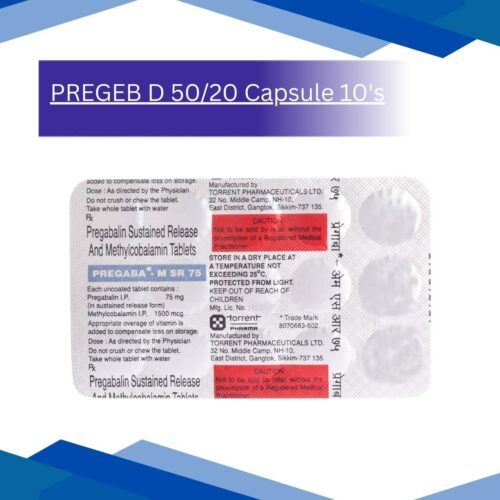
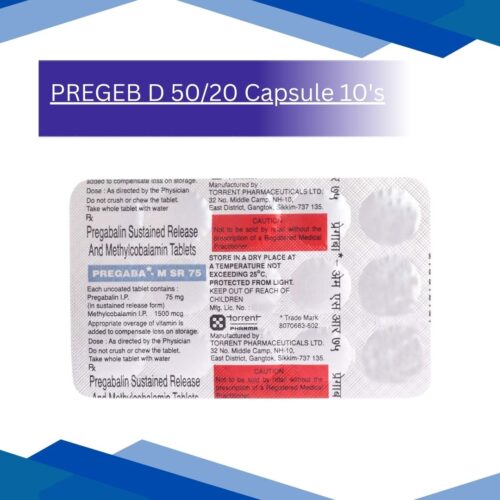
Pregabalin
PREGABALIN
Overview:
Pregabalin is a medicine used to relieve nerve-related pain, prevent seizures, and manage anxiety. It works by calming overactive nerves in the brain and spinal cord, which helps reduce pain, tingling, or abnormal nerve signals. People use it to treat nerve pain from diabetes, lingering pain after shingles, fibromyalgia, or epilepsy.
Classification: Anticonvulsant
Uses:
Pregabalin is mainly used to relieve nerve-related pain, control seizures, and manage anxiety. It can help with nerve pain caused by diabetes, post-shingles pain, fibromyalgia, or other nerve disorders, making daily life more comfortable. It’s also used as part of epilepsy treatment to help prevent seizures.
How it works:
Pregabalin can relieve nerve pain by calming those nerves that are overactive in the brain and the spinal cord. It attaches to specific calcium channels on nerve cells thereby lowering transmission of chemical substances that carry the pain signal or induce a seizure. In this manner, Pregabalin decreases nerve pain, tingling of the nerve, and abnormal nerve activity making people more comfortable and in control of their symptoms.
Dosage: As prescribed by your doctor.
Side Effects:
- Drowsiness or sleepiness
- Dizziness or lightheadedness
- Weight gain or mild swelling (edema)
- Dry mouth
- Blurred vision
Precautions:
Before taking Pregabalin, it’s important to tell your doctor if you have any kidney problems, heart issues, or a history of mood disorders. Avoid driving or operating heavy machinery until you know how the medicine affects you, because it can cause drowsiness or dizziness. Take it exactly as prescribed and do not stop suddenly, as this can trigger seizures. Also tell your doctor about any other medicines or supplements you use to prevent interactions.
Disclaimer:This content is for informational purposes only. Always consult a healthcare provider for medical advice and proper dosage.