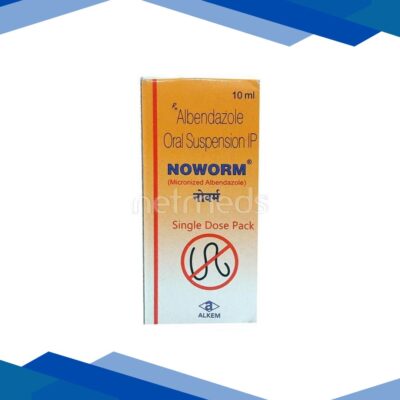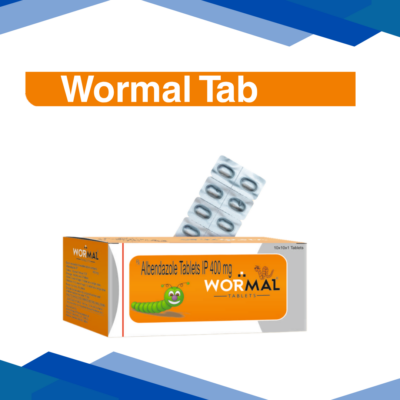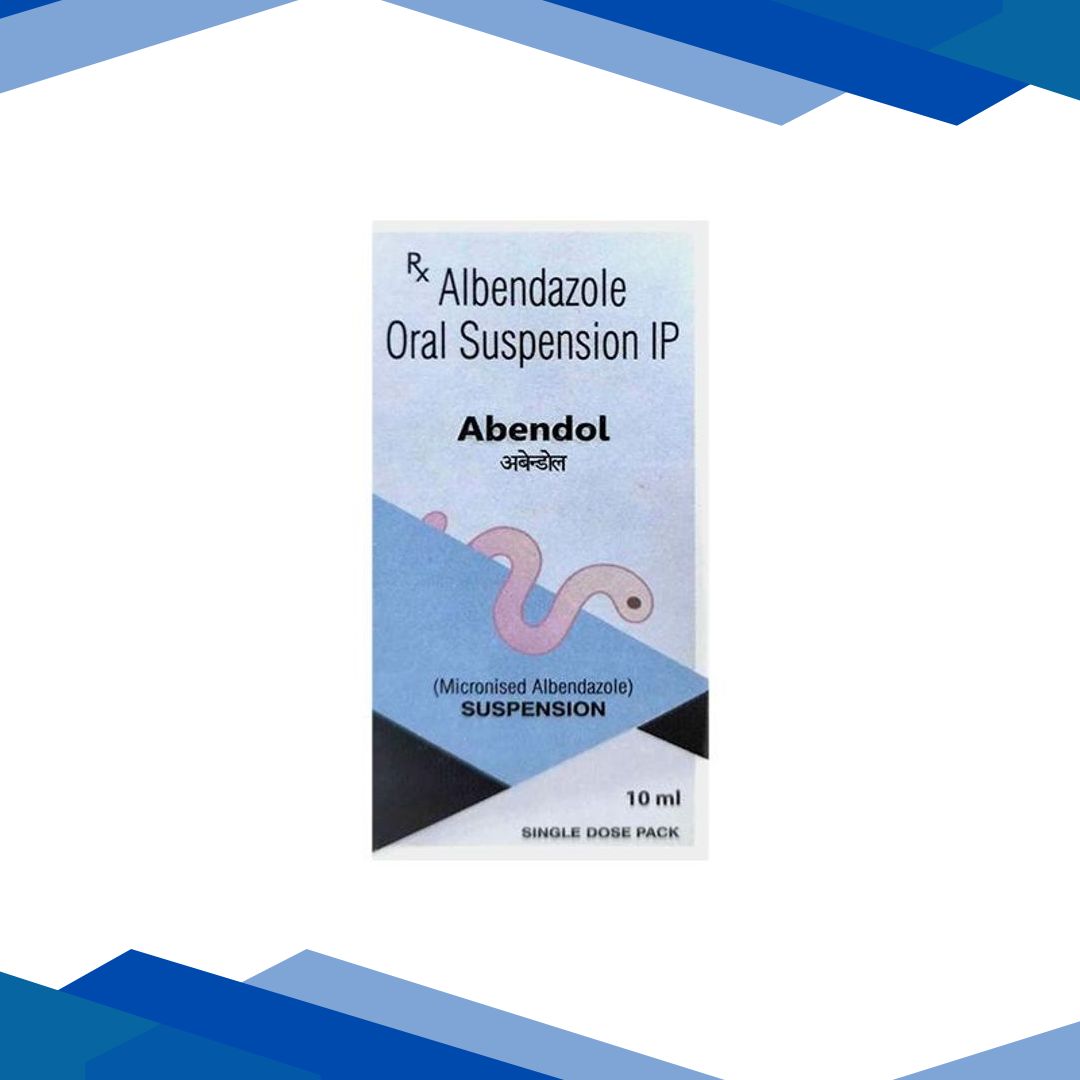
ABENDOL Suspension 10ml
ABENDOL Suspension is an antiparasitic medicine used to treat certain worm infections in the body. It works by stopping the worms from absorbing sugar, which they need to survive, causing them to lose energy and die. This helps the body clear the infection naturally. ABENDOL Suspension is commonly used for intestinal parasites such as roundworms, hookworms, whipworms, pinworms, and some tapeworm infections. In some cases, it is also used for other parasitic diseases affecting body tissues, under medical supervision. The medicine is generally effective when used for the right infection, but the exact treatment depends on the type of parasite and the patient? condition. A healthcare professional should decide when ABENDOL Suspension is appropriate and monitor its use when needed.
Description
ABENDOL Suspension is a broad-spectrum antiparasitic medicine used to treat many infections caused by parasitic worms and certain tissue-dwelling parasites. it belongs to a class of medicines called benzimidazoles, which are designed to interfere with the survival of parasites rather than bacteria or viruses. in simple terms, ABENDOL Suspension weakens the parasite? ability to absorb nutrients and maintain its structure, which eventually leads to its death. because of this mechanism, it is commonly used when the body is affected by worms in the intestines or by more serious parasitic infections in other organs, depending on medical evaluation.
this medicine is especially valuable because many parasitic infections can cause long-lasting symptoms if not treated properly, such as abdominal discomfort, poor appetite, weight loss, anemia, fatigue, itching, or complications in the liver, lungs, or nervous system. ABENDOL Suspension is effective against a range of intestinal parasites and certain larval tissue infections, but it is not meant for every type of parasite. the choice to use it depends on the specific organism involved, the location of the infection, and the overall health of the patient. a healthcare professional may also recommend tests before or during treatment to confirm the diagnosis and monitor safety.
ABENDOL Suspension works by blocking the parasite? ability to form microtubules, which are essential internal structures needed for movement, nutrient absorption, and cell division. when these structures are disrupted, the parasite becomes unable to survive and reproduce. this targeted action makes ABENDOL Suspension an important anti-worm treatment in clinical practice. it is often used in both adults and children, but the exact suitability depends on age, body size, infection type, and medical history. because parasitic diseases can vary widely, proper diagnosis and guidance from a qualified clinician are essential for safe and effective use.
ingredients
- ABENDOL Suspension: the active ingredient responsible for killing or suppressing susceptible parasites. it acts against several worms and larval parasitic infections by impairing the parasite? internal structural functions and nutrient uptake. its therapeutic benefit is the elimination of the infection and reduction of symptoms caused by the parasite burden.
- inactive ingredients: depending on the formulation, ABENDOL Suspension tablets or oral suspensions may contain excipients such as binders, fillers, sweeteners, flavoring agents, and stabilizers. these components do not treat the infection directly, but they help form the dosage form, improve taste, support stability, and make administration easier, especially in liquid preparations for children.
- coating or suspension base: some products use film coatings or liquid bases to improve swallowing, protect the medicine from degradation, or enhance palatability. these components vary by manufacturer and do not change the core antiparasitic effect of ABENDOL Suspension.
key uses
- intestinal worm infections: ABENDOL Suspension is commonly used for infections caused by susceptible intestinal helminths. it helps reduce worm load, relieve digestive symptoms, and prevent complications such as malnutrition or anemia when parasites interfere with nutrient absorption.
- pinworm, roundworm, hookworm, and whipworm infections: these common intestinal parasites can cause abdominal pain, itching, nausea, and tiredness. ABENDOL Suspension helps eliminate the worms and may be part of broader hygiene measures to reduce reinfection.
- tapeworm-related infections: in some medically confirmed cases, ABENDOL Suspension is used to treat tissue or intestinal infections caused by certain tapeworms. treatment choice depends on the exact species and whether the parasite has formed cysts or larvae in organs.
- hydatid disease (echinococcosis): ABENDOL Suspension may be used for infections involving cysts in organs such as the liver or lungs caused by parasite larvae. this use often requires prolonged medical supervision and sometimes surgery or additional procedures.
- neurocysticercosis: in selected cases, ABENDOL Suspension is used to treat cysts caused by parasite larvae in the brain. this is a serious condition that typically requires specialist care, imaging, and monitoring for inflammation or seizure risk.
- other susceptible parasitic infections: depending on regional medical practice and the parasite identified, ABENDOL Suspension may be used for additional worm infections when supported by clinical evidence and expert judgment.
how to use
ABENDOL Suspension should be used exactly as directed by a healthcare professional because the right approach depends on the type of parasite, the severity of infection, and the patient? age and medical condition. it is commonly taken by mouth, and in many cases it is better absorbed when taken with food, particularly a meal containing some fat. this can improve the amount of medicine entering the bloodstream, which may be especially important when treating infections outside the intestines. for some intestinal worm infections, treatment may be short, while more complex tissue infections may require longer, medically supervised courses.
the tablet may be swallowed whole, chewed, or crushed depending on the product instructions and individual needs. if a liquid formulation is used, it should be measured carefully using an appropriate measuring device rather than a household spoon. because parasitic infections can vary, the timing, duration, and follow-up plan are not the same for every patient. some infections also require treatment of household contacts, repeat testing, stool examination, or hygiene measures to prevent reinfection. if symptoms do not improve or if they return after treatment, medical reassessment is important.
do not self-treat repeatedly without confirming the cause of symptoms. abdominal discomfort, itching, or changes in bowel habits can have many causes, and not all are due to worms. also, in certain infections, killing the parasite may trigger temporary inflammation as the body reacts to dying organisms. this is one reason ABENDOL Suspension should be used thoughtfully, especially in infections involving the brain, eyes, or internal organs. always follow the instructions of a qualified clinician or pharmacist for the safest use.
safety information
- warnings: ABENDOL Suspension should be used cautiously in people with liver disease, low blood counts, or a history of abnormal liver tests, because the medicine can sometimes affect the liver and bone marrow. prolonged use may require blood tests to monitor liver function and blood cell counts. in infections involving organs or the nervous system, treatment can cause inflammation as parasites die, which may worsen symptoms temporarily and may need additional medical management.
- side effects: common side effects may include nausea, vomiting, stomach pain, diarrhea, headache, dizziness, or temporary hair thinning with longer courses. less common but more serious side effects can include elevated liver enzymes, jaundice, severe skin reactions, low white blood cell counts, unusual bruising or bleeding, persistent fever, marked weakness, or signs of allergic reaction such as rash, swelling, or difficulty breathing. seek medical help promptly if serious symptoms occur.
- precautions: use extra caution if you have liver problems, a history of bone marrow suppression, or if you are receiving long-term therapy. people with eye involvement, brain cysts, or severe parasitic disease should only use ABENDOL Suspension under specialist supervision. children, older adults, and patients with poor nutritional status may also require closer monitoring. do not use it for an undiagnosed illness without professional evaluation.
- pregnancy/breastfeeding: ABENDOL Suspension is generally avoided during pregnancy unless a clinician determines that the potential benefit outweighs the risk. because parasitic treatment decisions during pregnancy depend on infection type and timing, medical advice is essential. during breastfeeding, safety depends on the clinical situation and formulation; a healthcare professional should be consulted before use to determine whether temporary interruption or another approach is needed.
- interactions: ABENDOL Suspension may interact with medicines that affect liver enzymes or bone marrow function, and its levels may be influenced by other drugs. some interactions may increase the risk of side effects or alter effectiveness. alcohol may place additional stress on the liver, so limiting or avoiding alcohol is often prudent, especially during prolonged treatment. always inform the prescriber about all prescription medicines, over-the-counter products, and herbal supplements being used.
additional information
- storage: store ABENDOL Suspension in a cool, dry place away from excessive heat, moisture, and direct sunlight. keep it in the original container and out of reach of children. do not use medicine that has changed color, odor, or appearance unless a pharmacist confirms it is safe.
- missed dose: if a dose is missed, it should generally be taken as soon as remembered unless it is almost time for the next scheduled dose. in that case, skip the missed dose and continue the regular schedule. do not take extra medicine to make up for a missed dose unless a healthcare professional specifically advises it.
- overdose: taking too much ABENDOL Suspension may increase the chance of nausea, vomiting, abdominal pain, dizziness, or more serious effects such as liver irritation or blood count abnormalities. if an overdose is suspected, contact emergency services, poison control, or a healthcare professional right away. bring the medicine package with you if possible to help identify the product and amount taken.
- habit forming: no. ABENDOL Suspension is not habit-forming and does not cause dependence. it is used to treat infections and is typically taken for a limited period under medical guidance.
frequently asked questions
Q: what is ABENDOL Suspension used for?
A: ABENDOL Suspension is used to treat certain parasitic worm infections, including some intestinal worms and specific tissue infections such as hydatid disease and neurocysticercosis, depending on medical diagnosis.
Q: how does ABENDOL Suspension work?
A: it works by disrupting the parasite? internal microtubule structure, which prevents it from absorbing nutrients and surviving. this leads to the parasite? death over time.
Q: should ABENDOL Suspension be taken with food?
A: in many cases, taking ABENDOL Suspension with food improves absorption, especially for infections outside the intestines. follow the exact instructions given by your healthcare professional or the product label.
Q: can ABENDOL Suspension be used in children?
A: yes, it is commonly used in children for certain parasite infections, but the choice of treatment, formulation, and monitoring should be guided by a healthcare professional.
Q: what are the common side effects of ABENDOL Suspension?
A: common side effects may include nausea, stomach discomfort, diarrhea, headache, and dizziness. more serious effects are less common but can include liver problems or low blood counts.
Q: can ABENDOL Suspension cause liver problems?
A: yes, it can sometimes affect liver function, especially with longer treatment courses. that is why monitoring may be recommended in some patients.
Q: is ABENDOL Suspension safe during pregnancy?
A: it is generally avoided during pregnancy unless a clinician believes the benefits outweigh the risks. a healthcare professional should always be consulted before use.
Q: can i drink alcohol while taking ABENDOL Suspension?
A: alcohol may increase stress on the liver, so it is best to avoid or limit alcohol during treatment, especially if the course is prolonged or if you have liver concerns.
Q: what should i do if i miss a dose?
A: take it when you remember unless it is close to the next dose. do not double the dose unless advised by a healthcare professional.
Q: does ABENDOL Suspension treat all types of worms?
A: no. it works against many, but not all, parasites. the correct diagnosis is important so the most appropriate medicine can be chosen.
Q: can i take ABENDOL Suspension without a doctor?
A: it is better not to self-diagnose or self-treat repeatedly. a doctor can confirm the parasite type and decide whether ABENDOL Suspension is the right medicine.
Q: how soon does ABENDOL Suspension work?
A: the medicine begins acting after it is absorbed, but symptom improvement and parasite clearance can take time and may vary by infection type. follow-up may be needed.
Q: do i need repeat treatment?
A: sometimes repeat treatment is needed, especially for certain intestinal worms or if reinfection is likely. this should only be decided by a healthcare professional.
Q: can ABENDOL Suspension be used with other medicines?
A: sometimes yes, but interactions are possible. always tell your clinician or pharmacist about all medicines and supplements you take before starting treatment.
this information is for educational purposes only and should not be considered medical advice. always consult a qualified healthcare professional before use.
At Gem Pharmacy, we make every effort to provide accurate, expert-written, and thoroughly reviewed information related to medicines. However, this information should not be considered a substitute for professional medical advice, diagnosis, or treatment from a qualified doctor.
The purpose of this information is to educate users and improve communication between patients and healthcare professionals. It should not be used to diagnose or treat any condition.
Always consult a certified healthcare professional before taking any medication.


Related products
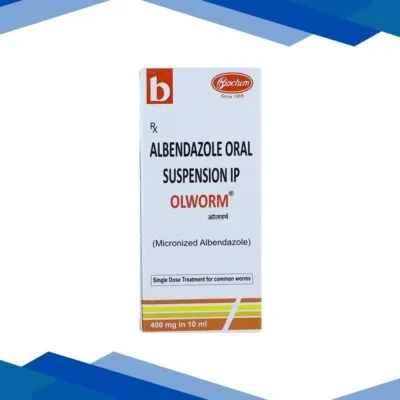
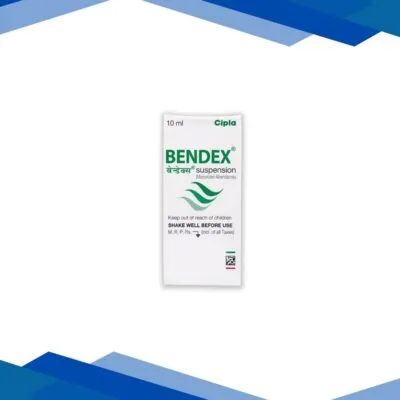
Bendex Cherry with Peppermint Flavour Suspension 10ml