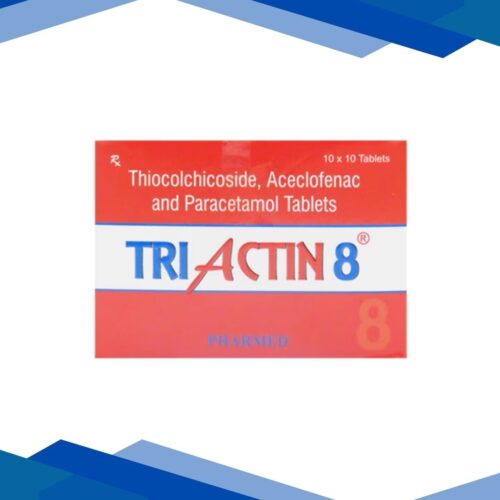
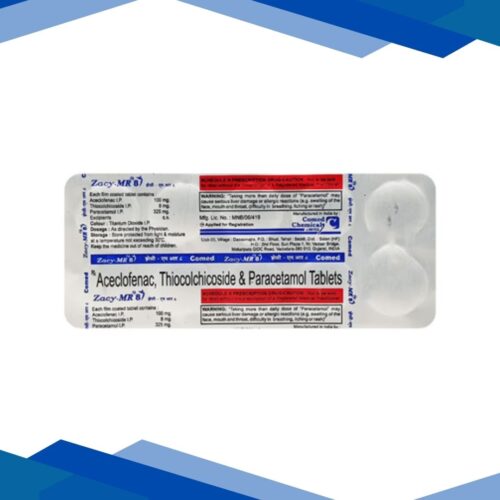
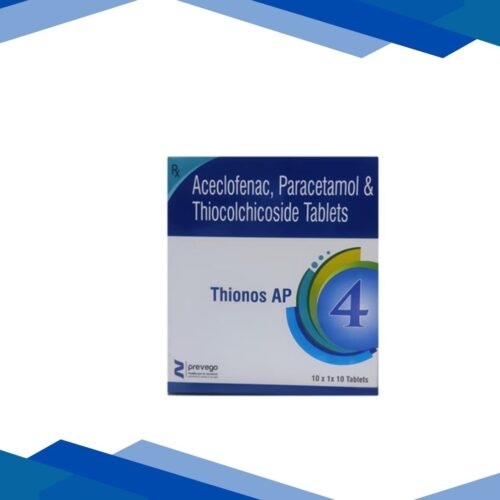
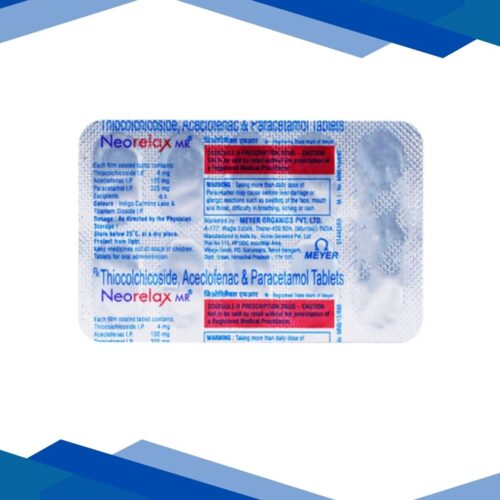
Aceclofenac
Aceclofenac
Overview:
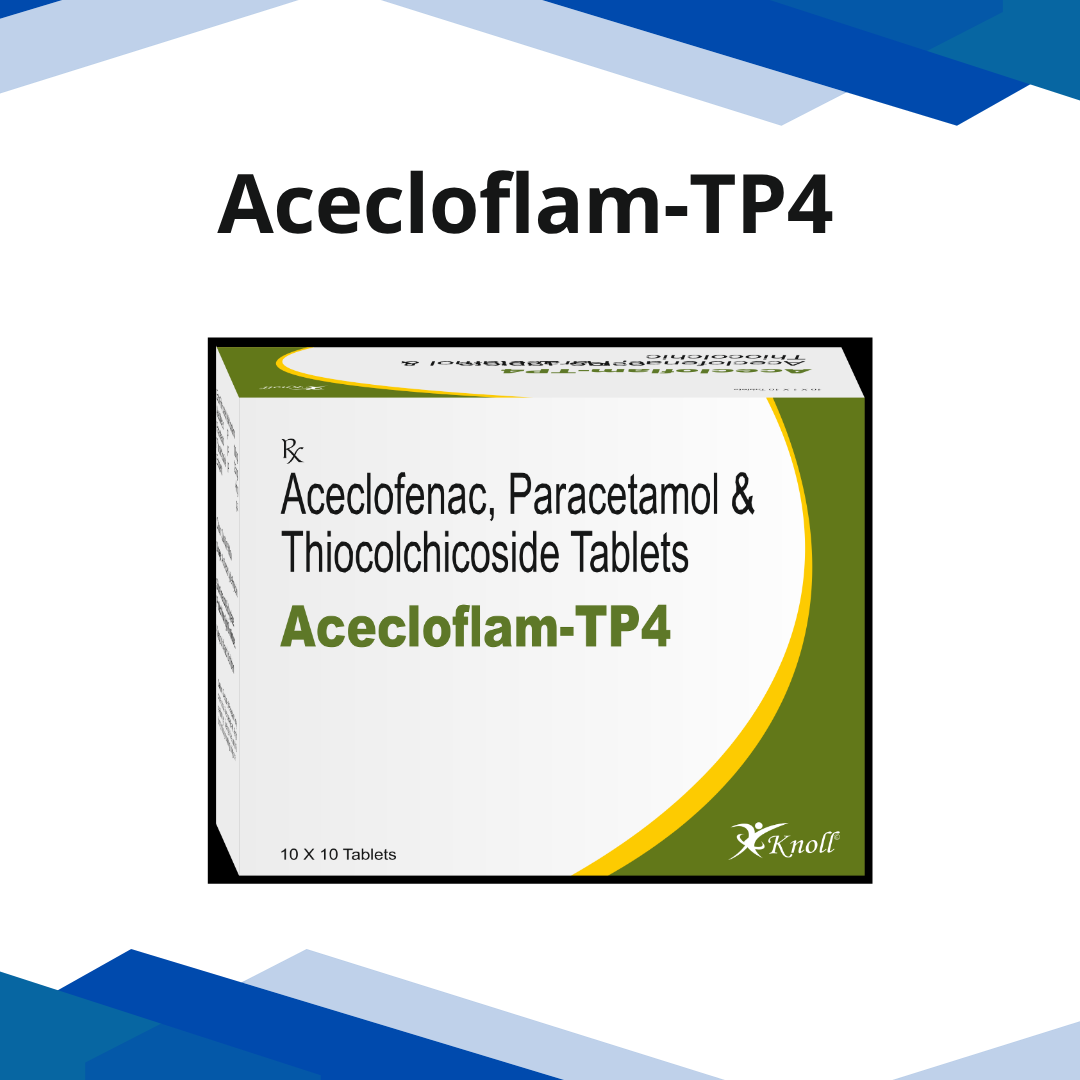
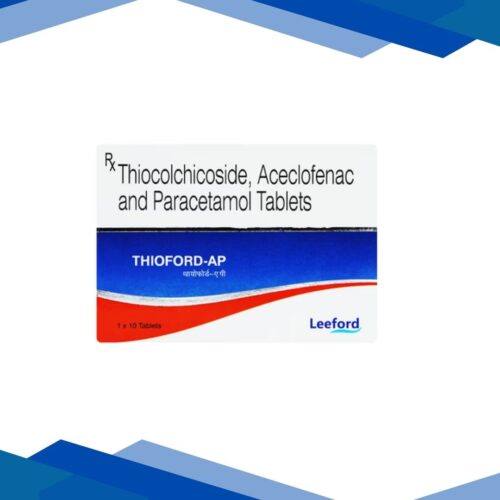
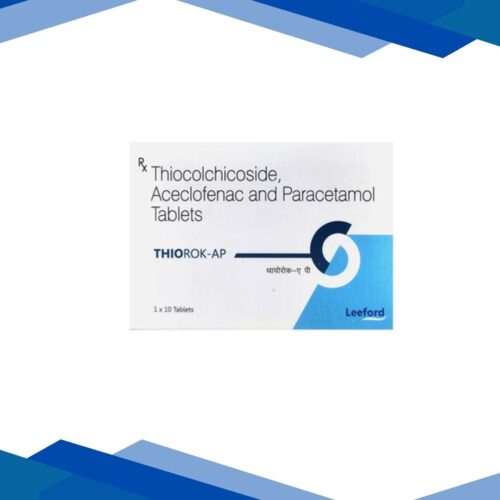
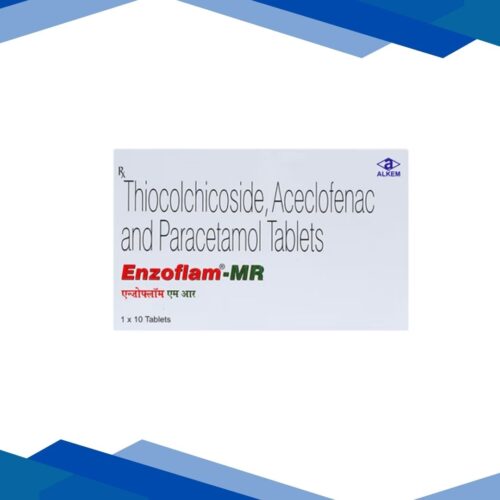
Aceclofenac is a nonsteroidal anti-inflammatory drug (NSAID) analog of diclofenac
Classification: Anti-inflammatory drug (NSAID)
Uses:
Aceclofenac is primarily used for pain management in chronic conditions like rheumatoid arthritis, osteoarthritis, or ankylosing spondylitis.
Rheumatoid arthritis: It relieves swelling and stiffness of joints and overall pain due to the condition.
Osteoarthritis: It helps alleviate painful, tender joints and manages pain.
Ankylosing spondylitis: It helps manage the stiffness and pain in this kind of spondylitis.
How it works:
It works by blocking the release of certain chemical messengers that cause pain and inflammation (redness and swelling).
Dosage: As directed by the physician
Precautions:
Tell your doctor if you have an allergic tendency to the medicine. Even if you are allergic to other medicines, you should discuss them with your doctor.
Alcohol consumption must be avoided as it can cause stomach bleeding.
Pregnant women are not supposed to take Aceclofenac + Paracetamol, more so in the advanced stages of pregnancy. The foetus may develop heart defects, or there may be a delay in birth
Those with ongoing symptoms or a history of stomach ulcers or bleeding anywhere in the digestive tract must not take this medicine.
Patients who suffer from heart disease, have a liver or kidney problem, or have high blood pressure must take caution.
If you have any pre-existing health conditions, like Asthma, Hypersensitivity, Peptic Ulcers, Stroke, Heart, Liver, or Kidney-related conditions, etc., speak with your doctor.
Breastfeeding women must take care and consume the medicine only after seeking a doctor’s advice.
Side Effects:
Mouth ulcer
Fatigue
Constipation
Allergic skin reactions
Abdominal pain
Bloody and cloudy urine
Dizziness
Drowsiness
Constipation
Fainting
Malaise
Disclaimer:
This content is for informational purposes only. Always consult a healthcare provider for medical advice and proper dosage.
Paracetamol
PARACETAMOL
Overview
Paracetamol is a commonly used medication that helps relieve mild to moderate pain and reduce fever. It’s often used for:
Headaches
Toothaches
Muscle and back pain
Menstrual cramps
Cold and flu symptoms
It’s available over-the-counter and is considered safe when used as directed.
Classification
Analgesic and antipyretic agent
Uses
Paracetamol is used for pain relief and fever. It is used to relieve pain in conditions like headache, muscle pain, or dental pain.
How it works
When you produce a fever, your body’s internal thermostat — found in the hypothalamus portion of the brain — is raised to a higher temperature. This new set point is usually induced by pyrogens (substances made during infections) that tell the body to produce more heat as a form of immune defense.
Due to its effects in the brain, paracetamol reduces the production of reactive prostaglandins. Prostaglandins are disease-fighting chemicals released during infection that in turn, raise the body’s temperature set point. By decreasing prostaglandin levels, paracetamol enables the hypothalamus’ temperature control centre to bring the body’s temperature back down to normal, allowing the body to cool down and the fever to subside
Dosage
As directed by the physician
Precautions
Most people can take paracetamol safely, including:
pregnant women
breastfeeding women
children over 2 months of age – lower doses are recommended for young children
always get advice before taking paracetamol if you:
have liver or kidney problems
have problems with alcohol, like long-term alcohol misuse
are very underweight
are taking other medications
Don’t take paracetamol if you’ve had an allergic reaction to it in the past
Side effects
common side effects of paracetamol.
Nausea
Swelling
Vomiting
Pain
Tenderness in the upper abdomen
Sweating
Loss of appetite
Stomach cramps
Diarrhea
Major side effects are as follows:
Dark-colored urine
High fever
Lower backache
Skin having red spots
Rashes
Inflammation
Itching
Sore throat
Ulcers
Breathlessness
Yellowish eyes
Disclaimer
This content is for informational purposes only. Always consult a healthcare provider for medical advice and proper dosage.
Thiocolchicoside
Thiocolchicoside
OVERVIEW
Thiocolchicoside is used to reduce and relieve pain due to muscle spasms (painful muscular contractions) associated with degenerative vertebral disorders, vertebral static problems, dorsal pain, low back pain, torticollis (neck muscle contractions), and neurological and traumatological problems.
CLASSIFICATION
skeletal muscle-relaxant drug
USES
Thiocolchicoside is used for muscle relaxation. It relieves painful spasms of the skeletal muscles.
HOW IT WORKS
Thiocolchicoside is a muscle relaxant. It works on the centres in the brain and spinal cord to relieve muscle stiffness or spasm without reduction in strength. This improves pain and movement of muscles.
DOSAGE
As directed by the physician
PRECAUTIONS
Kidney Function: Use cautiously in patients with kidney disease; regular monitoring is essential.
Diarrhea: Avoid use if experiencing diarrhea.
Individual Health: Adjust dosage based on medical history and current health conditions.
Age Consideration: Not recommended for children under 16.
Pregnancy and Breastfeeding: Avoid use during pregnancy and breastfeeding.
Alcohol: Refrain from alcohol consumption while taking thiocolchicoside due to increased drowsiness.
Long-term Use: Consult a doctor before discontinuing after prolonged use.
SIDE EFFECTS
Sleepiness
Diarrhea
DISCLAIMER
This content is for informational purposes only. Always consult a healthcare provider for medical advice and proper dosage