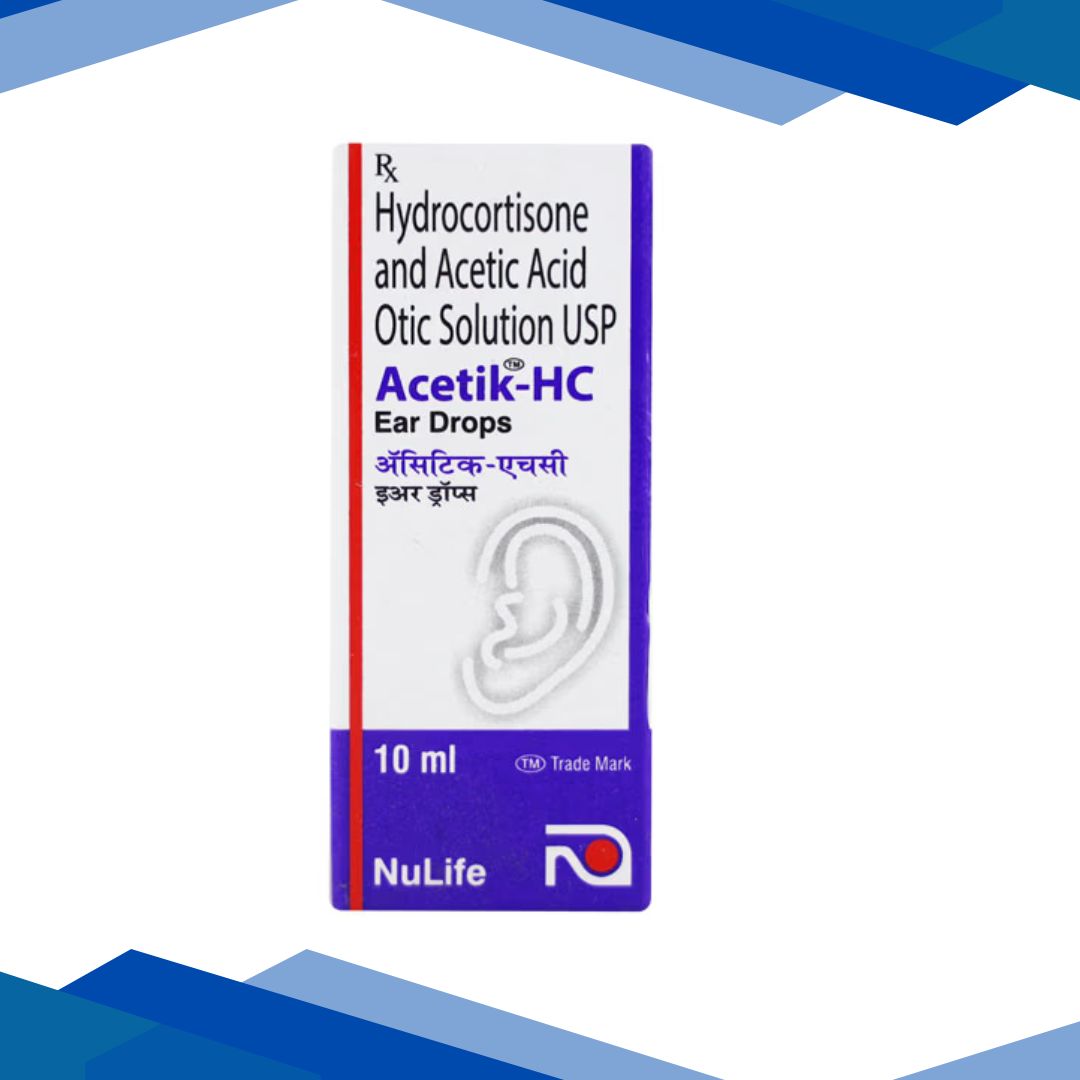
ACETIK HC Ear Drops 10ml
No Prescription yet? Don’t worry! Click Here to Get Online Consultation
Acetik-HC Ear Drop is a medicine used to treat ear infections. It kills and prevents the growth of infection-causing microorganisms. This way it relieves the symptoms and speeds up the healing process.
Acetic Acid
Acetic Acid 2% Otic Solution
Acetic Acid 2% Ear Drops is a specially made non-aqueous otic (ear) solution, mainly prescribed to manage superficial infections of the external ear canal. It has strong antibacterial and antifungal action, and it works well for acute problems like Otitis Externa, often called Swimmer’s Ear.
Therapeutic Class: Otologicals (Ear Preparations)
Action Class: Topical Antiseptics / Disinfectants
Common Strengths: 2% w/v Otic Solution
Habit-Forming: No
Prescription Required: Yes (Rx)
Key Benefits & Clinical Uses
1. Cuts Down Microbial Overgrowth
Acetic Acid changes the local chemical setting inside the ear canal. It stops Gram-positive and Gram-negative bacteria along with opportunistic fungal organisms from multiplying, which often lead to outer ear tenderness.
2. Brings Back Natural pH Balance
The external auditory canal already keeps a mildly acidic state to discourage germs. When moisture builds up (after swimming or in humid weather) this protection weakens. Acetic Acid helps bring the low pH back, creating a less friendly environment for harmful microbes.
3. Eases Local, Uncomfortable Symptoms
By focusing on the source of the infection, this topical medicine helps reduce localized inflammation and can lessen clear fluid discharge, redness, persistent itching, and swelling inside the outer ear.
How It Works
Medical-grade Acetic Acid works as an organic acidifying agent. Once instilled in the external ear canal, it quickly drops the surface pH into an acidic range (about pH 3.0). Many bacteria and fungi prefer an alkaline or neutral medium to grow.
This solution interferes with microbial cell membrane integrity and blocks enzyme activity, which helps neutralize the infection without depending on traditional systemic antibiotics.
Steps for Proper Administration
To keep things safe and avoid introducing extra contamination, follow these steps:
Clean the Area:
Lightly wipe any visible crusting or discharge from the outer ear using a clean damp cloth. Do not put cotton buds inside the canal.
Warm the Bottle:
Keep the container between your palms for 1 to 2 minutes. Cold drops can trigger the caloric reflex, leading to temporary dizziness or vertigo.
Correct Positioning:
Tilt your head or lie on your side with the affected ear facing up.
Application:
Hold the dropper near the ear opening. Make sure the nozzle does not touch the ear canal, your fingers, or any other surfaces. Squeeze the prescribed dose in, usually 3 to 5 drops for adults.
Dwell Time:
Stay in that side-lying position for around 2 to 3 minutes so the liquid can move down toward the eardrum. If your ENT specialist advises, a small cotton wick soaked with the solution may be used.
Side Effects to Monitor
Acetic Acid for the ear is usually safe because it acts locally and is not expected to enter the bloodstream in meaningful amounts. Still, minor local reactions can happen.
Common Local Reactions:
- A short, passing stinging or mild burning right after instillation
- Localized skin irritation, minor redness, or itching inside the canal
Serious Symptoms (Stop use and contact your doctor right away):
- Strong, throbbing ear pain that gets worse after using it
- Signs of systemic allergy, like skin rash, hives, or swelling of the face, lips, or throat
- Sudden dizziness, sudden hearing change, or unusual discharge
Safety Guidelines & Precautions
| Risk Factor | Clinical Status | Specialist Warning Note |
|---|---|---|
| Perforated Eardrum | ❌ Absolutely Unsafe | Strictly contraindicated. Do not use if you have a ruptured, torn, or perforated tympanic membrane (eardrum), because the medicine can leak into the middle ear area and cause severe pain or inner ear issues. |
| Water Exposure | ⚠️ High Caution | Keep the ear clean and dry during treatment. Avoid swimming, and while bathing keep water, soap, or shampoo away from the ear canal. |
| Pediatric Use | ⚠️ Moderate Caution | Not recommended for infants or children below 3 years, unless a pediatric ENT specialist is explicitly monitoring and prescribing it. |
| Pregnancy/Lactation | ✅ Safe If Advised | Because systemic absorption via the ear canal is very minimal, it is generally considered safe, but you should still inform your obstetrician before starting. |
Frequently Asked Questions (FAQs)
Q. Can Acetic Acid otic drops be used to treat a deep middle ear infection?
No. These drops are meant for superficial outer ear canal infections only. They do not treat middle ear infections (Otitis Media), or inner ear concerns.
If your ear pain comes with a deep blockage, fever, or cold-like symptoms, speak to a physician for the right oral or systemic options.
Q. Why does the medicine sting when I put it into my ear?
A mild, brief stinging or burning is common, especially during the first few uses when the canal lining is inflamed or irritated. It usually settles within a couple of minutes.
If the burning increases over time, or if it becomes intensely painful, stop using the drops and consult your doctor.
Q. How long do I need to continue using Acetic Acid ear drops?
Use it for the exact duration your healthcare provider advises, commonly around 5 to 7 days. Even if itching and pain calm down after 2 days, do not stop early.
Stopping early can let remaining microbes grow again and the infection may return.
Q. What should I do if the dropper tip accidentally touches my finger?
If the dropper tip touches your finger, ear, or any household surface, wipe it right away using a clean dry tissue and close the bottle tightly.
Hydrocortisone
Hydrocortisone (Topical & Oral)
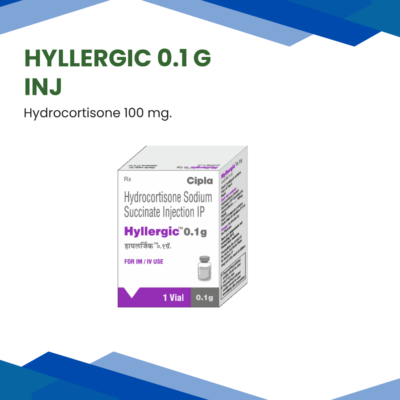
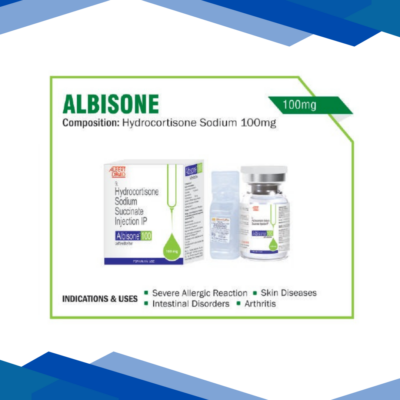
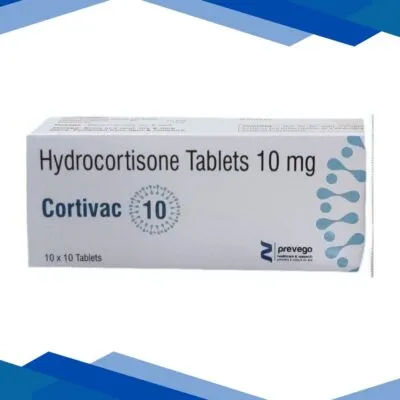
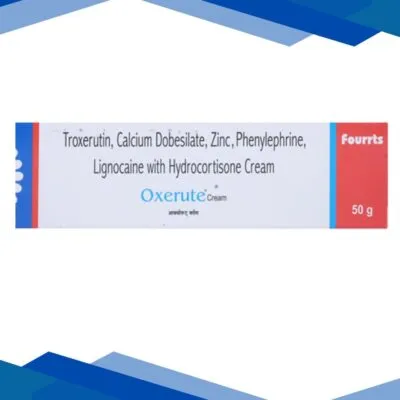
Hydrocortisone is a mild corticosteroid that provides anti-inflammatory effects, whether used as a topical cream for skin conditions or as an oral tablet for hormonal support. It works by reducing the body’s immune response, thereby decreasing swelling, redness, and itching.
Most Typical Uses
Soothe Your Skin: Used in conditions like atopic dermatitis, dermatitis herpetiformis, psoriasis, and insect bites.
Treatment of Allergy: Helps in the rapid relief of localized redness and swelling.
Hormone Replacement: In tablet form, replaces natural cortisol in patients with adrenal insufficiency.
Specialized Healthcare Uses: May be used in hemorrhoids, proctitis, and certain autoimmune conditions.
Directions for Proper Use
For Creams/Ointments:
First Cleanse: Thoroughly clean and dry the affected area.
Apply a Thin Layer: Use a small amount and gently rub until absorbed.
Hand Cleaning: Wash hands after application (unless treating hands).
Frequency: Typically 2–3 times daily. Do not exceed 7 days unless prescribed.
For Tablets:
Take with Food or Milk: Helps protect the stomach.
Morning Dose Preferred: Usually taken once daily in the morning, aligning with the body’s natural cortisol rhythm.
Important Safety Checklist
Pro Tip: Avoid using on the face, eyes, or broken skin unless advised by a doctor, as steroids may cause skin thinning.
Infections: Do not apply on infected areas such as pus-filled lesions, viral infections (e.g., cold sores), or fungal infections (e.g., athlete’s foot).
Pregnancy & Nursing: Consult your doctor before use, though topical use is generally low risk.
“Bandage Rule”: Avoid tight covering (occlusion) unless instructed, as it increases drug absorption into the bloodstream.
Side Effects to Watch For
Mild stinging or burning sensation at application site
Skin thinning, discoloration, or stretch marks (with prolonged use)
Polydipsia (increased thirst) or polyphagia (increased appetite) with oral use
Hormonal changes or sleep disturbances (oral forms)
Frequently Asked Questions (FAQs)
Q: Can hydrocortisone cream be used on the face for acne?
A: It is not recommended. While it may reduce redness temporarily, prolonged use can lead to skin thinning or “steroid acne.”
Q: Can children use it?
A: Use with caution. Children have thinner skin, leading to higher absorption. Always consult a pediatrician before use.
Q: What is the difference between cream and ointment?
A: Creams are better for wet or oozing skin, while ointments are ideal for dry, scaly skin, as they lock in moisture.
Q: Can hydrocortisone treat fungal infections like ringworm?
A: No. Steroids may worsen fungal infections by suppressing the immune response. Use an antifungal treatment instead.
Q: What should I do if I miss a dose?
A: Apply or take it as soon as you remember. If it’s close to the next dose, skip the missed dose. Do not double the dose.
At Gem Pharmacy, we make every effort to provide accurate, expert-written, and thoroughly reviewed information related to medicines. However, this information should not be considered a substitute for professional medical advice, diagnosis, or treatment from a qualified doctor.
The purpose of this information is to educate users and improve communication between patients and healthcare professionals. It should not be used to diagnose or treat any condition.
Always consult a certified healthcare professional before taking any medication.


Related products