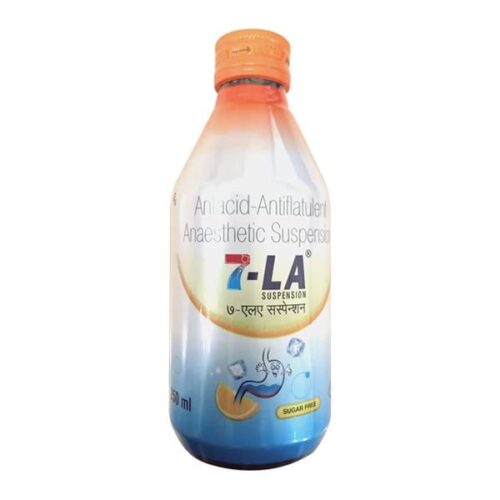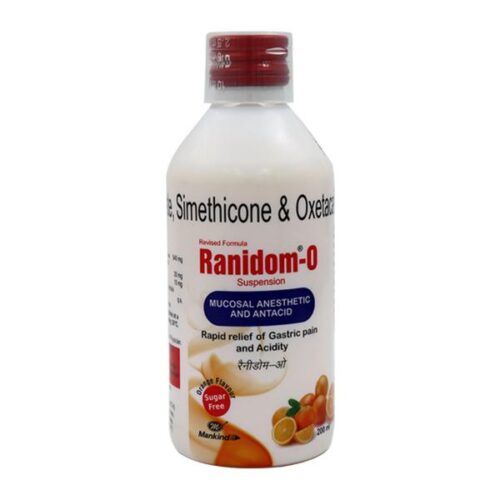
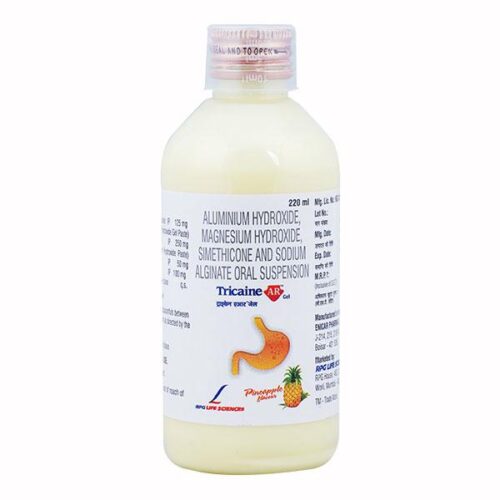
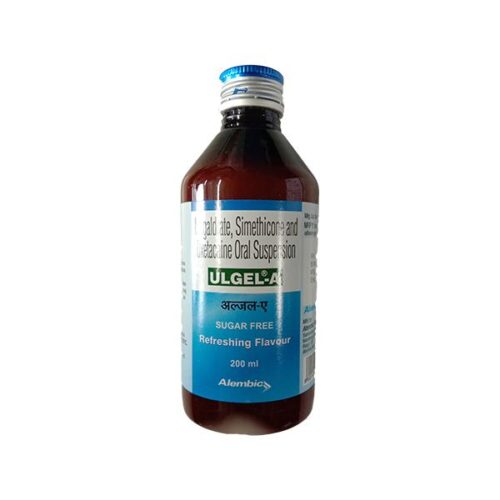
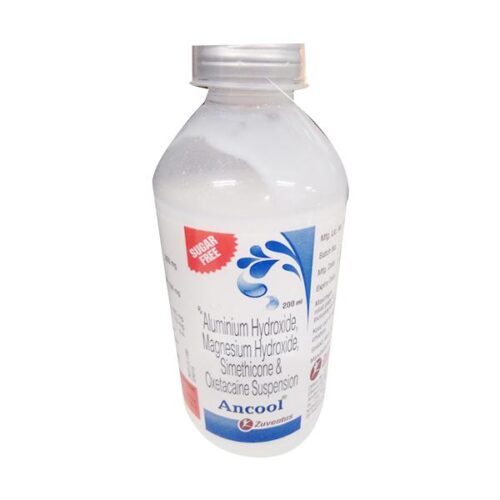

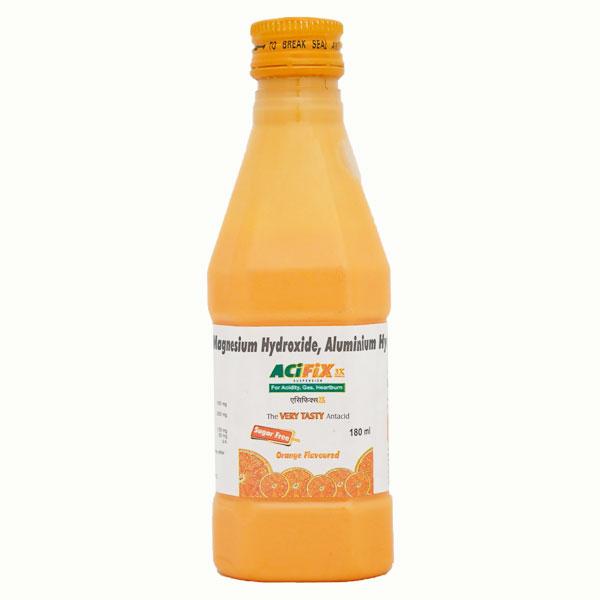
ACIFIX 3X SUGAR FREE ORANGE FLAVOURED Suspension 180ml
No Prescription yet? Don’t worry! Click Here to Get Online Consultation
Almagate + Simethicone is a combination medicine commonly used to relieve acidity, heartburn, gas, and indigestion. Almagate works as an antacid that neutralizes excess stomach acid, while Simethicone helps break down gas bubbles in the stomach and intestines, reducing bloating and discomfort. It provides quick relief from symptoms associated with acid reflux and gastric irritation.
Dried Aluminium Hydroxide
Dried Al(OH)3: Fast Relief from Heartburn & Acidity
Dried Aluminum Hydroxide is seen to deliver antacid-like activity to neutralize the acidity in an excessive acid stomach environment; reactive admission to any number of gastrointestinal distress activities due to its inorganic salt-related action. It directly increases the pH of the stomach, covering the esophagus and stomach mucosa against the strong acidity that comes with acidic reflux.
Primary Clinical Uses
Heartburn & Indigestion: This prompt-neutralizing treatment protects and provides immediate relief against the "burning" due to flux through the upper part of the stomach into the esophageal area.
Hyperacidity: Conditions characterized by overbearing production of stomach acid.
Peptic Ulcers: Assistive treatment whenever suppression of acid causes mobility amelioration and contributes to faster ulceration healing.
Hyperphosphatemia Management: For use in some chronic kidney diseases to decrease phosphate levels higher than the standard within the bloodstream, which occurs through the binding of the phosphate in the digestive tract.
How It Works
Dried Aluminum Hydroxide does not work like the drugs that control the production of acid. Instead, it manages, as an antacid, the reactions between hydrochloric acid and aluminum hydroxide and thereby producing aluminum chloride and water. The buffering systems during the handling of gastric environment make it very stable. This indeed gives rapid relief without affecting the balance of acid and alkaline present in the body.
Expert Advice Tip on Usage & Administration
Timing is Key: In between meals or at bedtime, when the symptoms are anticipated takes the medication for the best results.
Chew Target: Chew and mash the tablet form, so it dissolves uniformly in the stomach.
Hydration: Immediately after using medication, drink water to ensure adequate contact with the lining of your stomach.
Interaction Window: Aluminum antacid can interfere with the absorption of other drugs, such as antibiotics or heart medications. Always keep at least 2 hours between antacid and any other prescription medications.
Safety & Side Effects Profile
The effect of dried aluminum hydroxide does not usually affect most users, but watch how your gastric activities respond to it.
Potential Side Effect
Frequency
Management Strategy
Constipation
Common
Increase fibre intake and hydrate.
Nausea / Stomach Cramps
Occasional
Generally subsides with the patient's body adjustment; relieve with very little water.
Loss of Appetite
Rare
Watch the personal eating patterns; have a look at your doctor if one week stands still.
Chalky Taste
Common
Natural characteristics of the product; rinsing with water should help!
Dried Aluminium Hydroxide: Frequently Asked Questions (FAQs)
Q: How can I use this medicine for long-term use in acidity?
A: Typically used for short-term symptom relief. You need to be taking antacids for more than two weeks straight, and you need to be assessed for underlying conditions like GERD by a gastroenterologist.
Q: Can this be consumed during pregnancy?
A: Aluminum-based antacids have been considered especially safe to use during pregnancy for occasional relief, but they must be taken partially under doctor supervision to preclude vitamin interference.
Q: Why do I have to forsake taking orange juice or other citrus foods with this?
A: Citric acid, by all means, adds to aluminum absorption into the blood. For localized mechanisms, this tends to act only in excess; it is best consumed with plain water.
Q: Does it help in passing stomach gas (flatulence)?
A: Balanced around neutralizing acid and not really concentrating gases, any of the items can ensure the gas's withdrawal: one could combine Aluminum Hydroxide with Simethicone for bulging and gas.
A: Aluminum hydroxide with caution may be used by patients having kidney disease. In general, for any kidney patient you need to see a doctor first.
Patient Checklist for Better Digestion
Avoid Triggers: Avoid hangover or spicy foods, refreshments in the form of caffeine, or carbonated beverages during the treatment of acidity.
Patient Checklist for Better Digestion
Portion Control: Plan smaller, more regular meals and avoid over-filling on three big meals at.
The posture of Sleepreading: Elevate the head of your bed by six inches when you go to sleep if you experience reflux at night.
Magnesium Hydroxide
Magnesium Hydroxide Oral Suspension/Tablet
A non-toxic, white substance, Magnesium Hydroxide is an inorganic compound used especially as an antacid in preventing peptic ulcers and as a laxative. Many people know it better as “Milk of Magnesia”, owing to its efficacy in neutralizing excess stomach acid and creating a laxative effect by drawing water into the intestines to make bowel movements easier.
Whether it is mild heartburn or occasional constipation, fast-acting Magnesium Hydroxide provides effective relief.
Primary Uses and Indications
Heartburn Relief: Neutralizes hydrochloric acid in the stomach, alleviating indigestion and heartburn.
Laxative Use: Acts as a saline laxative, temporarily relieving constipation by increasing water retention in the colon.
Reflux Support: Soothes discomfort associated with Gastroesophageal Reflux Disease (GERD).
Sour Stomach: Provides quick relief from stomach upset due to overeating or alcohol consumption.
How to Use with the Best Possible Effect
Use Magnesium Hydroxide exactly as prescribed. If advised as a single dose, take it once daily, preferably at bedtime. If divided doses are prescribed, follow the label instructions carefully. Always take each dose with a full 250 ml glass of water to enhance the laxative effect.
For acidity relief, take it after meals to counteract excess stomach acid effectively.
Shake Well: When using the liquid suspension, shake thoroughly before use and measure with a medicinal cup (not a household spoon).
Drug Interaction Timing: Take Magnesium Hydroxide at least 2 hours before or after other medications, as it may affect their absorption.
Importance
Do not use this medication for more than 7 consecutive days unless directed by a doctor. Prolonged use may lead to mineral imbalances.
Health of Kidneys
Patients with kidney disease should consult a doctor before use, as the kidneys are responsible for eliminating excess magnesium from the body.
Medical Restrictions
Individuals on a magnesium-restricted diet should consult their doctor before using this medication.
For Pregnancy & Nursing
Consult your healthcare provider before use. Although generally considered safe, medical guidance is recommended.
Adverse Effects
Although uncommon, some individuals may experience:
Diarrhea (often indicating a high dose)
Stomach cramps
Nausea
Dehydration (especially with insufficient fluid intake)
Seek immediate medical attention if you experience severe thirst, muscle weakness, or a slow heartbeat.
Frequently Asked Questions (FAQs)
Q: How fast does Magnesium Hydroxide work for constipation?
A: A bowel movement typically occurs within 30 minutes to 6 hours after ingestion. Many users prefer taking it at bedtime.
Q: Can it be used daily?
A: It is intended for short-term use only. Regular use may lead to laxative dependence. If symptoms persist beyond one week, consult a doctor.
Q: Can children take Magnesium Hydroxide?
A: Yes, but dosage depends on the child’s age and weight. Always follow label instructions or consult a pediatrician.
Q: Does it interfere with other medications?
A: Yes. It may reduce the effectiveness of certain drugs, including tetracyclines, blood thinners, and others. Maintain a 2-hour gap between doses.
Q: Why is drinking plenty of water important with this medicine?
A: As a saline laxative, it works by drawing water into the intestines. Without adequate hydration, it may cause dehydration instead of relieving constipation.
Simethicone
Simethicone, often prescribed as oral drops, chewable tablets, or capsules to relieve gas and pain, has almost become an accepted default anti-foaming agent for dyspepsia. Simethicone is actually an inert material that works to relieve its issues in physical ways without entering the general circulation and hence it is safe enough for children. Simethicone is usually available singly or in a tablet combined with an antacid for indigestion and heartburn.
UseTherapeutic Uses
Relieves Bloating: Quickly eases the bloated sensation of fullness and pressure in the stomach
Manages Flatulence: Assists in easy escape of the air, thereby reducing trapping of intestinal wind
Infantile Colic: Pediatric drops are often used to soothe babies with gas-induced distress
Preparation for Diagnosis: Occasionally used to clear out the gas shadow from the gastrointestinal tract before endoscopic or radiographic investigations
Mechanism of Action
All in all, simethicone lowers the surface tension of gas bubbles in the stomach and intestines.
Coalescence: This phenomenon brings together the small bubbles caught inside the larger ones.
Evacuation: These larger bubbles become more manageable for the body to excrete either by belching or burping.
Note: Simethicone does not prevent gas from forming but makes it easier to exit from the body.
Dosage & Administration
Adults: Generally, 40-125 mg should be taken four times a day or the dosage should be given as needed.
Children: Dosage used in infants is normally weight-based. Use the medicine dropper provided with the drug.
Timing: It is better to take simethicone after meals and at bedtime.
Form: The chewable tablets need to be thoroughly chewed before swallowing; liquids must be shaken prior to usage
Safety Profile & Side Effects
Since simethicone does not enter the bloodstream, its side effects are almost nonexistent, leading to a good safety profile.
Use of Common Side Effects: Infrequent record of diarrhea or nausea. Consult your physician if you experience any signs of allergy.
Prep & Warnings
Interactions: Simethicone could potentially reduce the uptake of indifferent thyroid medicaments (Levothyroxine) while being taken. Keep four hours in between the two.
Pregnancy/Breastfeeding: It ought to be fine, as it is not leaked into the general circulation, but do ask the doctor.
Underlying/Minor Ailments: If they bother people for more than two weeks or get worse, sidle close to a gastroenterologist.
FAQs
Q: Can Simethicone be an antacid?
No; simethicone is, in fact, an antiflatulent. While the combination of antacids and simethicone (such as magnesium hydroxide) available sell them as "2-in-1," they do not, in fact, work to neutralize stomach acid. It is working to break down the gas bubbles.
Q: When does simethicone usually begin to work?
You will typically feel relief in 15 to 30 minutes, as the gas bubbles begin to move through and break up in the digestive tract.
Q: Can I give simethicone to my newborn?
Yes, actually simethicone is quite often given to colicky babies. Just make sure you use only the infant-strength (drops) and administer as per pediatrician's instructions.
Q: Can simethicone be taken every day?
You can use it daily as needed; however, always discuss with your doctor if you need it every day for more than two weeks, to rule out chronic conditions like IBS or food intolerances.
Q: Does simethicone cause constipation?
No, simethicone doesn't usually induce constipation. Should you experience an alteration of your bowel habits, it could be the other ingredients and/or any existing components present within the formula that promote bowel habit alterations, so talk with your doctor about simethicone or the composition of the pharmaceutical preparation.
Storage
Store at room temperature ($20\text{°C}$ to $25\text{°C}$). Keep bottled products away from dampness and heat. Always keep the bottle tightly closed when not in use.
Disclaimer: These facts are only for educational purposes and not a piece of actual medical advice. Always go through the label or see your physician before using the product.
Sodium Alginate
Sodium Alginate (Oral Suspension/Tablets)
A naturally extracted compound from brown seaweed, Sodium Alginate is labeled as an antireflux agent in medicine. Instead of the traditional antacids that neutralize anything produced by stomach glands, Sodium Alginate precipitates in its hydrocolloid form to act as a mechanical barrier (a "raft") whose position remains intact above the acidity of the stomach contents, preventing the stomach acid from escaping into the esophagus, thus bringing immediate and enduring relief to the upset stomach and burning chest.
Clinical Use
Gastro-Oesophageal Reflux Disease (GERD): Physical barrier to prevent acid regurgitation.
Heartburn: Relief from the burning sensation in the chest following meals or during pregnancy.
Laryngopharyngeal Reflux (LPR): Video-dysfunction of chronic throat-clearing or a sensation of "silent reflux."
Post-Prandial Indigestion: Lessens the discomforting essence of acidic gas or acid produced after a heavy or spicy meal.
The Raft Effect: How it Functions
In the presence of gastric acid, the substance changes into a firm, sticky gel. The gel, with the help of Ca++ or bicarbonate, floats on the top of the stomach. During an acid reflux event, in the majority of cases, this "raft" gets pushed first into the esophagus to protect the delicate lining from the corrosive stomach acid.
Main features
Nonsystemic: Acts mechanically in the stomach and is not absorbed into the blood, hence many patients prefer its use.
Rapid onset: Most of the users start feeling a cooling effect as well as complete relief within 3–5 minutes.
Long duration: The barrier protection persists for 4 hours.
Usage
Dosage: usual maintenance therapy is 10–20 mL (Suspension) or 1–2 tablets after meals and at bedtime.
Method: If taking tablets, chew them to ensure a good raft. The suspension should be shaken well before use.
Warning: The best course of action is to take it after meals, about 30 minutes later.
Precautions & Warnings
Principally due to its sodium content, this medication supplies significant amounts of sodium, hence being of particular concern to patients in whom an intake of salt in minimal quantity is important.
Drug Interactions: Sodium Alginate can interfere with the absorption of other medicines (like antibiotics or iron supplements). Always maintain a 2-hour gap between taking this and any other oral meds.
Underlying Conditions: The presence of a symptom such as this lasting more than 7 days warrants a visit to the doctor in order to rule out any more serious causes in the stomach.
Side Effects
Sodium Alginate is generally well tolerated. However, occasionally the following conditions occur:
Mild constipation or diarrhea.
Flatulence (gas).
Nausea.
Allergic reactions (skin rash or difficulty in breathing), albeit these are extremely rare.
Frequently Asked Questions (FAQs)
Q: Is Sodium Alginate safe to use in pregnancy?
Yes! As alginates are not absorbed into the blood and will work mechanically, Sodium Alginate is considered one of the safest options for the treatment of "pregnancy heartburn." Still, you should inform the physician of all new medications.
Q: Can I take it together with an Antacid?; if so, what can positively make the antacid help do its work?; and how, specifically, should I look for it?
Many alginates are already used in antacid preparations with Calcium Carbonate. The antacids will neutralize the existing acid and the alginate will prevent reflux. You need to check for their combinations on the product label.
Q: Is it beneficial toward stomach ulcers?
No, this will not be helpful. Sodium Alginate will, however, stop the acid from moving upwards, providing some temporary relief; it will not heal the lining of the stomach or treat infections from the H. pylori bacterium.
Q: Can children take Sodium Alginate?
Dosage instruction generally spans from the age of twelve to adulthood. For anyone younger, the pediatrician should aid in deciding on the right dosage and formula.
Q: How should I store the liquid suspension?
Please store at room temperature. Do not refrigerate or freeze the suspension as this will break down the gel-forming properties of the alginate.
Expert Tip:
For optimal results with Sodium Alginate, avoid lying down after consuming the supper. Standing for at least an hour helps the "raft" sit firmly on the top of the stomach, thus offering the best protection against reflux.
Disclaimer: This content is for information purposes and should not be a substitute for professional medical advice. Always refer to the product leaflet prior to use.
At Gem Pharmacy, we make every effort to provide accurate, expert-written, and thoroughly reviewed information related to medicines. However, this information should not be considered a substitute for professional medical advice, diagnosis, or treatment from a qualified doctor.
The purpose of this information is to educate users and improve communication between patients and healthcare professionals. It should not be used to diagnose or treat any condition.
Always consult a certified healthcare professional before taking any medication.


Related products
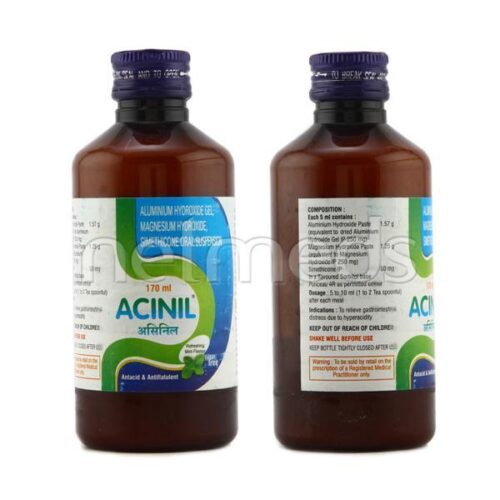
Acinil Sugar Free Mint Flavour Oral Suspension 170ml
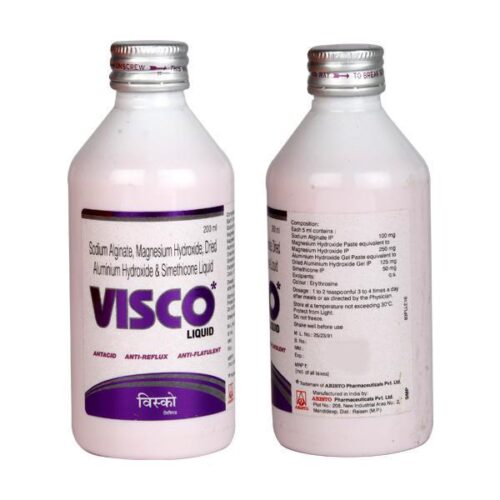
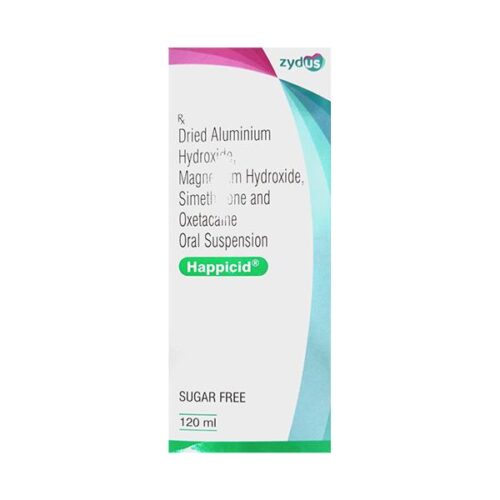
HAPPICID SUGAR FREE Oral Suspension 120ml