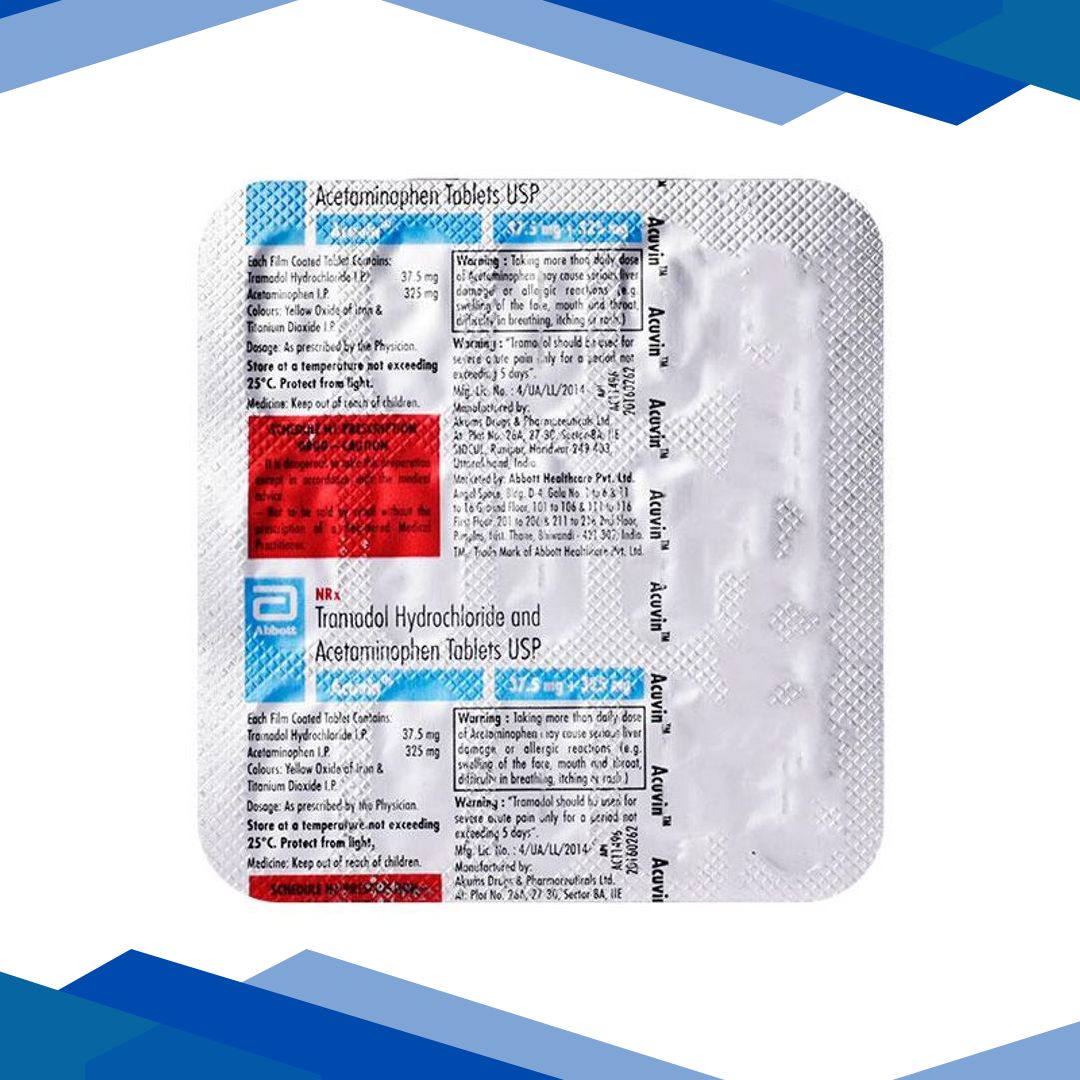
Acuvin Tablet 15’S
❌ Due to high demand, this product is currently out of stock. New stock will be available shortly.
👉 Click here to Buy Same Salt medicine
Acuvin Tablet is a combination medicine used to relieve moderate to severe pain when other pain relievers are not enough. Acetaminophen helps lower pain and can also reduce fever, while codeine is an opioid pain medicine that works in the brain and nervous system to change how the body feels pain. Together, they provide stronger pain relief than either ingredient alone. This medicine is commonly used for short-term relief after surgery, injury, dental procedures, or for painful conditions when a doctor feels stronger treatment is needed. Because it contains codeine, it should be used with medical guidance, as it may cause drowsiness and can be habit-forming. It is not meant for mild pain or long-term self-treatment.
Description
Acuvin Tablet is a combination medicine used to relieve pain that is not adequately controlled by acetaminophen alone or by non-opioid pain relievers. it brings together two medicines with different but complementary actions: acetaminophen, which helps reduce pain and fever, and codeine, an opioid pain reliever that changes how the brain and nervous system respond to pain. because of this dual action, the combination can be useful for short-term management of moderate pain when a single medicine is not enough.
acetaminophen works mainly in the central nervous system and is widely known for its pain-relieving and fever-reducing effects. it is generally gentle on the stomach compared with many anti-inflammatory pain medicines, but it must be used carefully because too much acetaminophen can seriously damage the liver. codeine is an opioid, which means it acts on opioid receptors in the brain and spinal cord to reduce the perception of pain. it can also cause drowsiness and slow breathing, which is why it must be used cautiously and exactly as directed.
this medicine is typically intended for short-term use in adults and, in some situations, older adolescents under medical supervision. it is often considered when pain is moderate and requires stronger relief than acetaminophen alone can provide. examples may include pain after injury, dental procedures, or certain types of post-operative discomfort. however, because codeine carries risks of dependence, misuse, sedation, and breathing problems, it is not appropriate for everyone and should only be used when a healthcare professional believes the benefits outweigh the risks.
Acuvin Tablet does not treat the cause of pain; it helps control symptoms. it may make a person feel sleepy or less alert, and it should be used carefully alongside other medicines. people with liver disease, breathing problems, a history of substance misuse, or those taking interacting medicines need special caution. always follow the instructions provided by a doctor or pharmacist, and seek medical advice if pain is severe, persistent, or worsening.
ingredients
- acetaminophen: this is a non-opioid analgesic and antipyretic. it helps reduce mild to moderate pain and can lower fever. in this combination, it provides a foundational level of pain relief and may reduce the amount of opioid needed for effect. it is important to avoid taking additional acetaminophen-containing products at the same time unless specifically advised, because excess exposure can lead to serious liver injury.
- codeine: this is an opioid pain reliever that works in the brain and spinal cord to lessen the feeling of pain. it is often included when stronger pain control is needed. codeine may also cause sedation and constipation, and in some people it can suppress breathing. it has the potential for dependence, especially if used for longer than prescribed or in higher-than-directed amounts.
key uses
- short-term relief of moderate pain: this medicine is commonly used when pain is too strong for acetaminophen alone but does not require a more intensive pain treatment plan. it may be appropriate after injuries or procedures when a healthcare professional recommends an opioid-containing option.
- post-operative discomfort: it may be prescribed for pain following certain surgeries or dental procedures when short-term opioid analgesia is considered appropriate. the combination can help improve comfort during the early healing period.
- pain not relieved by simple analgesics: in some cases, pain persists despite over-the-counter pain relievers. this combination may be used under medical supervision for symptom control when other measures are insufficient.
- fever with pain in selected situations: because acetaminophen can reduce fever, the medicine may help when pain and fever occur together. however, it is not meant to replace evaluation of the underlying illness when fever is significant or prolonged.
how to use
Acuvin Tablet should be used exactly as directed by a healthcare professional. it is usually taken by mouth, with or without food, depending on stomach comfort. taking it with food or milk may reduce nausea in some people. because codeine can cause drowsiness, many people prefer taking it when they can rest, especially at the start of treatment or after a dose change. do not take more than recommended, do not take it more often than advised, and do not extend use longer than necessary without medical guidance.
it is very important to avoid taking other products that contain acetaminophen unless a clinician has confirmed that it is safe. acetaminophen is found in many cold, flu, and pain medicines, and accidental duplication is a common cause of overdose. alcohol should be avoided because it increases the risk of liver injury and can intensify sedation. swallow the medicine as directed and do not crush, chew, or alter the tablet or capsule unless a pharmacist or doctor has said it is acceptable for the specific product.
if pain is not improving, becomes worse, or the medicine seems to be needed for more than a short period, medical reassessment is important. persistent pain may indicate a condition that needs different treatment. never share this medicine with anyone else, even if their symptoms seem similar, because codeine can be dangerous when used improperly and may be unsafe for certain age groups or medical conditions.
safety information
- warnings: this medicine can cause life-threatening breathing problems, especially when taken in larger amounts than prescribed, combined with alcohol or sedatives, or used in people with underlying lung disease. it can also cause dependence, misuse, and withdrawal if stopped abruptly after prolonged use. acetaminophen can seriously damage the liver if too much is taken or if combined with other acetaminophen products. seek emergency help for slow breathing, extreme sleepiness, confusion, bluish lips, fainting, or suspected overdose.
- side effects: common side effects include drowsiness, dizziness, nausea, vomiting, constipation, dry mouth, and feeling lightheaded. some people may experience itching or mild stomach upset. serious side effects may include slowed breathing, severe confusion, profound sedation, allergic reactions such as swelling or rash, difficulty urinating, low blood pressure, and liver injury. any sign of trouble breathing, severe weakness, or yellowing of the skin or eyes requires immediate medical attention.
- precautions: use extra caution if you have asthma, chronic obstructive lung disease, sleep apnea, head injury, liver disease, kidney disease, gallbladder disease, a history of seizures, depression, or substance use disorder. older adults may be more sensitive to dizziness, confusion, and falls. people who are frail, dehydrated, or taking multiple medicines should be monitored closely. this medicine may not be suitable for children or adolescents in certain circumstances because codeine can cause unpredictable and dangerous breathing suppression in some individuals.
- pregnancy/breastfeeding: use during pregnancy should be limited to situations where a clinician decides the benefit outweighs the risk. opioid use in pregnancy may affect the baby, and prolonged use can lead to neonatal withdrawal after birth. breastfeeding requires particular caution because codeine can pass into breast milk and may cause excessive sleepiness, poor feeding, or breathing problems in an infant. a healthcare professional should be consulted before use in pregnancy or while breastfeeding.
- interactions: avoid combining this medicine with alcohol, sleeping pills, anti-anxiety medicines, benzodiazepines, muscle relaxants, other opioids, or any medicine that causes sedation unless specifically directed by a clinician. these combinations can increase the risk of dangerous respiratory depression. certain antidepressants and other medicines that affect liver enzymes may change how codeine works. also, do not take other acetaminophen-containing products at the same time. if you use blood thinners, seizure medicines, or medicines for depression, ask a healthcare professional about possible interactions.
additional information
- storage: store in a tightly closed container at room temperature, away from excess heat, moisture, and direct light. keep it out of reach of children and pets. because of the risk of accidental ingestion and misuse, this medicine should be stored securely, preferably in a locked place if possible.
- missed dose: if a dose is missed, take it only if it is still needed and there is enough time before the next planned dose. if it is almost time for the next dose, skip the missed one and return to the regular schedule. do not double up to make up for a missed dose, because this increases the risk of overdose and side effects.
- overdose: overdose can be very dangerous. early signs may include severe drowsiness, confusion, nausea, vomiting, pinpoint pupils, slow or shallow breathing, cold or clammy skin, and loss of consciousness. acetaminophen overdose may not cause immediate symptoms but can lead to delayed, severe liver injury. if overdose is suspected, call emergency services or poison control immediately. rapid treatment is critical, even if the person seems okay at first.
- habit forming: yes, it can be habit forming because it contains codeine, an opioid. physical dependence can develop with repeated use, and misuse can lead to addiction. for this reason, it should be used only for the prescribed duration and under medical supervision. do not increase the dose on your own, and do not stop suddenly after prolonged use without medical advice, as withdrawal symptoms can occur.
frequently asked questions
Q: what is Acuvin Tablet used for?
A: it is used to relieve moderate pain when treatment with acetaminophen alone is not enough. it may be prescribed for short-term pain control after an injury, procedure, or surgery, depending on the clinician? judgment.
Q: can i drive after taking Acuvin Tablet?
A: it may cause drowsiness, dizziness, and slowed reaction time, especially when you first start it or if the dose is changed. do not drive, operate machinery, or perform tasks requiring alertness until you know how it affects you.
Q: is it safe to take with alcohol?
A: no, alcohol should generally be avoided. alcohol increases the risk of liver damage from acetaminophen and can worsen the sedating and breathing-suppressing effects of codeine.
Q: can i take other pain medicines with it?
A: some pain medicines may be safe, but many products contain acetaminophen or can interact with codeine. always check with a doctor or pharmacist before combining pain relievers to avoid accidental overdose or excess sedation.
Q: why is codeine a concern in children or teens?
A: codeine can be converted to morphine in the body at unpredictable rates. in some children and adolescents, this can lead to dangerously high morphine levels and serious breathing problems. use in younger people requires special caution and medical guidance.
Q: what should i do if i feel very sleepy after taking it?
A: mild drowsiness can occur, but extreme sleepiness, confusion, or difficult breathing is not normal and may be a sign of overdose. get urgent medical help if these symptoms happen, especially if the person is hard to wake.
Q: does Acuvin Tablet treat inflammation?
A: it can help with pain, but it is not primarily an anti-inflammatory medicine. if inflammation is a major part of the condition, a healthcare professional may recommend a different or additional treatment.
Q: can i stop taking it suddenly?
A: if it has been used only briefly, stopping may not be a problem for many people. however, after longer use, sudden stopping can cause withdrawal symptoms. ask a healthcare professional before stopping if you have taken it regularly.
Q: how do i know if i took too much acetaminophen?
A: an overdose may not cause immediate symptoms, but it can lead to serious liver damage. nausea, vomiting, sweating, confusion, or right-upper abdominal pain can occur, but any suspected overdose needs immediate medical attention regardless of symptoms.
Q: who should avoid this medicine?
A: people with severe breathing problems, significant liver disease, a history of opioid misuse, or those taking sedative medicines may need to avoid it or use it only with close supervision. a healthcare professional should review individual risk factors before use.
this information is for educational purposes only and should not be considered medical advice. always consult a qualified healthcare professional before use.
At Gem Pharmacy, we make every effort to provide accurate, expert-written, and thoroughly reviewed information related to medicines. However, this information should not be considered a substitute for professional medical advice, diagnosis, or treatment from a qualified doctor.
The purpose of this information is to educate users and improve communication between patients and healthcare professionals. It should not be used to diagnose or treat any condition.
Always consult a certified healthcare professional before taking any medication.


Related products