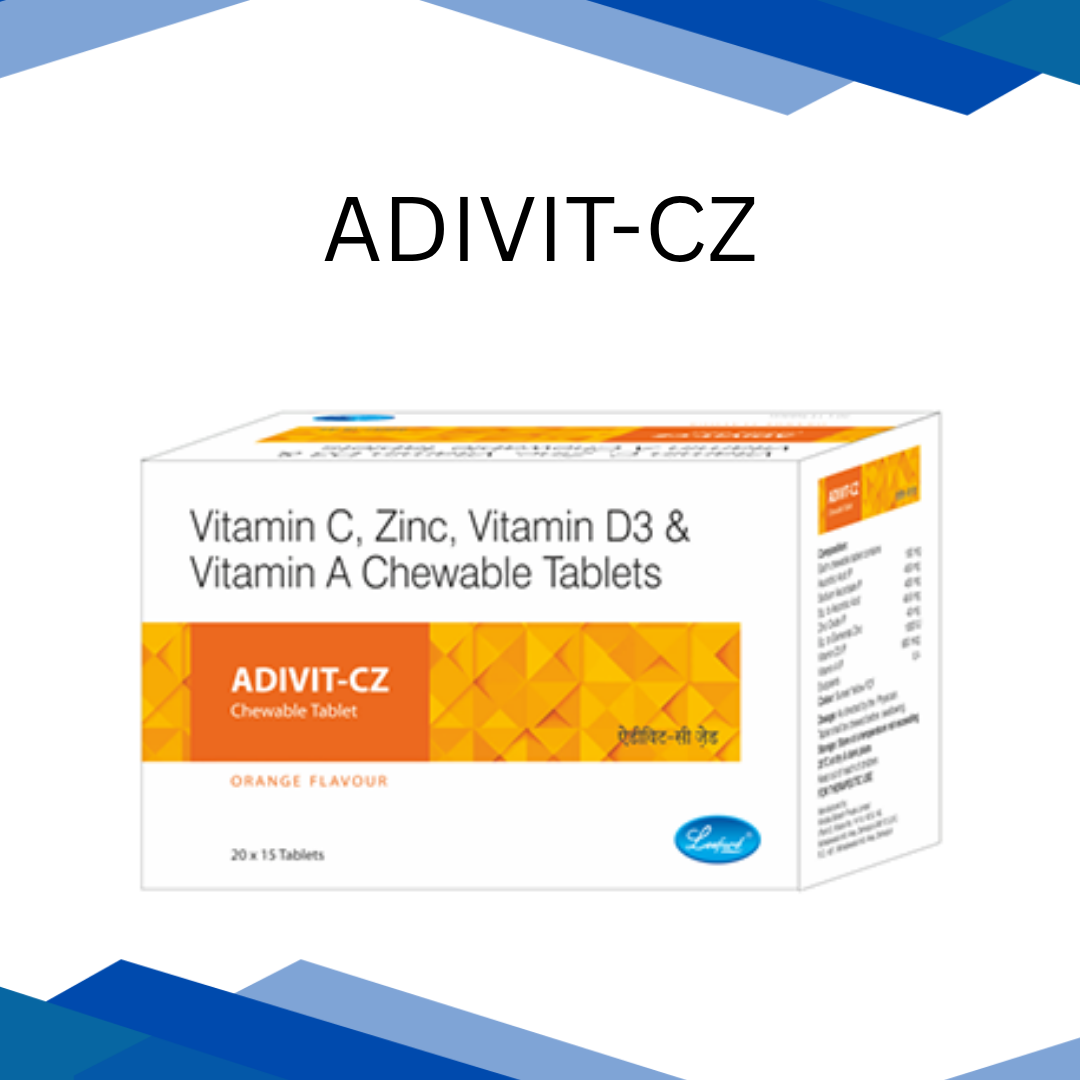
Adivit-Cz
❌ Due to high demand, this product is currently out of stock. New stock will be available shortly.
👉 Click here to Buy Same Salt medicine
This combination is used to boost immunity, support bone health, improve vision, and help the body fight infections and oxidative stress.
Vitamin A
Vitamin A (Retinol/Retinyl Palmitate)
Vitamin A is a fat-soluble vitamin vital for maintaining healthy vision, supporting the immune system and cellular growth. Termed the "antinfectious vitamin," Vitamin A plays an important role in the physiology of epithelial tissues (the body’s first line of defense) in the skin, lungs, and gastrointestinal tract. In the pharmaceutical form, it is used to treat deficiencies, promote pediatric growth, and assist in the management of a few dermatological disorders.
Major actions
Vision & Eye Health: Enables production of rhodopsin, a pigment that helps the eye see in low-light conditions.
Immune System Support: Strengthens the body's natural defenses by stimulating white cell activity and production.
Skin Integrity: Important for healthy cell turnover—modifying acne cases and minimizing fine lines.
Antioxidative Property: Protects your cells against free radical attack.
Behind the Veils of Life: Critical for fetal development during the gestation period and for shaping the reproductive organs of male babies.
Product Composition
Common Forms: Vitamin A generally comes in the form of capsules, softgels, liquid drops, or topical creams.
Strength: Usually expressed in International Units (IU) or Micrograms (mcg), the strength of Vitamin A is assessed accordingly.
Classification: Nutritional Supplement (Retinoids).
How to Use
Oral Intake: Vitamin A is fat-soluble and should be consumed with a meal containing fat to enhance absorption.
Dosage: Maintain the Recommended Dietary Allowance (RDA) unless otherwise directed by your doctor. Excess intake may lead to accumulation in the body.
Topical Use: Applying Vitamin A (Retinol) should preferably be done in the evening, as it can make the skin sensitive to sunlight.
Safety Precautions & Warnings
Pregnancy Warning: High amounts of pre-formed Vitamin A (Retinol) may harm the developing fetus. Follow your obstetrician’s guidance.
Toxicity (Hypervitaminosis A): Long-term excess can cause dizziness, nausea, and joint pain. Always stay within recommended limits.
Drug Interactions: If you are on blood thinners such as Warfarin or acne medications like Isotretinoin, consult your doctor before use.
For Smokers: High doses of Beta-carotene (a precursor of Vitamin A) are generally not recommended.
FREQUENTLY ASKED QUESTIONS
Q. What is the difference between Retinol and Beta-carotene?
Retinol is preformed Vitamin A from animal sources and is readily usable by the body. Beta-carotene is a provitamin from plant sources that the body converts into Vitamin A as needed.
Q. Does Vitamin A cure night blindness?
If caused by Vitamin A deficiency, supplementation can help improve or resolve the condition. However, genetic or disease-related causes may not respond.
Q: My skin is peeling after I used the Vitamin A cream. Why?
Topical Vitamin A increases cell turnover. Initial peeling, redness, or "purging" is common. Start with lower concentrations and use 2–3 times a week initially.
Q: Can I take Vitamin A every day?
Yes, as long as intake remains within the RDA. Since Vitamin A is stored in the liver, excessive daily intake is not necessary unless treating a deficiency.
Q: Are Vitamin A supplements safe for children?
Yes, Vitamin A is essential for growth and immunity in children. However, pediatric doses are much lower than adult doses—always follow a pediatrician’s recommendation.
Vitamin C
Vitamin C (Ascorbic Acid): The Ultimate Defender and Skin Restorer
Vitamin C, L-ascorbic acid in scientific terms, is a water-soluble nutrient needed since the human body fails to manufacture it on its own. An excellent antioxidant, it is involved in cellular repair, immune enhancement, and the production of collagen, the "glue" that keeps together our skin, joints, and blood vessels. An essential cornerstone of morning endeavors in general health is the daily inclusion of vitamin C, whether supplied by power-packed supplements or fortified food.
Health Benefits
Strengthening the Immune System: It is responsible for the adequate production of white blood cells (lymphocytes and phagocytes) and serves to help protect one's body against infections and oxidative stress.
Skin Brightening & Anti-aging: It becomes necessary for collagen production as it aids slackening, fine lines, elasticity, and healing of wounds.
Iron Absorption: By allowing easier absorption of non-heme iron found in plant foods, Vitamin C is crucial for those dealing with anemia.
Cardiovascular Help: One of the ways in which the flexible, healthy blood vessels help maintain the heart's health and stabilize the blood pressure levels.
Antioxidant Guard: It fights the dangers of harmful free radicals induced by pollution, UV rays, and metabolic processes, after they may cause eventual damage to the cells.
How to Take Vitamin C
Intelligent Scheduling: Even though you can consume it at any time, Vitamin C should be taken at breakfast to be best absorbed and not cause any irritation to the stomach.
Hydrate Well: As it cannot be stored by the body and anything not used should quickly find its way out, it is imperative to drink plenty of water to optimize this procedure.
Regularity vs. Mega-Dosing: The body absorbs only a certain amount at a time (about 500 to 1000mg); the divided dosage helps pretty well, besides taking one large dose at a time.
Safety & Side Effects of Vitamin C
The general safety of Vitamin C is highly spectacular even when higher dosages are consumed. Nevertheless, adherence to the Recommended Dietary Allowance (RDA) is regarded as the safest path for long-term health.
Occasional Elemental Risk
Prevalence
What to Do
Stomach Cramps / Nausea
Occasional
Move to a "buffered" or non-acidic form of Vitamin C.
Diarrhea
Rare
Invariably signalling that you are above the danger zone (500mg to 2000mg); immediately reduce the dosage.
Heartburn
Occasional
Take the Vitamin C tablet with at least one full glass of water or some food.
Kidney Stones
Very Rare
Anyone with a history of kidney stones is advised to converse with their doctor regarding taking high-dose therapy.
Vitamin C Frequently Asked Questions (FAQs)
Q: Is Vitamin C a cure for the common cold?
A: While it's not a cure, consistent supplementation has been shown to help with duration and severity of cold symptoms by supporting the respiratory system's immune response.
Q: What is the difference between Ascorbic Acid and Sodium Ascorbate?
A: Ascorbic Acid is Vitamin C in its pure, slightly acidic form. Sodium Ascorbate is the "buffered" form where the acid is neutralized by adding sodium, making it easier for sensitive stomachs.
Q: May I take Vitamin C along with other types of supplements?
A: An additional plus is that when consumed together with Zinc for immunity and Vitamin E for skin, Vitamin C complements both. Nonetheless, it is not recommended for Vitamin B12 to be taken at the same time as it interferes with B12 absorption.
Q: Does exposure to Vitamin C through cooking make the nutrient unsuitable for the body?
A: Yes, Vitamin C is heat-sensitive and can get destroyed by cooking. For better nutrient retention, more cruciform veggies like broccoli and bell peppers are steamed or eaten raw instead of boiling or frying.
Q: How can I know if I am Vitamin C deficient?
A: Common symptoms include easy bruising, bleeding gums, dry or scaly skin, and slower healing of wounds... If you notice any of these, a daily supplement will quickly bridge the gap for you.
The Top Supplements for Various Instances
Most Suitable For: People with compromised immunity, smokers (they deplete Vitamin C faster), and individuals aiming to improve their skin texture.
Available Forms: Chewable tablets, effervescent (fizzing) tablets, liquid liposomes, and standard capsules.
Today, this storage advice is all the more important: The bottle should be hidden away in a cool dark space. If Sunshine goes after it, or direct heat, consider the swiftness with which Vitamin C is killed.
Vitamin D3
Vitamin D3 also called Cholecalciferol, an example of a fat-soluble vitamin, strongly influences the absorption capacities of calcium and phosphorus from the gut. This vitamin, at times called the "Sunshine Vitamin," is important for maintaining bone density, modulating immune function, and maintaining neuromuscular health. Generally, the strong 60K variants are meant to correct clinical Vitamin-D deficiency levels and manage bone-adverse state.
Key Health Aspects
Bones and Joints: Facilitates the absorption of calcium for the prevention of osteoporosis, osteomalacia, and rickets.
Immunity: Modulates the immune system supporting the body in the fight against respiratory infections and chronic inflammation.
Muscle Strength: Supports muscle strength and balance and protects against falls, especially in the elderly.
Mood Regulation: The emerging research suggests that Vitamin D3 also plays a role in the synthesis of neurotransmitters, which can have positive effects on the treatment of Seasonal Affective Disorder (SAD).
Dental health: Vitamin D3 acts as a force to help in the formation of tooth enamel by promoting the coordination of the calcium-phosphorus balance.
Product Specs
Active Ingredient: Cholecalciferol (Vitamin D3) 60,000 IU.
Form: Softgel / Granules / Tablets.
Category: Nutritional Supplements / Vitamins.
Storage: Store in a cool, dry place below 25 deg. C. Protect the product from direct light.
Usage
Dosage: A high-capacity capsule of this vitamin (60,000 IU) typically has one capsule per week for a usual adult dose, which may be supplied for 8–12 weeks of treatment, with the maintenance dose to follow.
Administration: The capsule is to be swallowed whole with a big glass of water.
Pro-Tip: Vitamin D3 is a fat-soluble nutrient, so it will be absorbed best if taken along with the meal that has the most fat content, or taken with milk, nuts, oils, etc.
Safety & Side Effects
Vitamin D3 is generally safe when taken in the recommended doses. However, excessive intake may lead to hypervitaminosis D, which is characterized by:
Nausea or vomiting.
Excessive thirst or frequent urination.
Constipation.
Loss of appetite.
High blood calcium (hypercalcemia).
Warning: This supplement should not be used if the patient has hypercalcemia or hypervitaminosis D with severe kidney stones for which they should take a specialist's approval.
Precautions
Renal Health: Patients with chronic renal disease or a history of having renal stones are heavily monitored.
Pregnancy & Lactation : Safe when administered under a doctor's supervision. Dosage is determined based on blood sugar levels.
Interactions: Tell your healthcare provider if you use antacids; diuretics such as water pills; or medications with Digoxin or those seeking heart treatment.
Frequently Asked Questions - FAQs
Q: Why does my Doctor decide to give me one dose once a week?
The safety of children receiving a 60K dose has not been fully demonstrated.
No. The adult version of a high-strength Vitamin D supplement is intended for you. Lower doses of Vitamin D supplements are available for young children (generally 400-800 IU drops or syrups). Always get advice from a pediatrician for children.
Q: Can you show me services to yield results in a quick interval?
While your blood levels will begin to rise within days, it may take several weeks to notice a significant improvement in symptoms like bone pain or fatigue. A follow-up blood test (25-Hydroxy Vitamin D) is usually recommended after 3 months.
ZINC
Zinc (Elemental Zinc/Zinc Salts)
Zinc is an essential trace mineral vital for the activity of more than 300 enzymes in the human body. It plays a fundamental role in immune function, protein synthesis, wound healing, and DNA synthesis. With no specialized zinc storage system, a daily intake is necessary to maintain homeostasis. Zinc is mostly applied clinically to treat nutritional deficiencies, assist in pediatrics' growth and manage acute diarrhea.
Therapeutic Uses
Immune System Support: Acts as a gatekeeper of immune function, helping the body resist infections and reducing the duration of the common cold.
Diarrhea Management: WHO recommends zinc to reduce the severity and duration of diarrhea, particularly in children.
Skin Health & Repair: Essential for maintaining skin integrity; often used to treat acne, eczema-like rashes, and slow-healing wounds.
Sensory Function: Crucial for the maintenance of the senses of taste and smell.
Growth & Development: Synergists during growth & development, from pregnancy to childhood, & adolescence.
Key Features
Several Salt Forms: This nutritional mineral comes in Zinc Sulfate, Zinc Gluconate, and Zinc Acetate; the latter two should be preferred probably for easy GI tolerance as and when needed.
High Bioavailability: High bioavailability makes it rapidly absorbed from the small intestine.
Essential Micronutrient: Iron serves as an 'essential' mineral because it can't be made in the body.
Instructions for Use
Dosage: Per prescription from health care providers or on causal bases, one to two tablets is the recommended dose to make up the RDA of, say, 8mg for women and 11mg for men.
Timetime: One hour before or two hours after meal for maximal absorption.
Questionable Stomach? Nausea from zinc is through- add some food and this might reduce absorption a tad.
Avoid Interference: Do not take zinc with iron or calcium supplements, as these minerals compete for absorption.
Possible Side Effects
At recommended doses, side effects with Zinc are uncommon. Nonetheless, a few users may encounter the following difficulties:
GI Disturbances: Zinc Sulfate causes common nausea, vomiting, and stomach pains.
Metallic Taste: A lingering taste in the mouth will occur.
Copper Deficiency: Excessive zinc intake, longer than 40 mg/day, can be an obstruction to copper absorption, leading to anemia.
Cautions and Restriction
Drug Interactions: Zinc may interfere with the absorption of certain antibiotics (eg. Quinolones and Tetracyclines). So if you are on these medications, take them at least 2 hours before or 4–6 hours after taking Zinc.
Renal Health: Be cautious if you have kidney deficiencies, as minerals can build up.
Pregnancy & Lactation: Zinc needs are higher during these periods and supplementation should be by prescription only.
Avoid taking antacids two hours before/after your zinc dose since they may actually reduce its effectiveness.
Frequently Asked Questions (FAQs)
Q: Which is the best form of Zinc, sulfate, gluconate, or acetate?
All forms are equally good carriers of elemental zinc. Zinc sulfate tablets offer more zinc for the money and is commonly found, but zinc gluconate or acetate forms are most often desired in syrups and lozenges as they are less bitter and milder on the stomach.
Q: Can Zinc delete a common cold faster?
Yes, clinical studies show that taking Zinc lozenges or syrup less than 24 hours after the initial phase of a common cold can significantly reduce the duration and severity of a cold.
Q: How can I tell if I have Zinc deficiency?
Common signs include frequent infections, thinning of the hair, decreased appetite, changes in taste or smell, and wounds that are slow to heal among other few. If you are experiencing these symptoms, it is suggested to check with your clinician for a blood test.
Q: Can I take Zinc and Iron together?
That's correct. A large intake of iron (25mg or more) will seriously inhibit zinc absorption. It is best we supplement each with enough hours separation (e.g. morning and evening).
Q: Will it be safe to consume 50mg of zinc every day?
The "Tolerable Upper Intake Level" figure for adult consumption stands at 40 mg/mg per day. In any case, taking 50 mg/day or more on one's own overtime without any doctor's supervision will result in a copper deficiency and weakened immunity.
Storage
Store in the same fashion others are stored: dry places away from direct sunlight with the container tightly closed to prevent moisture from getting in.
Disclaimer: INFO THIS ARTICLE OFFERS IS PRESENTED IN AN INFORMATIVE WAY. IT IS NOT SUBSTITUTING FOR PROFESSIONAL MEDICAL ADVICE OR DIAGNOSIS. ALWAYS CONSULT YOUR DOCTOR BEFORE TAKING ANY NEW MINERAL SUPPLEMENT.
At Gem Pharmacy, we make every effort to provide accurate, expert-written, and thoroughly reviewed information related to medicines. However, this information should not be considered a substitute for professional medical advice, diagnosis, or treatment from a qualified doctor.
The purpose of this information is to educate users and improve communication between patients and healthcare professionals. It should not be used to diagnose or treat any condition.
Always consult a certified healthcare professional before taking any medication.


Related products
LIPZLITE LIP LIGHTENING Cream 15gm
GLUTAFINE Rich Creamy Face Wash 200gm
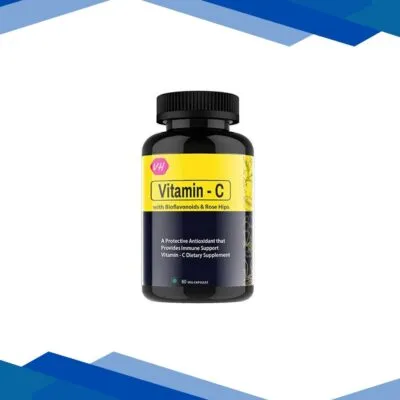
Vitaminhaat Vitamin-C with Bioflavonoids & Rosehip Capsule 90’s