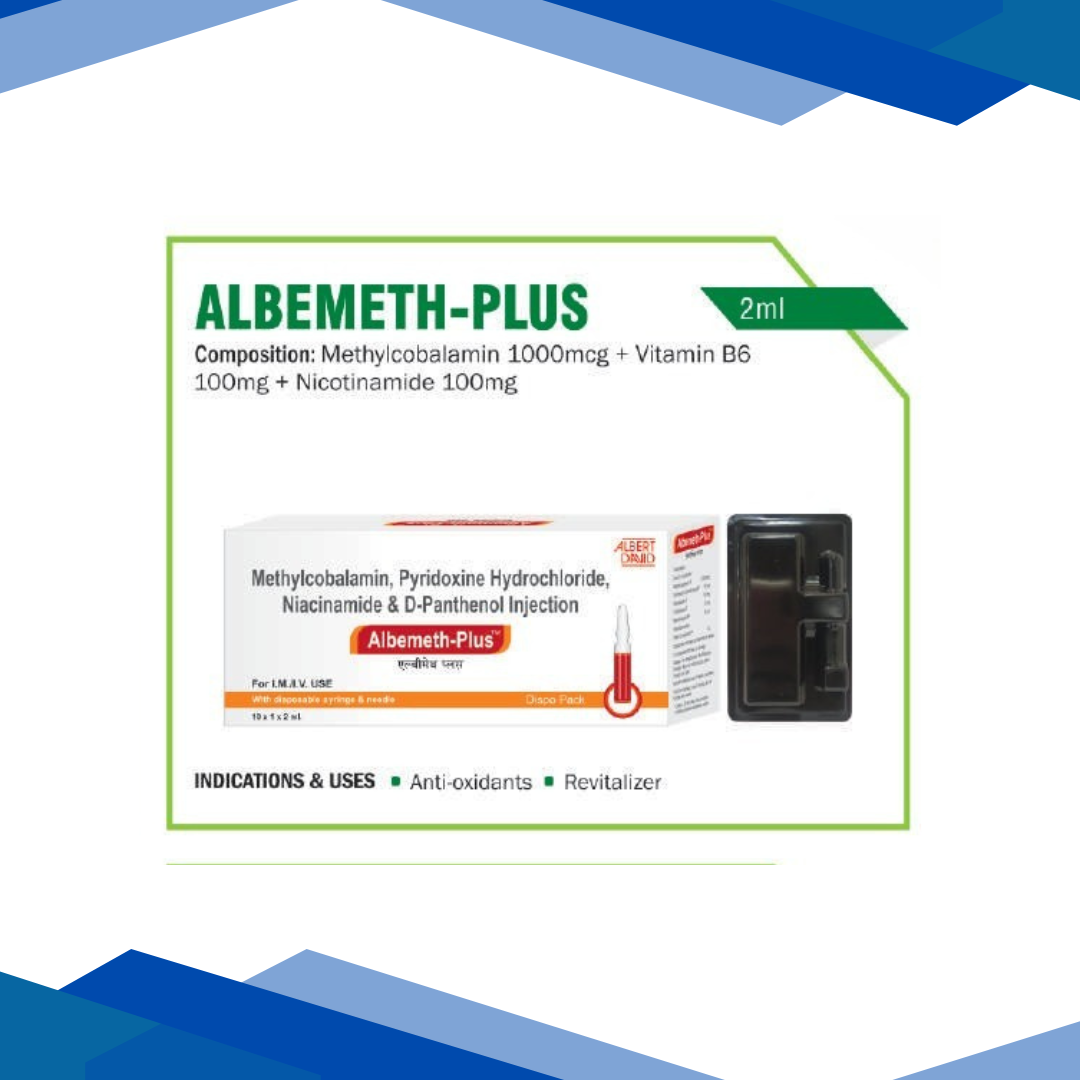
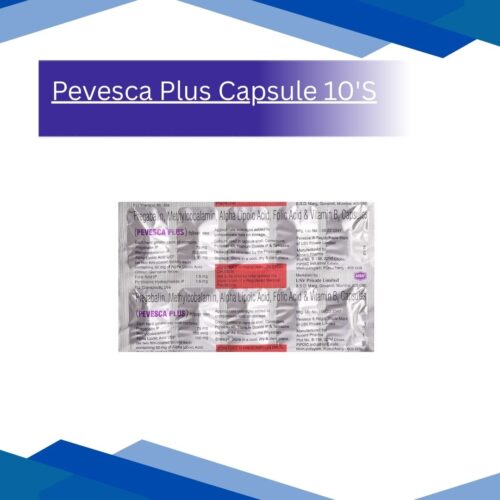
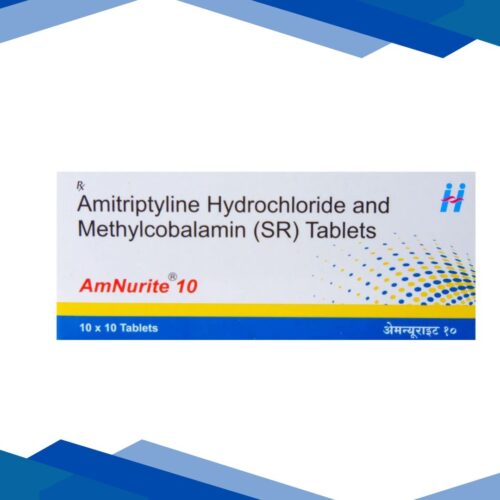
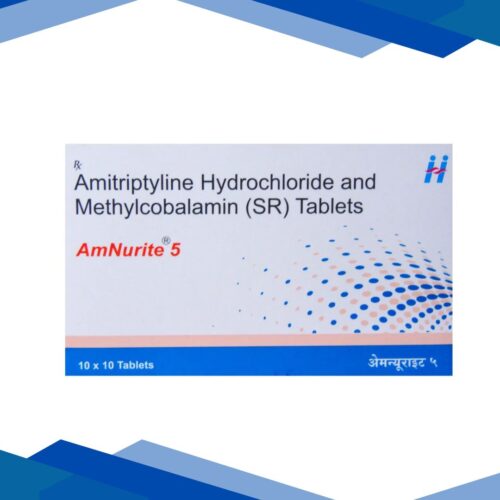
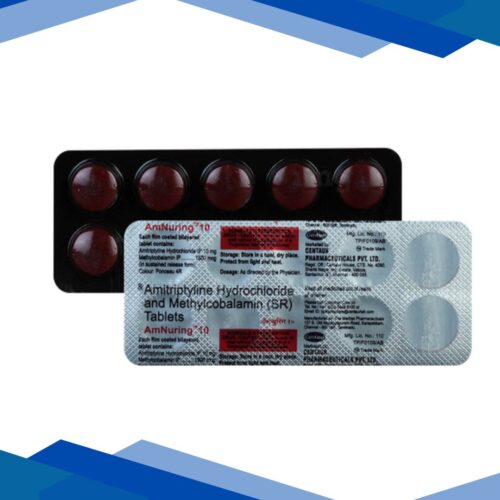
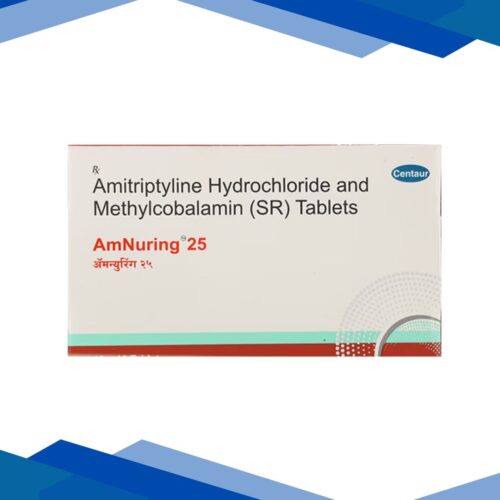
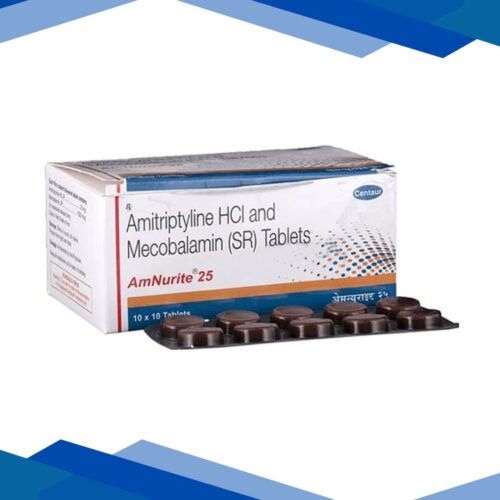
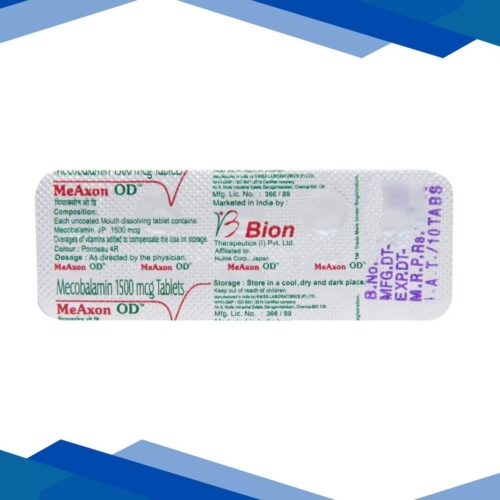
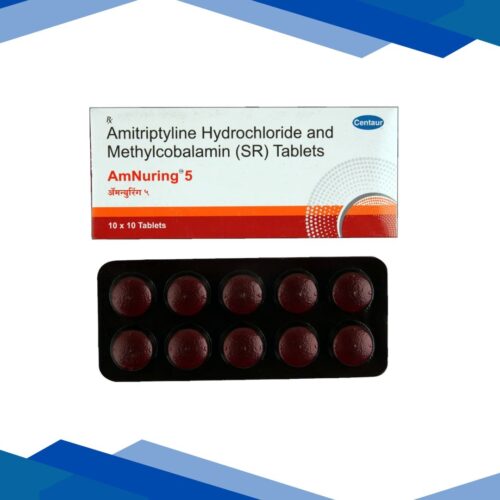
Methylcobalamin
METHYLCOBALAMIN
Overview
Methylcobalamin is a form of Vitamin B12, a water-soluble vitamin that plays a key role in nerve health, red blood cell production, and DNA synthesis. It’s the active, bioavailable version of B12 used by your body.
Classification
Vitamin B12
Uses
Methylcobalamin is commonly used to:
Treat Vitamin B12 deficiency
Support nerve function and help with conditions like peripheral neuropathy
Manage anemia caused by low B12
Aid in recovery from neurological disorders
Provide support for overall energy and metabolism
It may also be recommended in diabetic neuropathy, sciatica, and neurological pain management.
How It Works
Methylcobalamin works by:
Replenishing low B12 levels, which is crucial for making healthy red blood cells
Helping maintain the myelin sheath, the protective layer around nerves
Assisting in methylation processes – essential for detoxification, DNA repair, and mood regulation
Supporting proper neurological and cognitive function
Unlike other forms of B12 (like cyanocobalamin), methylcobalamin is already active, so the body doesn’t need to convert it to be effective.
Dosage
As prescribed by your doctor.
Side effects
Although generally safe, some people may experience:
Mild diarrhea
Nausea
Headache
Tingling or numbness
Skin rash or itching (rarely)
Allergic reactions, though uncommon
If side effects persist or worsen, it’s best to consult a healthcare provider.
Precautions
Pregnant or breastfeeding women should only use it if prescribed
People with Leber’s disease (a rare eye condition) should avoid B12 supplements
Use cautiously if you have kidney problems or a history of allergies
Let your doctor know about all medications or supplements you’re taking to avoid interactions
Regular monitoring may be needed for long-term use
Disclaimer
This content is for informational purposes only. Always consult a healthcare provider for medical advice and proper dosage
Nicotinamide
NICOTINAMIDE
Overview
Nicotinamide, also known as niacinamide, is a form of vitamin B3. It helps keep your skin, nerves, and digestive system healthy and supports the body’s natural energy processes.
Classification
Vitamin supplement
Uses
Helps treat or prevent vitamin B3 deficiency
Used to manage acne and other skin conditions
Supports skin healing and reduces inflammation
Sometimes used for anti-aging skincare
May assist in boosting cell energy and repair
How It Works
Nicotinamide helps the body by turning food into energy and supporting cell repair. On the skin, it helps reduce inflammation, control oil, strengthen the skin barrier, and improve overall skin texture and tone.
Dosage
As prescribed by your doctor.
Side effects
Most people tolerate nicotinamide well, but some may experience:
Upset stomach or nausea (with high doses)
Skin redness, itching, or mild irritation (with topical use)
Headache
Dizziness (rare)
Liver problems (very rare, usually with large oral doses over time)
Precautions
Tell your doctor if you have liver disease, diabetes, or stomach ulcers
Always follow the recommended dose — too much can cause side effects
If using a skin cream, test it on a small area first to check for irritation
Safe for most people, but pregnant or breastfeeding women should consult a doctor before use
Disclaimer
This content is for informational purposes only. Always consult a healthcare provider for medical advice and proper dosage
Vitamin B6
VITAMIN B6
Overview
Vitamin B6 is an essential nutrient that your body needs to stay healthy. It plays a big role in keeping your nerves, brain, and blood cells working properly. Since your body can’t make it on its own, you get it from food or supplements
Classification
Vitamin B6 is a water-soluble vitamin, part of the B-complex family. This means it dissolves in water and doesn’t stay stored in the body for long — so you need to take it regularly through diet or supplements.
Uses
Vitamin B6 is used for:
Boosting brain function and mood
Supporting healthy nerves
Forming red blood cells
Helping the body break down proteins and carbs
Relieving nausea during pregnancy
Improving PMS symptoms
Preventing or treating vitamin B6 deficiency
How It Works
Vitamin B6 helps the body:
Make neurotransmitters – chemicals that send messages in the brain
Produce hemoglobin – the part of red blood cells that carries oxygen
Break down food into energy
Keep the immune system strong
In short, it helps your brain, nerves, and metabolism stay in balance.
Dosage
As prescribed by your doctor.
Side effects
Usually safe when taken in normal amounts. But in large doses or long-term use:
Numbness or tingling in hands and feet
Nausea or stomach pain
Sensitivity to sunlight
Tiredness or headache
Nerve damage (very high doses over time)
Precautions
Don’t take high doses for a long time without a doctor’s advice.
Talk to your doctor if you have nerve problems, kidney disease, or are on other medications.
Safe during pregnancy and breastfeeding in recommended doses, but avoid overdosing.
Always follow the label or doctor’s instructions for the correct dosage.
Disclaimer
This content is for informational purposes only. Always consult a healthcare provider for medical advice and proper dosage