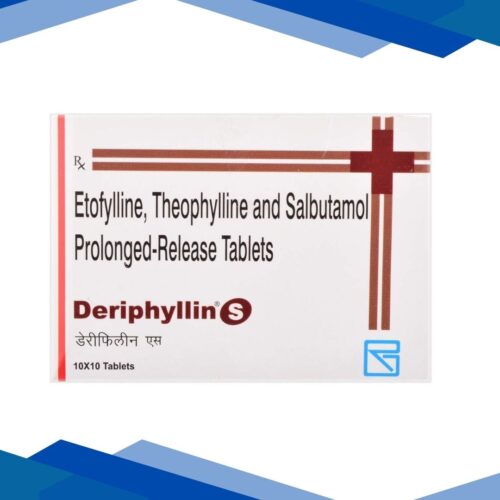
Etofylline
Etofylline: Uses, Benefits, and Side Effects
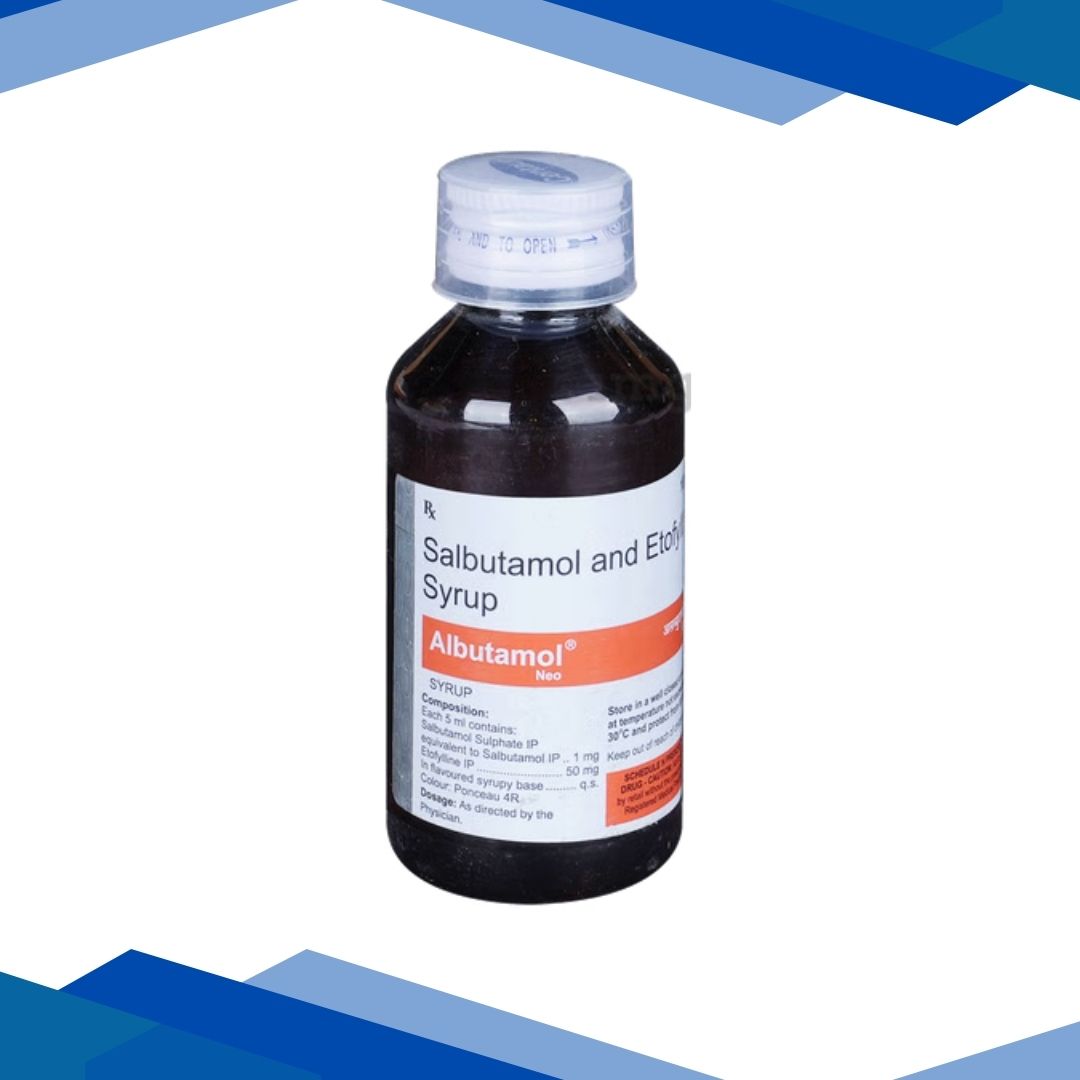
Etofylline is a potent bronchodilator used primarily to treat and manage respiratory conditions such as Asthma and Chronic Obstructive Pulmonary Disease (COPD). It belongs to the methylxanthine class of drugs, working effectively to relax the smooth muscles of the airways, making it significantly easier for patients to breathe.
How Etofylline Works
Etofylline acts by inhibiting the phosphodiesterase (PDE) enzymes. This action leads to an increase in cyclic AMP levels within the lungs, which:
- Relaxes airway muscles: Widens the bronchial tubes.
- Reduces inflammation: Decreases the lung’s overreaction to allergens.
- Improves airflow: Helps clear chest tightness and wheezing.
Key Highlights
| Feature |
Details |
| Drug Class |
Bronchodilator (Xanthine derivative) |
| Primary Uses |
Asthma, COPD, Chronic Bronchitis |
| Common Forms |
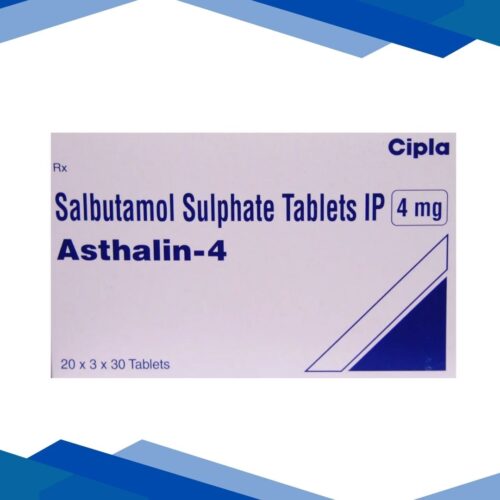
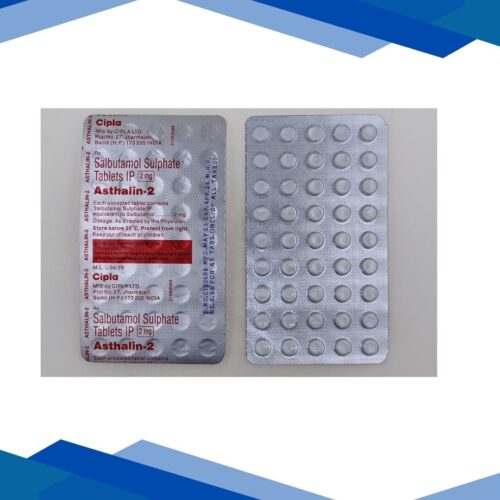
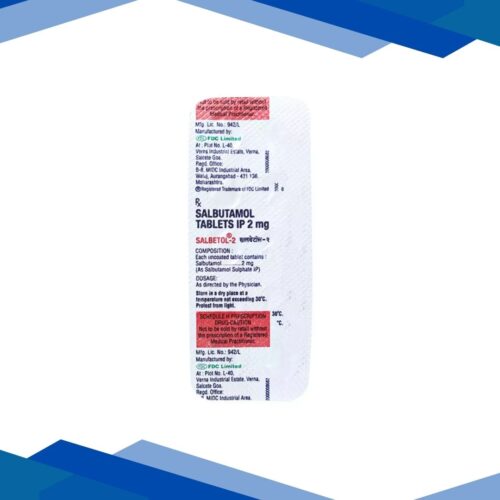
Tablets, Syrup, Injection |
| Alcohol |
Consult your doctor; may increase side effects |
| Pregnancy |
Use only if prescribed; potential risks to the fetus |
Side Effects of Etofylline
While most patients tolerate Etofylline well, some may experience mild to moderate side effects. It is important to monitor how your body responds during the first week of treatment.
Common Side Effects:
- Nausea and occasional vomiting
- Headache or dizziness
- Restlessness or mild anxiety
- Insomnia (difficulty sleeping)
- Increased heart rate (Palpitations)
Medical Alert: Seek immediate medical attention if you experience severe symptoms such as irregular heartbeat, seizures, or extreme abdominal pain.
FAQs about Etofylline
Q1: Can I take Etofylline on an empty stomach?
It is generally recommended to take Etofylline after a meal. Taking it on an empty stomach may cause gastric irritation or nausea in some individuals.
Q2: How long does it take for Etofylline to start working?
For chronic conditions, you may notice an improvement in your breathing within 1 to 7 days of consistent use. However, it is not a “rescue” medication for sudden, acute asthma attacks.
Q3: Is Etofylline safe for elderly patients?
Elderly patients should use this medication with caution, as the body may clear the drug more slowly. A doctor may suggest a lower dosage to prevent toxicity.
Q4: Should I avoid caffeine while taking this medicine?
Yes. Since Etofylline is related to caffeine, consuming high amounts of coffee, tea, or energy drinks can increase the risk of side effects like jitters and rapid heartbeat.
Q5: Can I stop taking this medication once I feel better?
No. Stopping the medication abruptly can cause your symptoms to return. Always complete the course prescribed by your healthcare provider.
Safety Advice
- Liver/Kidney Disease: Inform your doctor if you have any history of organ impairment, as dosage adjustments are often necessary.
- Driving: Avoid driving if you feel dizzy or restless after taking the tablet.
- Storage: Store in a cool, dry place below 30°C, away from direct sunlight and reach of children.
Disclaimer: The information provided here is for educational purposes only and is not a substitute for professional medical advice. Always consult a registered medical practitioner before starting any medication.