
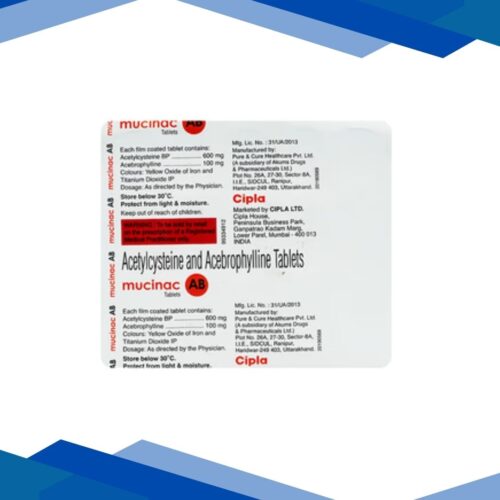
MUCINAC AB Tablet 15’s


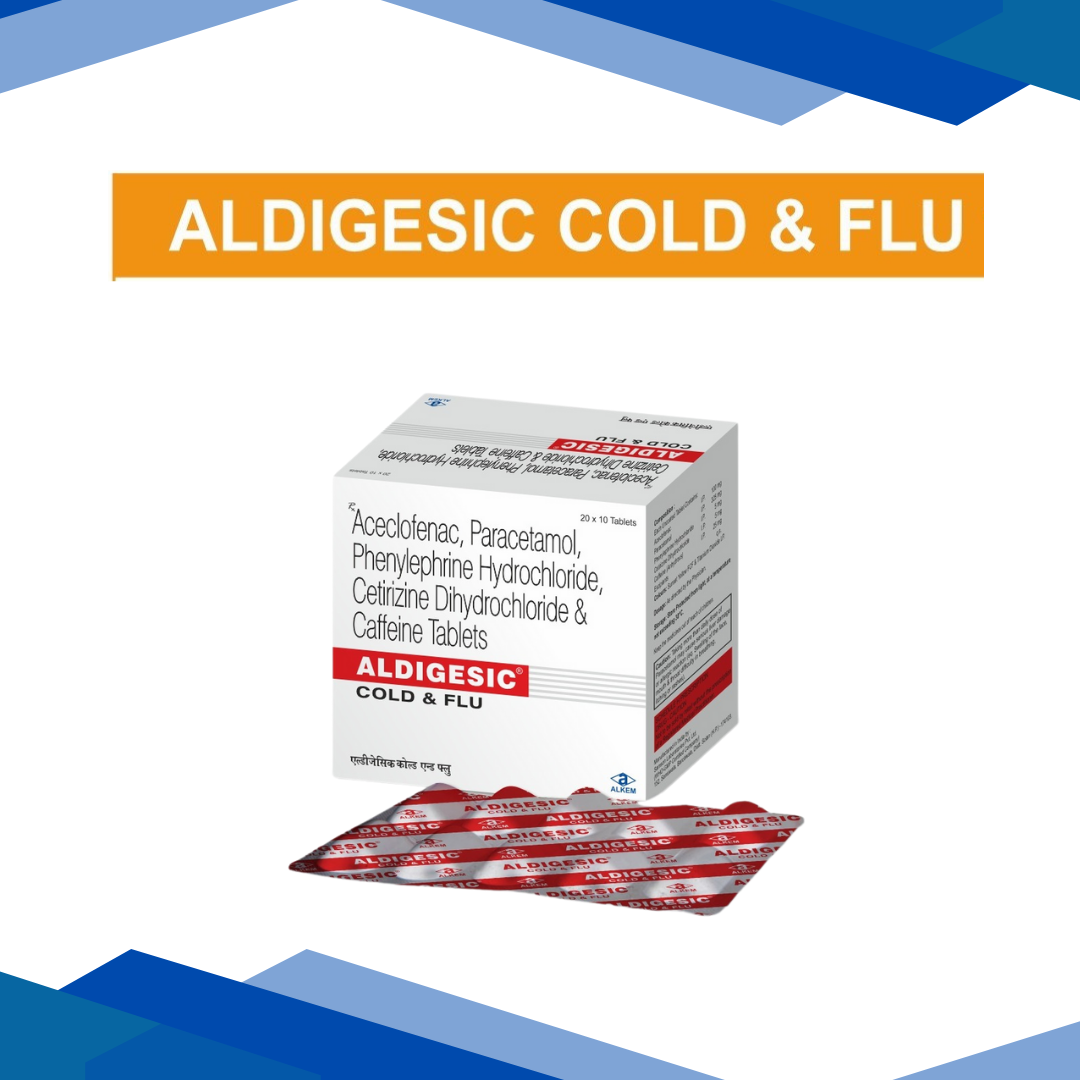
Aldigesic Cold & Flu
No Prescription yet? Don’t worry! Click Here to Get Online Consultation
Why Prescription is Required?
✅ Providing Right Medicines
Prescriptions are complex documents. We proofread and recheck at various steps to provide you the right medication in the correct form and dose.
⚖️ Helps Comply with the Law
Most medicines cannot be sold without a valid prescription, as per the Drugs and Cosmetics Act, 1940 and Rules, 1945.
Book Appointment with Doctor
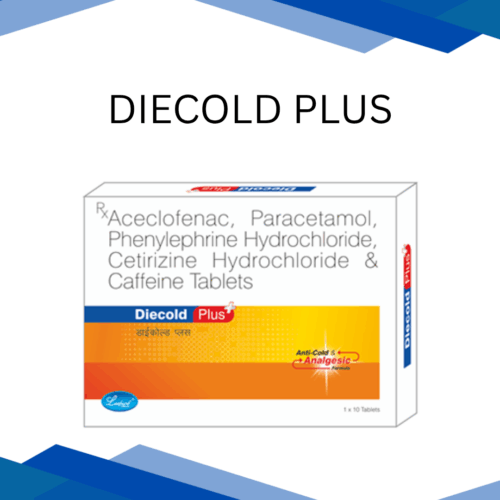
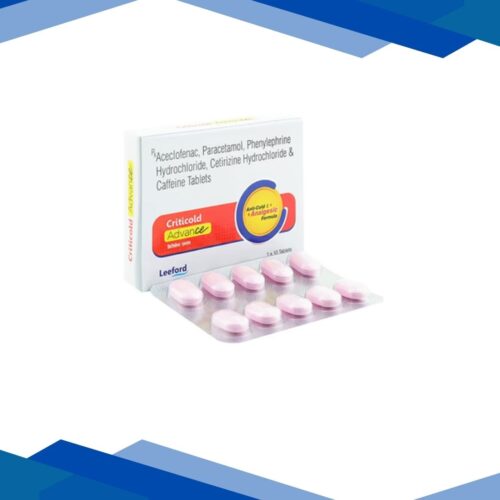
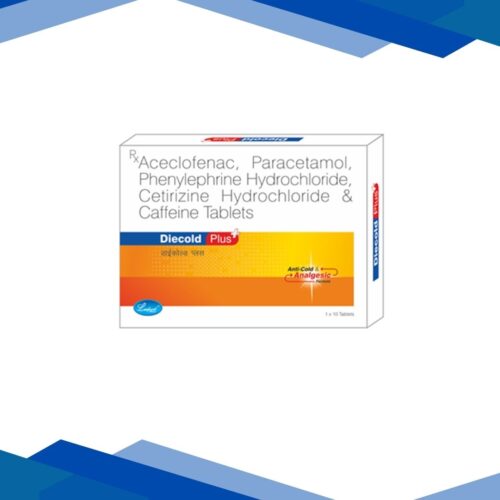
This combination is used to relieve pain and inflammation associated with arthritis and post-surgery. It has analgesic, antipyretic, and anti-inflammatory properties. For more details kindly click on Medicine Salts below:
Aceclofenac
Aceclofenac
Overview:
Aceclofenac is a nonsteroidal anti-inflammatory drug (NSAID) analog of diclofenac
Classification: Anti-inflammatory drug (NSAID)
Uses:
Aceclofenac is primarily used for pain management in chronic conditions like rheumatoid arthritis, osteoarthritis, or ankylosing spondylitis.
Rheumatoid arthritis: It relieves swelling and stiffness of joints and overall pain due to the condition.
Osteoarthritis: It helps alleviate painful, tender joints and manages pain.
Ankylosing spondylitis: It helps manage the stiffness and pain in this kind of spondylitis.
How it works:
It works by blocking the release of certain chemical messengers that cause pain and inflammation (redness and swelling).
Dosage: As directed by the physician
Precautions:
Tell your doctor if you have an allergic tendency to the medicine. Even if you are allergic to other medicines, you should discuss them with your doctor.
Alcohol consumption must be avoided as it can cause stomach bleeding.
Pregnant women are not supposed to take Aceclofenac + Paracetamol, more so in the advanced stages of pregnancy. The foetus may develop heart defects, or there may be a delay in birth
Those with ongoing symptoms or a history of stomach ulcers or bleeding anywhere in the digestive tract must not take this medicine.
Patients who suffer from heart disease, have a liver or kidney problem, or have high blood pressure must take caution.
If you have any pre-existing health conditions, like Asthma, Hypersensitivity, Peptic Ulcers, Stroke, Heart, Liver, or Kidney-related conditions, etc., speak with your doctor.
Breastfeeding women must take care and consume the medicine only after seeking a doctor’s advice.
Side Effects:
Mouth ulcer
Fatigue
Constipation
Allergic skin reactions
Abdominal pain
Bloody and cloudy urine
Dizziness
Drowsiness
Constipation
Fainting
Malaise
Disclaimer:
This content is for informational purposes only. Always consult a healthcare provider for medical advice and proper dosage.
Caffeine
CAFFEINE
Overview:
Caffeine is a natural substance that helps you feel less tired and more awake. You’ll find it in things like coffee, tea, cola, energy drinks, and even in some medications.
Classification: Central nervous system stimulants
Uses:
Fights sleepiness and helps keep you focused
Can help you stay mentally sharp during the day
Often added to pain relievers to make them work better (like in migraine treatment)
Sometimes used in newborns (especially premature babies) to help with breathing problems
How it works:
Caffeine helps you stay awake and focused by blocking a brain chemical called adenosine, which normally makes you feel drowsy.
By stopping adenosine, caffeine keeps your brain more active, helping you feel energized, alert, and a bit more awake. It can also slightly increase your heart rate and make you feel more awake physically and mentally.
Dosage: As prescribed by your doctor.
Side effects:
Having too much caffeine might cause:
Restlessness or shaky hands
Trouble falling asleep
Rapid heartbeat or a racing pulse
Stomach discomfort or acidity
Mild headaches, especially if you suddenly stop using it
Frequent urination
Feeling uneasy or anxious
Precautions:
Don’t have too much: Taking in large amounts of caffeine can make you feel nervous, interfere with sleep, or cause a fast heartbeat. It’s best to keep it moderate—about 1 to 3 cups of tea or coffee a day is usually safe.
If you’re sensitive, go slow: Some people react strongly to even small doses of caffeine, causing shakiness, headaches, or discomfort.
Avoid it before bedtime: Since caffeine keeps you alert, having it too late in the day (especially after the afternoon) can make it hard to fall asleep.
Pregnant or breastfeeding? Talk to your doctor. Too much caffeine might affect your baby, so it’s safer to limit your intake.
If you have heart issues, anxiety, or high blood pressure: Be careful—caffeine can sometimes worsen these problems.
Check food and medicine labels: Caffeine isn’t only in coffee—it’s also found in soft drinks, energy drinks, chocolate, and some pills like pain relievers or slimming products.
Disclaimer:
This content is for informational purposes only. Always consult a healthcare provider for medical advice and proper dosage
Cetirizine
CETIRIZINE
Overview:
Cetirizine is a commonly used allergy medicine that helps ease symptoms like sneezing, runny nose, itchy eyes, and skin rashes. It’s often used to treat both seasonal allergies (like pollen) and everyday allergies (like dust, pet hair, or mold).
Classification: Antihistamine
Uses:
Sneezing and runny nose from seasonal triggers like pollen
Red, itchy, or watery eyes
Itching in the nose or throat
Skin rashes like hives that are itchy or swollen
Discomfort from indoor allergies such as dust mites, pet fur, or mold
It works by calming the body’s overreaction to allergy triggers, making you feel more at ease.
How It Works:
Cetirizine works by blocking the action of a chemical called histamine in your body. Histamine is released when you’re exposed to things you’re allergic to—like pollen, dust, or pet dander—and it causes symptoms like sneezing, itching, and watery eyes.
By stopping histamine from doing its job, cetirizine helps reduce these allergy symptoms and makes you feel more comfortable. It starts working fairly quickly and usually doesn’t make you very sleepy, which is why many people prefer it for daytime use.
Dosage: As prescribed by your doctor.
Side Effects:
Most people tolerate Cetirizine well, but some may notice mild side effects like:
Drowsiness or feeling a bit sleepy (less than older allergy meds, but still possible)
Dry mouth
Headache
Feeling tired or low energy
Dizziness
Stomach discomfort or nausea (less common)
These side effects are usually mild and go away on their own
Precautions:
May cause slight drowsiness: While cetirizine is usually non-drowsy, some people might still feel a bit sleepy—so be cautious when driving or doing anything that needs focus until you know how it affects you.
Avoid alcohol: Drinking alcohol can make you more sleepy or dizzy when combined with cetirizine.
Talk to your doctor if pregnant or breastfeeding: Cetirizine is generally safe, but always check with your doctor before using it if you’re expecting or nursing.
Let your doctor know about other medications: Cetirizine can interact mildly with some medicines, so it’s best to share a full list with your healthcare provider.
Kidney problems: If you have kidney issues, your dose may need to be adjusted. Always use it under medical supervision in such cases.
Disclaimer:
This content is for informational purposes only. Always consult a healthcare provider for medical advice and proper dosage.
Paracetamol
PARACETAMOL
Overview
Paracetamol is a commonly used medication that helps relieve mild to moderate pain and reduce fever. It’s often used for:
Headaches
Toothaches
Muscle and back pain
Menstrual cramps
Cold and flu symptoms
It’s available over-the-counter and is considered safe when used as directed.
Classification
Analgesic and antipyretic agent
Uses
Paracetamol is used for pain relief and fever. It is used to relieve pain in conditions like headache, muscle pain, or dental pain.
How it works
When you produce a fever, your body’s internal thermostat — found in the hypothalamus portion of the brain — is raised to a higher temperature. This new set point is usually induced by pyrogens (substances made during infections) that tell the body to produce more heat as a form of immune defense.
Due to its effects in the brain, paracetamol reduces the production of reactive prostaglandins. Prostaglandins are disease-fighting chemicals released during infection that in turn, raise the body’s temperature set point. By decreasing prostaglandin levels, paracetamol enables the hypothalamus’ temperature control centre to bring the body’s temperature back down to normal, allowing the body to cool down and the fever to subside
Dosage
As directed by the physician
Precautions
Most people can take paracetamol safely, including:
pregnant women
breastfeeding women
children over 2 months of age – lower doses are recommended for young children
always get advice before taking paracetamol if you:
have liver or kidney problems
have problems with alcohol, like long-term alcohol misuse
are very underweight
are taking other medications
Don’t take paracetamol if you’ve had an allergic reaction to it in the past
Side effects
common side effects of paracetamol.
Nausea
Swelling
Vomiting
Pain
Tenderness in the upper abdomen
Sweating
Loss of appetite
Stomach cramps
Diarrhea
Major side effects are as follows:
Dark-colored urine
High fever
Lower backache
Skin having red spots
Rashes
Inflammation
Itching
Sore throat
Ulcers
Breathlessness
Yellowish eyes
Disclaimer
This content is for informational purposes only. Always consult a healthcare provider for medical advice and proper dosage.
Phenylephrine HCl
PHENYLEPHRINE
Overview
Phenylephrine is a medicine often used to relieve a stuffy or blocked nose. It works by shrinking swollen blood vessels in your nasal passages, helping you breathe more easily. You might find it in many cold, flu, or allergy medications.
Classification
Decongestants
Uses
Relieves nasal congestion due to colds, allergies, or sinus infections
Sometimes used to increase low blood pressure during surgery or in critical care
May be found in eye drops to dilate pupils during eye exams
How It Works
Phenylephrine works by narrowing the blood vessels in the nose. This reduces swelling and opens up your airways. When taken for blood pressure support, it tightens blood vessels throughout the body, which helps raise blood pressure.
Dosage
As prescribed by your doctor.
Side effects
Some common or possible side effects may include:
Headache
Dizziness
Nervousness or restlessness
Trouble sleeping (insomnia)
Increased heart rate or blood pressure
In rare cases, serious side effects like irregular heartbeat or chest pain can occur. Always report unusual symptoms to your doctor.
Precautions
Avoid it if you have high blood pressure, heart disease, thyroid problems, or glaucoma, unless your doctor says it’s safe.
Do not use more than the recommended dose – overuse can increase side effects.
Tell your doctor if you’re pregnant or breastfeeding before using.
If taken with other medications (especially for depression or blood pressure), it could interact negatively.
Not recommended for young children without medical advice.
Disclaimer
This content is for informational purposes only. Always consult a healthcare provider for medical advice and proper dosage