

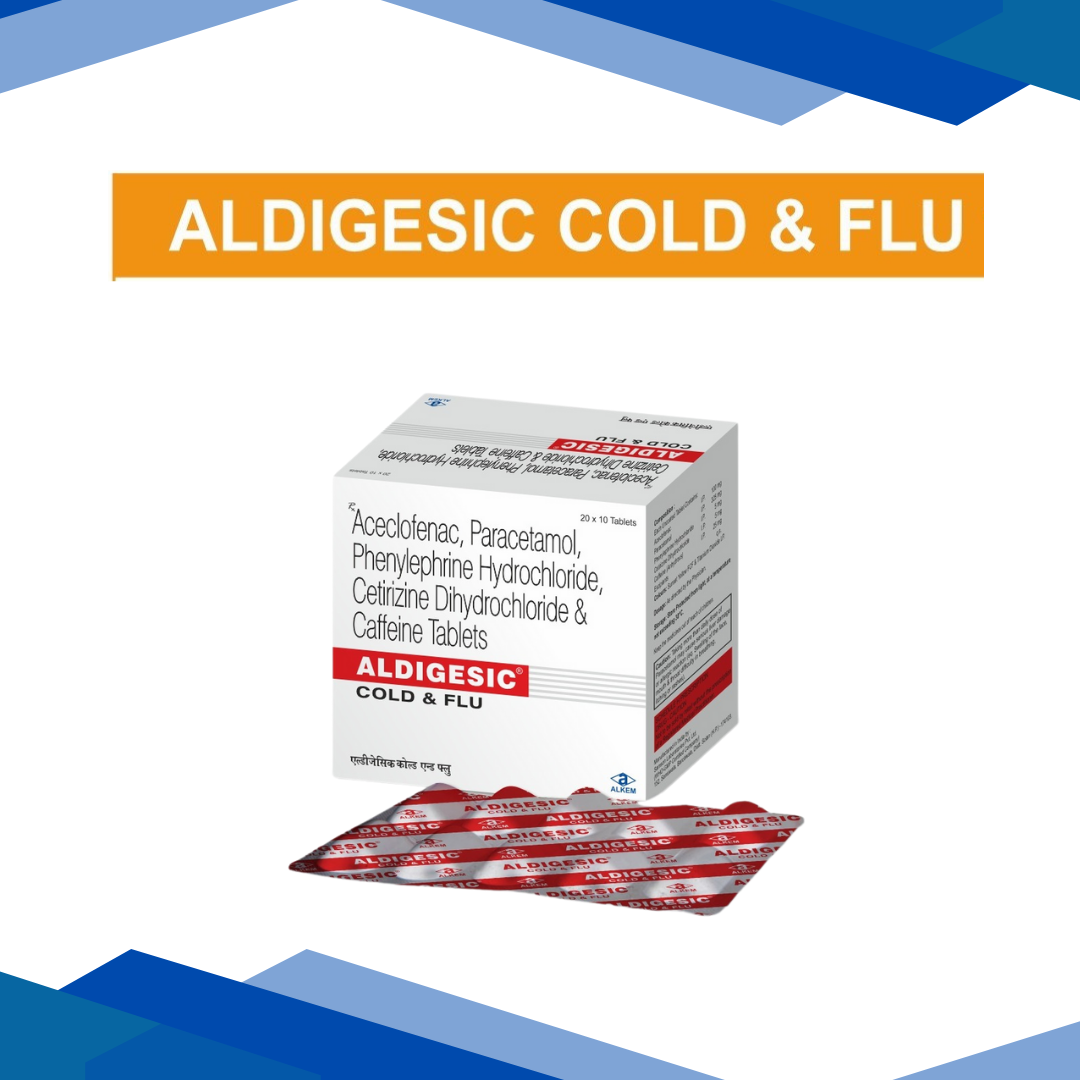
Aldigesic Cold & Flu
No Prescription yet? Don’t worry! Click Here to Get Online Consultation
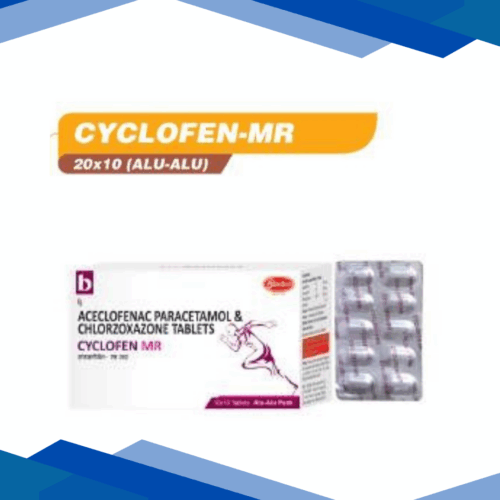
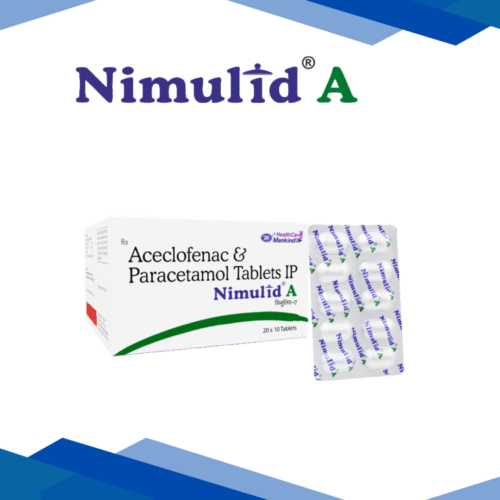
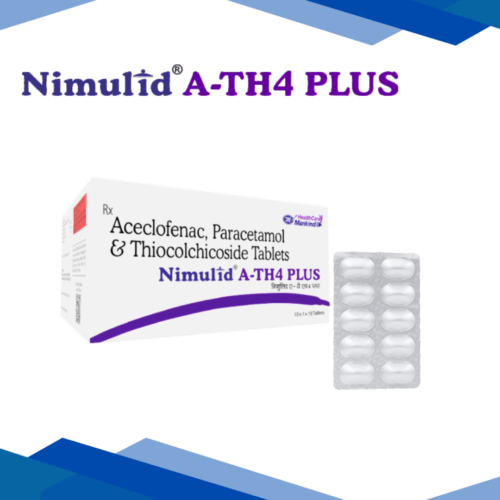
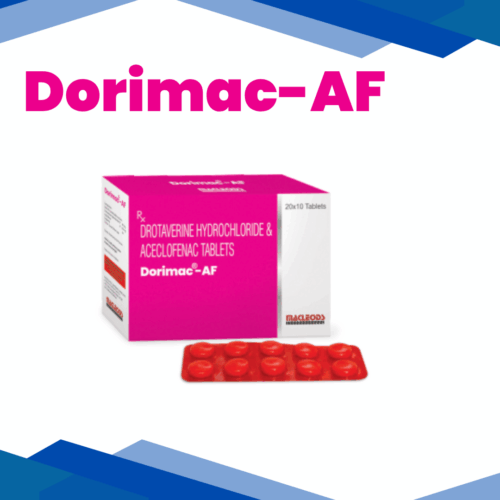
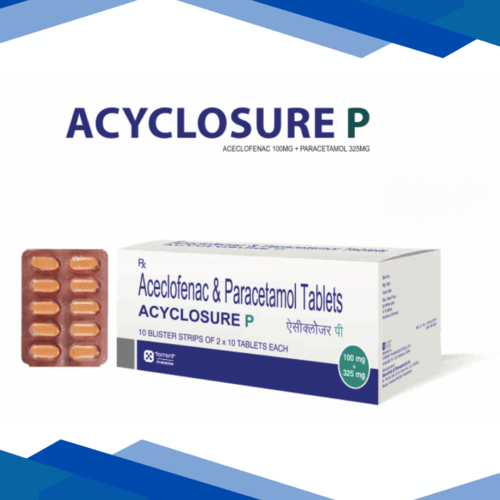
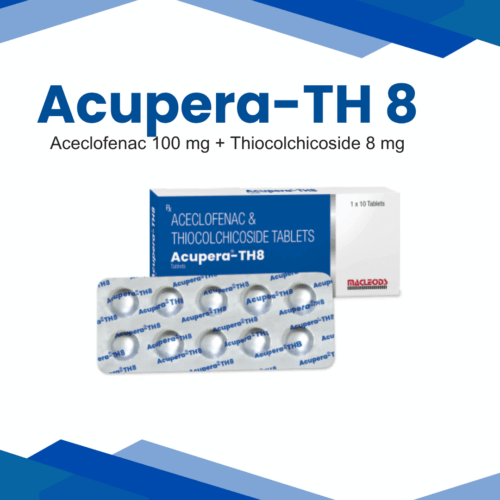
This combination is used to relieve pain and inflammation associated with arthritis and post-surgery. It has analgesic, antipyretic, and anti-inflammatory properties. For more details kindly click on Medicine Salts below:
Aceclofenac
Aceclofenac
Overview: Aceclofenac is a nonsteroidal anti-inflammatory drug (NSAID) analog of diclofenac Classification: Anti-inflammatory drug (NSAID) Uses: Aceclofenac is primarily used for pain management in chronic conditions like rheumatoid arthritis, osteoarthritis, or ankylosing spondylitis. Rheumatoid arthritis: It relieves swelling and stiffness of joints and overall pain due to the condition. Osteoarthritis: It helps alleviate painful, tender joints and manages pain. Ankylosing spondylitis: It helps manage the stiffness and pain in this kind of spondylitis. How it works: It works by blocking the release of certain chemical messengers that cause pain and inflammation (redness and swelling). Dosage: As directed by the physician Precautions: Tell your doctor if you have an allergic tendency to the medicine. Even if you are allergic to other medicines, you should discuss them with your doctor. Alcohol consumption must be avoided as it can cause stomach bleeding. Pregnant women are not supposed to take Aceclofenac + Paracetamol, more so in the advanced stages of pregnancy. The foetus may develop heart defects, or there may be a delay in birth Those with ongoing symptoms or a history of stomach ulcers or bleeding anywhere in the digestive tract must not take this medicine. Patients who suffer from heart disease, have a liver or kidney problem, or have high blood pressure must take caution. If you have any pre-existing health conditions, like Asthma, Hypersensitivity, Peptic Ulcers, Stroke, Heart, Liver, or Kidney-related conditions, etc., speak with your doctor. Breastfeeding women must take care and consume the medicine only after seeking a doctor’s advice. Side Effects: Mouth ulcer Fatigue Constipation Allergic skin reactions Abdominal pain Bloody and cloudy urine Dizziness Drowsiness Constipation Fainting Malaise Disclaimer: This content is for informational purposes only. Always consult a healthcare provider for medical advice and proper dosage.Caffeine
Caffeine 100/200 mg Tablet Caffeine is a potent Central Nervous System (CNS) stimulant belonging to the class of methylxanthines. When fatigued or drowsy, most users will turn to this compound for a successful return to mental alertness or wakefulness. Instead of merely using Caffeine in the treatment of patient's energy levels, the drug is very useful in aiding the treatment of pain medications giving great recourse to enhance analgesics along with Paracetamol or Aspirin and then in selected treatment conditions where respiratory symptoms are overt. Indications Mental Alertness: Serves as a quick aid to improved concentration and focus with a rapid cognitive processing speed. Relief of Pain: Assists in the relief of migraines and tension headaches as an adjuvant. Physical Performance: Reduces perception of effort and fatigue during high-intensity exercise. Respiratory support: In a neonatal unit, under close medical supervision, Caffeine is used to manage apnea of prematurity. Mechanism of Action Caffeine works primarily as an adenosine receptor antagonist in the brain. Adenosine is a naturally occurring neurotransmitter that promotes relaxation and sleep; thus, by inhibiting its receptor binding, caffeine suppresses the onset of fatigue/lassitude. Additionally, it causes an excess release in the brain of the neurotransmitters dopamine and norepinephrine, which improve mood and make one more perceptive. Usage/Dosage Instruction For Adults: 100 to 200 mg every 3 to 4 hours as needed. Maximum Doses: Not to exceed 400 mg in a 24-hour period. How to Use: Swallow the tablet with water; it can be taken without food or with some light snack to reduce stomach acidity. Safety Information and Warnings Pregnancy and Breastfeeding: Limit intake. At high doses, they are linked with low birth weight. Consult your OB-GYN. Cardiovascular diseases: Use with extreme caution if you have hypertension (high blood pressure) or even heart diseases, as these may cause increased heart rate. Anxiety Disorders: Stress, tremors, and panic attacks can exacerbate symptoms in people with sensitivity. Sleep Hygiene: Consumption of tablets past six hours before bedtime may cause sleep obstruction. Possible Side Effects Generally well-tolerated at recommended doses, yet some users may occur: Nervousness or "jitters" Increased heart rate (palpitations) Urination: more frequent (diuretic effect) Digestive Troubles or Heartburn Headaches (Often associated with the withdrawal of caffeine) Frequently Asked Questions Q: Can I take Caffeine tablets instead of sleeping? A: No. Caffeine tablets are a stimulant and not a sleep substitute. Caffeine has the ability to mask sleep with tiredness, and not to play a healing biological role in sleep. Q: Can I combine these tablets with coffee or energy drink? Limit other caffeine sources while taking these tablets, or else you could easily take a dose of 400mg or more throughout the day, which would easily exacerbate caffeine toxicity symptoms like severe anxiety or a racing heartbeat. Q: Why is caffeine included in pain relievers? Caffeine constricts blood vessels in the brain which helps the body absorb pain-relief medication like Ibuprofen 40 percent faster, thus enabling better relief from a migraine. Q: Can caffeine cause dehydration? Caffeine tends to encourage increased urination; the substances do not lead to dehydration in those who habitually consume enough fluids throughout the day. Q: Can Children Take No-Doz Caffeine Tablets? No-Doz tablets should be avoided in children under 12 years of age; adolescent consumption should be exercised only under parental or medical guidance. Expert Opinion Pro Tip: For beginners of caffeine, a dose of 100 mg or below will work in order for the beginning while assessing tolerance. Keep the "crash" under control by keeping yourself hydrated and getting the necessary amount of sleep without relying on stimulants for exhaustion you might get due to chronic lack of sleep. Disclaimer: Information presented here is for educational purposes only, not in the place of professional medical advice. Consult your physician before starting the regimen mentioned herein.
Cetirizine
Cetirizine: Resolve Allergies & Hay Fever with One Pill Cetirizine, a beloved safe antihistamine of the 2nd generation, grants prompt relief from various allergic symptoms. Whether dealing with the springtime hay fever or year-round indoor allergies, Cetirizine has the answer in store for you, and only you. Unlike its older cousins, which drowsed people rather drastically, the medicine causes significantly fewer drowsiness and ensures we get things done under control. Common Treatment Conditions Allergic Rhinitis: Cetirizine helps with itchy throat, nasal itching, watery drainage, and sneezing due to pollens, dust, and pet danders. Hives: The medicament gives some relief from the intense itching and stops the raised bumpy, red skin welts that come with chronic skin allergies. Watery Eyes: It gives relief from the itching and irritation of eyes, frequently affecting eyes with environmental allergens. Bug Bites: Can diminish the swelling and tenderness in a local reaction to a bug bite. How Does It Work? For anyone with a constitutionally-regulated airway: The moment an intruder like pollen is picked up by your body, histamine is released. It is this histamine that accounts for all the symptoms of allergy such as redness, itching, and surplus mucus. Cetirizine acts by specifically targeting H1 receptors and keeping histamine from binding with them so that the chemical message is more or less cancelled out. This complete cessation happens within twenty to sixty minutes of the drug's set into system; most disturbing symptoms are benefited by just one dose for at least 24 hours. Use and Safety Compliance Dosage Flexibility: It is infuriating to see that Cetirizine can be taken with meals or without them. If side effects are a concern, better take with meals. Issue of Timing: If a bit drowsy, it may be way wiser to take the medication at bedtime for the best effects. Water As A Must: Occasionally antihistamines can lead to a dried-out-feeling mouth, so water should be sip on while on these medications. No Alcohol Please: Although this medication is classified as "low-drowsy," adding alcohol in the equation will increase the adverse effect of fatigue dramatically. Cetirizine: Frequently Asked Questions (FAQ) Q: Is Cetirizine a "non-drowsy" tablet? A: Yes, but this is classified into the nonsedating antihistamines. However, a few people, maybe around 10%, may still feel drowsiness during the medication. Therefore, take them during the day and see how you feel after taking the first dose. Q: Can I take Cetirizine every day? A: Many doctors will say yes when you have seasonal allergies, but this advice must be interposed with questions about how long one uses Cetirizine. Certainly, long-term use of such conditions or symptoms will have the dose strictly regulated by the healthcare provider. Q: For how long can I enjoy the last dose? A: One 10-mg dose usually works for around 24 hours, and you may not need another tablet within 24 hours after taking the first one, as informed by the doctor. Q: What about effects in children? A: Cetirizine can also be used in children but with a lower dosage or syrup; it is crucial you get the correct dose from a pediatrician based on the age and body mass of the child. Q: Is it okay to use during pregnancy? A: Cetirizine is considered the least dangerous of all antihistamines used during pregnancy, mostly by OB-GYN experts. This should be discussed with your OB/GYN before giving you the go-ahead; it should be taken under the watchful eye of your doctor until after the pregnancy. Product Quick Facts & Safety Profile FeatureDetailsDrug ClassAntihistamine (Second Generation) Onset of Action20–60 Minutes Duration of Effect24 Hours Most Common Side EffectsVery mild headaches, dry mouth, and infrequent fatigue preceding the drowsiness Symptomatic ContraindicationsSevere kidney disease, hypersensitivity to hydroxyzine Patient Note: If you are due to have an allergy skin test, stop taking cetirizine at least 3 to 4 days before the test as the drug can interfere with skin reaction leading to possibly faulty results.
Paracetamol
Paracetamol 500mg Tablet Paracetamol is probably the most prescribed and widely used medicine in the world. It is commonly administered to relieve mild-to-moderate pain and to reduce fever. It is well known for its dual action as an analgesic and antipyretic. It is considered a first-line treatment for common ailments such as headaches and fever, and is generally regarded as safe when used within recommended limits.
Key Therapeutic Uses Fever: Helps in the rapid reduction of high body temperature during viral infections or common flu. Headache & Migraine: Effective for dull, throbbing pain associated with tension-type headaches. Muscle & Joint Pains: Relieves minor backache, period cramps, and toothache. Post-Vaccination Recovery: Used to manage mild soreness or low-grade fever after vaccination.
Usage Guidelines Standard Adult Dose: Typically 500mg to 1000mg every 4 to 6 hours as needed. Maximum Limit: Do not exceed 4000mg (4 grams) in a 24-hour period, as this may cause serious liver damage. Administration: Swallow the tablet whole with water; it can be taken with or without food. Children: Dosage must be weight-based. Use pediatric formulations like syrups or drops as advised.
Safety & Precautions Combination Medicines Warning: Many cold and flu products contain paracetamol (acetaminophen). Avoid double dosing. Alcohol: Limit alcohol intake, as combining with paracetamol increases the risk of liver toxicity. Liver & Kidney Health: Consult a doctor if you have liver or kidney disorders. Allergic Reactions: Rarely may cause rash, swelling, dizziness, or breathing difficulty. Seek immediate medical attention if these occur.
Adverse Effects Paracetamol is usually well tolerated, but rarely may cause:
- Mild nausea
- Skin rash or itching
- Very rare blood disorders (leukopenia, thrombocytopenia)
Frequently Asked Questions (FAQs) Q: How long does Paracetamol take to work? A: Relief usually begins within 30 minutes to 1 hour. Fever reduction may take slightly longer. Q: Can I take paracetamol during pregnancy? A: It is generally considered safe when used at the lowest effective dose, but always consult your OB-GYN before use. Q: Is paracetamol better than ibuprofen? A: It depends on the condition. Paracetamol is ideal for pain and fever, while ibuprofen may be better for inflammation. Q: Can I take Paracetamol on an empty stomach? A: Yes, it is gentle on the stomach and can be taken without food. Q: What happens if I miss a dose? A: If taken as needed, take it when remembered, ensuring at least a 4-hour gap and not exceeding the daily maximum dose.
Phenylephrine HCl
PHENYLEPHRINE Overview Phenylephrine is a medicine often used to relieve a stuffy or blocked nose. It works by shrinking swollen blood vessels in your nasal passages, helping you breathe more easily. You might find it in many cold, flu, or allergy medications. Classification Decongestants Uses Relieves nasal congestion due to colds, allergies, or sinus infections Sometimes used to increase low blood pressure during surgery or in critical care May be found in eye drops to dilate pupils during eye exams How It Works Phenylephrine works by narrowing the blood vessels in the nose. This reduces swelling and opens up your airways. When taken for blood pressure support, it tightens blood vessels throughout the body, which helps raise blood pressure. Dosage As prescribed by your doctor. Side effects Some common or possible side effects may include: Headache Dizziness Nervousness or restlessness Trouble sleeping (insomnia) Increased heart rate or blood pressure In rare cases, serious side effects like irregular heartbeat or chest pain can occur. Always report unusual symptoms to your doctor. Precautions Avoid it if you have high blood pressure, heart disease, thyroid problems, or glaucoma, unless your doctor says it’s safe. Do not use more than the recommended dose – overuse can increase side effects. Tell your doctor if you’re pregnant or breastfeeding before using. If taken with other medications (especially for depression or blood pressure), it could interact negatively. Not recommended for young children without medical advice. Disclaimer This content is for informational purposes only. Always consult a healthcare provider for medical advice and proper dosage
At Gem Pharmacy, we make every effort to provide accurate, expert-written, and thoroughly reviewed information related to medicines. However, this information should not be considered a substitute for professional medical advice, diagnosis, or treatment from a qualified doctor.
The purpose of this information is to educate users and improve communication between patients and healthcare professionals. It should not be used to diagnose or treat any condition.
Always consult a certified healthcare professional before taking any medication.


Related products