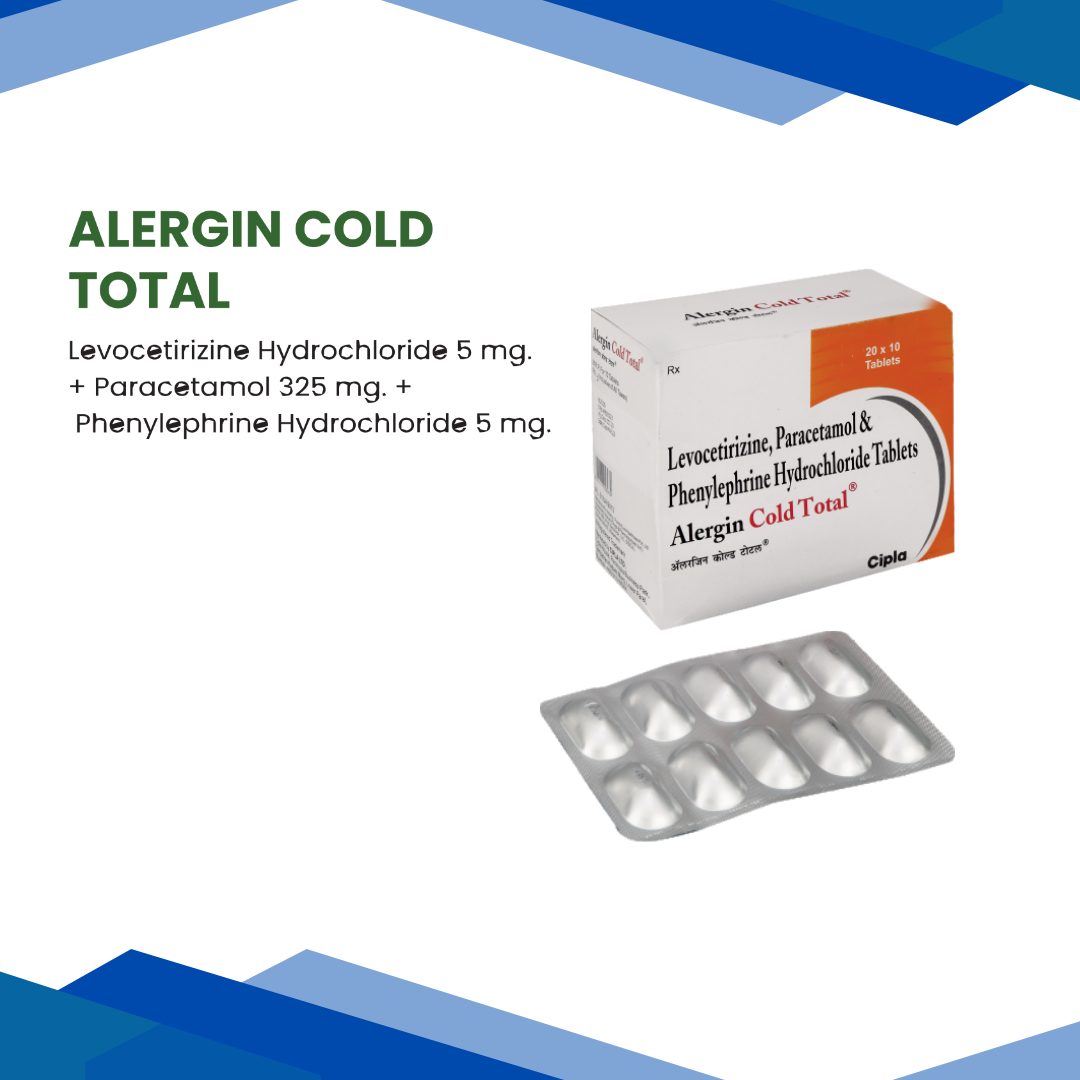
Levocetrizine
Tablet Levocetrizene 5mg
Levocetrizine is a third-generation antihistamine that is a strong and effective treatment for a wide range of allergic complaints. It is the R-enantiomer of cetirizine. It was developed to have superior potency at a lower dose with the advantage of minimal sedation compared to other allergy medicines. It works by preventing the release of histamine, which is the basic natural chemical causing the allergic reactions of the body.
Main Indications:
(1) Allergic Rhinitis: Levocetrizine will help soothe sneezing, runny nose, and itching or watery eyes as a result of seasonal (hay fever) or perennial allergies.
(2) Chronic Urticaria: It is highly effective in treating skin-related allergic manifestations namely chronic hives, itching syndrome, and red bumps.
(3) Dust and pet allergies: Levocetirizine ensures protection against the most commonly encountered indoor environmental allergens.
Levocetrizine Usage Instructions
Dosage: One standard adult dosing regimen is taking 5 mg as a single dose once daily in the evening. Typically, time-adjusted dosing based upon the weight and age of children may be part of physician recommendations.
Timing: Recommendations are made to take this medicine in the evening, as some individuals report mild sedative effects.
With or Without Food: It is taken with or without food and water.
Consistency: For chronic conditions, one may take a pill at roughly the same time each day to provide a consistent antihistamine level in the blood.
Important Safety Guidelines
Pro Tip: Levocetirizine is referenced as the “non-sedating” antihistamine, but every person is different, so don’t drive or try operating machinery until you know how your body shall react to the medication.
Alcohol warning: Do not take alcohol when taking Levocetirizine — this would only enhance tiredness and reduced ability to stay awake.
Kidney Health: Patients with severe renal insufficiency should contact their doctor since dosage adjustments may usually be necessary.
Pregnancy & Nursing: You should consult a physician before you use it if you are pregnant, planning to become pregnant, or breastfeeding.
Common Side Effects
Most people experience few to no side effects. Nevertheless, complaints of the following common side effects have been made:
- Slight drowsiness or fatigue
- Dry mouth
- Sore throat or cough
- Light headache
Note: All these are generally temporary. If you detect a rash or facial swelling, seek medical attention.
Frequently Asked Questions (FAQs)
Q: Is Levocetrizine the same as Cetirizine?
A: No. The levorotary isomer is the more developed version of cetirizine. Thus, achieving the same theoretical efficacy with a smaller dose (5 mg vs. 10 mg) has fewer side effects.
Q: How fast does Levocetrizizine start to work here?
A: Often, most patients note relief as fast as 1 hour following the dose; the peak effect is usually reached in 2 to 3 hours; the effect can last for 24 hours.
Q: Can I continue this dosage daily for my allergies?
A: Yes, if it is being prescribed to you for chronic rhinitis or severe urticaria. This medicine should be administered on daily basis throughout the allergy season or, as per the allergen trigger.
Q: Is weight gain a possible adverse effect of Levocetrizine?
A: Weight gain seems to be not a common side effect of the drug; however, some antihistamines are associated with an increased appetite. Discuss things with your nutritionist if you notice significant amounts of weight gain.
Q: What if I miss a dose?
A: Try to take it as soon as you remember it. However, if it is almost time for the next scheduled dose, you can skip the missed dose. Do not ingest two tablets for a single forgotten dosage.
Paracetamol
PARACETAMOL
Overview
Paracetamol is a commonly used medication that helps relieve mild to moderate pain and reduce fever. It’s often used for:
Headaches
Toothaches
Muscle and back pain
Menstrual cramps
Cold and flu symptoms
It’s available over-the-counter and is considered safe when used as directed.
Classification
Analgesic and antipyretic agent
Uses
Paracetamol is used for pain relief and fever. It is used to relieve pain in conditions like headache, muscle pain, or dental pain.
How it works
When you produce a fever, your body’s internal thermostat — found in the hypothalamus portion of the brain — is raised to a higher temperature. This new set point is usually induced by pyrogens (substances made during infections) that tell the body to produce more heat as a form of immune defense.
Due to its effects in the brain, paracetamol reduces the production of reactive prostaglandins. Prostaglandins are disease-fighting chemicals released during infection that in turn, raise the body’s temperature set point. By decreasing prostaglandin levels, paracetamol enables the hypothalamus’ temperature control centre to bring the body’s temperature back down to normal, allowing the body to cool down and the fever to subside
Dosage
As directed by the physician
Precautions
Most people can take paracetamol safely, including:
pregnant women
breastfeeding women
children over 2 months of age – lower doses are recommended for young children
always get advice before taking paracetamol if you:
have liver or kidney problems
have problems with alcohol, like long-term alcohol misuse
are very underweight
are taking other medications
Don’t take paracetamol if you’ve had an allergic reaction to it in the past
Side effects
common side effects of paracetamol.
Nausea
Swelling
Vomiting
Pain
Tenderness in the upper abdomen
Sweating
Loss of appetite
Stomach cramps
Diarrhea
Major side effects are as follows:
Dark-colored urine
High fever
Lower backache
Skin having red spots
Rashes
Inflammation
Itching
Sore throat
Ulcers
Breathlessness
Yellowish eyes
Disclaimer
This content is for informational purposes only. Always consult a healthcare provider for medical advice and proper dosage.
Phenylephrine Hydrochloride
PHENYLEPHRINE HYDROCHLORIDE
Overview
Phenylephrine is a nasal decongestant used to temporarily relieve nasal discomfort caused by colds, allergies, and hay fever. It works by reducing swelling in the nasal passages, making it easier to breathe. However, it does not address the underlying cause of the symptoms or speed up recovery
Classification
Nasal decongestants
Uses
Oral and nasal phenylephrine are used as nasal decongestants to temporarily unblock a nose or relieve sinus pressure in people with nasal and sinus congestion caused by colds, allergies, or hay fever. While phenylephrine can provide some symptom relief, it doesn’t treat the underlying cause or speed recovery
How it works
Phenylephrine Hydrochloride is a sympathomimetic amine used as a topical decongestant, systolic vasopressor, and mydriatic agent. Its mechanism of action works through various pathways with the mechanism of action primarily based on its ability to stimulate alpha-adrenergic receptors, particularly alpha-1 receptors, which are involved in vascular smooth muscle contraction.
Dosage
As directed by the physician
Precautions
Before using Vazculep, please note:
Allergies: If you’re allergic to phenylephrine or any of its ingredients, avoid using this medication.
Children: Keep this medication out of reach of children. In case of overdose, seek medical help or contact a Poison Control Center immediately.
Contraindications (Do not use if you have):
Severe high blood pressure (hypertension)
Ventricular tachycardia (a type of rapid heart rate)
Closed-angle glaucoma (a condition affecting the eyes)
Hypersensitivity to phenylephrine or sulfites (a type of preservative)
Use with caution if you have:
Heart or blood vessel problems
Thyroid issues
Diabetes
Enlarged prostate
Liver or kidney problems
Asthma or sulfite sensitivity
Pregnancy & Breastfeeding:
Use during pregnancy only if the potential benefit justifies the potential risk to the fetus.
Considered safe during breastfeeding, but consult your doctor.
Side effects
Injection Site Reactions: Leakage of intravenous medication
Cardiovascular: High blood pressure (hypertension)
Heart Rate: Slow heart rate (bradycardia)
Mental Health: Anxiety, nervousness, restlessness
Neurological: Headache, dizziness, lightheadedness
Respiratory: Shortness of breath, chest tightness, wheezing
Gastrointestinal: Nausea, stomach pain or upset
Renal: Reduced urine output, decreased blood flow to the kidneys
Pulmonary: Fluid accumulation in the lungs (pulmonary edema)
Rebound Symptoms: Nasal congestion worsening after initial relief (rebound congestion)
Skin: Burning or stinging sensation
Other: Sneezing
If you experience any of these side effects, it’s important to consult with a healthcare professional for guidance.
Disclaimer
This content is for informational purposes only. Always consult a healthcare provider for medical advice and proper dosage.