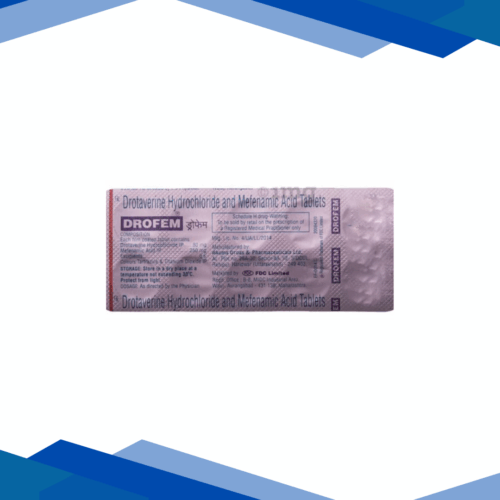
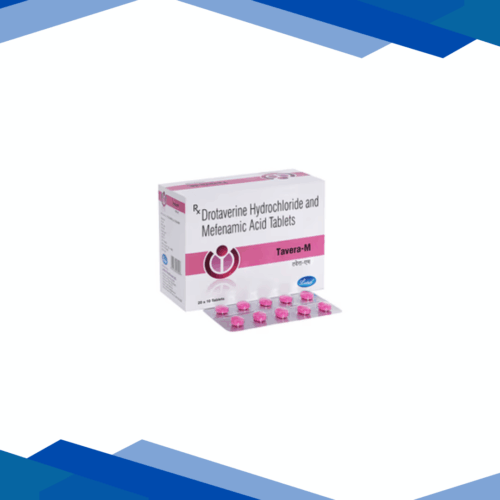
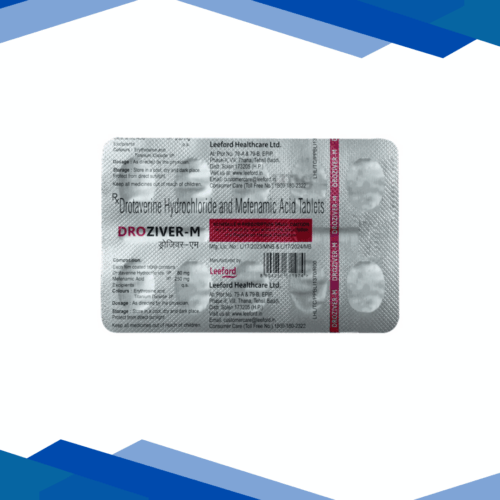
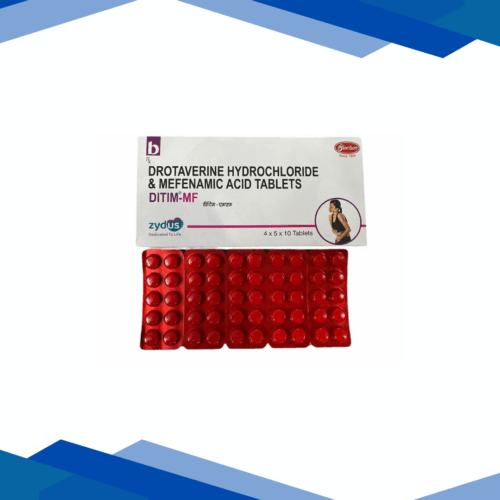
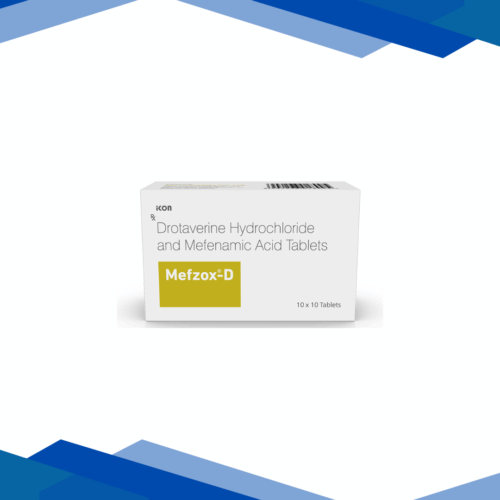
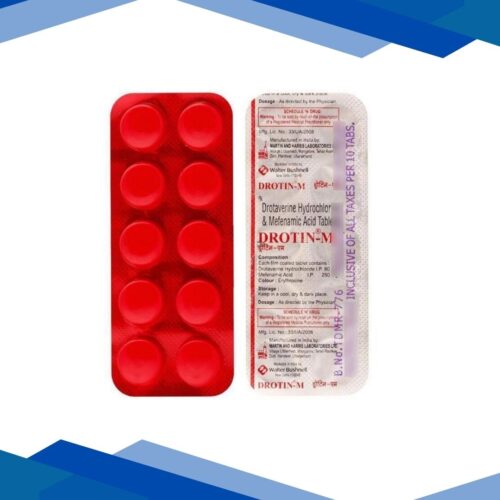
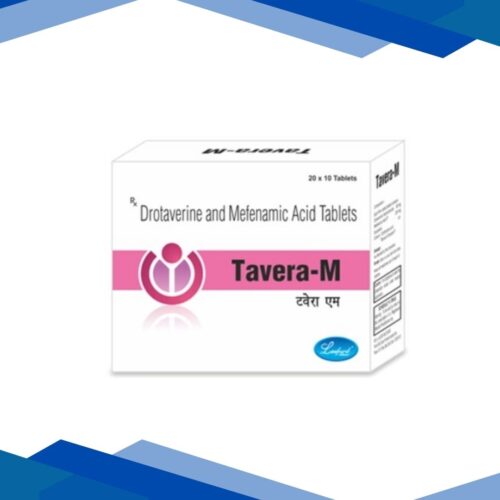
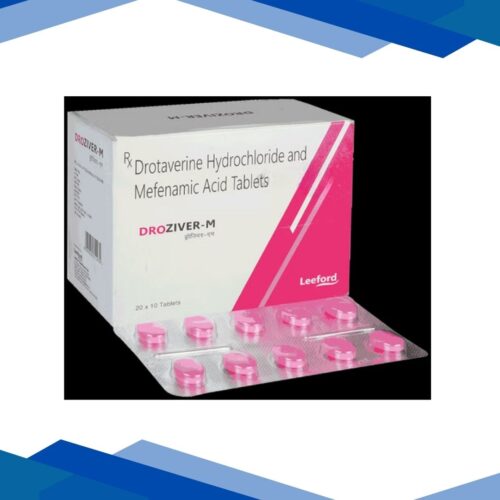
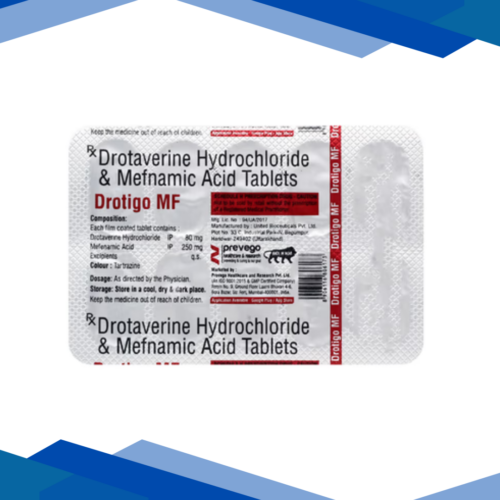
Drotaverine Hydrochloride
Drotaverine Hydrochloride for an Instant Alleviation of Abdominal Pain and Muscle Cramps
Drotaverine is a most powerful antispasmodic used in the treatment of any contractions in the smooth muscles of the stomach, pelvic region, and gastrointestinal tracts. It acts on the very tissue of the spasm, escaping the rather unsatisfactory work of painkillers and at the same time leaving the central nervous system untouched.
When the cop on the beat is fighting menstrual cramps or irritable bowel syndrome (IBS), or when a swooper like kidney stones is a random [case] who doesn’t dare swim to either side of the fore, Drotaverine will retrieve comfort for patients by relaxing the muscles in their internal organs.
Benefits and Nutrients
Generally, as far as uterine spasm is concerned, Drotaverine is highly efficacious for dealing with the following situations:
Menstrual Pain (Dysmenorrhea): Decreases the pain signaled during the period and the discomfort in the pelvis.
Abdominal Pain: Relieves spasms seen during ulcers of the stomach, gastritis, or enteritis.
Urinary Genitals Relief: Manages the pain of kidney stones (nephrolithiasis) or the bladder wall inflammation.
Biliary Colics:
For relief of pain related to kidney stones or gall bladder issues.
How Drotaverine Works: Drotaverine acts by the inhibition of enzyme phosphodiesterase IV (PDE4), leading to an increase in the levels of cyclic AMP within the smooth muscle cells. This results in the relaxation of these muscles, taming the pain of a cramp.
Directions For Use:
Dose: First and foremost, always follow the dose lining up the perceptions of the docs. Commonly, its frequency might be about 2 to 3 times a day, depending on the severity of pain.
Route: It should be taken with a glassful of water, often with or without food.
Missed dose: If you forget to take a dose, take it when you remember. Skip it and go for the next round if the next dose is about due. Please do not induce double-dose intake.
Peculiarities and Precautions
As in the majority of the instances with Drotaverine, one can experience some side effects.
Modest dizziness or headache
nausea or constipation
palpitations
dry mouth
Talk to your doctor before taking this drug in case:
You suffer from heavy liver, kidney, or cardiac problems.
You are pregnant or nursing.
You’re allergic to Drotaverine or other ingredients in a tablet.
FAQs
1. How long does it take for Drotaverine to start working?
Most patients begin to feel relief within 30 to 60 minutes of taking the tablet. Its peak effect is usually reached within two hours.
2. Is Drotaverine acceptable for regular headaches?
No. Drotaverine is strictly for antispasmodic relief for smooth-muscle cramps (the stomach or uterus). It has no effect on tension headaches or migraines.
3. Is it safe to have alcohol when on this medicine?
One should generally avoid alcohol while taking Drotaverine, as it may heighten dizziness and irritation in the gastrointestinal lining.
4. Can I take Drotaverine while I am pregnant?
Please conduct further studies before moms-to-be get actively recommended colon-cleanse products.
Airborne transmitters help the bacteria to spread in public restrooms; however, I would recommend cleaning oneself in a private bathroom, just in case one cannot hold it.
Mefenamic Acid
MEFENAMIC ACID
Overview:
Mefenamic acid helps soothe aches and pains — especially those caused by your period, muscle strain, or head pressure.. It also helps calm down swelling and discomfort so you can feel more at ease and carry on with your day.
Classification:Nonsteroidal Anti-inflammatory Drug (NSAID)
Uses:
Mefenamic acid is used to relieve mild to moderate pain, especially period cramps, muscle aches, joint pain, toothaches, and headaches.This medicine also soothes inflammation and helps cool down a fever, making tough days a little easier.
How it works:
Mefenamic acid works by blocking certain natural substances in your body (called prostaglandins) that cause pain, swelling, and fever. By cutting down these chemicals, it helps soothe pain, calm swelling, and lower a high temperature — helping you feel better faster.
Dosage: As prescribed by your doctor.
Side Effects:
Stomach pain or cramps
Nausea or vomiting
Heartburn or indigestion
Headache
Dizziness
Precautions:
Prior to the intake of Mefenamic Acid, inform your doctor whether you experience stomach ulcers, bleeding trouble, kidney, liver complications, or heart failures. It should be taken along with food or milk since it can upset the stomach lining.Pregnant women (at least during the later stages), lactating mothers, and those intending to do so should not take it without first consulting their doctor as it may not be safe at all stages of pregnancy.It should also not be conjoined with other forms of pain relievers such as ibuprofen or aspirin unless the doctor permits otherwise. Excess of NSAIDS may cause chances of developing stomach or kidney problems
Disclaimer: This content is for informational purposes only. Always consult a healthcare provider for medical advice and proper dosage.