Amlodipine
AMLODIPINE
Overview:
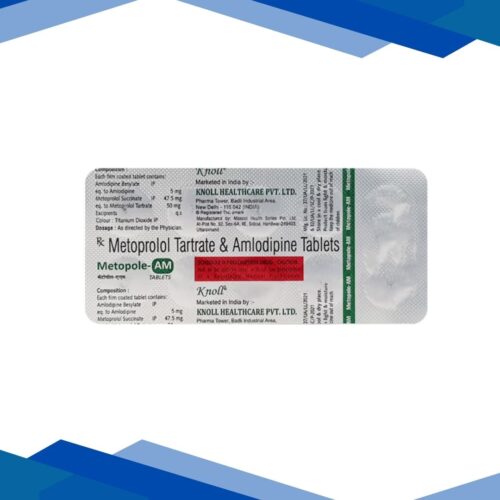
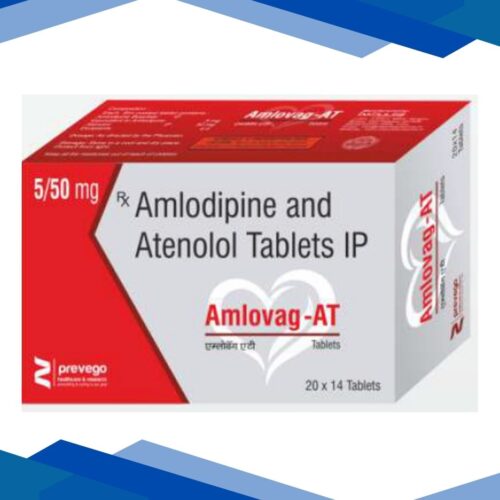
Amlodipine is a medication prescribed for managing high blood pressure and chest pain, known as angina. It is part of a class of medications called calcium channel blockers. The drug functions by relaxing and expanding the blood vessels, facilitating smoother blood flow. This action helps to lower blood pressure, alleviate chest pain, and prevent cardiovascular issues such as heart attacks and strokes.
Classification: Calcium Channel Blocker (CCB)
Uses:
This medication is used to manage high blood pressure (hypertension) and prevent chest pain (angina). It aids in enhancing blood circulation and decreasing the heart’s workload, potentially reducing the risk of heart attacks or strokes in certain patients.
How it works:
Amlodipine is classified as a calcium channel blocker. Its mechanism involves preventing calcium from entering the muscle cells in the heart and blood vessels. This action results in the relaxation and dilation of blood vessels, leading to reduced blood pressure and enhanced oxygen delivery to the heart.
Dosage: As prescribed by your doctor.
Side effects:
Dizziness or lightheadedness
Swelling in the legs or ankles
Flushing (warm feeling)
Fatigue
Precautions:
Inform your doctor if you experience liver issues, heart failure, or low blood pressure. Use with caution in elderly individuals. Refrain from consuming alcohol as it may heighten side effects. It is not advised during pregnancy without consulting a healthcare professional. Inform your doctor if you experience liver issues, heart failure, or low blood pressure.
Disclaimer: This content is for informational purposes only. Always consult a healthcare provider for medical advice and proper dosage
Enalapril
ENALAPRIL
Overview:
Enalapril is a medicine that belongs to the ACE inhibitor class, mainly used to treat high blood pressure and heart failure. It works by relaxing blood vessels, making it easier for the heart to pump blood and reducing strain on the heart and circulation. Doctors often prescribe it to lower the risk of strokes, heart attacks, and kidney problems, especially in people with hypertension or diabetes.
Classification: Angiotensin-Converting Enzyme (ACE) Inhibitor
Uses:
- Treats high blood pressure (hypertension)
- Helps manage heart failure
- Used to improve survival after a heart attack
- Protects the kidneys in people with diabetes or hypertension
- Reduces risk of strokes and heart-related problems in high-risk patients
How it works:
Enalapril works by blocking certain body chemicals that normally make blood vessels tighten and hold onto extra salt and water. When these effects are stopped, the blood vessels relax, fluid buildup decreases, and the heart doesn’t have to work as hard. This brings down blood pressure and supports smoother blood flow from the heart.
Dosage: As prescribed by your doctor.
Side Effects:
- Dry, persistent cough
- Dizziness or lightheadedness
- Headache
- Fatigue or weakness
- Nausea or stomach upset
- Skin rash or itching
- Increased potassium levels
Precautions:
- Use with caution if you have kidney problems, liver disease, or heart conditions.
- May increase potassium levels, so avoid taking extra potassium or salt substitutes unless advised by your doctor.
- Not safe during pregnancy (can harm the baby) or breastfeeding.
- Can cause low blood pressure, especially after the first dose — stand up slowly to avoid dizziness.
- Watch for signs of allergic reaction or swelling (angioedema) and seek help immediately.
Disclaimer:This content is for informational purposes only. Always consult a healthcare provider for medical advice and proper dosage.