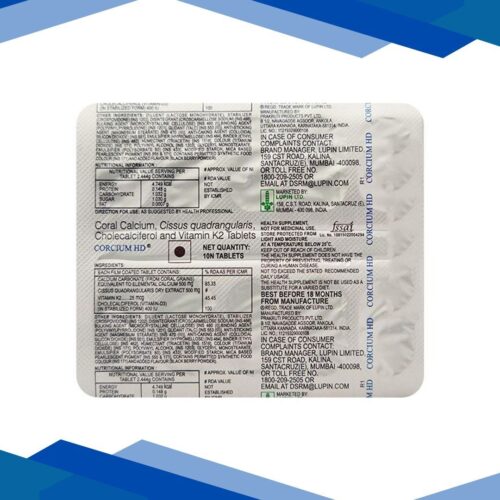
CORCIUM HD Tablet 10’s

Bold Care Extend Delay Spray 50 g
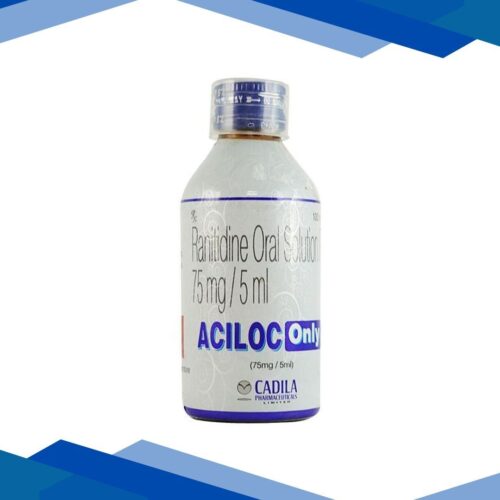
Aciloc Only Oral Liquid 100ml
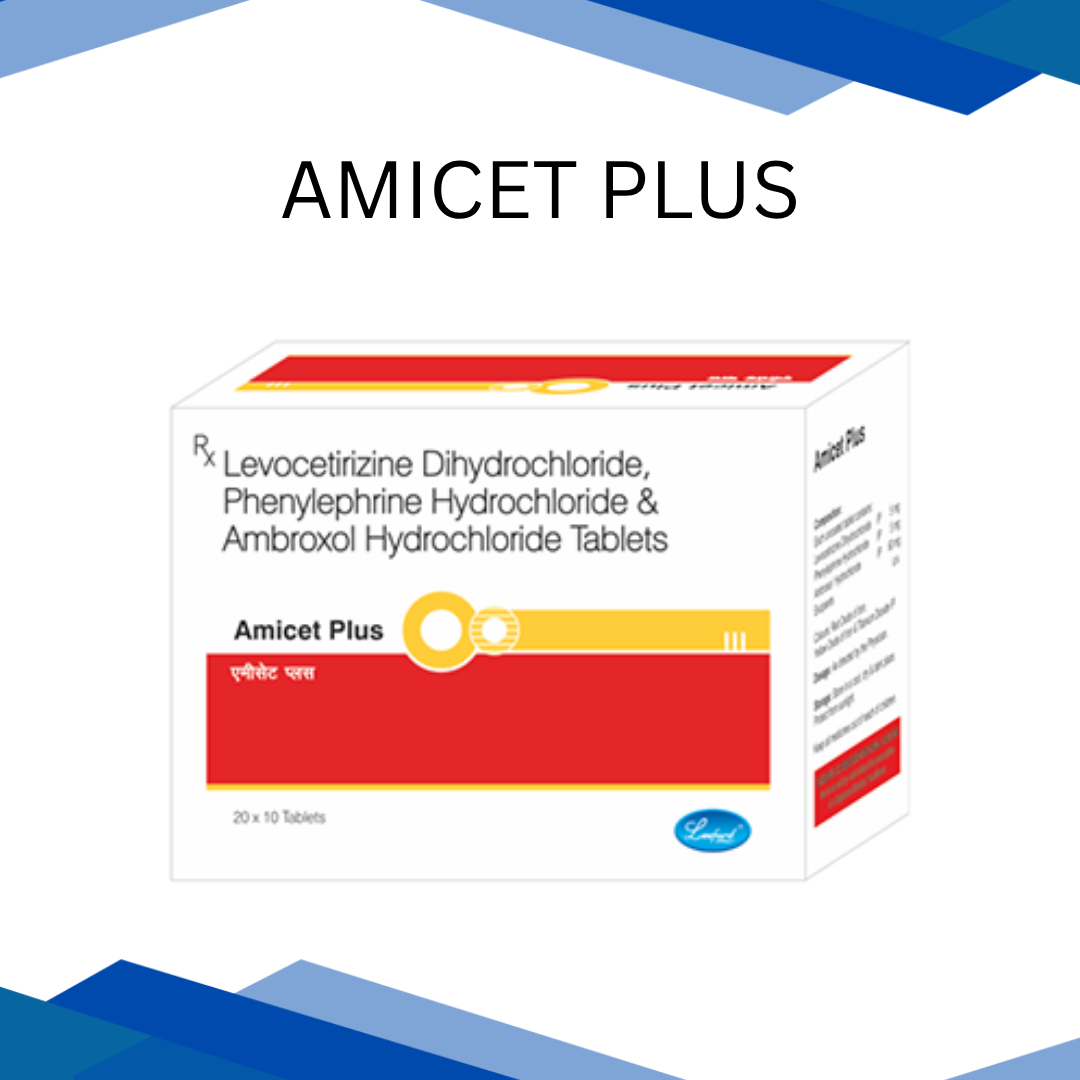
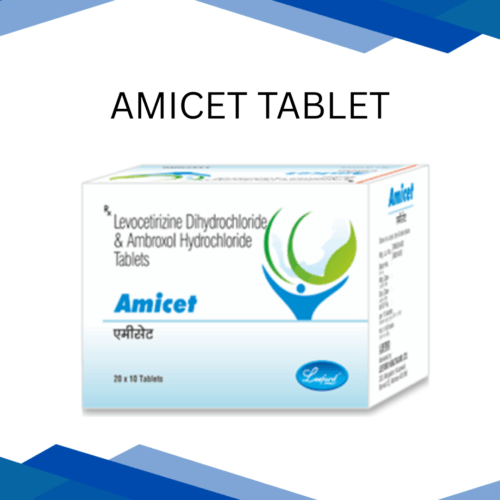
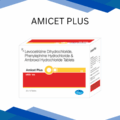
Amicet Plus
❌ Due to high demand, this product is currently out of stock. New stock will be available shortly.
👉 Click here to Buy Same Salt medicine
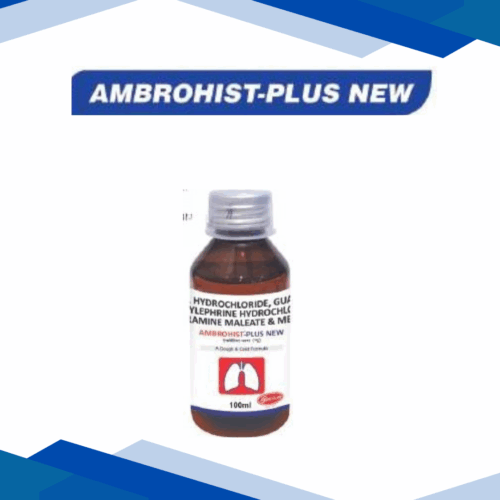
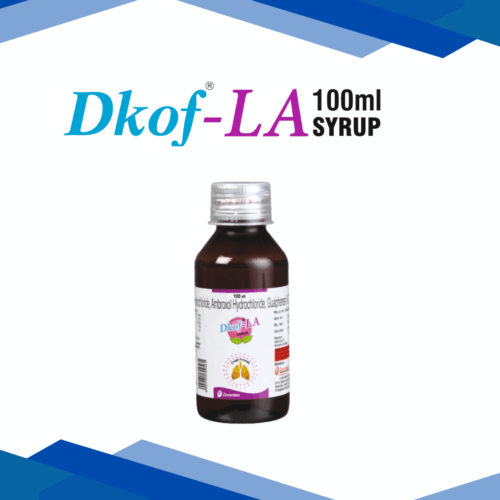
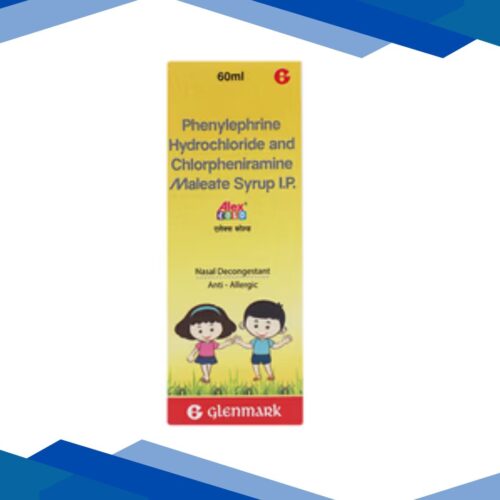
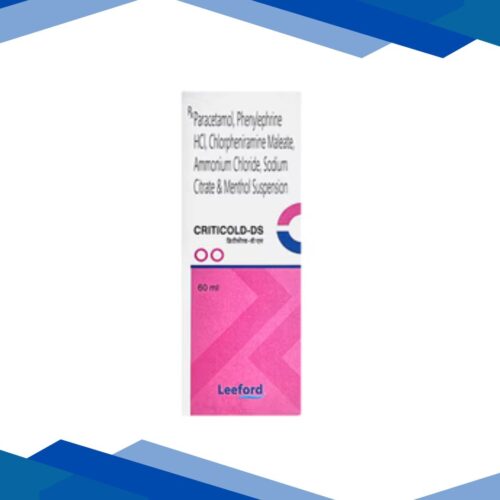
This combination is used to treat cold, allergies, and respiratory congestion by relieving nasal blockage, reducing mucus, and controlling allergy symptoms like sneezing and runny nose.
Ambroxol Hydrochloride
AMBROXOL HYDROCHLORIDE
Overview:
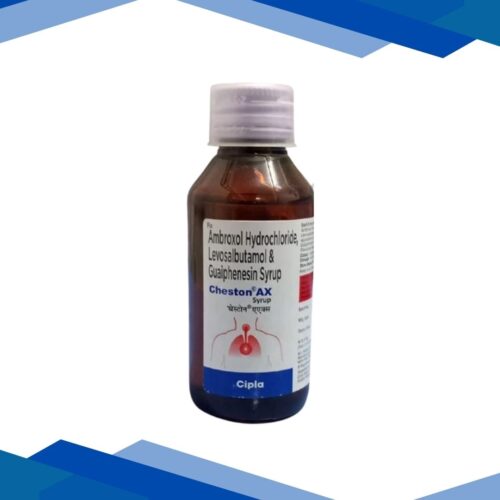
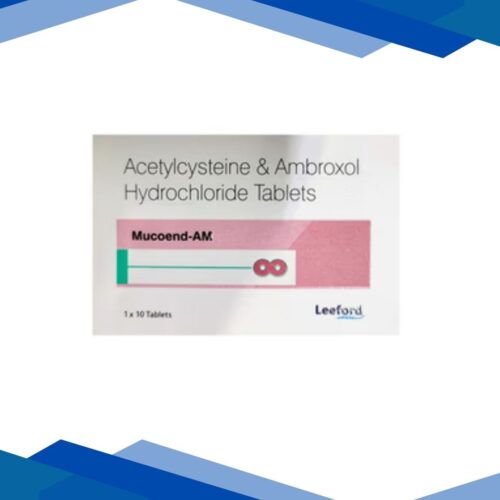
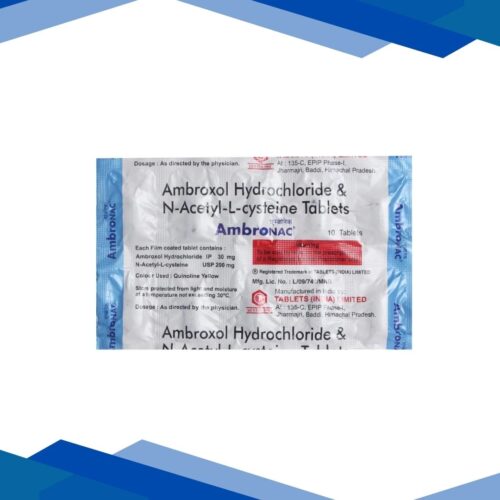
Ambroxol Hydrochloride is a drug intended to assist in the relief associated with cough and inhaling complications because it helps to clear mucus in the respiratory tract. It is a mucolytic drug that operates by liquefying and dislodging dense mucus in the lungs, thus the thick mucus is easily released in the form of sneezes.
Classification: Mucolytic agent
Uses:
Ambroxol Hydrochloride, is used to treat mucus coughs, characterised by excessive production of mucus containing cough, usually found in bronchitis, asthma, chronic obstructive pulmonary disease (COPD) and other respiratory tract infections. It acts by making the mucus less thick and loose, thus providing an easy way of expelling them and clearing the airways. This will improve breathing and provide relief on a congested chest. Also, it can be beneficial in case of a sore throat where it has some analgesic effect in the throat.
How it works:
Ambroxol Hydrochloride acts by loosening up of thickened mucus in the respiratory tract by making it less viscous and also not sticky. This helps in the evacuation of mucus by coughing which helps in lung evacuation. It also increases the secretion of a natural body chemical known as the surfactant. This chemical ensures that the airways are open and one is able to breathe more efficiently. Besides, Ambroxol has some anti-inflammatory effect and also gives some relief on the local pain relief especially on the throat region.
Dosage: As prescribed by your doctor.
Side effects:
Nausea
Vomiting
Diarrhea
Dry mouth or throat
Stomach discomfort
Precautions:
Before using Ambroxol Hydrochloride, tell your physician whether you have some allergies, an ulcer in your stomach or any problems with your liver or kidneys. It is best administered with care with pregnant/breastfeeding mothers unless directed by a physician. It should not be used with other expectorants unless one seeks medical advice because this may interfere with mucus evacuation. Never exceed the recommended dose and report to the doctor about any odd symptoms.
Disclaimer: This content is for informational purposes only. Always consult a healthcare provider for medical advice and proper dosage
Levocetirizine Dihydrochloride
L-Arginine 500mg/1000mg Capsule
L-Arginine, a semi-essential amino acid, is important for the synthesis of proteins. It is most famous for being the direct precursor to Nitric Oxide (NO), a powerful vasodilator. By supporting the relaxation and expansion of blood vessels, L-Arginine sustains healthy blood circulation, cardiovascular function, and athletic performance.
Benefits and Usage:
Cardiovascular Support: Helps maintain healthy blood pressure levels by improving arterial flexibility.
Enhanced Physical Performance: Among fitness enthusiasts, it is popular for improving “muscle pump” and oxygen delivery during high-intensity workouts.
Wound Healing: Assists with collagen production and repair of wounded or surgically disrupted tissues.
Immune Boost: Important in cell division and immune-system functions.
Men’s Health: Circulation levels can be enhanced, which is crucial for reproductive health.
Method of Administration and Dosage:
Daily Intake (General): 500mg TO 2000mg is often suggested for daily intake for general health. Higher doses may be suggested for specific athletic goals by the trainer or nutritionist.
Timing: In case of physical exercise, consume L-arginine 30–60 minutes before your training session, and always on an empty stomach since that allows for higher absorption levels.
Water Use: Swallow the tablet whole with a full glass of water.
Essential Safety Information
Precaution: L-arginine is commonly suggested when used in connection with such health concerns, as a history of heart attack or ongoing low blood pressure. Should you want to use L-arginine, first seek advice from your doctor.
Herpes Virus: Individuals with cold sores or shingles should be wary of arginine intake, as high levels of arginine will trigger an outbreak in those afflicted.
Surgery: When undergoing major surgery, terminate the intake of L-arginine at least two weeks before the commencement of the surgery owing to its effect on blood pressure regulation.
Pregnancy/Nursing: Consult your healthcare provider for its relevance to your specific nutritional needs.
Potential Side Effects
Even though L-arginine is biologically present, concentrated supplements may cause these side effects from time to time:
- Bloating or abdominal cramps
- Diarrhea (usually at very high doses)
- Gout or airway inflammation in sensitive individuals
- A slight metallic taste in the mouth
Frequently Asked Questions (FAQ)
Q: Is L-Arginine a steroid?
A: Certainly not. L-Arginine is an amino acid that is a constituent of proteins that occur naturally in foods, specifically red meat, poultry, fish, and dairy. It is a dietary supplement, not a synthetic hormone.
Q: Can I take L-Arginine every day?
A: Yes, many people take it daily for heart health or gym performance. However, it’s always wise to “cycle” supplements or have regular check-ins with a doctor to ensure your dosage remains optimal for your body’s needs.
Q: Does it interact with blood pressure medications?
A: Yes, it can. Because L-Arginine naturally lowers blood pressure, taking it alongside prescription antihypertensives might cause your pressure to drop too low. Always inform your doctor about your supplement stack.
Q: How soon will I feel the effects?
A: One would be able to tell from an increased blood flow and a “pump” when exercising within an hour. Typically, for long-term cardiovascular benefits, in order to observe quantifiable changes on a consistent basis, the stage takes two to four weeks.
Q: Is taking it safe for vegetarians?
A: Although most L-Arginine is synthetically mass-produced in capsules or extracted from plant sources, watch out for the “Capsule Shell” component. But our one ensures this fact by offering HPMC (veg) capsules, which are plant-based, to people leading a similar lifestyle.
Phenylephrine Hydrochloride
PHENYLEPHRINE HYDROCHLORIDE
Overview
Phenylephrine is a nasal decongestant used to temporarily relieve nasal discomfort caused by colds, allergies, and hay fever. It works by reducing swelling in the nasal passages, making it easier to breathe. However, it does not address the underlying cause of the symptoms or speed up recovery
Classification
Nasal decongestants
Uses
Oral and nasal phenylephrine are used as nasal decongestants to temporarily unblock a nose or relieve sinus pressure in people with nasal and sinus congestion caused by colds, allergies, or hay fever. While phenylephrine can provide some symptom relief, it doesn’t treat the underlying cause or speed recovery
How it works
Phenylephrine Hydrochloride is a sympathomimetic amine used as a topical decongestant, systolic vasopressor, and mydriatic agent. Its mechanism of action works through various pathways with the mechanism of action primarily based on its ability to stimulate alpha-adrenergic receptors, particularly alpha-1 receptors, which are involved in vascular smooth muscle contraction.
Dosage
As directed by the physician
Precautions
Before using Vazculep, please note:
Allergies: If you’re allergic to phenylephrine or any of its ingredients, avoid using this medication.
Children: Keep this medication out of reach of children. In case of overdose, seek medical help or contact a Poison Control Center immediately.
Contraindications (Do not use if you have):
Severe high blood pressure (hypertension)
Ventricular tachycardia (a type of rapid heart rate)
Closed-angle glaucoma (a condition affecting the eyes)
Hypersensitivity to phenylephrine or sulfites (a type of preservative)
Use with caution if you have:
Heart or blood vessel problems
Thyroid issues
Diabetes
Enlarged prostate
Liver or kidney problems
Asthma or sulfite sensitivity
Pregnancy & Breastfeeding:
Use during pregnancy only if the potential benefit justifies the potential risk to the fetus.
Considered safe during breastfeeding, but consult your doctor.
Side effects
Injection Site Reactions: Leakage of intravenous medication
Cardiovascular: High blood pressure (hypertension)
Heart Rate: Slow heart rate (bradycardia)
Mental Health: Anxiety, nervousness, restlessness
Neurological: Headache, dizziness, lightheadedness
Respiratory: Shortness of breath, chest tightness, wheezing
Gastrointestinal: Nausea, stomach pain or upset
Renal: Reduced urine output, decreased blood flow to the kidneys
Pulmonary: Fluid accumulation in the lungs (pulmonary edema)
Rebound Symptoms: Nasal congestion worsening after initial relief (rebound congestion)
Skin: Burning or stinging sensation
Other: Sneezing
If you experience any of these side effects, it’s important to consult with a healthcare professional for guidance.
Disclaimer
This content is for informational purposes only. Always consult a healthcare provider for medical advice and proper dosage.