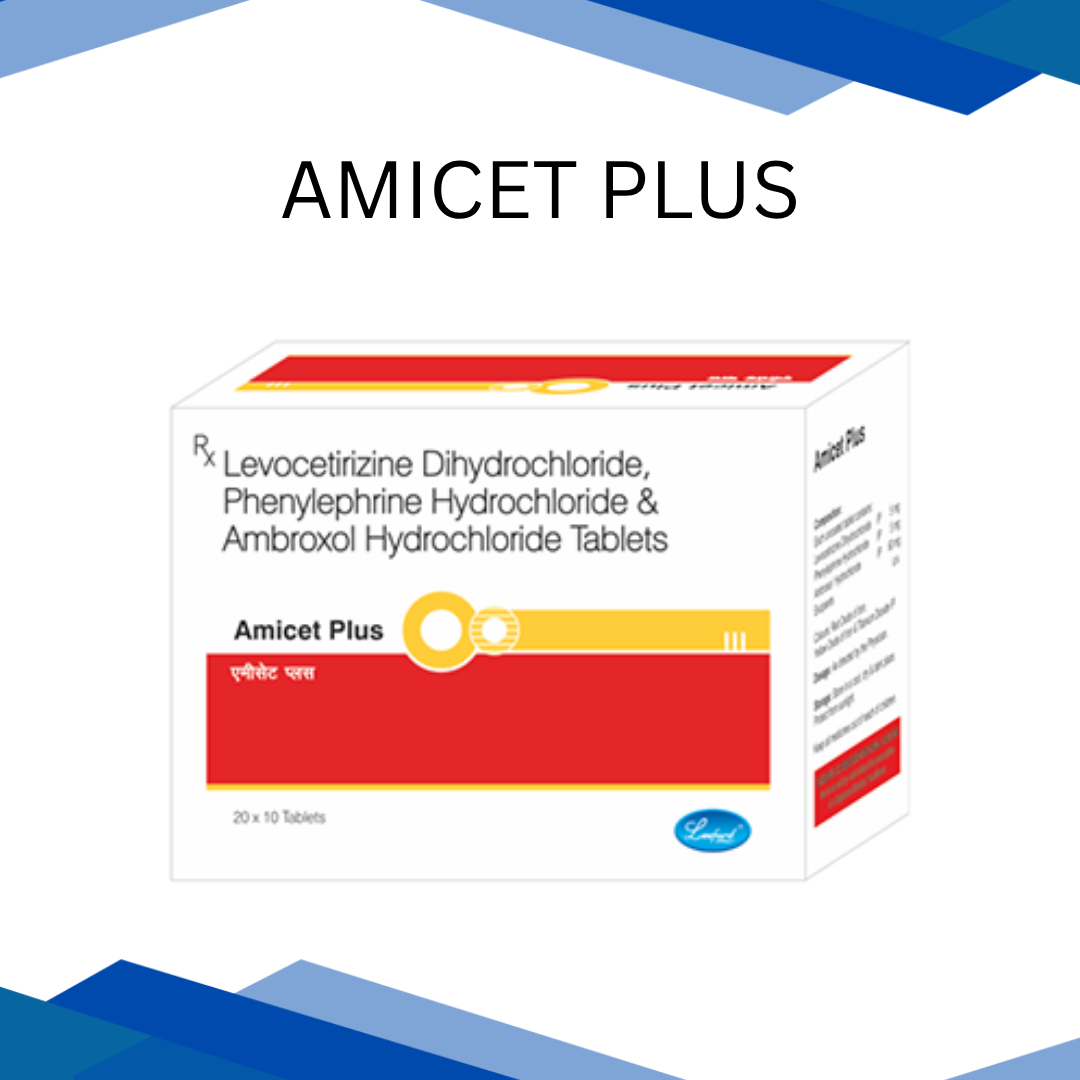
Amicet Plus
❌ Due to high demand, this product is currently out of stock. New stock will be available shortly.
👉 Click here to Buy Same Salt medicine
Alprazolam 0.25 mg is a prescription medicine commonly used to help manage anxiety disorders, panic attacks, and symptoms of excessive stress or nervousness. It belongs to a group of medicines called benzodiazepines, which work by enhancing the activity of a natural calming chemical in the brain known as gamma-aminobutyric acid (GABA). This helps reduce feelings of anxiety, tension, restlessness, and fear, promoting a sense of relaxation and emotional stability. Alprazolam 0.25 mg may also improve sleep difficulties associated with anxiety in some individuals. When used under appropriate medical supervision, it can provide effective short-term relief from anxiety-related symptoms and help improve overall daily functioning and quality of life.
Description
alprazolam 0.25 mg is a prescription medicine that belongs to a group of medications known as benzodiazepines. it is primarily used for the management of anxiety disorders, panic disorders, and anxiety associated with depression. by acting on specific receptors in the brain, alprazolam 0.25 mg helps calm excessive nervous activity, promoting a sense of relaxation and emotional stability. it is commonly prescribed when symptoms of anxiety become severe enough to interfere with daily activities, sleep, work performance, or overall quality of life.
the active ingredient, alprazolam 0.25 mg, enhances the action of gamma-aminobutyric acid (gaba), a naturally occurring neurotransmitter in the brain. gaba is responsible for reducing excessive nerve signaling and maintaining balance within the central nervous system. when gaba activity is increased, brain activity slows down, resulting in reduced feelings of anxiety, fear, tension, and panic. this calming effect can help patients regain control over symptoms that may otherwise be overwhelming.
alprazolam 0.25 mg is often prescribed for individuals experiencing generalized anxiety disorder (gad), panic attacks, excessive worry, nervousness, restlessness, and certain anxiety-related conditions. the medication typically begins working relatively quickly compared to some other treatments for anxiety, making it useful for short-term symptom relief under medical supervision. however, because it can cause dependence if used improperly or for prolonged periods, it should always be taken exactly as directed by a healthcare provider.
while alprazolam 0.25 mg can be highly effective in reducing anxiety symptoms, it is not considered a cure for underlying mental health conditions. healthcare professionals may recommend combining the medication with counseling, psychotherapy, stress management techniques, and lifestyle modifications to achieve the best long-term outcomes. regular follow-up with a healthcare provider is important to evaluate effectiveness, monitor side effects, and determine the appropriate duration of treatment.
ingredients
- alprazolam 0.25 mg: alprazolam is the active pharmaceutical ingredient responsible for the therapeutic effects of the medicine. it belongs to the benzodiazepine class and works by enhancing the effects of gaba in the brain. this action helps reduce anxiety, nervousness, agitation, panic symptoms, and emotional distress. alprazolam is known for its rapid onset of action and is widely used for the short-term management of anxiety-related disorders under medical supervision.
- inactive ingredients (excipients): depending on the manufacturer, the tablet may contain excipients such as lactose, starch, microcrystalline cellulose, magnesium stearate, and other pharmaceutical-grade ingredients. these substances help maintain tablet stability, improve manufacturing quality, and ensure consistent delivery of the active ingredient but do not contribute directly to the therapeutic effect.
key uses
- generalized anxiety disorder (gad): helps reduce excessive and persistent worry, nervousness, tension, irritability, and restlessness associated with generalized anxiety disorder.
- panic disorder: used to manage panic attacks characterized by sudden episodes of intense fear, rapid heartbeat, chest discomfort, sweating, dizziness, and feelings of impending danger.
- anxiety associated with depression: may help alleviate anxiety symptoms that occur alongside depressive disorders when prescribed by a healthcare professional.
- short-term relief of severe anxiety: provides temporary relief from severe anxiety symptoms that significantly affect daily functioning and emotional well-being.
- stress-related anxiety symptoms: may be prescribed in selected cases where severe stress leads to substantial anxiety, sleep disturbances, and emotional distress.
- anxiety-induced sleep difficulties: can help improve sleep quality in individuals whose insomnia is primarily caused by anxiety and excessive mental tension.
- situational anxiety: in certain circumstances, healthcare providers may prescribe it for short-term management of acute anxiety triggered by specific stressful events.
how to use
alprazolam 0.25 mg should always be taken exactly as prescribed by a qualified healthcare professional. the tablet is usually swallowed whole with water and may be taken with or without food. patients should follow their physician's instructions carefully and avoid changing the amount, frequency, or duration of use without medical guidance.
because alprazolam 0.25 mg acts on the central nervous system, it is important to take it consistently according to the prescribed schedule. taking more than recommended can increase the risk of excessive sedation, respiratory depression, dependence, and other serious complications. similarly, abruptly stopping the medication after regular use may result in withdrawal symptoms such as anxiety, insomnia, irritability, tremors, sweating, or seizures in severe cases.
patients should avoid operating heavy machinery, driving, or engaging in activities requiring full mental alertness until they understand how the medication affects them. elderly individuals may be more sensitive to its effects and should exercise additional caution. if there are any concerns regarding administration or treatment duration, consultation with a healthcare professional is recommended.
safety information
- warnings: alprazolam 0.25 mg can cause drowsiness, dizziness, impaired coordination, slowed reaction time, and reduced alertness. it may lead to physical and psychological dependence, especially when used for extended periods or in higher amounts than prescribed. patients with a history of substance abuse should inform their healthcare provider before starting treatment.
- side effects: common side effects may include drowsiness, fatigue, dizziness, sleepiness, weakness, dry mouth, difficulty concentrating, memory impairment, changes in appetite, blurred vision, headache, and reduced coordination. serious side effects may include severe allergic reactions, confusion, hallucinations, mood changes, depression, suicidal thoughts, difficulty breathing, severe sedation, and loss of consciousness. immediate medical attention should be sought if serious symptoms occur.
- precautions: use with caution in elderly patients, individuals with liver disease, kidney impairment, respiratory disorders, depression, sleep apnea, glaucoma, or a history of alcohol or drug misuse. healthcare providers should be informed about all existing medical conditions before treatment begins.
- pregnancy/breastfeeding: alprazolam 0.25 mg is generally not recommended during pregnancy unless clearly necessary, as it may affect the developing baby. use during late pregnancy may increase the risk of withdrawal symptoms or breathing difficulties in newborns. the medication can pass into breast milk and may affect nursing infants. pregnant or breastfeeding individuals should consult their healthcare provider before use.
- interactions: alcohol should be strictly avoided because it can significantly increase sedation and respiratory depression. interactions may occur with opioid pain medicines, sleeping pills, antidepressants, antipsychotics, antihistamines, anticonvulsants, muscle relaxants, and certain antifungal or antibiotic medications. inform your healthcare provider about all prescription medicines, over-the-counter products, and herbal supplements being used.
- mental health monitoring: patients with depression or other psychiatric conditions should be monitored carefully, as mood changes and behavioral alterations may occur during treatment.
- withdrawal risk: sudden discontinuation can result in withdrawal symptoms ranging from mild anxiety and insomnia to severe complications such as seizures. treatment should only be discontinued under medical supervision.
- respiratory depression risk: the risk of slowed breathing may increase when combined with opioids or other central nervous system depressants. such combinations require close medical supervision.
additional information
- storage: store alprazolam 0.25 mg at room temperature in a dry place away from excessive heat, moisture, and direct sunlight. keep the medication in its original packaging and out of reach of children and pets.
- missed dose: if a dose is missed, take it as soon as remembered unless it is nearly time for the next scheduled dose. do not take extra medicine to make up for a missed dose. follow your healthcare provider's instructions regarding missed doses.
- overdose: taking too much alprazolam 0.25 mg can result in severe drowsiness, confusion, impaired reflexes, slurred speech, loss of coordination, breathing difficulties, coma, and potentially life-threatening complications. immediate emergency medical attention is required if overdose is suspected.
- habit forming: yes. alprazolam 0.25 mg has the potential to be habit-forming. long-term use, frequent use, or misuse can lead to physical dependence and addiction. patients should use the medication only as prescribed and never share it with others.
- driving and machinery: the medication may impair mental alertness and coordination. avoid activities requiring full attention until its effects are known.
- alcohol consumption: alcohol should not be consumed while taking alprazolam 0.25 mg because the combination can dangerously increase sedation and breathing difficulties.
- monitoring: regular medical reviews may be necessary during treatment to assess effectiveness, monitor side effects, and determine whether continued therapy is appropriate.
frequently asked questions
Q: what is alprazolam 0.25 mg used for?
A: alprazolam 0.25 mg is primarily used for the treatment of anxiety disorders, panic disorder, and anxiety associated with depression. it helps reduce excessive nervousness, tension, fear, and panic symptoms by calming overactive brain activity.
Q: how does alprazolam 0.25 mg work?
A: alprazolam 0.25 mg works by enhancing the action of gamma-aminobutyric acid (gaba), a neurotransmitter that slows excessive nerve activity in the brain. this produces a calming effect and helps reduce anxiety and panic symptoms.
Q: can alprazolam 0.25 mg cause sleepiness?
A: yes. drowsiness and sleepiness are among the most common side effects of alprazolam 0.25 mg. patients should avoid driving or operating machinery until they know how the medicine affects them.
Q: is alprazolam 0.25 mg habit-forming?
A: yes. alprazolam 0.25 mg can be habit-forming, especially when used for prolonged periods or in larger amounts than prescribed. it should only be used under medical supervision.
Q: can i drink alcohol while taking alprazolam 0.25 mg?
A: no. alcohol can significantly increase the sedative effects of alprazolam 0.25 mg and may lead to dangerous side effects including severe drowsiness, breathing difficulties, and loss of consciousness.
Q: can alprazolam 0.25 mg be stopped suddenly?
A: no. abrupt discontinuation may cause withdrawal symptoms such as anxiety, insomnia, irritability, sweating, tremors, and in severe cases seizures. always consult your healthcare provider before stopping treatment.
Q: how quickly does alprazolam 0.25 mg start working?
A: alprazolam 0.25 mg generally starts working relatively quickly, often providing relief of anxiety symptoms within a short period after administration, although individual responses may vary.
Q: can elderly patients use alprazolam 0.25 mg?
A: yes, but caution is required because older adults may be more sensitive to the medicine's sedative effects and may have a higher risk of falls, confusion, and coordination problems.
Q: can alprazolam 0.25 mg be used during pregnancy?
A: its use during pregnancy is generally avoided unless specifically recommended by a healthcare provider because it may pose risks to the developing baby.
Q: what should i do if i experience serious side effects?
A: seek immediate medical attention if you develop severe drowsiness, breathing difficulties, allergic reactions, confusion, unusual behavioral changes, or thoughts of self-harm while taking alprazolam 0.25 mg.
this information is for educational purposes only and should not be considered medical advice. always consult a qualified healthcare professional before use.
“`
At Gem Pharmacy, we make every effort to provide accurate, expert-written, and thoroughly reviewed information related to medicines. However, this information should not be considered a substitute for professional medical advice, diagnosis, or treatment from a qualified doctor.
The purpose of this information is to educate users and improve communication between patients and healthcare professionals. It should not be used to diagnose or treat any condition.
Always consult a certified healthcare professional before taking any medication.


Related products