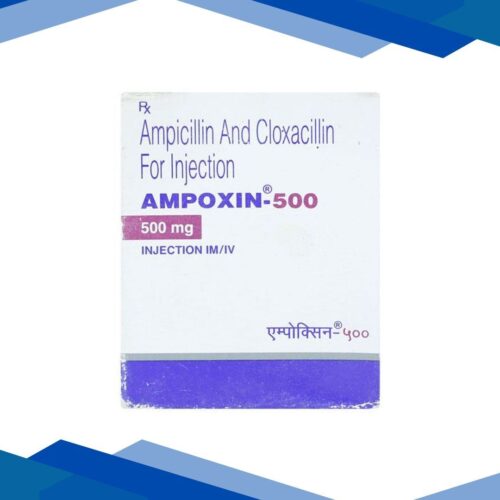


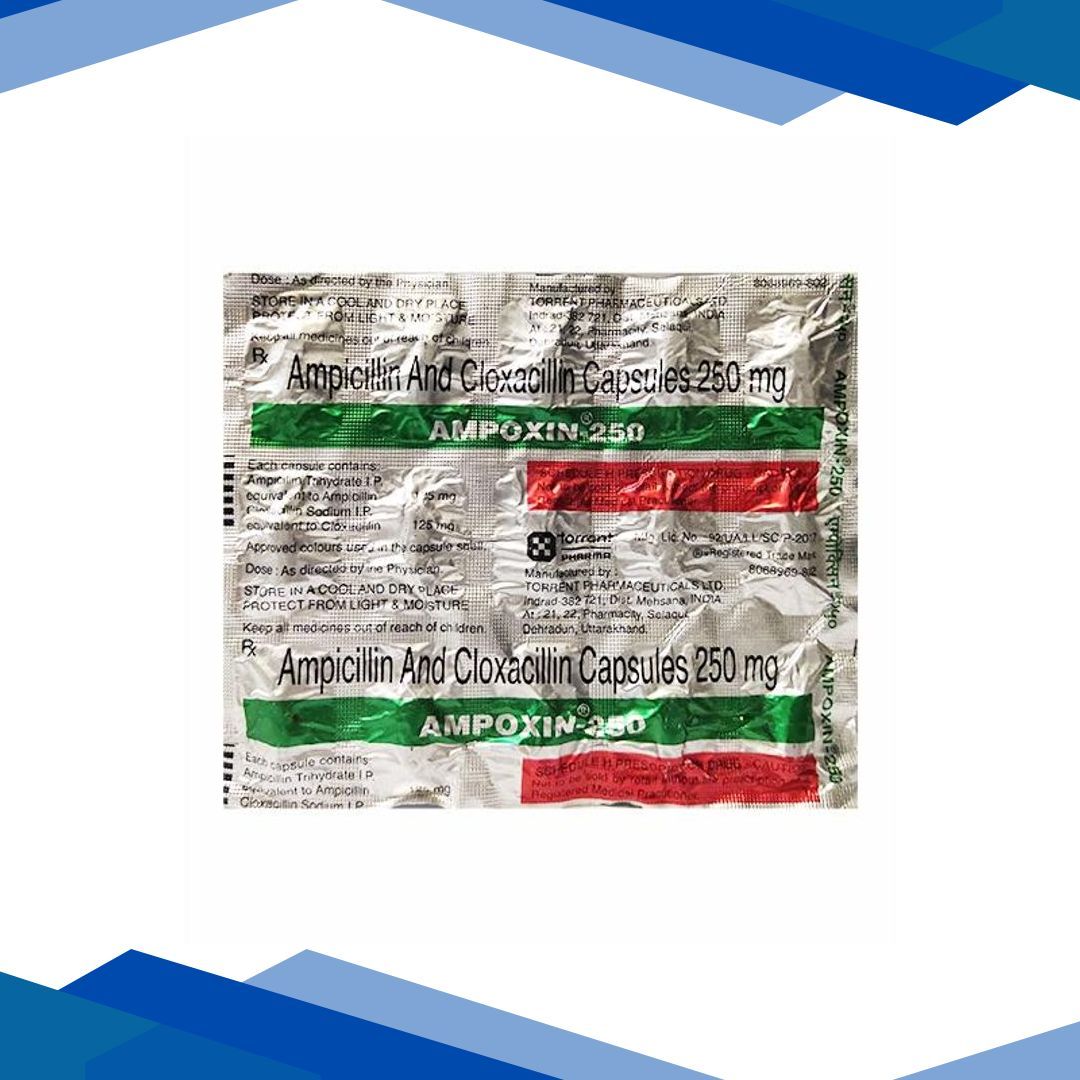
Ampoxin 250mg Capsule 15’S
No Prescription yet? Don’t worry! Click Here to Get Online Consultation
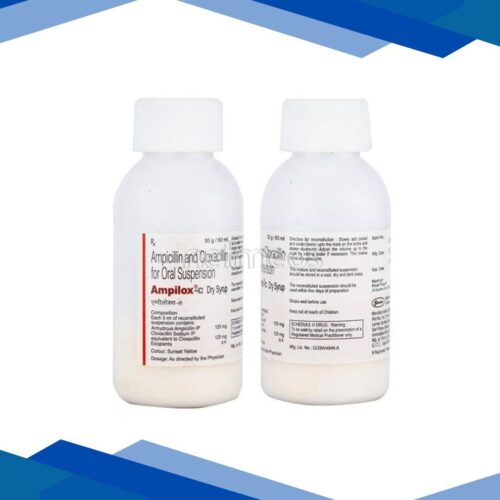
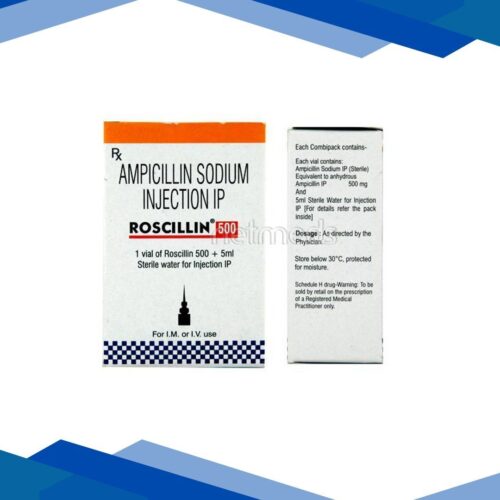
Ampicillin is a broad-spectrum penicillin antibiotic used to treat a variety of bacterial infections. It works by stopping the growth of bacteria by interfering with the formation of their cell walls. Ampicillin is commonly prescribed for infections of the respiratory tract, urinary tract, gastrointestinal tract, and meningitis caused by susceptible bacteria.
Ampicillin
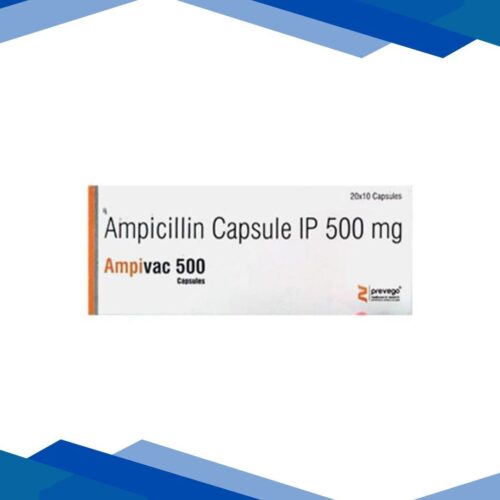
Ampicillin 500mg Capsule
Ampicillin is a broad-spectrum penicillin-type antibiotic used for a wide variety of bacterial infections. It works by interfering with the formation of the bacterial cell wall, thus efficiently inhibiting bacterial growth. It is often prescribed for infections of the respiratory tract, urinary tract (UTI), gastrointestinal tract, and conditions such as meningitis or endocarditis.
Medical Uses
Respiratory Infections: Effective against pneumonia, bronchitis, and tonsillitis.
Urinary Tract Infections (UTIs): Targets bacteria causing bladder or kidney infections.
Gastrointestinal Infections: Used for conditions like Salmonellosis and Shigellosis.
ENT (Ear, Nose, and Throat) Infections: Used for the treatment of acute sinusitis and otitis media (middle ear infection).
Meningitis: Often used in hospital settings for bacterial infections of the brain and spinal cord.
Important Features
Broad Spectrum: Acts against both Gram-positive and limited strains of Gram-negative bacteria.
Proven to Work: A well-known antibiotic with a high safety parameter.
Many Forms: Available to be taken as capsules, oral suspension, or injections according to what the sufferer needs at the time, or prefers.
How to Take Ampicillin
- Timing of administration: For it to be absorbed at the highest possible rate, it is best to take Ampicillin on an empty stomach, at least an hour before a meal or two hours after a meal.
- Consistency: Take the medications at uniform intervals to keep a steady level of the drug in your blood.
- Your Full Course: Make sure that you finish the complete course of antibiotics, even if you start to feel better after a couple of days. By stopping early, you risk the infection coming back resistant to antibiotics.
- How This Drug Is Taken: Whole capsule must be swallowed with a full glass of water instead of crushing or chewing.
Some common side effects include:
Nausea or vomiting
Loose bowel movements
Abdominal pain
Rash, with itchiness
Unfortunately, the symptoms appearing overdappled, furry tongue, which is very typically temporary.
Heeding: If a patient experiences watery stools with blood, as well as fever and a colic cramp, they are suggested not to delay to contact their doctor during or after treatment. An antidiarrheal drug should not be used without a prescription.
Precautionary Measures and Safety Requirements
Penicillin Allergy: Do not use it if you have experienced an allergic reaction to it or have been diagnosed with an allergy to Penicillins or Cephalosporins, especially Co-amoxiclav.
Renal Function: Regular assimilation might necessitate dose adjustments in patients with renal impairment.
Mononucleosis Patients with infectious mononucleosis ("Mono") should always bring about an antibiotic-induced skin rash extraordinarily frequently.
Pregnancy-Breastfeeding-Mothers Medicine: Its safety in pregnant or breastfeeding mothers is still on the hold, but the doctor can offer advice.
Oral Contraceptives: Ampicillin may reduce the effectiveness of hormone birth control pills. Condoms are a recommended alternative while on ampicillin treatment.
Frequently Asked Questions
Q: Does Ampicillin treat common cold or flu?
No. Ampicillin is an antibiotic that works only against bacterial infections and it is not an effective drug against viral infections like the common cold, the flu, or most sore throats.
Q: What do I do if I've taken the wrong dose?
You may take it as soon as you think about it. If it is nearer to your next dose, bypass the missed one instead. Do not double the dose that you missed.
Q: Can I drink beer while taking Ampicillin?
Alcohol is not a direct contraindication if you are on Ampicillin; however, alcohol can subvert your ability to fight an infection and amplify your side effects of which some may be unpleasant. Refrain from consumption until you have fully recuperated from your infection.
Q: Since pretty effective, how long does it take for Ampicillin to work?
Most patients see a difference in a few days, typically between 2 to 3 days. However, it is always recommended that you stick to the entire medication course.
Q: Does Ampicillin cause yeast infections?
There is a slight possibility that various antibiotics such as Ampicillin will kill off natural microscopic flora in your body, thus leading to oral candidiasis or just a yeast infection in the vagina. If you find yourself with white patches in your mouth, see a doctor immediately after having noticed some unusual vaginal discharge with or without itching.
Cloxacillin
Cloxacillin: Indications, Usages, and Noteworthy Safety Recommendations
Cloxacillin is a specialized and relatively narrow-spectrum antibiotic group derived from the penicillin group. This antimicrobial drug is made to target bacteria of the Staphylococcus family that are capable of producing penicillinase enzymes that destroy usual penicillins. The drug disrupts the formation of the bacteria cell wall, thereby preventing the infection from spreading and allowing the immune system to heal.
Indications for Therapy
Cloxacillin indications are as follows:
Skin and Soft Tissue Infections: Abscesses, boils, cellulitis, and infected wounds.
Respiratory Tract Infections: Infections like tonsillitis, pharyngitis, and pneumonia as suitable strains.
Bone and Joint Infections: It is usually used in treating osteomyelitis.
Postoperative Prophylaxis: Preventing infection following surgical operations.
Quick Facts for Patients
Detail
Drug Class
Penicillinase-resistant Penicillin
Common Presentations
250 mg/500 mg Capsules, Oral Suspension, Injection
Primary Indications
Gram-positive bacteria (Staphylococcus)
Prescription Category
Schedule H (Rx only)
How to Use Cloxacillin most fittingly
Food is a big inhibitor in the absorption of Cloxacillin; therefore, it is recommended to administer Cloxacillin in the following ways to ensure the drug concentration in the bloodstream is effective:
Empty Stomach: Take your dose at least 1 hour before or 2 hours after consuming food.
Hydration: Drink each tablet with a full glass of water.
Complete the Course: Continue until the entire prescribed course is over, even if you feel better within 48 hours, or the infection could recur, more severe than before, because of antibiotic resistance when you use the drug later.
Safety Measures and Side Effects
This drug is a notorious effective drug, but not for all patients. VITAL CONSIDERATIONS are as follows:
Warnings-
Penicillin Allergy: If you have ever had any skin reactions, swelling, difficulty in breathing with penicillin, or cephephalosporin preparations, inform your physician directly on the same.
Kidney Function: Kidneys and Cloxacillin: Here, it is paramount to note that patients with renal failure need an adjustment in dosages.
Oral Contraceptives: There is a temporary decrease in the levels of efficacy of contraceptive drugs with cloxacillin. So, another contraceptive measure should be in application during treatment.
Common Side Effects:
Nausea or vomiting.
Diarrhea: Stop using the drug and contact a doctor if diarrhoea is severe or bloody.
Skin rash or itching.
FAQs
1. Why must Cloxacillin be taken on an empty stomach?
Food plays a barrier role in the stomach that prevents high absorption by Cloxacillin. Ideally, absorption on an empty stomach allows for more of the drug within the high concentration ratios to get into the system to fight the bacteria.
2. Can Cloxacillin work against cold or flu?
No, Cloxacillin treats bacterial infections only. It has no effect on viral infections like cold, flu, and many sore throats.
3. Is it okay to drink alcohol during the course?
Although there is no evidence of an immediate danger association with intake, alcohol shall exacerbate dehydration and place an overload on a deflated liver while your body fights with infection; it's all in your and your physician's call not to booze until healed from the disease.
4. What happens if I skip a dose?
Just go ahead and take it. Don't take an overdose of it, though. If you're close to your next dose, never take the missed dose — it will sure kill you. Thus the point of skipped doses being not so big a blight on positive side edge is so feasible.
5. Can I Take Cloxacillin When I Am Pregnant?
Although capped as 'B', pregnancy safety still needs to be assessed with caution since we believe it safe within the considerable dough that preggo dams are in the doctor's hands anyway for initiation, upkeep, and evaluation.
At Gem Pharmacy, we make every effort to provide accurate, expert-written, and thoroughly reviewed information related to medicines. However, this information should not be considered a substitute for professional medical advice, diagnosis, or treatment from a qualified doctor.
The purpose of this information is to educate users and improve communication between patients and healthcare professionals. It should not be used to diagnose or treat any condition.
Always consult a certified healthcare professional before taking any medication.


Related products