Boric Acid
Boric Acid: A Versatile Antiseptic and Antifungal Solution
Boric Acid (Chemical formula: H₃BO₃) functions as a mild acid which pharmaceutical products use for its powerful antifungal and antiseptic abilities. Although commonly known for several industrial applications, the clinical-grade form is used in medicine to treat persistent infections that do not respond to common over-the-counter medicines.
Therapeutic Uses & Medical Applications
Vaginal Infection Treatment: In medical practice, Boric Acid is often prescribed as a vaginal suppository to treat recurrent vulvovaginal candidiasis and bacterial vaginosis, as it helps restore the natural acidic vaginal pH balance.
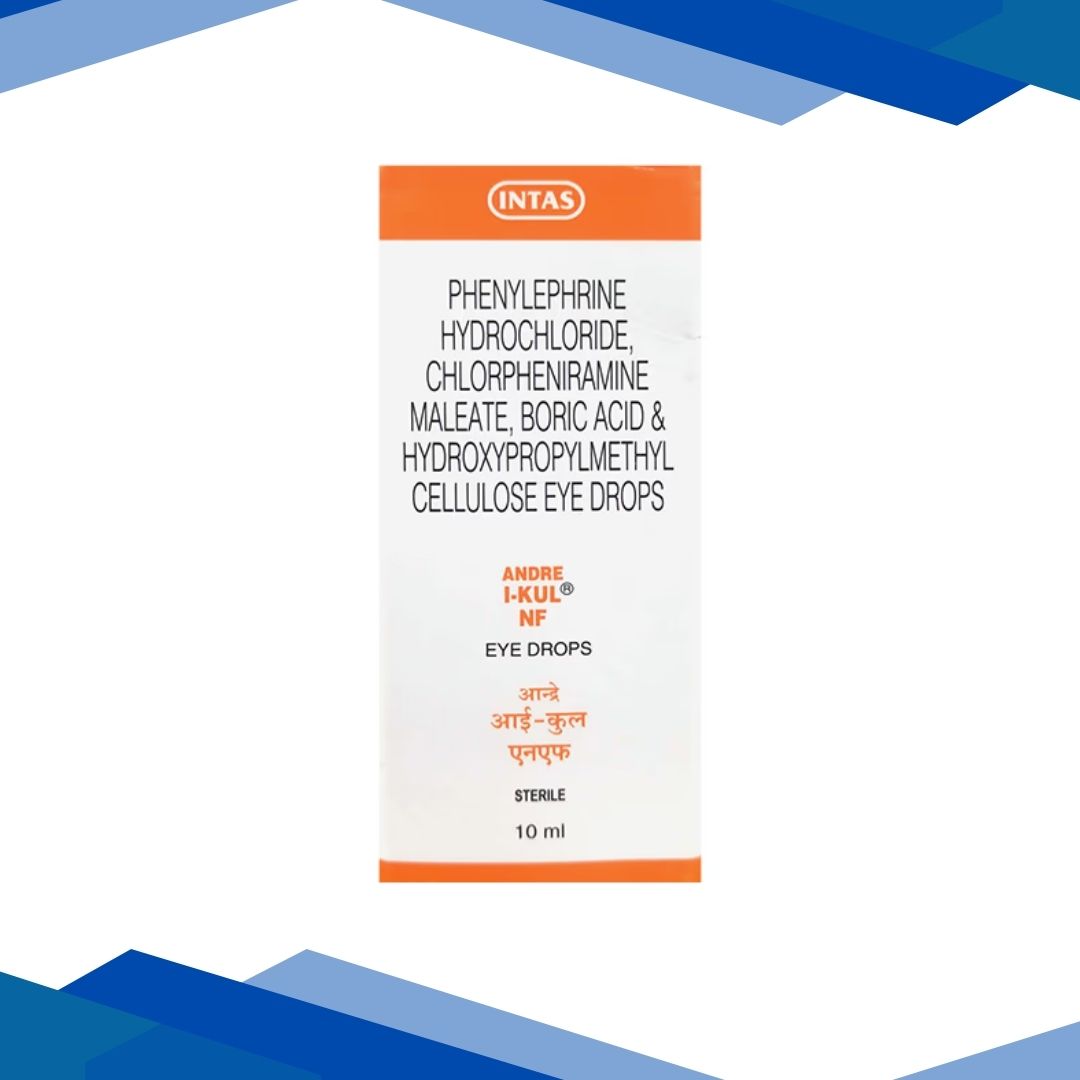
Eye Wash Solution: Highly diluted and sterile formulations are sometimes used as an eye wash to help relieve eye irritation caused by environmental pollutants or chlorinated water.
Dermatological Antiseptic: Doctors may use Boric Acid powders and ointments to treat minor cuts, burns, and fungal infections such as Tinea pedis due to its antiseptic and antifungal properties.
Ear Infection Management: Certain ear drop formulations containing Boric Acid may be used in the treatment of Otitis Externa, helping prevent bacterial and fungal growth in the external ear canal.
Mechanism of Action
Antifungal Activity: Boric Acid works by creating an unfavorable environment for pathogenic organisms, inhibiting their growth and survival.
Yeast Infection Control: It can disrupt the cell walls of Candida species, helping manage infections that sometimes resist conventional antifungal treatments.
pH Stabilization: By helping restore natural pH levels, it supports the growth of beneficial bacteria that protect the body from future infections.
Safety Advice & Usage Precautions
External Use Only: Boric Acid must never be ingested, as oral consumption can be highly toxic and potentially fatal.
Emergency Warning: If accidental ingestion occurs, immediate medical attention should be sought.
Proper Application: When used as a vaginal insert, the product should be applied only as directed by a healthcare professional.
Skin & Tissue Precautions: The product should not be used on open wounds, active sores, or vaginal ulcerations.
Pregnancy Warning: Boric Acid is not recommended during pregnancy, as it may pose potential risks to the developing fetus.
Chlorpheniramine
CHLORPHENIRAMINE
Overview
Chlorpheniramine is commonly used to treat runny nose, sneezing, itchy eyes, watery eyes, and skin reactions caused by allergies, colds, or hay fever. It’s one of the older antihistamines and may cause drowsiness.
Classification
Antihistamine
Uses
Seasonal allergies (like pollen)
Dust or pet allergies
Cold-related symptoms such as sneezing or runny nose
Skin allergies, including hives or itchy rashes
How It Works
When your body comes in contact with allergens (like dust or pollen), it releases histamine, which causes symptoms like sneezing or itching. Chlorpheniramine blocks histamine, helping to relieve those symptoms and make you feel more comfortable.
Dosage
As prescribed by your doctor.
Side effects
Some common side effects may include:
Drowsiness or feeling sleepy
Dry mouth, nose, or throat
Dizziness or lightheadedness
Upset stomach
Blurred vision (in some cases)
Precautions
Use caution if you need to drive or operate machines, as it may cause drowsiness.
Avoid alcohol, which can increase sleepiness.
Let your doctor know if you have conditions like glaucoma, asthma, enlarged prostate, or urinary problems.
If you’re pregnant, breastfeeding, or giving it to a child or elderly person, consult a healthcare provider first.
Don’t take more than the recommended dose, as too much can increase side effects.
Disclaimer
This content is for informational purposes only. Always consult a healthcare provider for medical advice and proper dosage
Hydroxypropyl Methylcellulose
Hydroxypropyl Methylcellulose (HPMC)
Hydroxypropyl Methylcellulose (HPMC), also known as Hypromellose, is a highly viscous synthetic polymer widely used in ophthalmology and pharmaceuticals. It functions as a topical lubricant in eye care and as a controlled-release agent in oral drug formulations.
It is known for its biocompatibility, safety, and versatile applications, especially in managing dry eye conditions and enhancing drug delivery systems.
Main Uses & Indications
Lubrication of the Eyes: Provides instant relief from burning, stinging, and dryness, especially due to wind, sun exposure, or prolonged screen use.
Controlled-Release Tablets: Acts as a matrix-forming agent, enabling slow and sustained release of medications into the bloodstream.
Post-Operative Care: Used in ophthalmic procedures to protect and lubricate the corneal surface.
How It Works: The Science of Comfort
The mechanism of HPMC is based on mucoadhesion.
When applied to the eye, it forms a transparent lubricating film over the ocular surface, which:
- Enhances tear film stability
- Reduces tear evaporation
- Provides long-lasting moisture compared to standard saline drops
In tablet formulations, HPMC absorbs water and swells, forming a gel layer that controls the gradual release of the active drug.
Instruction for usage:
For Eye Drops:
- Wash hands thoroughly.
- Tilt your head back and pull down the lower eyelid.
- Instill 1–2 drops into each affected eye as needed.
- Close your eyes for a minute to allow even distribution.
For Oral Capsules:
Swallow whole. Do not crush or chew, as the HPMC shell is designed for controlled dissolution unless advised otherwise by a healthcare professional.
Key Precautions
Safety First: If you experience persistent eye pain, redness, or vision changes lasting more than 72 hours, discontinue use and consult an ophthalmologist.
Contact Lenses: Remove lenses before using drops containing Benzalkonium Chloride. Wait at least 15 minutes before reinserting.
Contamination: Avoid touching the dropper tip to any surface, including eyes or hands, to maintain sterility.
Potential Side Effects
Although generally very safe, some individuals may experience:
Temporary blurred vision after application
Mild stinging or sticky sensation
Rare redness or irritation
FAQs
Q: Does Hydroxypropyl Methylcellulose contain preservatives?
A: HPMC itself is a lubricant and thickening agent, but many multi-dose eye drops may include preservatives to prevent bacterial contamination.
Q: Is HPMC suitable for vegans?
A: Yes. HPMC is plant-derived (cellulose-based), typically sourced from wood pulp or cotton fibers, making it suitable for vegetarian and vegan formulations. However, always check for additional ingredients like ethoxylated castor oil in specific products.
Phenylephrine
PHENYLEPHRINE
Overview
Phenylephrine is a medicine often used to relieve a stuffy or blocked nose. It works by shrinking swollen blood vessels in your nasal passages, helping you breathe more easily. You might find it in many cold, flu, or allergy medications.
Classification
Decongestants
Uses
Relieves nasal congestion due to colds, allergies, or sinus infections
Sometimes used to increase low blood pressure during surgery or in critical care
May be found in eye drops to dilate pupils during eye exams
How It Works
Phenylephrine works by narrowing the blood vessels in the nose. This reduces swelling and opens up your airways. When taken for blood pressure support, it tightens blood vessels throughout the body, which helps raise blood pressure.
Dosage
As prescribed by your doctor.
Side effects
Some common or possible side effects may include:
Headache
Dizziness
Nervousness or restlessness
Trouble sleeping (insomnia)
Increased heart rate or blood pressure
In rare cases, serious side effects like irregular heartbeat or chest pain can occur. Always report unusual symptoms to your doctor.
Precautions
Avoid it if you have high blood pressure, heart disease, thyroid problems, or glaucoma, unless your doctor says it’s safe.
Do not use more than the recommended dose – overuse can increase side effects.
Tell your doctor if you’re pregnant or breastfeeding before using.
If taken with other medications (especially for depression or blood pressure), it could interact negatively.
Not recommended for young children without medical advice.
Disclaimer
This content is for informational purposes only. Always consult a healthcare provider for medical advice and proper dosage