





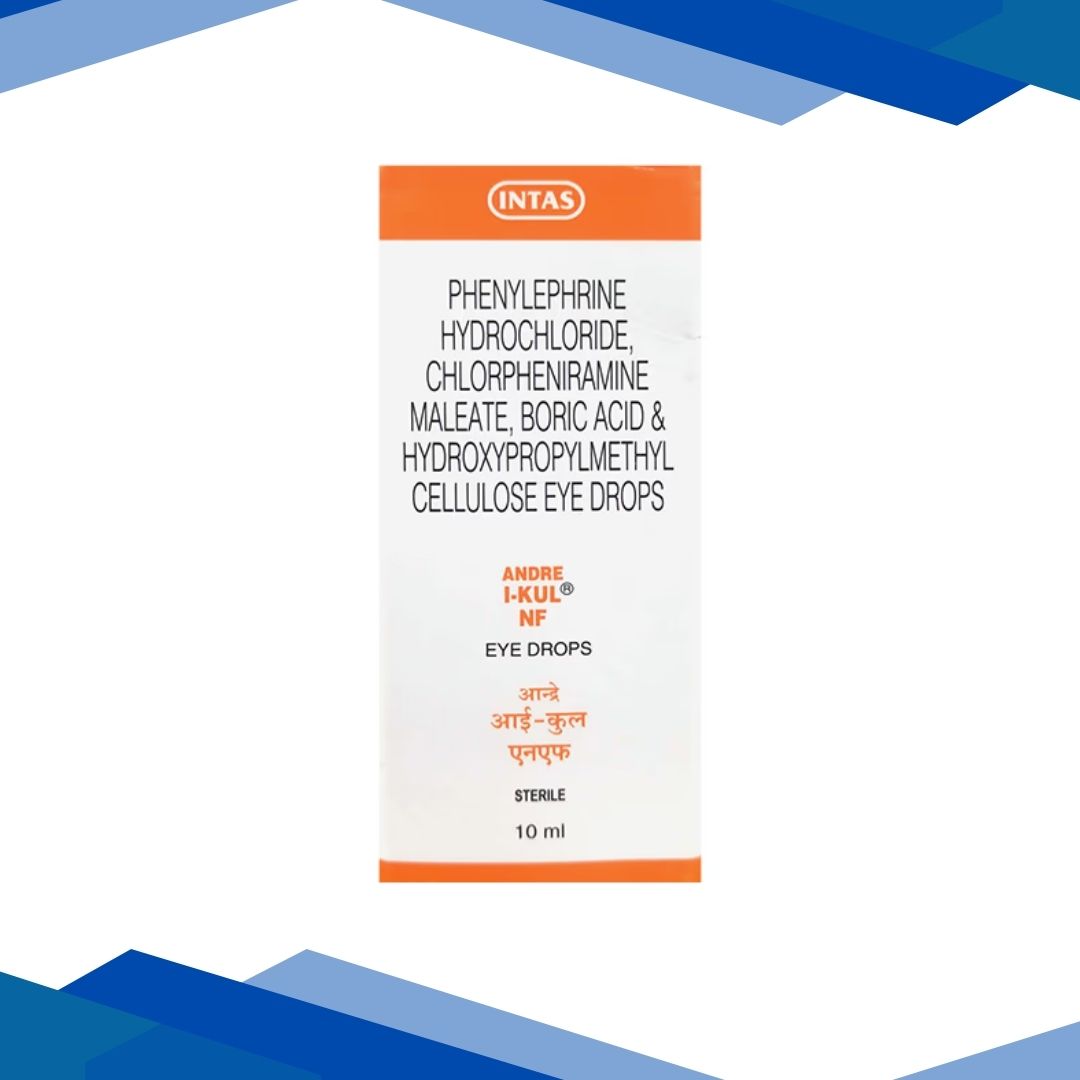
ANDRE I KUL NF Eye Drops 10ml
No Prescription yet? Don’t worry! Click Here to Get Online Consultation
ANDRE I KUL NF Eye Drops 10ml* is used for relieving redness, itching, burning and irritation of the eyes often caused by minor allergic reactions or environmental irritants like dust and smoke. For more details kindly click on Medicine Salts below:
Boric Acid
Specialized Antiseptic & Antifungal Support Regarding Boric Acid
Boric Acid is known as a mild antiseptic, which undoubtedly translates to strong antifungal and antiviral fight, by being administered usually by vaginal suppositories or topically as powder in situations of persistent infections that have become immune to [OTC treatments. Boric acid creates a chemical reaction within the infected region in return to the acidic environment and unfriendliness to pathogens.
Key Therapeutic Uses
Vaginal Health: Often prescribed for chronic Vulvovaginal Candidiasis (Yeast infections) and Bacterial Vaginosis (BV), more so in cases when azole-based creams fail, aka azole-resistant dermatological treatment: On highly diluted boric acid treatment in order to dry out the inflamed and infected skin that is due to its drying and antibacterial qualities.
Opthalmic Use: It can be used as a diluted solution of extremely high purity and low concentration for cleansing and soothing the eyes.
Mechanism of Action
The process of boric acid working against microorganisms begins when it penetrates their cellular walls. It adjusts the viable internal pH of those microbial cells and prohibits them from duplicating.
In short, the genitalia environment is sustained through healthy acidity; the average pH is, let's say, generally abt 3.8 through 4.5, whereby "good" bacteria (Lactobacillus) appears to grow while inhibiting yeast.
Proper Usage and Safety Parameters
External/Vaginal Use ONLY: Boric acid must not be taken orally. It is very dangerous for you to do this and may require immediate medical treatment if done.
Place the Suppositories: If boric acid is being employed in vaginal treatment, insert one capsule/suppository as instructed by your healthcare provider at night. Nighttime use avoids leakage and allows for substantial absorption.
Skin Sensitivity: Use a minimal amount of boric acid for either topical powder or solution applications; carry out a patch test before considering usage in case you have an extremely hidden allergy issue with the substance.
On Boric Acid: Frequently Asked Questions (FAQs)
Q: Can I ingest Boric Acid capsules?
A: NO. Boric acid is highly toxic when ingested. It can only be taken up for topical use only as a vaginal suppository. The product must be kept out of reach of children and pets.
Q: Is Boric Acid use safe during pregnancy?
A: NO. The general contraindication of boric acid is during pregnancy, as it is quickly absorbed in the bloodstream and its entry into the bloodstream may have absolute adverse effects on fetal development. Always consult your OB-GYN for pregnancy-safe alternatives in case of infections.
Q: How long will it take to see results in a yeast infection?
A: Preferred results claimed by most users are itching and discharge reduction in the first 36-48 hours, though the typical therapy duration is about 7-14 days. It is important to complete the full course even if symptoms are suppressed early, to prevent a repeat infection.
Q: Can I have intercourse while using Boric Acid suppositories?
A: It is always suggested not to have intercourse during the length of the treatment. The powder may irritate one partner and weaken the latex in condoms or diaphragms, which increases the likelihood of pregnancy or STI transmission.
Q: What are the common side effects?
A: Some users might feel a little burning sensation, watery discharge, or slight redness upon applying boric acid. However, if you start to experience extreme pain, pelvic inflammatory sensations, or a high fever, remove the boric acid from your agitated surface and seek medical treatment at the earliest convenience.
Quick-Facts about the Product
Attribute
Clinical Detail
Main Functions
Antifungal & pH Balancer
Common Forms
Suppositories, Powder, Solution
Most Important Caution
Highly Toxic if Swallowed
Storage
Store in a cool dry place free from moisture
Safety Tips for Users
Check the Label: Always ensure you are using NF/USP labeled "Pharmaceutical Grade" boric acid, not technical or industrial grade.
Monitor Symptoms: If your infection does not clear after the full 14-day course, return to your health provider to see whether there is a hidden condition present.
New Wound Alert: Do not apply boric acid powder on schools for new wounds or exposed thickly abraised skin.
Chlorpheniramine
Hydroxypropyl Methylcellulose
Hydroxypropyl Methylcellulose (HPMC)
Hydroxypropyl Methylcellulose (HPMC), also known as Hypromellose, is a highly viscous synthetic polymer widely used in ophthalmology and pharmaceuticals. It functions as a topical lubricant in eye care and as a controlled-release agent in oral drug formulations.
It is known for its biocompatibility, safety, and versatile applications, especially in managing dry eye conditions and enhancing drug delivery systems.
Main Uses & Indications
Lubrication of the Eyes: Provides instant relief from burning, stinging, and dryness, especially due to wind, sun exposure, or prolonged screen use.
Controlled-Release Tablets: Acts as a matrix-forming agent, enabling slow and sustained release of medications into the bloodstream.
Post-Operative Care: Used in ophthalmic procedures to protect and lubricate the corneal surface.
How It Works: The Science of Comfort
The mechanism of HPMC is based on mucoadhesion.
When applied to the eye, it forms a transparent lubricating film over the ocular surface, which:
- Enhances tear film stability
- Reduces tear evaporation
- Provides long-lasting moisture compared to standard saline drops
In tablet formulations, HPMC absorbs water and swells, forming a gel layer that controls the gradual release of the active drug.
Instruction for usage:
For Eye Drops:
- Wash hands thoroughly.
- Tilt your head back and pull down the lower eyelid.
- Instill 1–2 drops into each affected eye as needed.
- Close your eyes for a minute to allow even distribution.
For Oral Capsules:
Swallow whole. Do not crush or chew, as the HPMC shell is designed for controlled dissolution unless advised otherwise by a healthcare professional.
Key Precautions
Safety First: If you experience persistent eye pain, redness, or vision changes lasting more than 72 hours, discontinue use and consult an ophthalmologist.
Contact Lenses: Remove lenses before using drops containing Benzalkonium Chloride. Wait at least 15 minutes before reinserting.
Contamination: Avoid touching the dropper tip to any surface, including eyes or hands, to maintain sterility.
Potential Side Effects
Although generally very safe, some individuals may experience:
Temporary blurred vision after application
Mild stinging or sticky sensation
Rare redness or irritation
FAQs
Q: Does Hydroxypropyl Methylcellulose contain preservatives?
A: HPMC itself is a lubricant and thickening agent, but many multi-dose eye drops may include preservatives to prevent bacterial contamination.
Q: Is HPMC suitable for vegans?
A: Yes. HPMC is plant-derived (cellulose-based), typically sourced from wood pulp or cotton fibers, making it suitable for vegetarian and vegan formulations. However, always check for additional ingredients like ethoxylated castor oil in specific products.
Phenylephrine
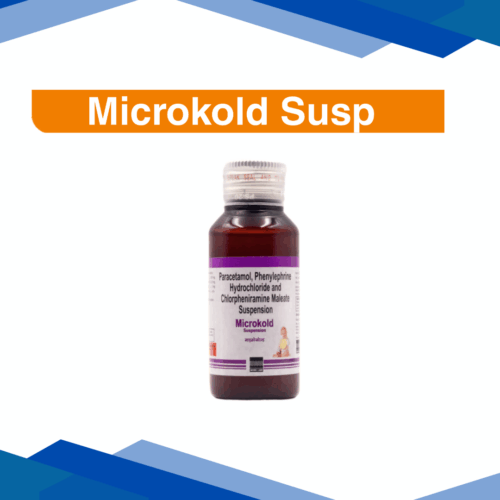
Phenylephrine is a powerful sympathomimetic agent used primarily as a nasal decongestant. Phenylephrine works by targeting alpha-adrenergic receptors in the blood vessels of the nasal passages, causing them to constrict. This action reduces swelling and mucus build-up, making it easier to breathe. Phenylephrine is an ingredient found in many OTC/prescription multi-symptom cold and flu remedies and is usually coupled with paracetamol or antihistamines.
Therapeutic uses
Nasal Congestion: Temporary relief from a “stuffy nose,” caused by common cold, hay fever, or other upper respiratory allergies.
Sinus Pressure: Relief of fullness and pressure in the sinuses.
Allergy Symptoms: Aid in managing the nasal symptoms with seasonal allergy support.
Low blood pressure (hypotension) support: Used in clinical settings and given via injections to keep blood pressure in check during specific medical procedures.
Pages resulting in Phenylephrine therapy
Selectivity in Binding & Mechanism of Action
Phenylephrine's effects on various $\alpha_1$-adrenergic receptors make this particular molecule a highly reliable for causing vasoconstriction when these receptors are activated in the vascular smooth muscle in the nasal mucosa which results in a reduction in the volume of the nasal membranes and lower the flow of fluids, thereby providing the widest opening for air to pass way.
Dosage & Administration
Oral Tablets Dosage
Repetitive dosages via a 3-hour interval are usually administered. A maximum of 6 divided doses might be occasionally required in 24 hours.
Nasal Sprays/Drops Dosage
Spray or drip as prescribed into each side of the nostril. The nasal form should not be used for more than three consecutive days to prevent “rebound congestion.”
With Food
May be taken on an empty stomach or with food. Taking with food may alleviation stomach problems, though it is primarily safe without food if it doesn’t show any adverse side effects.
Provoked Adverse Effects of the Chemical
Productivity in terms of treating symptoms of nasal congestion, although phenylephrine can bring about:
Drowsiness can begin after a long period of insomnia initiation.
High palpitational activities
Insufficient movement (slipping or falling)
Dizziness
Headache
Interactions
Advisor: Immediately report such rare occurrences, especially when there is lightheadedness, fainting, or a swift, irregular heart rate.
Precautions & Warnings
Hypertension: It should not be administered to those already suffering from markedly high blood pressure due to potential significant rise in blood pressure, yet if it is essential, such usage must be closely monitored.
Heart disease: Management of heart disorders supports the avoidance of oral phenylephrine use in patients with coronary artery disease. Phenoxybenzamine may hardly be used in those with CVD (coronary vascular disease).
Endocrine: Sympathomimetic agent influences the heart rate and glycemia; careful care will be required for patients with hyperthyroidism and diabetes.
MAOIs: VERY IMPORTANT: Phenylephrine must not be prescribed with MAOI in the prior 14 days. Such combinations may result in a hypertensive crisis.
Frequently Asked Questions (FAQs)
Q: Do you think Phenylephrine causes sleepiness?
Phenylephrine is a stimulant compared to most of the antihistamines that are largely used in medications for colds. This is why it does not make most people tired, but rather alert or even anxious.
Q: Can I mix Phenylephrine with hypertensive medication?
You need to consult with your cardiologist. It squeezes the blood vessels, unexpectedly counteracting the hypertensive reaction of antihypertensive drugs.
Q: Is Phenylephrine just right for a runny nose?
Phenylephrine is mainly used as a decongestant and works on a blocked nose. If you’re experiencing a runny nose or sneezing as your primary symptoms, taking an antihistamine might be better.
Q: Why should nasal sprays with phenylephrine only be used for 3 days?
When nasal decongestants are used extensively, they can give rise to "rhinitis medicamentosa," and the nasal passageways become permanently swollen and dependent on the medication to remain open.
Q: Can phenylephrine be given to children?
Dosage for children is very much dependent on age and weight. When dealing with a child, never ever give adult strength in phenylephrine. Be sure to only use the pediatric preparation according to the prescribing doctor.
At Gem Pharmacy, we make every effort to provide accurate, expert-written, and thoroughly reviewed information related to medicines. However, this information should not be considered a substitute for professional medical advice, diagnosis, or treatment from a qualified doctor.
The purpose of this information is to educate users and improve communication between patients and healthcare professionals. It should not be used to diagnose or treat any condition.
Always consult a certified healthcare professional before taking any medication.


Related products
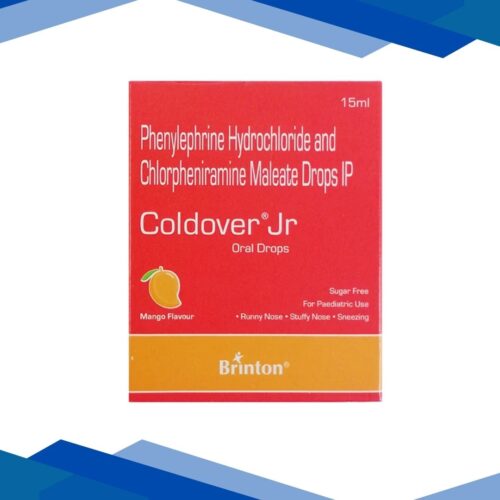
COLDOVER JR SUGAR FREE MANGO FLAVOUR Oral Drops 15ml