Chloramphenicol
CHLORAMPHENICOL
Overview
Chloramphenicol is a strong antibiotic used to handle serious bacterial infections when other medicines might not work. It’s usually reserved for specific conditions due to its potential side effects.
Classification
Antibiotic
Uses
This medicine is typically used to treat:
Severe bacterial infections, especially when other antibiotics fail
Typhoid fever
Meningitis (infection of the brain and spinal cord linings)
Eye infections (in the form of drops or ointment)
Certain respiratory or abdominal infections
How It Works
Chloramphenicol works by blocking bacteria from making proteins, which they need to grow and multiply. By stopping this process, it kills the bacteria and helps the body recover from infection
Dosage
As prescribed by your doctor.
Side effects
Some people may notice:
Nausea or upset stomach
Vomiting or diarrhea
Skin rash or irritation
Temporary anemia or low blood cell counts in rare cases
Gray baby syndrome – a serious reaction in newborns
Precautions
Should be used only under strict medical supervision due to possible serious side effects
Tell your doctor if you have liver problems or blood disorders
Not safe for babies or pregnant women unless absolutely necessary
Long-term use should be avoided as it may affect bone marrow
Follow the exact dose and course as prescribed—do not stop early
Avoid using this with other medications that suppress the immune system, unless approved by your doctor
Disclaimer
This content is for informational purposes only. Always consult a healthcare provider for medical advice and proper dosage
Clotrimazole
CLOTRIMAZOLE
Overview
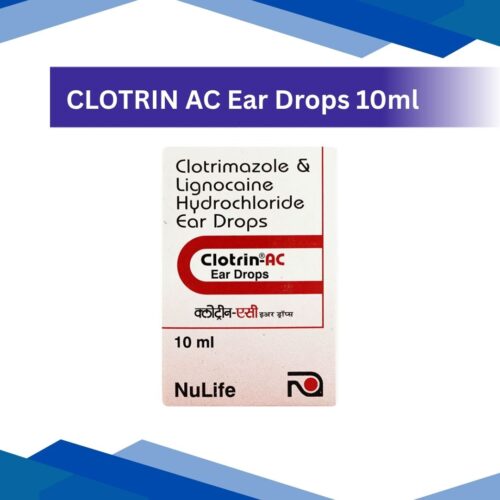
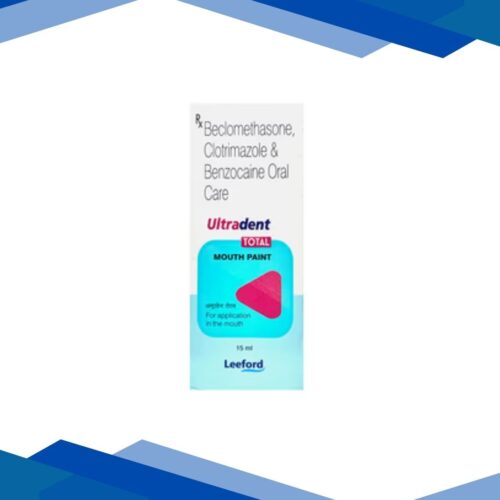
Clotrimazole is an antifungal medication that’s used to treat a variety of fungal infections, including those that affect the skin, mouth (oral thrush), and vagina.
Classification
Antifungal
Uses
Uses of Clotrimazole:
Topical: Treats ringworm, jock itch, athlete’s foot, and other fungal skin infections.
Vaginal: Used to treat vaginal yeast infections.
Oral: Available as a lozenge for oral thrush (oral candidiasis)
How it works
Clotrimazole is an antifungal medicine that treats certain fungal infections by disrupting the fungi’s cell structure
Dosage
As directed by the physician
Precautions
Who Should Avoid Using Topical Clotrimazole?
Topical clotrimazole is generally safe for most individuals when used as directed. However, certain groups should exercise caution or avoid its use:
Individuals with Allergies to Clotrimazole or Related Compounds
If you have a known allergy to clotrimazole or other azole antifungals such as miconazole or ketoconazole, you should not use this medication. Signs of an allergic reaction may include rash, itching, swelling, dizziness, or difficulty breathing.
Children Under 2 Years of Age
Topical clotrimazole should not be applied to children under 2 years old unless specifically directed by a healthcare provider. For children aged 2 to 12, consult a doctor before use.
Individuals with Liver Disease
Those with liver disease should use clotrimazole cautiously, as the medication is metabolized in the liver. Consult your doctor before use if you have liver conditions.
Pregnant and Breastfeeding Women
While topical clotrimazole is generally considered safe during pregnancy, it’s important to consult your doctor before use. The medication may pass into breast milk, so discuss with your healthcare provider if you are breastfeeding.
Side effects
Common side effects of phenylephrine include:
Leakage of intravenous medication
Hypertension
Slow heart rate
Anxiety
Headache
Burning
Rebound congestion
Sneezing
Excess fluid in the lungs (pulmonary edema)
Metabolic acidosis
Decreased blood flow to the kidneys
Reduced urine output
Nausea
Stomach pain or upset
Disclaimer
This content is for informational purposes only. Always consult a healthcare provider for medical advice and proper dosage.