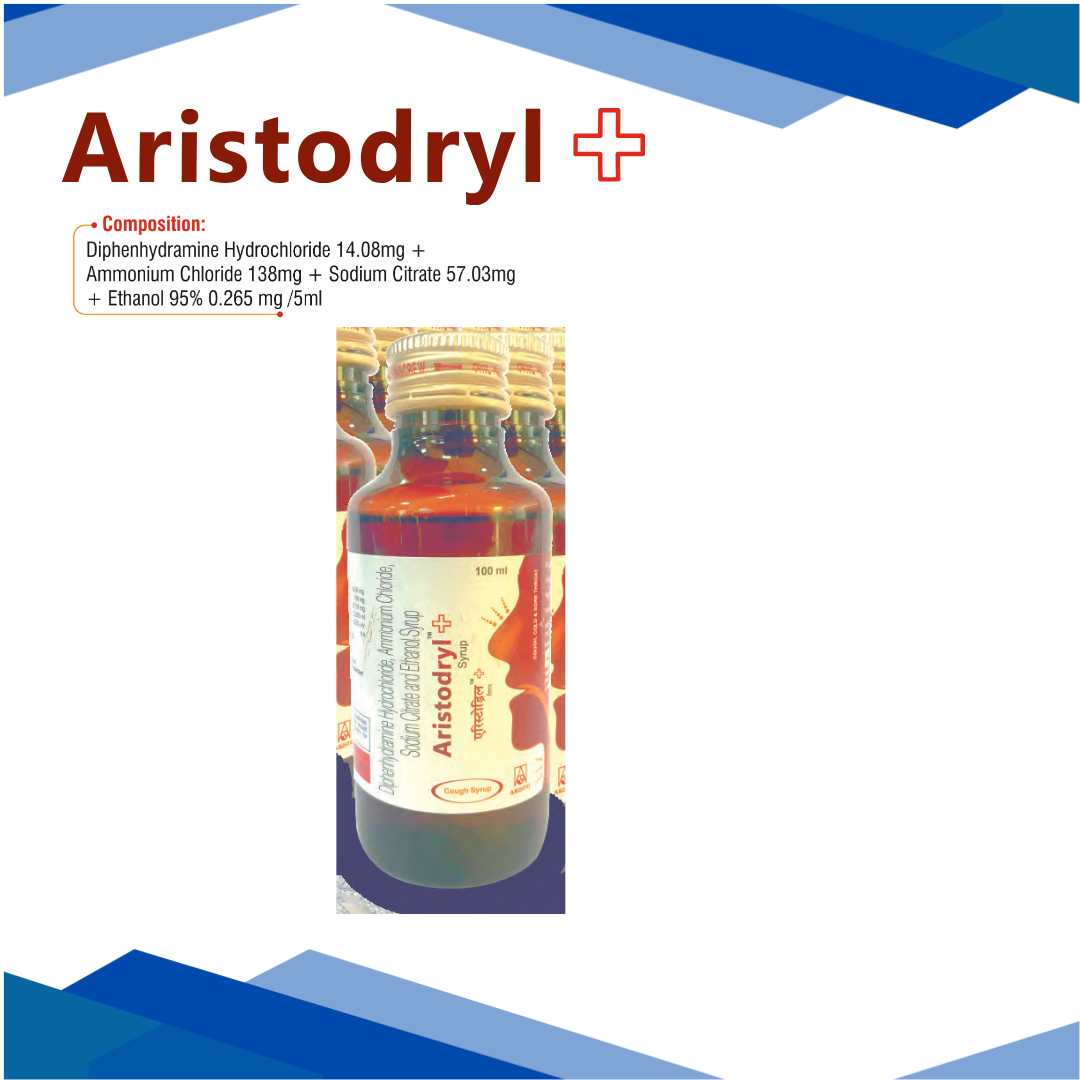
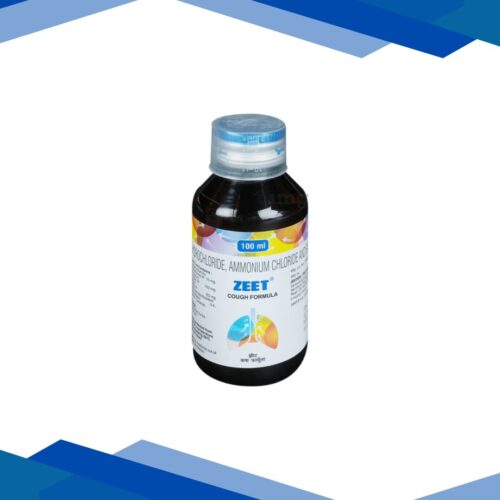
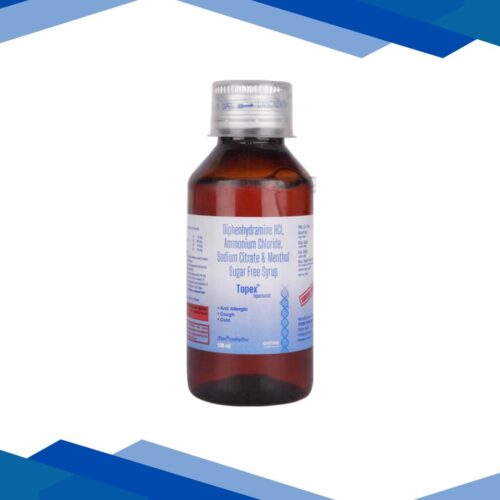
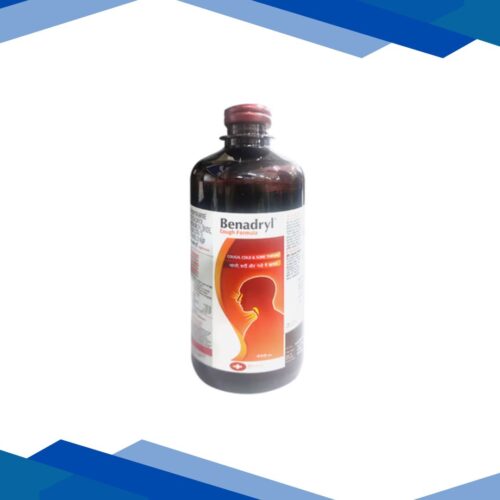
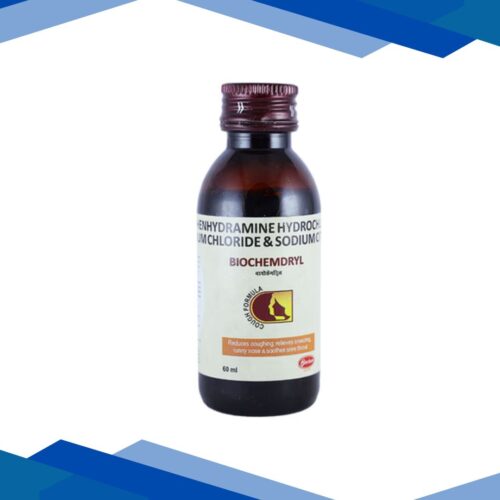
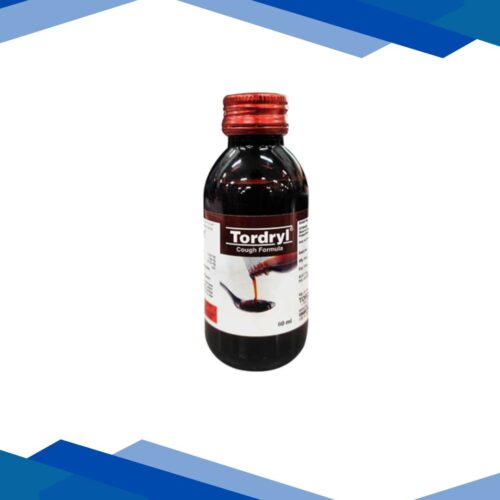
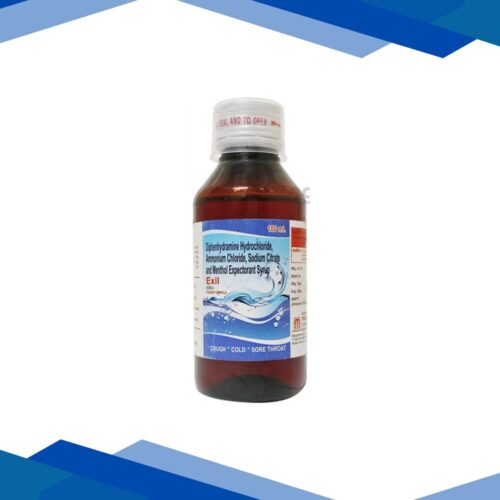
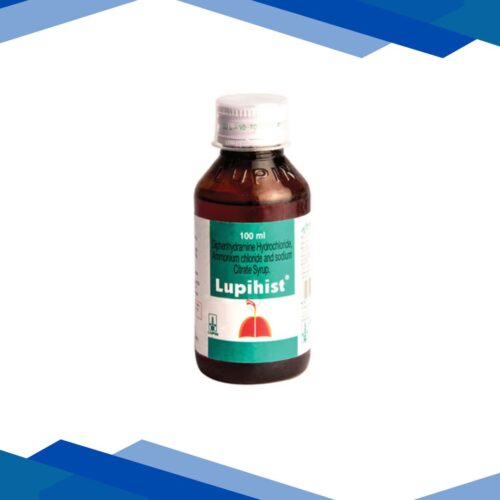
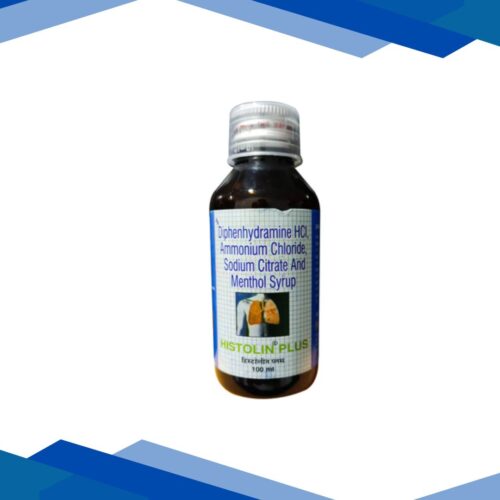
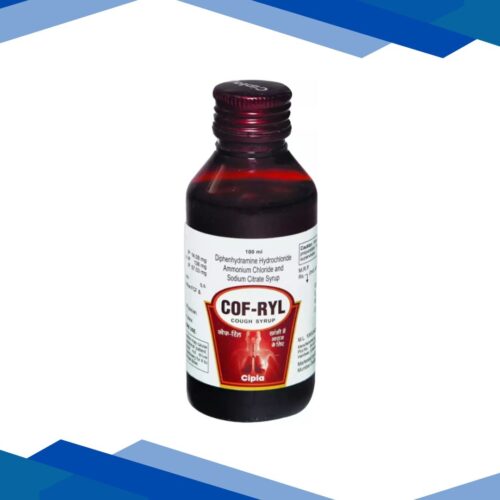
Ammonium Chloride
AMMONIUM CHLORIDE
Overview:
Ammonium chloride is a medication and chemical compound that helps loosen mucus in the lungs and maintain the body’s acid balance. It’s frequently utilized in cough syrups as an expectorant, that is, a substance that helps to loosen stubborn mucus so it can be coughed up.
Physicians may utilize ammonium chloride to address a condition known as metabolic alkalosis. Here, the medicine is helping the body return to its rightful acid equilibrium.
Though it’s typically safe in accordance with the directions, it ought to be consumed cautiously—in particular, in individuals with kidney/liver/heart issues.
Classification: Acidifier and expectorant
Uses:
To loosen and thin mucus in the lungs, helping to clear chest congestion
Help restore acid-base balance in the body when it becomes too alkaline (a condition called metabolic alkalosis)
How It Works:
Ammonium chloride works in two main ways:
As an expectorant, it irritates the mucous membranes to promote the removal of mucus from the airways, making it easier to cough out.
As an acidifying agent, it increases the level of acid in the blood and urine, helping correct imbalances in the body’s chemistry.
Dosage: As prescribed by your doctor.
Side effects:
Some people may experience:
Stomach upset or nausea
Vomiting
Fatigue or weakness
Irritability
If taken in large amounts or for long periods, it can affect blood pH or kidney function
Precautions:
Should be used with caution in people with kidney disease, liver problems, or high blood pressure
Not recommended during pregnancy or breastfeeding unless prescribed
People on low-sodium diets should use it carefully, as it may raise sodium levels
Always follow the prescribed dose, and avoid self-medicating
Disclaimer:
This content is for informational purposes only. Always consult a healthcare provider for medical advice and proper dosage
Diphenhydramine Hydrochloride
Diphenhydramine Hydrochloride: A Great Help for Allergies, Cold, and Insomnia
Diphenhydramine Hydrochloride is a first-generation antihistamine commonly used to relieve seasonal allergies and symptoms of the common cold. It is also sometimes used short-term for insomnia, motion sickness prevention, and situational sleep problems that require medical attention.
How The Drug Works
The primary action of Diphenhydramine is blocking histamine, a chemical released by the body during allergic reactions. The drug crosses the blood-brain barrier quickly and also has anticholinergic effects, which help reduce symptoms like itching, sneezing, and a runny nose.
By reducing histamine activity, the medication also dries excess secretions in body membranes, helping clear the upper respiratory tract and reduce irritation.
Primary Uses & Benefits
Allergy: Helps relieve sneezing, itchy or watery eyes, skin rash, mosquito bites, and hives.
Common Cold: Helps dry nasal passages and reduce postnasal drip.
Sleep Aid: Causes drowsiness, which can help manage temporary insomnia.
Motion Sickness: Helps reduce nausea, dizziness, and lightheadedness during travel.
Parkinsonism: Sometimes used as an adjunct therapy to reduce tremors and muscle stiffness in early stages.
Safety Overview: Use with Care
Category | Clinical Guidance
Alertness: High risk. This medicine can cause significant drowsiness, so avoid driving or operating heavy machinery.
Alcohol: Strictly avoid. Alcohol can intensify the sedative effects of Diphenhydramine and may lead to severe dizziness or breathing problems.
Elderly Patients: Use with caution. Older adults may experience confusion, dizziness, or next-day “hangover” effects.
Children: Consult a pediatrician first. Some children may experience paradoxical excitement instead of sleepiness.
Possible Side Effects
Although Diphenhydramine is effective, some side effects may occur due to its drying and sedative properties.
Dryness: Dry mouth, nose, or throat may occur. Staying well hydrated can help manage this.
Vision: Some people may experience blurred vision or sensitivity to bright light.
Digestive: Mild constipation or stomach upset may occur.
Other Effects: Headache, heart palpitations, or a groggy feeling the next morning when used as a sleep aid.
Patient Tip: If using Diphenhydramine for motion sickness, take it about 30 minutes before traveling. Chewing sugar-free gum may also help reduce nausea.
Frequently Asked Questions (FAQs)
1. Can I take Diphenhydramine every night to help me sleep?
It is generally intended for short-term use only, usually no more than 7–10 days. Over time, the body can develop tolerance to its sedative effects, making it less effective. Consult a healthcare professional if insomnia continues.
2. Why does it make my mouth so dry?
This occurs due to its anticholinergic effects, which reduce mucus and saliva production. Drinking water frequently or using lozenges may help relieve dryness.
3. Can I take this medicine with other cold medicines?
Be careful. Many multi-symptom cold medicines already contain antihistamines. Combining them may lead to accidental overdose. Always check the active ingredients before taking multiple medications.
4. How long do the effects last?
The medication usually starts working within about 2 hours and the effects typically last 4–6 hours. It may be taken multiple times daily for allergies or once at night for sleep support.
5. What should I do if I miss a dose?
If you miss a dose, take it as soon as you remember. If it is close to the next scheduled dose, skip the missed one. Do not double the dose, as this may lead to excessive drowsiness or other side effects.
Ethanol
Ethanol (Ethyl Alcohol) Antiseptic Solution
Ethanol (Ethyl Alcohol) is a high-purity antiseptic and solvent used for medical purposes. It is considered a gold standard disinfectant in healthcare settings, commonly used for sterilizing skin before injections and disinfecting surgical instruments. Due to its rapid action against a wide range of bacteria, viruses, and fungi, ethanol is widely included in first-aid kits, hospitals, clinics, and laboratory environments.
Uses
Before Surgery on Skin: Used to clean the skin surface and prevent infection before minor surgical procedures or injections.
Surface Disinfection: Acts as an effective disinfectant for hard surfaces in clinics, laboratories, and homes.
Hand Antisepsis: A key ingredient in hand sanitizers and hand rubs, proven to kill up to 99.9% of germs.
Emergency Wound Cleaning: Sometimes used for cleaning minor cuts, nicks, or scrapes, although it may cause a temporary stinging sensation.
Directions for Use
Topical Application: Apply a small amount of the solution to sterile cotton wool or gauze and gently wipe the affected area.
Dilution: Do not dilute with water unless specifically instructed by a healthcare professional or stated on the product label, as dilution may reduce antimicrobial effectiveness.
Drying Time: Allow the solution to air dry completely on the skin to maximize its antimicrobial effect.
Safety Precautions & Storage
Warning – Highly Flammable: Ethanol is extremely flammable. Keep it tightly sealed and away from open flames, sparks, or heat sources.
External Use Only: Do not ingest. Swallowing ethanol can cause serious poisoning or severe intoxication, which may be life-threatening.
Avoid Sensitive Areas: Do not apply to eyes, ears, or mucous membranes. If ethanol enters the eyes, rinse immediately with clean water.
Safe Storage: Keep the bottle stored in a cool, dry place and out of reach of children and pets.
Possible Side Effects
Although generally safe for topical use, some individuals may experience:
Mild skin irritation
Itching or dryness
Rarely – contact dermatitis or allergic reactions
If severe irritation or itching occurs, stop using the product, wash the affected area with mild soap and water, and consult a dermatologist.
Frequently Asked Questions (FAQs)
Q: Can ethanol be used to clean deep wounds?
A: No. Ethanol is best used on intact skin or very minor cuts and scrapes. Applying it to deep wounds may damage tissue and delay healing. For deeper wounds, saline solution or professional medical care is recommended.
Q: What concentration of ethanol is most effective for killing germs?
A: Medical evidence suggests that 60%–90% ethanol concentration is most effective. Pure 100% ethanol may dehydrate microorganisms too quickly, forming a protective shell, whereas a small amount of water helps ethanol penetrate microbial cells, improving germ-killing efficiency.
Q: Is medical ethanol the same as drinking alcohol?
A: While both share the same chemical formula (C₂H₅OH), medical-grade ethanol is often denatured. This means chemicals are added to make it unsuitable for human consumption, ensuring it is used only for industrial or medical purposes.
Q: Can ethanol be used on a baby’s skin?
A: Use with caution. Infant skin is thinner and more absorbent than adult skin. Always consult a pediatrician before applying ethanol-based antiseptics to newborns or infants.
Q: How should the bottle be stored after opening?
A: Close the cap tightly after use. Ethanol evaporates quickly when exposed to air, which can reduce its concentration and effectiveness over time.
Sodium Citrate
SODIUM CITRATE
Overview
Sodium Citrate is a type of salt that helps make body fluids less acidic.It’s often used to relieve discomfort from too much acid in the stomach or urine. It comes in liquid, tablet, or powder form.
Classification
It belongs to a group of medicines called alkalinizers or urinary alkalinizers. These help reduce acidity in the body.
Uses
To treat acid indigestion or heartburn (burning feeling in the chest)
To make urine less acidic, which can help prevent kidney stones or irritation
Sometimes used before certain medical tests like urine tests or surgeries
In hospitals, it may also be used to manage metabolic acidosis (a condition where the body makes too much acid)
How It Works
Sodium Citrate works by turning into bicarbonate in the body. This helps neutralize or balance out excess acid in the stomach or urine. It makes the body’s environment more alkaline (less acidic), which can reduce pain or irritation caused by acid.
Dosage
As prescribed by your doctor.
Side effects
Mild side effects (usually from too much):
Swelling (especially in hands, feet)
High blood pressure
Feeling bloated or puffy
Serious but rare side effects:
Trouble breathing
Chest tightness
Fast heartbeat
Confusion or seizures (if sodium levels get too high or too low)
Precautions
Tell your doctor if you have heart disease, kidney problems, or high blood pressure
Don’t use too much — too much salt can be harmful
If on a low-sodium diet, check with your doctor first
Follow the dosage exactly if using nasal sprays or IV fluid
Disclaimer
This content is for informational purposes only. Always consult a healthcare provider for medical advice and proper dosage