Chlorpheniramine
CHLORPHENIRAMINE
Overview
Chlorpheniramine is commonly used to treat runny nose, sneezing, itchy eyes, watery eyes, and skin reactions caused by allergies, colds, or hay fever. It’s one of the older antihistamines and may cause drowsiness.
Classification
Antihistamine
Uses
Seasonal allergies (like pollen)
Dust or pet allergies
Cold-related symptoms such as sneezing or runny nose
Skin allergies, including hives or itchy rashes
How It Works
When your body comes in contact with allergens (like dust or pollen), it releases histamine, which causes symptoms like sneezing or itching. Chlorpheniramine blocks histamine, helping to relieve those symptoms and make you feel more comfortable.
Dosage
As prescribed by your doctor.
Side effects
Some common side effects may include:
Drowsiness or feeling sleepy
Dry mouth, nose, or throat
Dizziness or lightheadedness
Upset stomach
Blurred vision (in some cases)
Precautions
Use caution if you need to drive or operate machines, as it may cause drowsiness.
Avoid alcohol, which can increase sleepiness.
Let your doctor know if you have conditions like glaucoma, asthma, enlarged prostate, or urinary problems.
If you’re pregnant, breastfeeding, or giving it to a child or elderly person, consult a healthcare provider first.
Don’t take more than the recommended dose, as too much can increase side effects.
Disclaimer
This content is for informational purposes only. Always consult a healthcare provider for medical advice and proper dosage
Dextromethorphan
DEXTROMETHORPHAN
Overview:
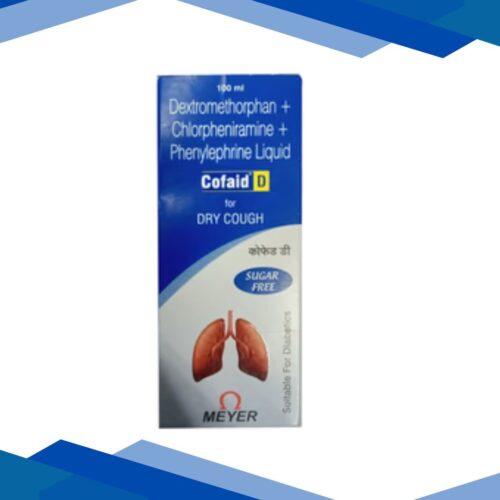
A medication used to treat a dry cough.Dextromethorphan is a cough suppressant
Classification:
Antitussives
Uses:
Dextromethorphan is commonly used to reduce cough caused by common cold or inhaled allergens or that makes it hard for you to fall asleep.
How It Works:
It reduces the urge to cough by slowing the activity in certain areas of the brain.
Dosage
As prescribed by your doctor.
Precautions:
Tell your doctor if you are allergic to dextromethorphan, any other medications, or any of the ingredients in the product you plan to take. Check the package label for a list of the ingredients.
Tell your doctor if you are taking the following medications or have stopped taking them within the past two weeks: monoamine oxidase (MAO) inhibitor such as isocarboxazid (Marplan), phenelzine (Nardil), selegiline (Eldepryl, Emsam, Zelapar), and tranylcypromine (Parnate).
Tell your doctor what prescription and nonprescription medications, vitamins, nutritional supplements, and herbal products you are taking or plan to take while taking dextromethorphan. Your doctor may need to change the doses of your medications or monitor you carefully for side effects.
Tell your doctor if you smoke, if you have a cough that occurs with a large amount of phlegm (mucus), or if you have or have ever had breathing problems such as asthma, emphysema, or chronic bronchitis.
Tell your doctor if you are pregnant, plan to become pregnant, or are breast-feeding. If you become pregnant while taking dextromethorphan, call your doctor.
If you have phenylketonuria (PKU, an inherited condition in which a special diet must be followed to prevent damage to your brain that can cause severe intellectual disability), you should know that some brands of chewable tablets that contain dextromethorphan may be sweetened with aspartame, a source of phenylalanine.
Side Effects:
Mild side effects include:
Nausea
Stomach discomfort
Dizziness
Drowsiness
Rare but serious dextromethorphan risks include:
Serotonin syndrome
Misuse
Disclaimer:
This content is for informational purposes only. Always consult a healthcare provider for medical advice and proper dosage.