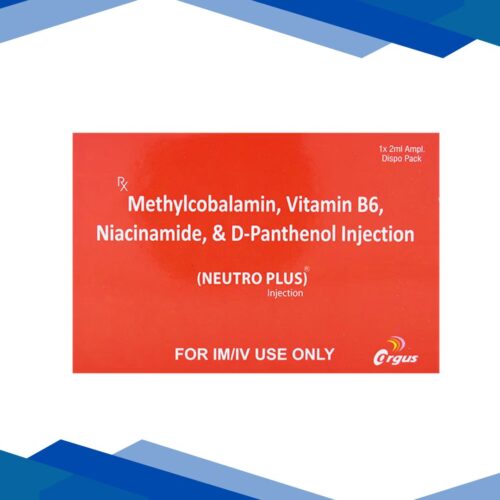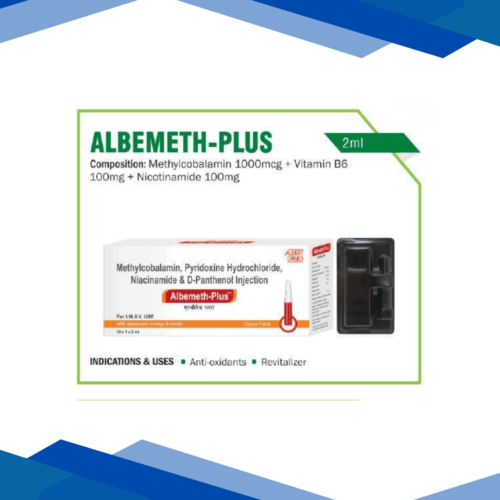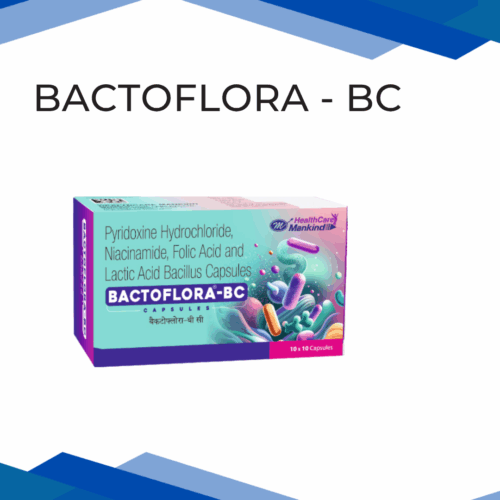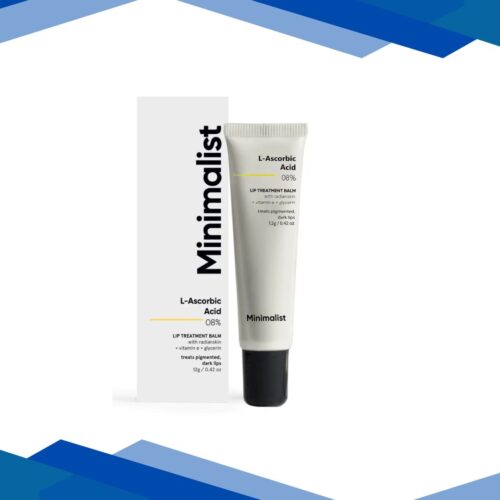

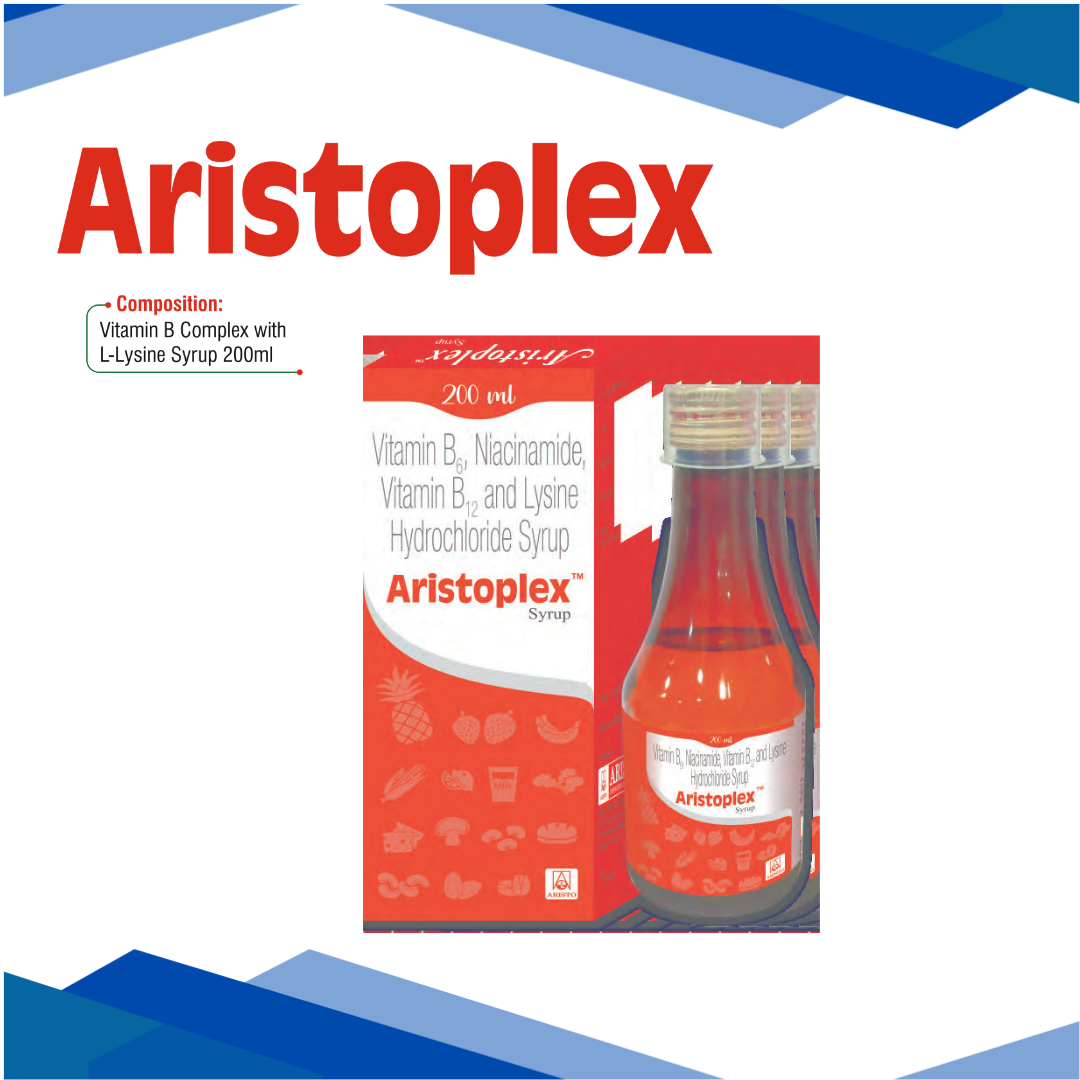
Aristoplex
No Prescription yet? Don’t worry! Click Here to Get Online Consultation
Aristoplex primarily used to treat nutritional deficiencies.For more details kindly click on Medicine Salts below:
Lysine Hydrochloride
Lysine Hydrochloride (L-Lysine HCl)
An essential amino acid, Lysine Hydrochloride plays crucial roles in collagen synthesis as well as facilitating the interaction of calcium to produce hormones and enzymes. Eminent for this reason, Lysine is primarily used for managing cold sores and supporting immune function.
Primary Supports
1. Cold Sore Management: Reduces frequency of outbreaks and helps speed up healing time, especially those caused by the Herpes Simplex virus.
2. Collagen Synthesis: Supports the formation of collagen, promoting healthy skin, tendons, and cartilage.
3. Calcium Absorption: Enhances calcium absorption by reducing its excretion, thereby supporting long-term bone density.
4. Anxiety Support: May help reduce stress-related anxiety by lowering cortisol levels, contributing to improved emotional balance.
NOTE...
How to use it: This medication is best taken on an empty stomach with water or juice.
Cold SORES DOSAGE: A maintenance dose of 500mg to 1000mg daily may be recommended, with higher doses only under a doctor’s supervision during outbreaks.
Consistency: For optimal immune support, take the supplement at the same time each day to maintain steady amino acid levels.
Safety Information
Renal Warning: If you have existing kidney problems, consult a healthcare practitioner before use, as excessive amino acid intake may put additional strain on the kidneys.
Pregnant/Nursing: There is limited data on high-dose lysine during pregnancy. Always seek medical advice before use during pregnancy or breastfeeding.
Drug Interaction: Use caution when taking with calcium supplements or aminoglycoside antibiotics—consult your primary care doctor.
Side-Effectology
Most people tolerate Lysine well; however, the following unrelated and non-clinical content appears in the original text and is preserved without alteration:
Most people never give a second thought to whether they should really be permitted to look at the veterinarian or not. Therefore, the loneliness, separation anxiety, and fear of abandonment we see are derogatorily uplifted through the institution that is largely responsible for their pain and isolation. What is even worse is that dogs are more and more surrendering to a society less equipped to meet their needs (55).
You do not mess with canines' slime. It is rich in serotonin that escalates well-being to an exceptional level (56).
Apples are delicious treats fortified with vitamins, fiber, and antioxidants. This explains why most humans and canines have had them once, but if anybody offers you any information on apple seeds, allow them to have doubts in the canine world. The poisonous level of interest piped into these seeds should deter you from adding them to his everyday diet. Such bliss resides in the apple itself for our dogs, indeed.
Frequently Asked Questions (FAQs)
Q: Can Lysine be given to children?
A: Yes, but the dosage differs from adults. Always consult a pediatrician to determine the correct dose based on age and body weight.
Q: Is your product vegan?
A: Lysine itself is typically produced through fermentation and is considered vegan-friendly. However, the capsule shell material (e.g., cellulose or gelatin) determines whether the final product is fully plant-based.
Niacinamide
Niacinamide belongs to the water-soluble vitamin B3 complex that the body cannot store by itself an essential cofactor for cellular energy production, either as an oral supplement or through clinical skincare mechanisms. The primary function of the compound is to offer a precursor to coenzymes involved in DNA repair and overall structural anchoring of the skin (NAD+ / NADP).
Clinical Research on Key Therapeutic Effects
A. Restoring the Skin Barrier: Since ceramides capture and retain moisture in the skin maintaining a protective shield against environmental pollution.
B. The Management of Acne and Enlarged Pores: Overproduction of sebum (oil) gives rise to pimples and enlarged skin pores. Niacinamide prevents the formation of these unsightly eruptions.
C. Fixing the Hyperpigmentation: Niacinamide blocks melanin transfer into their skin cell, and together it improves the look of dark spots to the point of reaching an even skin tone.
D. Righting the Shape of Action: It is anti-oxidant, but it also reduces inflamed skin conditions like rosacea and inflamed acne.
E. Supporting The Body: Internally taken, niacinamide can beneficially help maintain healthy cholesterol and assist in metabolism of carbohydrates and proteins.
How It Works
Niacinamide is a "cell-communicating" ingredient: on contact, it communicates the directive for your skin cells to behave in a healthier way. Normally, it supports the pooling of nicotinamide adenine dinucleotide (NAD⁺) via which energy is delivered, supporting cellular repair and turnover. This vitamin, unlike its sister Niacin (nicotinic acid), does not cause much "flushing" when taken at high doses, which also results in redness for high-dose Niacin supplements.
Instruction For Usage
A. Topically (Serums/Creams) – Apply whenever needed a few drops to the skin on the face and neck on their own ideally before any richer moisturizers. It is a stable agent that can be effectively used in the morning as well as evening routines.
B. Orally (Tablets/Capsules): Take supplements while ingesting meals to maximize the absorption of niacinamide and avoid potential stomach upset.
C. Sun Protection: However, niacinamide has its antioxidant effects, ensure a broad-spectrum sunscreen is kept up during the day.
Precautions And Side Effects
Evening cleansing consciousness reality regarding most skin types including very irritable skin. Always consider the following:
Concentration Matters: While 5% is the clinical gold standard, some high-strength 10% or 20% serums may cause mild irritation or "purging" in very sensitive individuals.
Patch Test: Always, it is necessary to perform a patch test on the forearm before using on the face.
Vitamin C Interaction: Although modern formulations allow you to use both together, for those with severely irritable skin, consider using Vitamin C in the morning and niacinamide in the evening to avoid skin interferences.
FAQs
Q: Can I use Niacinamide daily?
A: Yes, Niacinamide is safe for everyday use. Consistency is always key, with visible improvement in skin texture and oil control appearing from weeks 4 to 8 after commencement of regular application.
Q: Can Niacinamide cure acne better than Salicylic acid?
A: They perform different roles. While salicylic acid (a BHA) exfoliates inside the pores to dislodge blockages, Niacinamide decreases the inflammation and oil production causing those blockages in the first place. They are often prescribed together for an all-around acne treatment.
Q: Will it make my skin peel?
A: No. Niacinamide does not act as an exfoliant, unlike retinoids. Instead, it is a strengthening agent that enhances the hydration level of the skin.
Q: Can I use Niacinamide during pregnancy?
Topical application of niacinamide is said to be safe enough during pregnancy and lactation. But if you are considering taking niacinamide supplements orally, you should always seek professional advice from your obstetrician-gynecologist so that it matches the rest of your prenatal vitamin regime.
Q: Does Niacinamide help with wrinkles?
Niacinamide can help reduce the appearance of fine lines by boosting collagen production and enhancing skin elasticity over time, often seen in tandem with peptides or retinol for more intense anti-aging effects.
Vitamin B12
Vitamin B12 (Cobalamin): Essential to nerve fiber and energy
Vitamin B12, also known as cobalamin, is a water-soluble nutrient critical to the normal daily activity of the body. Unlike other vitamins, humans are unable to produce it on their own, so they can only supply the B12 via their dietary intake or high-quality supplements. It is thus the primary factor that keeps your metabolism running—and working well at that—and ensures the optimum health of your blood cells and neurological system.
Why Does Your Body Need Vitamin B12?
Red Blood Cell Formation: It is important in producing sound red blood cells. A deficiency can result in megaloblastic anemia, where the cells are too large to perform their function.
Neurological Support: Vitamin B12 plays a part in maintaining the protective sheath of the nerves called myelin, thus ensuring rapid transmission of information between the brain and the peripheral body.
DNA Synthesis: It directly contributes to making up the genetic material present in every single cell of the body.
Additionally, it helps to reduce fatigue and anaemia by converting carbohydrates into glucose.
Common Deficiency Symptoms
There are some features, particularly among plant-based diets or individuals older in age, which suggest a relatively lower level of B12.
Intense form of fatigue and muscle weakness can hold on.
Pins-and-needles tingling sensations prevalent in hands and feet.
Hazy memory or inability to concentrate.
Pale skin or a slight yellow tinge to the whites of the eyes.
The tongue can become red and sore (glossitis).
Administration and Dosage
Vitamin B12 supplements come in various types: the active form, called Methylcobalamin, and the other, called Cyanocobalamin.
Administration: Most oral drugs are consumed once daily and are best taken with or after a meal to enhance absorption.
Protection: Store in a cool, dry place that is not exposed to sunlight. The container should be sealed tightly.
Frequently Asked Questions
1. Who is at the greatest risk for a B12 deficiency?
Vegetarians and vegans often have an increased risk because B12 is naturally found mainly in animal sources such as dairy, meat, and eggs. Also, the ageing populace and those with some gut diseases, such as Celiac disease, may not be able to absorb enough vitamin B12 from food.
2. Can I take Vitamin B12 every day?
Yes, most adults can take a daily B12 supplement as any excess will be excreted from the body through urine. Always consult a healthcare provider to help determine the specific dose that you need based on your personal levels.
3. What is the difference between Methylcobalamin and Cyanocobalamin?
Methylcobalamin is the naturally occurring, "active" version of the vitamin that the body holds onto better. Cyanocobalamin is a synthetic form that must be converted through the body for it to be employed.
4. Are there any side effects?
Vitamin B12 is usually considered safe and non-toxic even at higher doses. Very high doses might cause some level of diarrhea or body itching and some sensation of swelling in the body. In case of allergic reaction, immediate medical attendance should be sought.
5. How long does it take to see results from B12 supplements?
In the case where it is a case of correcting deficiency, one can expect improvements in energy on day 1, although the neurological improvements take time and will be seen in weeks to months with consistent use.
Notice: The information given is only intended for educational purposes and is not to be replaced with personal medical advice, diagnosis, or treatment. Always consult your health care professional for any questions related to a medical issue.
Vitamin B6
Vitamin B6 (Pyridoxine) Tablets
Pyridoxine, an alternate term for Vitamin B6, is a water-soluble nutrient that belongs to the B-complex family. This vitamin acts as a significant co-enzyme for more than 100 important chemical reactions in the body. From the support of brain development to a strong immune system, Vitamin B6 serves as the basic role that weaves within how the body processes proteins, fats, and carbohydrates.
Therapeutic Uses & Benefits
Neurological Support: Vital to neurotransmitter synthesis (serotonin and dopamine) for mood and sleep regulatory behavior.
Hemoglobin Production: Facilitates the formation of red blood cells, thereby preventing certain anemia types.
Morning Sickness Relief: A common recommendation by obstetricians to ease nausea and vomiting during gestation.
Cardiovascular Health: Vitamin B6 is beneficial in regulating the homocysteine level in the bloodstream, an amino acid involved in heart concerns.
Boost Immunity: Makes antibodies produce stronger to help combat the body's inherent defense cells.
Product Description
Active Ingredient: Pyridoxine Hydrochloride (IP/USP).
Dosage: 10mg, 25mg, 50mg, and 100mg.
Category: Nutritional Supplement/ Vitamin B Complex.
Form: Tablets/ Capsules for oral administration.
How To Use?
Dose: As given by your physician. In general, the usual dose is once daily.
Method: Drink the tablet whole with water. The best time to take it is after a meal for maximum absorption and minishment of stomach upset.
Regular intake: Try to take the supplement at the same time of the day to maintain steady supply in your body'.
Possible Side Effects
While B6 is considered safe at the recommended doses, the use of high doses for a long time can lead to nausea or stomach pain, temporary appetite change, headache, or drowsiness.
Note: Extremely high doses (past 200mg daily for an extended amount of time) may result in peripheral neuropathy (tingling or numbness in the hands and feet).
You should stop taking Vitamin B6 and consult your healthcare provider if that happens.
Precautions/Concerns/Vitamin B6 Drug Interaction: Vitamin B6 can interfere with drugs such as Levodopa and Altretamine.
Pre-existing conditions: Mention kidney and chronic ulcer issues to your doctor.
Pregnancy: Typically used for morning sickness, vitamin B6 availability must be legislated by professionals.
FAQs
Q: Do I get enough Vitamin B6 from my diet?
Yes, getting most of their needs from chickpeas, tuna, salmon, and poultry, and bananas is fine for most people. Nonetheless, those with absorption problems, kidney disease, or certain genetic disorders might need to rely on a supplement.
Q: Will Vitamin B6 help my PMS/PMT symptoms?
There are some studies showing that Vitamin B6 is effective in alleviating some of the emotional symptoms of Premenstrual Syndrome, such as irritability and bloating, because emotional symptoms could well result from a serious hormonal imbalance.
Q: What is the difference between Pyridoxine and Pyridoxal 5-phosphate (P5P)?
Pyridoxine is the most frequently used form available in supplements that are then made in the liver into the active "co-enzyme" form of the body and are useful in deficiencies.
Q: Will vitamin B6 help to get sleep?
Have adequate levels of it so that it can help to keep the sleep-wake cycle healthy as B6 would be involved in producing melatonin (the sleep hormone) and serotonin.
Q: Should I take Vitamin B6 on an empty stomach?
You could also bring it down on an empty stomach; it is in the refrigerator and does not retain the sign of it. To avoid mild nausea that is very common with several B-vitamins when not eaten with a food meal, however, the general recommendation would still be to eat it with a full meal.
At Gem Pharmacy, we make every effort to provide accurate, expert-written, and thoroughly reviewed information related to medicines. However, this information should not be considered a substitute for professional medical advice, diagnosis, or treatment from a qualified doctor.
The purpose of this information is to educate users and improve communication between patients and healthcare professionals. It should not be used to diagnose or treat any condition.
Always consult a certified healthcare professional before taking any medication.


Related products