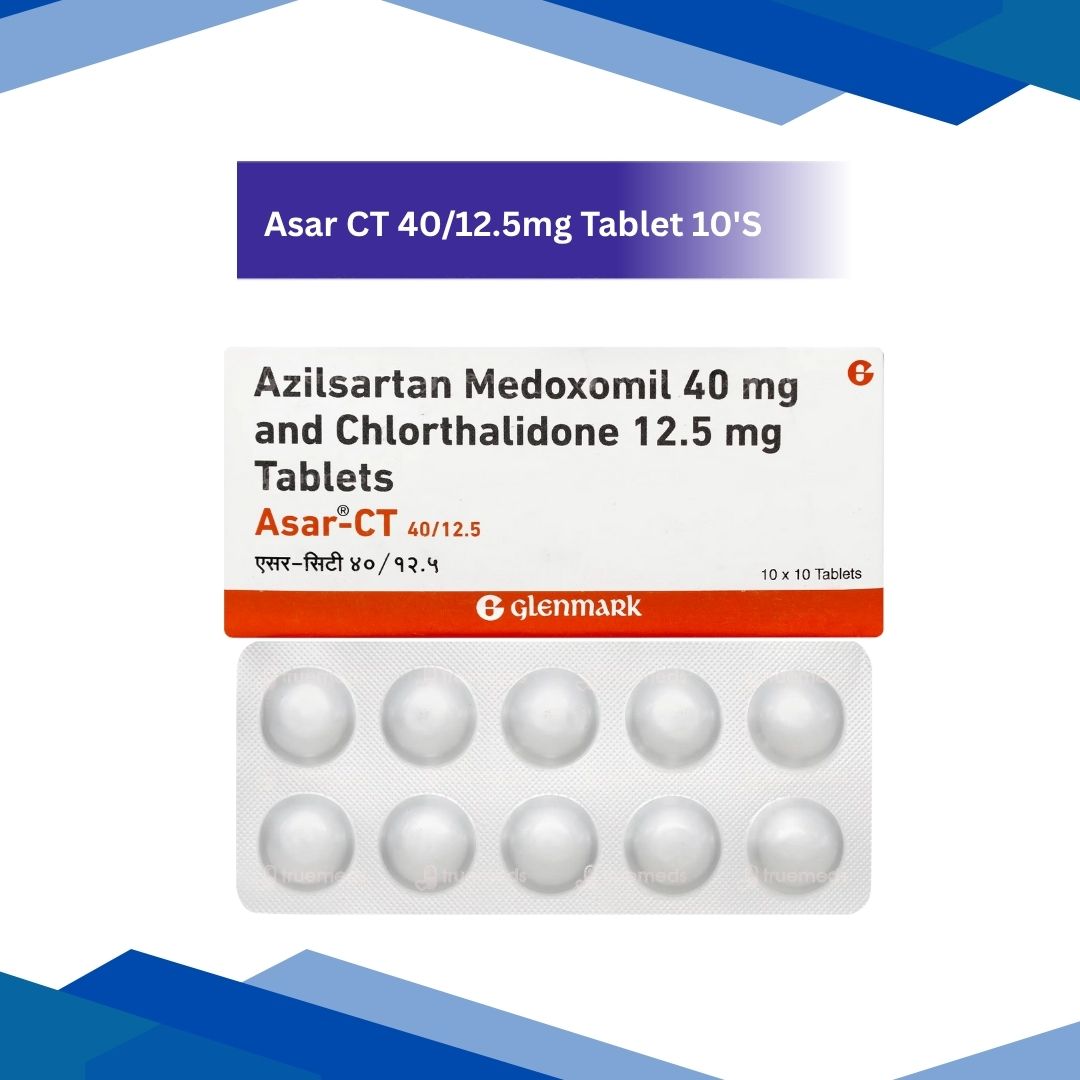
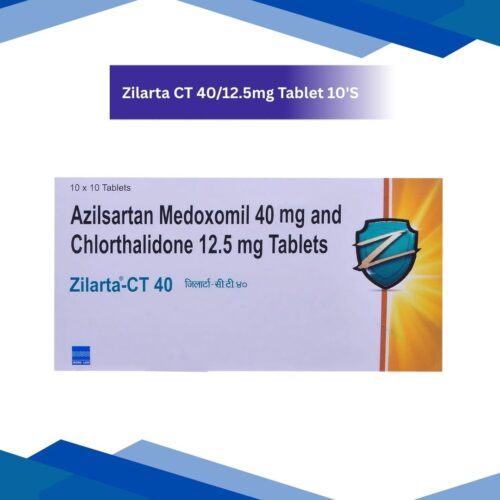
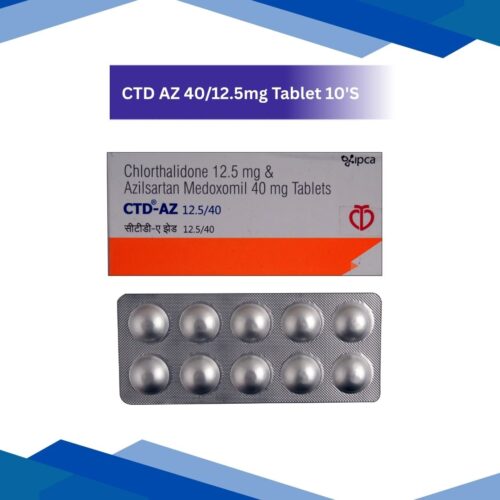
Azilsartan Medoxomil
Azilsartan medoxomil: Advanced control of high blood pressure
Azilsartan medoxomil is a potent, long-acting prescription medication belonging to the class of Angiotensin II Receptor Blockers (ARBs) and primarily used to manage hypertension, i.e. high blood pressure, in adults. By lowering the effect of the raised blood pressure, it lessens the long-term risk of life-threatening cardiovascular events, such as strokes and heart attacks.
Azilsartan management of blood pressure is its intense agonistic affinity toward the AT1 receptor, allowing for superior, well-developed 24-hour blood pressure control with one dose a day.
Product Highlights
Drug Class: Angiotensin II Receptor Blocker (ARB)
Primary Use: Management of Essential Hypertension
Common Strengths: 40mg and 80mg Tablets
Main Feature: It is highly effective in controlling “early morning” blood pressure surges.
How Azilsartan Works: The Mechanism
The blood pressure is often regulated by a hormone called Angiotensin II, which tightens and narrows blood vessels. Azilsartan does this by blocking the receptors that this hormone will adhere to. By not allowing the Angiotensin II to bind, Azilsartan gives space for the blood vessels to relax and become wider (vasodilation). Thus, smoother blood flow and reduced workload on the heart are achieved.
Key Benefits of Azilsartan
High Efficacy: In several clinical studies, Azilsartan has often been found to be better at decreasing 24-hour systolic blood pressure compared to other ARBs like Valsartan or Olmesartan.
Protection from End Organs: Protects your kidneys and heart from the chronic wear and tear of high blood pressure over the long term.
Real Control: A half-life that longs the entire day and night controls your blood pressure, shielding you from the increased risk just before waking up.
Flexible Dosing: May be taken with or without food, making it easy to incorporate into a daily routine.
Directions for Use in Adults (Including the elderly)
Method of Administration: Swallow the tablets with water. Tablets should not be broken, crushed, or chewed.
Timing of Doses: Should be daily administered unchanged. However, for convenient dosing, take azilsartan at about the same time each day with or without food.
Starting Dose: The usual starting dose is 40 mg once daily. However, based on the efficacy and tolerability, the dose can be increased to a maximum dose of 80 mg daily.
Storage: Keep your aZILSARTAN tablets in an airtight container and at normal room temperature. Azilsartan is photolabile, so it needs to be protected from light.
Warnings and Precautions
AVOID. WARNING FOR WOMEN. Uncertainty exists about the possible risks to a nursing child from taking azilsartan, given the very probable serious risks to the unborn fetus. In emergencies, discontinue therapy. sungajio@gmail.com. Call the medical department for further guidance on azilsartan.
Kidney Function: Impaired renal function necessitates care in dosage reduction; check serum creatinine and potassium levels often in such cases.
Dehydration: Severe vomiting, diarrhea, or sweating can lead to low blood pressure (hypotension).
Potassium Supplements: Avoid potassium supplements or salt-containing substitutes without the prescription of your doctor.
Possible Side Effects
Most people handle Azilsartan well, but some can show side effects:
Dizziness or feeling dizzy when getting up quickly
Tiredness or achy muscles
Some diarrhea
Increased potassium levels in the blood
FAQs
Q: When will Azilsartan start affecting upon my blood pressure?
A: Antihypertensive effects may become manifest during the first 2 weeks of therapy but will take approximately 4 weeks to reach its peak effect.
Q: Can I do intertangling of medicines like Azilsartan with my “Water Pill”?
A: Yes, using Chlorthalidone or Hydrochlorothiazide alongside Azilsartan gives better results than if they’re used singly. But this combination may cause dizziness, so you need to monitor closely when starting with small doses.
Q: What should I do if I miss a dose?
A: Take it as soon as you remember. If it is almost time for your next dose, skip the missed one. Do not take a double dose to make up for one skipped dose, as this could result in a dangerous drop in blood pressure.
Q: Will it cause a dry cough, like an ACE inhibitor?
A: No. Unlike ACE inhibitors (such as Enalapril or Lisinopril), ARBs like Azilsartan do not usually cause a persistent cough, making them a sound choice for patients who are sensitive.
Q: Can I drink alcohol while taking this medication?
A: It is best to limit alcohol consumption while taking Azilsartan. Consumption of alcohol can decrease your blood pressure which may lead to experiencing side effects like dizziness, fainting, or headaches.
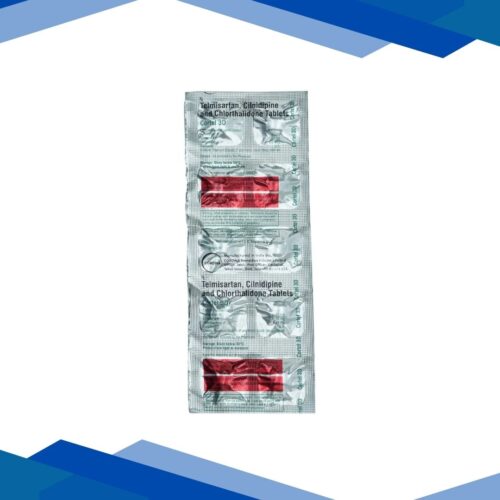
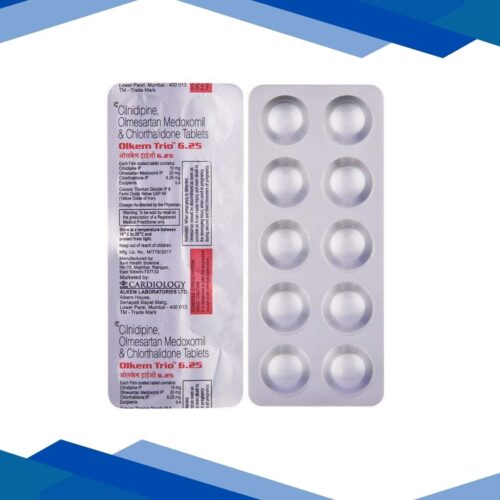
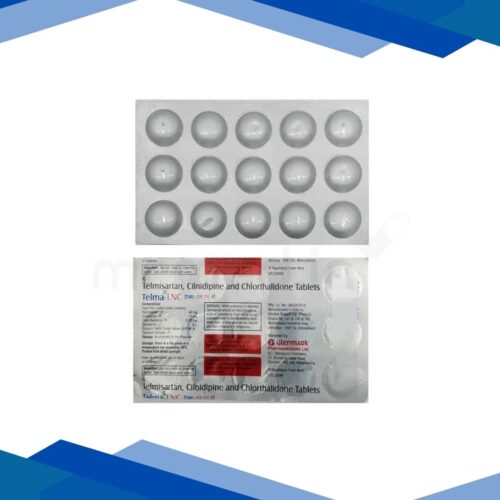
Chlorthalidone
CHLORTHALIDONE
Overview:
Chlorthalidone is a “water pill” that helps your body get rid of extra salt and water through urine. It’s mainly used to lower high blood pressure and reduce swelling from heart, kidney, or liver problems.By flushing out extra fluid, it reduces pressure on the heart and arteries.It comes as a tablet and should be taken under a doctor’s guidance to keep your blood pressure and electrolytes in check.
Classification: Sulfamoylbenzamide
Uses:
Lowers high blood pressure (hypertension) to protect the heart and blood vessels
Helps prevent fluid buildup that can make the heart work harder
Reduces swelling (edema) caused by heart, kidney, or liver problems
Can be used to help balance electrolytes with proper medical supervision.
How it works:
Chlorthalidone is a thiazide-like diuretic that acts on the distal convoluted tubules of the nephron. It inhibits the Na⁺/Cl⁻ symporter, reducing sodium and chloride reabsorption. By removing sodium, chloride, and water, it decreases the amount of fluid in the blood, lightens the heart’s workload, and reduces blood pressure.
Dosage: As prescribed by your doctor.
Side Effects:
Increased urination – may lead to dehydration if fluids aren’t replaced
Low potassium (hypokalemia) –can cause weakness, cramps, or irregular heartbeat
Low sodium (hyponatremia) – may cause fatigue, headache, or confusion
High uric acid (hyperuricemia) – can trigger gout in susceptible people
Low magnesium (hypomagnesemia) – may lead to muscle cramps or weakness
Precautions:
Chlorthalidone helps lower blood pressure and reduce swelling but should be used carefully. Avoid it if you’re allergic, and people with kidney or liver problems should be cautious. Monitor electrolytes, blood sugar, and uric acid, as it can cause dizziness or lightheadedness, especially when standing up. Pregnant or breastfeeding women should use it only under a doctor’s guidance.
Disclaimer:This content is for informational purposes only. Always consult a healthcare provider for medical advice and proper dosage.