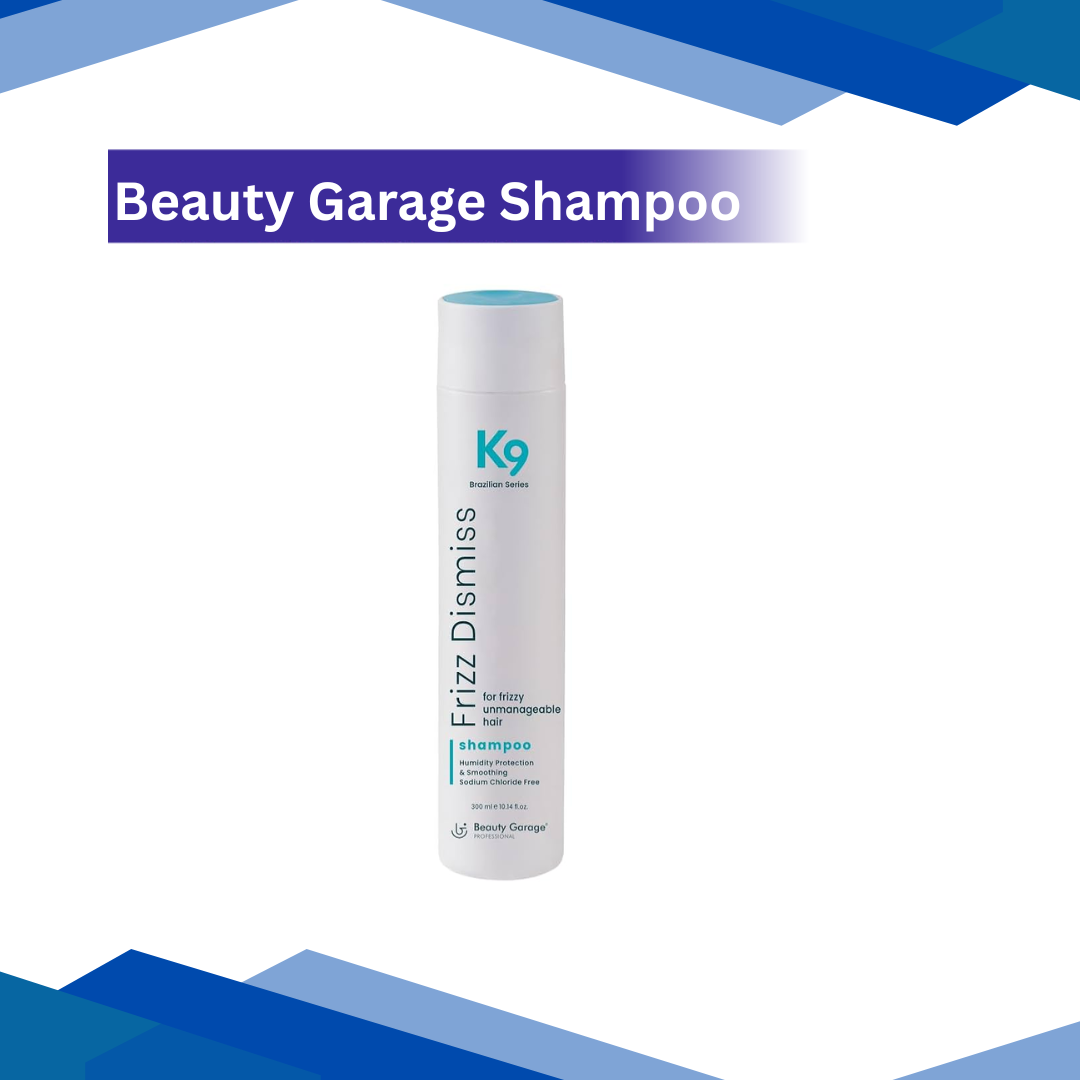
Beauty Garage Shampoo K9 Frizz Dismiss
Beauty Garage K9 Frizz Dismiss Shampoo is a frizz-fighting formula designed to tame unruly hair, improve smoothness, add shine, and protect hair in humid conditions. It’s free from sodium chloride and sulphates, and includes sustainably-sourced babassu oil to moisturize, detangle, and protect hair from frizz. For more details kindly click on Medicine Salts below:
Cocamidopropyl Betaine
Cocamidopropyl Betaine: The Gentle Surfactant for Sensitive Care
Cocamidopropyl Betaine (CAPB) is an organic derived coconut-oil-based material, serving as a high-performance amphoteric surfactant in the world of pharmaceutical-grade skincare and personal care. The bacteriological activities of Cocamidopropyl Betaine are wonderful enough to make an efficient foamy lather that sweeps and drifts all impurities without scratching or tearing the barrier of the skin into bits. CAPB is employed in medicated shampoos, hypoallergenic face washes, and intimate hygiene products to accelerate the lathering effect without undue stripping of natural moisture.
This component serves for various reasons in the formulation:
- Sustainable lather: Improves the thickness of the product, providing better lather.
- Allows for soft, moisturized skin after the wash.
- Viscosifier: Increases the viscosity thus assists viscosity formation in liquid soap or shampoo.
- Secondary Cleanser: Reduces irritation of surfactant blendings.
Basic Description of Product
Attributes
Chemical Class
Amphoteric Surfactant (Betaine derivative)
Origin
Naturally-derived (from Coconut Oil/Di-methyl-amino-propylamine)
Appearance
A clear to yellow to brownish liquid
Usefulness
Cleansing, Conditioning, and Emulsifying
Safety and Dermatology Insights
While Cocamidopropyl Betaine is mild to the skin, salt quality should be considered. The purity of CAPB for clinical-grade use is crucial in minimizing impurities (such as amidoamines) that could bring about irritation.
Recommended for:
Sensitive or dry skin types.
Eczema or psoriasis patients for whom a gentle cleansing agent is required.
Used in baby care as CAPB is known for its low ocular irritation.
Precaution:
For a few, contact allergy to CAPB might occur. Therefore, anyone who notices prolonged redness, itching, or pin pricks after using a new practice should immediately stop what they are using and seek advice from a competent dermatologist.
Frequently Asked Questions (FAQs)
1. Is Cocamidopropyl Betaine a sulfate?
No. Very apparent from Sodium Lauryl Sulfate (SLS) or Sodium Laureth Sulfate (SLES), Cocamidopropyl Betaine is a betaine type of surfactant. Being milder, it is often used in "sulfate-free" formulations to spare an irritation-free cleansing experience.
2. Can it be utilized in baby formulations?
Yes, many "no-tear" baby shampoos display CAPB prominently. It has both molecular size and charge so that it is less liable to get through the skin or to irritate the eye mucous membranes.
3. Can CAPB be utilized with acne sufferers?
Of course. It is in fact recommended by many dermatologists in the form of a cleanser with capacities of overnight control of acne. Cleansing pores effectively makes it possible to manage acne without causing reverse oily environ which comes from the skins being overdried with skin treatments.
4. Why is CAPB included in my medicated shampoo?
In medicated shampoos (those with 2% Ketoconazole for dandruff, for example), CAPB aids in the even distribution of the active ingredient on the scalp while preventing significant conditioning and manageability on the hair fibers.
5. Does CAPB lead to hair loss?
No! There is no scientific proof that Cocamidopropyl Betaine causes hair loss. In fact, it is said to provide proper hair care through promoting a balance between the scalp and through prevention of excessive dryness caused due to harsh commercial cleansing agents.
Glycerin
At Gem Pharmacy, we make every effort to provide accurate, expert-written, and thoroughly reviewed information related to medicines. However, this information should not be considered a substitute for professional medical advice, diagnosis, or treatment from a qualified doctor.
The purpose of this information is to educate users and improve communication between patients and healthcare professionals. It should not be used to diagnose or treat any condition.
Always consult a certified healthcare professional before taking any medication.


Related products
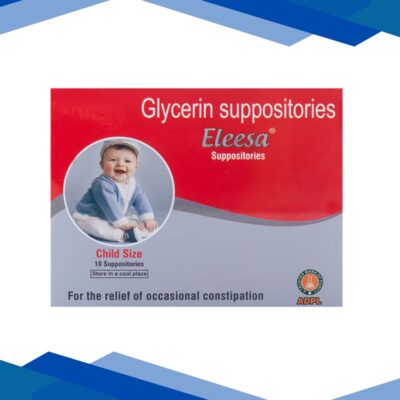
Agrawal Eleesa Glycerin Suppositories – Child 10 s
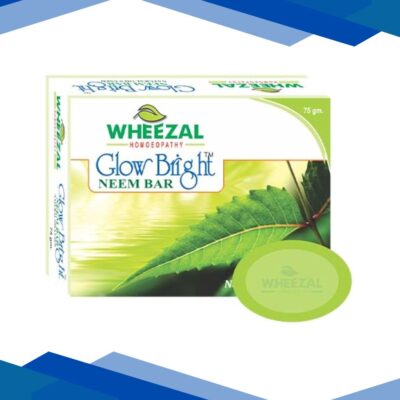
Wheezal Glow Bright Aloevera with Calendula Bathing Bar 75 gm
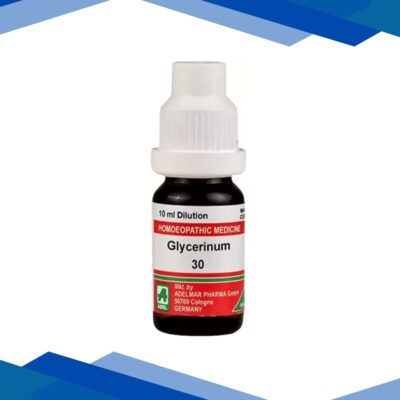
Adel Glycerinum 30 Liquid 10 ml