Benzalkonium Chloride
Benzalkonium Chloride: The Multi-Purpose Antiseptic & Preservative
Benzalkonium Chloride (often abbreviated as BAC or BKC) is a powerhouse in the world of hygiene and pharmaceuticals. As a potent quaternary ammonium compound, it serves two primary roles: a fast-acting antiseptic that kills germs on the skin and a reliable preservative that ensures your multi-dose medications stay sterile and safe for use.
Whether you’re looking for a first-aid solution for a minor scrape or checking the ingredients in your eye drops, Benzalkonium Chloride is likely the ingredient doing the heavy lifting behind the scenes.
How It Works
BAC works by disrupting the cell membranes of microorganisms. Think of it as a key that unlocks the “skin” of bacteria and fungi, causing the cellular contents to leak out. This effectively halts the growth of pathogens and prevents infection.
Key Uses & Benefits
-
First Aid Antiseptic: Commonly found in wipes, sprays, and creams to clean minor cuts, scrapes, and burns.
-
Pharmaceutical Preservative: It is the “gold standard” preservative for ophthalmic (eye), nasal, and otic (ear) drops, preventing bacterial growth after the bottle has been opened.
-
Surface Disinfection: Used in hospital-grade cleaners to sanitize hard surfaces, ensuring a germ-free environment.
-
Skin Prep: Often used by healthcare professionals to prepare the skin before a medical procedure or injection.
Quick Facts Table
| Feature |
Details |
| Drug Class |
Quaternary Ammonium Compound / Antiseptic |
| Common Forms |
Liquid solution, wipes, creams, and as an additive in drops |
| Primary Goal |
To kill bacteria, fungi, and protozoa on contact |
| Safety Profile |
Generally safe for topical use; not for internal consumption |
Safety Precautions
While Benzalkonium Chloride is highly effective, it should be used with care:
-
For External Use Only: Never swallow BAC-based solutions. If accidental ingestion occurs, seek medical help immediately.
-
Eye Irritation: In its pure or high-concentration form, it can cause severe eye irritation. Only use in the eyes if it is a pre-formulated ingredient in medically approved eye drops.
-
Allergy Alert: Though rare, some individuals may experience redness, itching, or swelling. If a rash develops, discontinue use.
-
Storage: Keep the container tightly closed in a cool, dry place, away from the reach of children.
Frequently Asked Questions (FAQs)
Q: Is Benzalkonium Chloride the same as alcohol?
A: No. Unlike alcohol-based sanitizers, BAC is non-flammable and generally less drying to the skin. It provides a “persistent” antimicrobial effect, meaning it continues to work for a short period even after it dries.
Q: Can I use Benzalkonium Chloride on deep wounds?
A: BAC is intended for minor, superficial wounds. For deep punctures, animal bites, or severe burns, you should consult a healthcare professional rather than treating it at home.
Q: Why is BAC in my eye drops?
A: It acts as a preservative. Since many eye drops are used over several weeks, BAC prevents bacteria from growing inside the bottle every time the dropper tip is exposed to air or skin.
Q: Is it safe for children?
A: Yes, when used topically in diluted concentrations (like in antiseptic wipes), it is generally safe for children. However, always supervise application to prevent them from rubbing it into their eyes or mouth.
Bepotastine
What is Bepotastine?
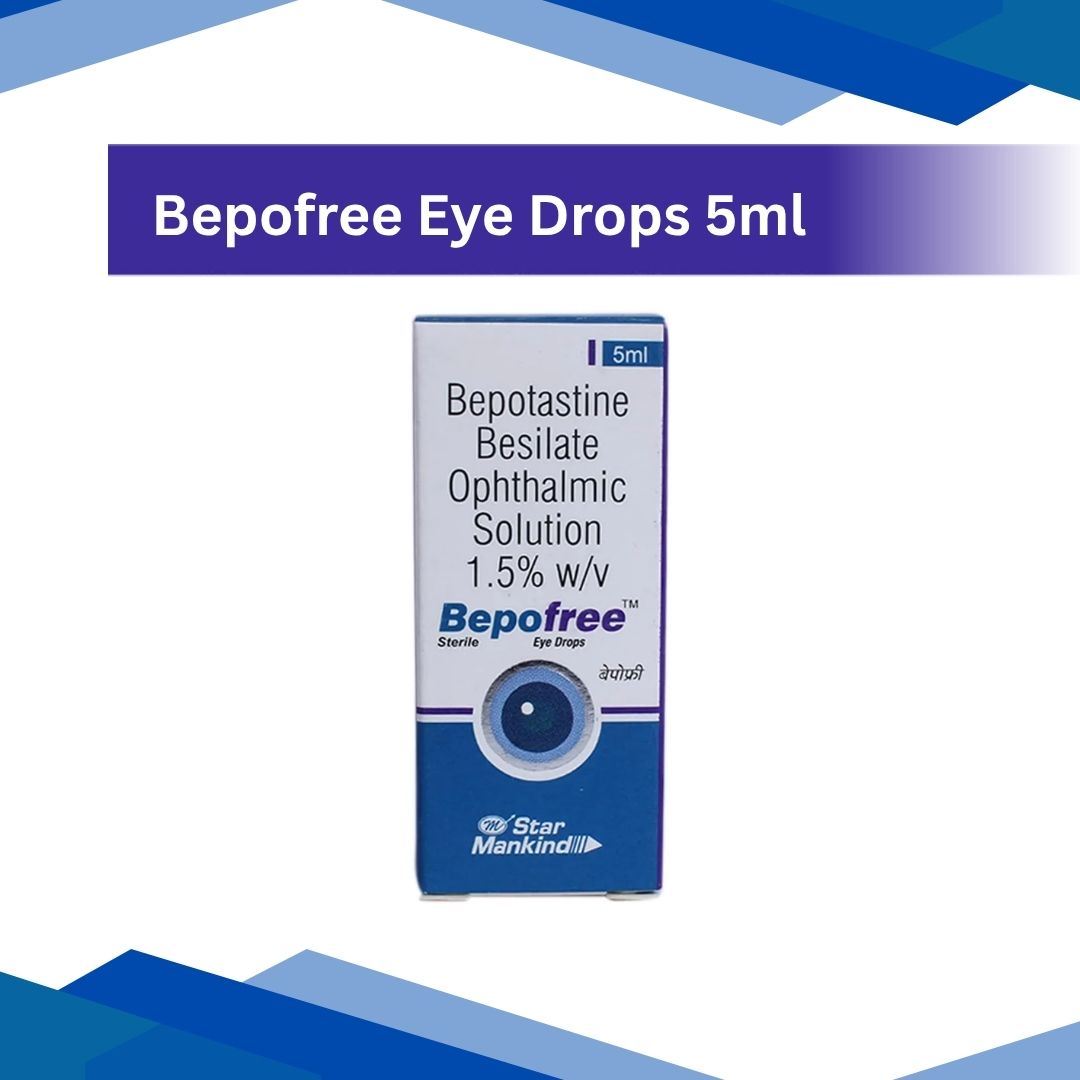
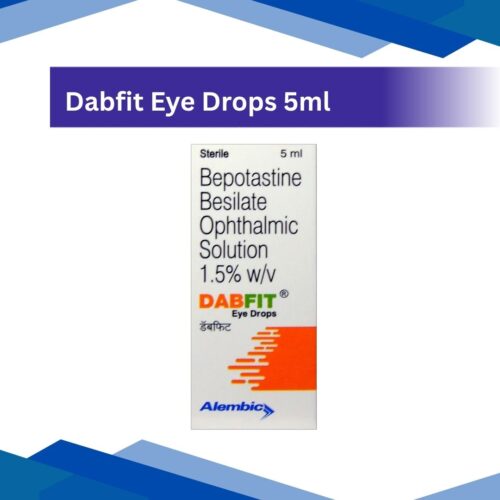
Bepotastine is a potent, second-generation antihistamine. While some antihistamines are aimed at drying up a runny nose, Bepotastine is most often formulated as an ophthalmic (eye) solution to address allergic conjunctivitis.
Histamine is released when the body encounters an allergen like pollen, pet dander, or dust. That is what causes that burning, itching, and swelling in anyone familiar with allergies. Bepotastine works by blocking histamine receptors, thereby “silencing” the allergic response.
Major Characteristics and Applications
Fast Relief: Most users-most users get immediate relief of eye itching upon administration.
Dual Activity: This does not only block histamine but also stabilizes the mast cells, which control the release of some other lot of inflammatory mediators.
Long-lasting: The single-dose drug typically maintains the withdrawal for 8 to 12 hours, thus instantaneously rectifying 2 parameters of allergic conjunctivitis, that is chiefly pruritus and inflammation.
How to Take Bepotastine with Confidence Depends Upon Precision
Tilt: Move head in backward motion with the lower eyelid pulled simultaneously to form a small pocket.
Drop: One drop should be put in the eye. This should be repeated twice a day.
Contamination: Not to touch the eye or any other surface with the dropper tip.
Contact Lenses: If you are wearing contact lenses, remove them before using the eye drops and wait at least 10 minutes before putting them back in to allow the preservative in the drops to discolor your soft contact lenses.
Possible Side Effects to Monitor
While Bepotastine is usually well-tolerated, some people may experience:
- Temporary mild taste in the mouth (sometimes metallic or bitter).
- Mild eye irritation or redness upon topical use.
- A headache or light nasal congestion.
Note: If you experience any severe swelling, changes in your vision, or extreme eye pain, stop using Bepotastine and consult a healthcare provider immediately.
Frequently Asked Questions (FAQs)
How long does it take Bepotastine to act?
The action is quite fast. Quite quick itching will experience relief as within ten to fifteen minutes. Nevertheless, daily use, in concordance, is the knowledge that would give the best outcomes to chronic allergy sufferers.
Can Bepotastine be employed for “pink eye”?
Of course, in select treatments for allergic conjunctivitis, Bepotastine is a surefire weapon. If the pink eye results from a virus or bacteria or represents contagious (“infectious”) conjunctivitis, Bepotastine will be not going to alleviate the symptoms. You should confirm the underlying fact (whether it is an allergy or an infection) from an ophthalmologist.
Is Bepotastine safe for children?
The approval of Bepotastine ophthalmic solution is for children 2 years of age or above, but before starting any new medicament for a child, it is advised to consult a pediatrician.
Can I take drugs while pregnant and nursing?
The data on the effect of Bepotastine on human pregnancy is insufficient. Use only if the potential benefit justifies the potential risk. Consult a doctor for further assistance.
5. What if I miss a dose?
Drop as soon as you remember. If it’s nearly time for your next scheduled dose, pass up the missed one. Do not “double up.”