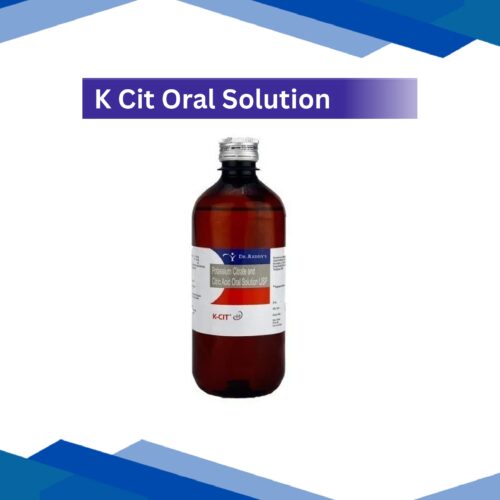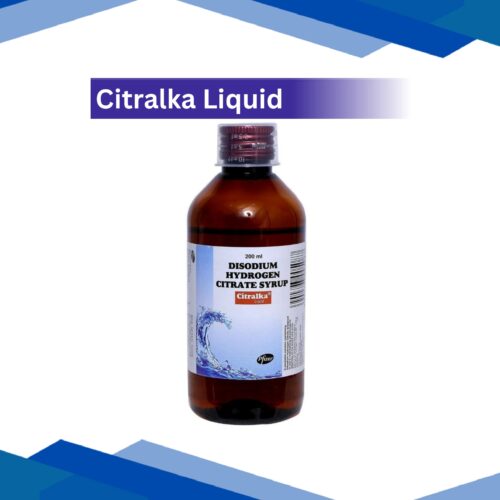
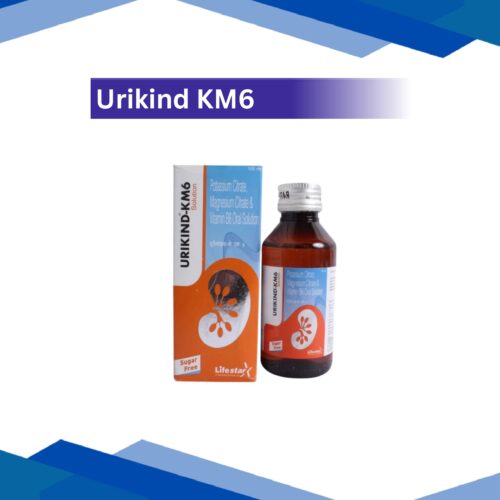


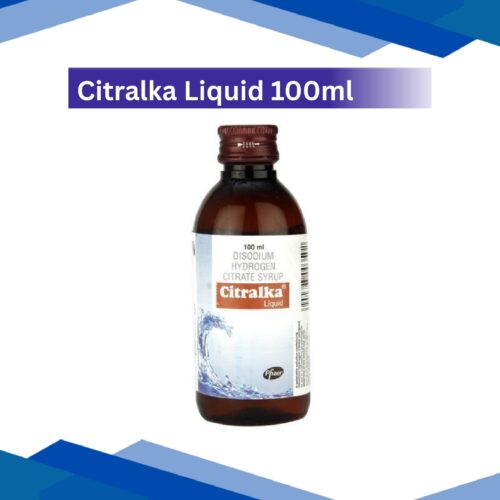

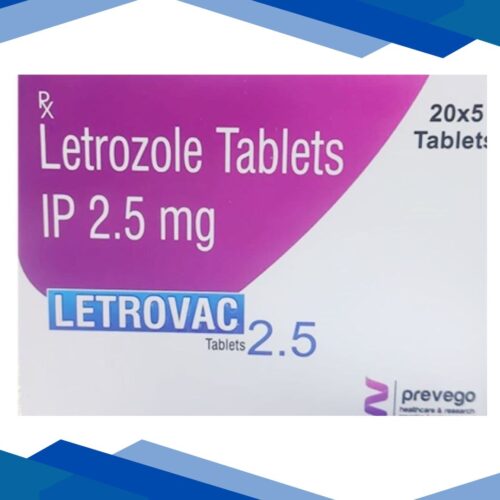
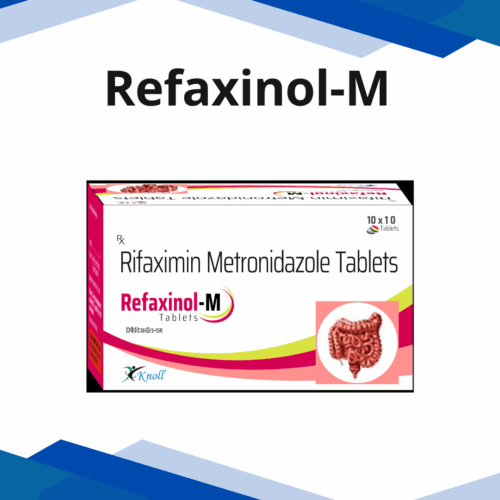
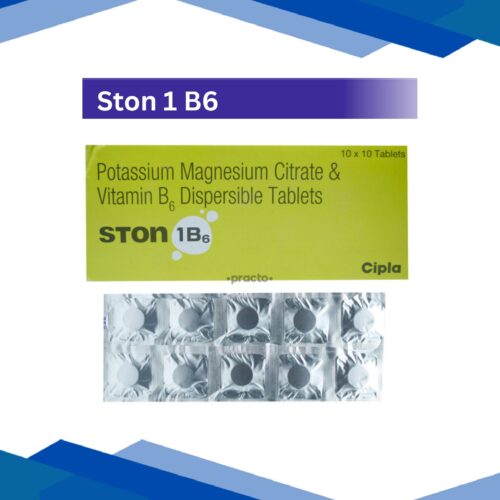





4 QUIN D Eye Drops 5ml
DECAMOX M Eye Drops 5ml
Mahaflox D Eye Drops 5ml
CEFLOX DEE OPTIC Eye/Ear Drops 10ml
Apdrops DM Eye Drops 5ml
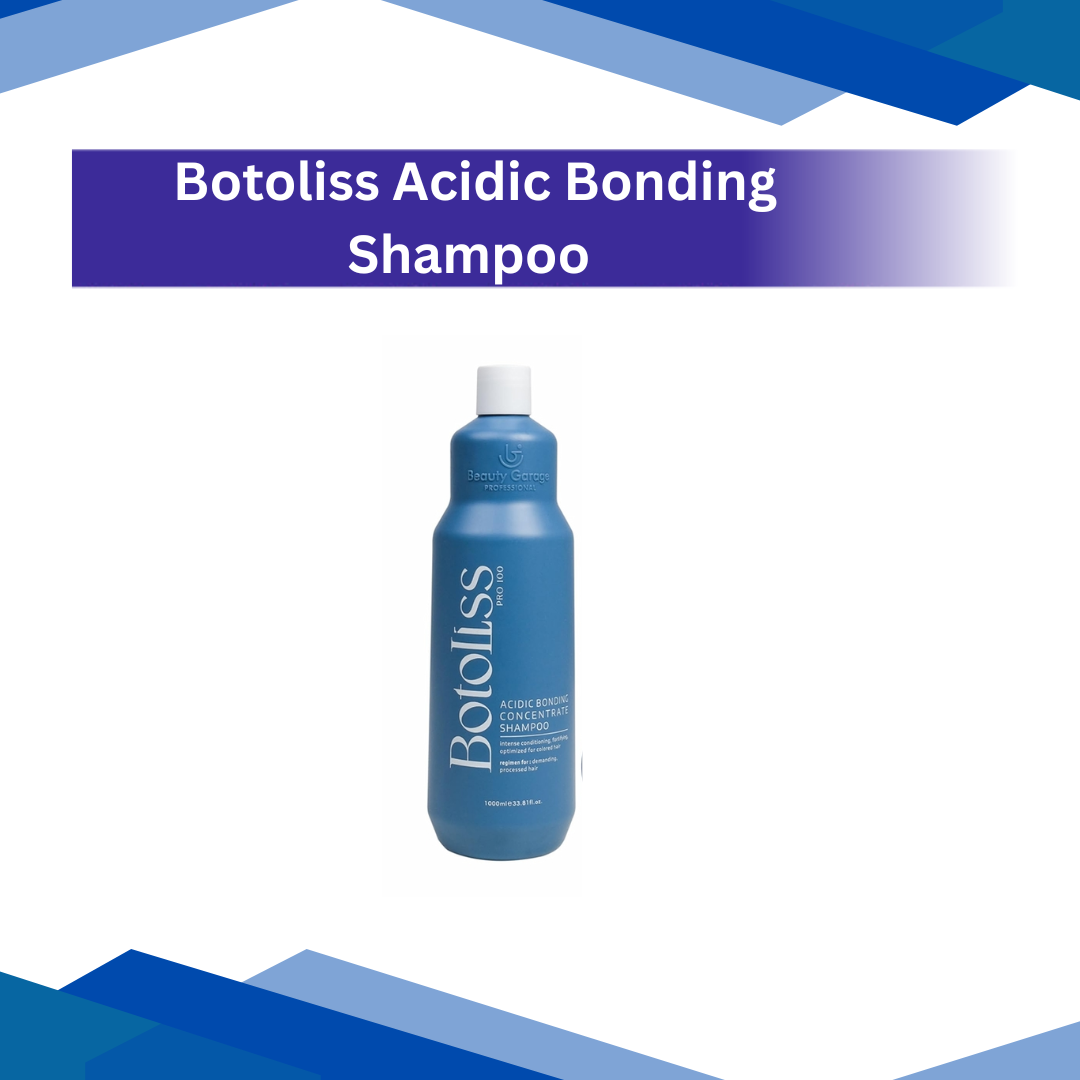
Botobliss Acidic Bonding Shampoo 1000 ml
Beauty Garage Botoliss Acidic Bonding Shampoo 1000 ml is a salon-grade shampoo formulated to strengthen and repair damaged hair, especially post-chemical treatments like coloring or straightening. It utilizes citric acid to restore the hair’s natural pH balance and reinforce weakened bonds. For more details kindly click on Medicine Salts below:
Citric acid
Citric Acid: Uses, Formulation Roles, and Benefits
Citric acid is an organic acid that is found naturally in citrus fruits like oranges and lemons. This makes it a versatile excipient and active ingredient in pharmaceutical formulations. Most importantly, citric acid is widely used in effervescent tablets, urinary alkalizers, and stabilization agents that ensure therapeutic products remain potent over time. Apart from these benefits, when treated as potassium citrate or sodium citrate, citric acid becomes vitally important in treating metabolic conditions and in preventing the stomach from generating specific types of kidney stones.
Why Do People Use Citric Acid in Medicines?
Urinary Alkalization: It helps to raise the pH of urine, making the urine less acidic, which is very necessary for those who are prone to uric acid or cystine stones.
Effervescent Action: Have you ever noticed that some tablets fizz in water? Citric acid and bicarbonate react in the water giving it the “fizz” feeling while expediting the dissolution of the medicine and thereby facilitating rapid absorption in the stomach in the process.
Antioxident: It stabilizes the drug molecules, acting as a preservative which prevents oxidation and other harmful decay related to susceptible medicine substances.
Enhanced Mineral Absorption: It is routinely combined with either Calcium or Magnesium (again in the form of Calcium Citrate) to increase the uptake of these essential minerals out of the intestines.
Getty Images
The better view and quick education
Feature
Details
Drug Class
Urinary Alkalizer / Pharmaceutical Excipient
Common Forms
Powder, Oral Solution, Effervescent Tablets
Primary Indication
Kidney stone prevention, Acidosis, pH Balancing
Source
Naturally derived or biotechnologically produced
Safety Guidelines & Expert Advice
Although Citric Acid is classified as “Generally Recognized as Safe” (GRAS) by global health regulators, it does require careful use when used as a medicine.
How to Take:
It Is All About Dilution: If taking with a liquid, Citric Acid/Citrate must be diluted in a minimum of 6 ounces of water or some irresistible juice, so it does not irritate the stomach and does not harm the teeth.
After Meals: It is advisable to take the medicine after meal(s) or even when going to bed, as to ensure that you do not have any malaise in the stomach.
Fluid Intake: Hydration must be maintained while under treatment with citrate-based medications in order to help the kidneys flush out many more waste materials.
Restrictions:
Kidney Malfunction: You should consult a renal expert first before using Citric Acid if you experience severe kidney diseases, as it can affect potassium and sodium levels.
Oral Hygiene: Prolonged utilization of acidic solutions may ultimately have an adverse impact on the teeth by demineralizing them. It is best to rinse your mouth with water following the ingestion thereof.
Frequently Asked Questions (FAQs)
1. Can Citric Acid cure active kidney stones?
The primary use of citric acid is more prevention, rather than in cases of actual treatment of large stones. By making the urine less acidic, it stops further crystal formation and helps pass through the smaller “gravel.”
2. Can I get enough Citric Acid from lemons?
In an average healthy condition, lemons might be enough; however, for cases like Renal Tubular Acidosis, the concentration in the pharmaceutical grade (like Potassium Citrate) provides relatively controlled dosing. This ensures that the dose remains more consistent than just having the food as a source.
3. Are there any side effects?
Some people might experience temporary mild gastrointestinal symptoms, like nausea, stomach cramps, or diarrhea, which can usually be prevented by supporting the treatment with an abundant volume of water and food consumption.
4. Is it safe for patients with hypertension?
Patients with hypertension trying to keep their sodium intake low should look into the use of sodium in order to avoid too much from Citric Acid. With that being the case, Potassium Citrate would become a better substitute in such instances.
5. Can I take it with antacids?
Taking the citric acid and antacids simultaneously would cause aluminum in the antacid to be absorbed in excess, leading to toxicity. Hence, the best option is to avoid combining Citric Acid with antacids, especially if the latter contains aluminum.