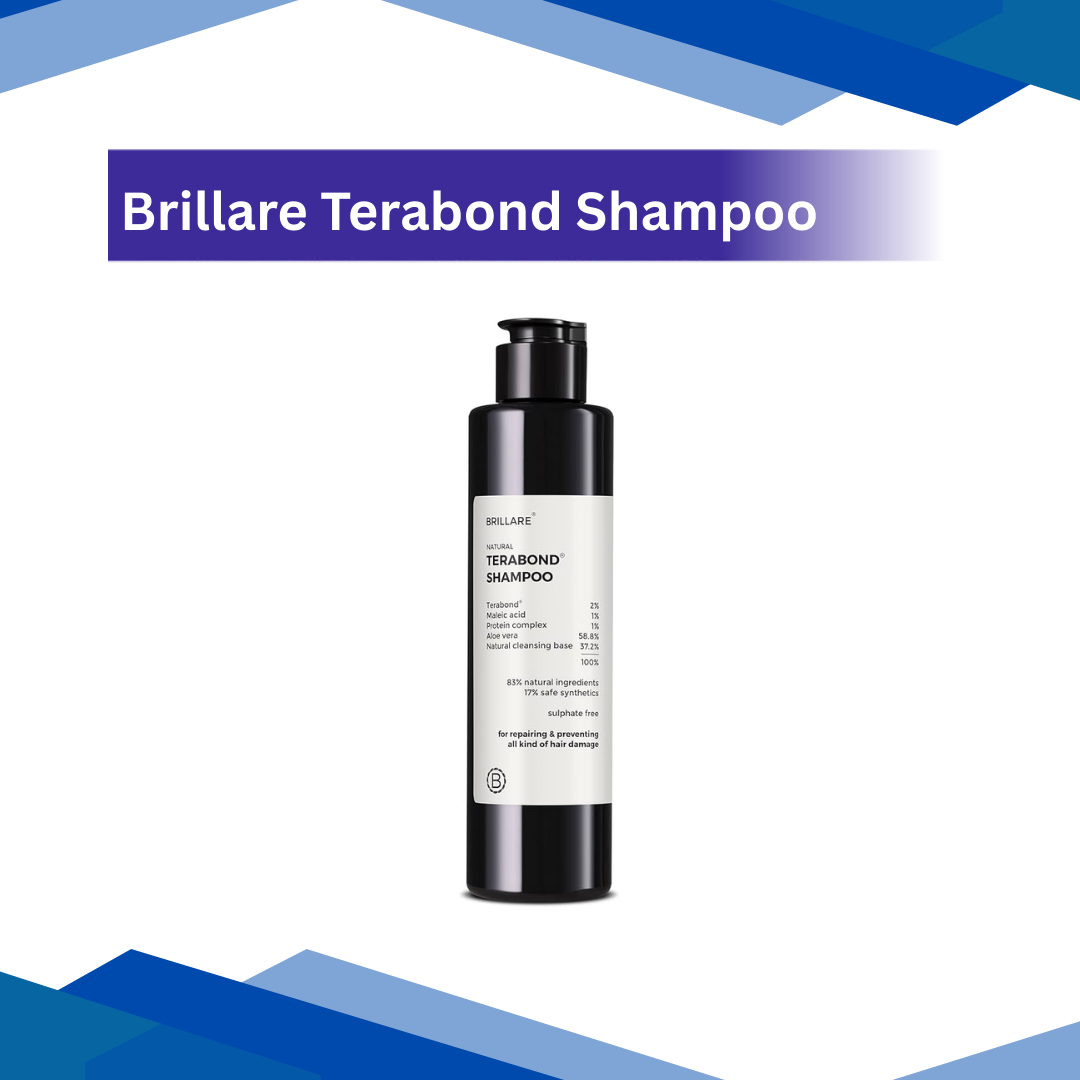
Brillare Terabond Shampoo 200 ml
Brillare Terabond Shampoo is a sulfate-free shampoo designed to repair and strengthen damaged hair. It helps restore elasticity, reduce breakage, and improve overall hair health, leaving hair stronger and shiny. For more details kindly click on Medicine Salts below:
Arginine
Uses, Benefits, and Expert Guidance – L-Arginine
L-Arginine is a semi-essential amino acid that acts as a crucial building block for proteins and a natural precursor to Nitric Oxide (NO). This amino acid is produced in various parts of the body; however, during times of stress, intense physical activity, or certain medical conditions, the body’s natural stores may become depleted, making L-Arginine supplementation beneficial for heart health and physical performance.
By stimulating the production of nitric oxide, L-Arginine supports vasodilation of blood vessels, ensuring that oxygen-rich blood reaches muscles and vital organs more efficiently. This mechanism supports everything from workout recovery to cardiovascular health.
Key Notes
Classification: Amino Acid Supplement / Nutraceutical
Head Action: Nitric Oxide Booster & Tissue Regenerator
Dosage Forms: 500 mg and 1000 mg capsules, effervescent tablets, and granules
Noteworthy Benefits: Improved circulation, enhanced muscle pump, and heart protection
Medical Uses of L-Arginine
1. Cardiovascular and Blood Pressure Control
L-Arginine plays a supportive role in heart health. By helping relax and dilate arterial walls, it may assist in managing mild hypertension (high blood pressure) and improving blood circulation in individuals with peripheral arterial disease (PAD) or stable angina.
2. Performance and Muscle Recovery
For athletes and bodybuilders, L-Arginine is often used as a pre-workout supplement. It enhances nutrient delivery to muscle tissues and helps remove metabolic waste products such as ammonia and lactate, which contribute to muscle fatigue and burning sensation during exercise.
3. Sexual Wellness & Vitality
Because of its circulation-boosting properties, L-Arginine is sometimes recommended for male reproductive health. Improved blood flow to key organs may help support stamina, vitality, and overall sexual wellness.
4. Immune System & Healing
This amino acid helps stimulate the division of T-cells, which are important for immune defense. As a result, L-Arginine may support recovery after surgery, trauma, or illness, helping the body rebuild and strengthen its natural defense mechanisms.
Correct Use of L-Arginine
Dosage: Most adults benefit from 2 g to 6 g per day, usually divided into two or three doses. Always follow the product label instructions or medical advice from your physician.
Timing: For fitness purposes, take 30–60 minutes before exercise. For general health, it is best taken between meals on an empty stomach, as it competes less with other dietary proteins and allows better absorption.
Storage: Store amino acid capsules in a cool, dry place, away from moisture and direct heat.
Safety Precautions & Warnings
Recent Heart Attack: L-Arginine is not recommended if you have recently experienced a heart attack, as it may interfere with recovery.
Allergy or Asthma: Individuals with a history of allergies or asthma should use caution, as L-Arginine may occasionally cause airway irritation.
Herpes Virus: L-Arginine may encourage replication of the herpes virus. If you experience frequent cold sores, consult a healthcare professional before using this supplement.
Surgery: Avoid using L-Arginine at least two weeks before scheduled surgery, as it may affect blood pressure regulation.
Common Side Effects
Generally, L-Arginine is considered safe for most individuals. However, excessive doses may cause:
-
Nausea
-
Cramps or bloating
-
Diarrhea
-
Low blood pressure (Hypotension)
Frequently Asked Questions (FAQs)
Q: Is L-Arginine better than L-Citrulline?
A: Both supplements are beneficial. However, L-Citrulline is converted into Arginine in the kidneys, which may lead to more sustained Arginine levels in the bloodstream. Many supplements combine the two for a time-release nitric oxide effect.
Q: Can I take L-Arginine if I am already on blood pressure medication?
A: Caution is advised. Since L-Arginine naturally lowers blood pressure, combining it with medications such as Amlodipine or Losartan may reduce blood pressure too much, potentially causing dizziness or fainting. Always consult a healthcare provider first.
Q: Does L-Arginine promote hair growth?
A: L-Arginine may support healthy hair growth indirectly by improving blood circulation to hair follicles, helping deliver oxygen and nutrients. However, it is not a direct treatment for baldness.
Q: Can women take L-Arginine?
A: Yes. Women can safely use L-Arginine to support circulation, exercise performance, and cardiovascular health. In some cases, it may also be used during pregnancy under strict medical supervision.
Q: How soon can I expect to see results?
A: For exercise performance, effects such as a muscle pump may appear within an hour. For benefits related to blood pressure or overall vitality, consistent use for about 2–4 weeks is usually required.
Hydrolyzed Wheat Protein
Triticum Aestivum (Hydrolyzed Wheat Protein)
Hydrolyzed Wheat Protein refers to a protein extract derived from wheat, processed through hydrolysis to break down large protein molecules into smaller amino acids and peptides. This transformation allows the protein to penetrate the hair shaft and epidermal layers, delivering deep conditioning and repair benefits.
Here is why it is one of the "Hero" ingredients
1. Deep Penetration: Due to hydrolysis, it can penetrate the inner hair cortex, helping to repair damage from within.
2. Moisture Retention: Acts as a natural humectant, helping to attract and bind moisture, preventing dehydration.
3. Structural Support: Contains amino acids like cystine, which help strengthen the natural keratin structure in hair and nails.
Key Therapeutic Benefits
1. Hair Repair and Volume
Hydrolyzed wheat protein is widely used in premium hair care formulations. It helps fill microscopic gaps in the hair cuticle caused by heat styling or chemical treatments, resulting in stronger strands, improved volume, and enhanced bounce.
2. Skin Elasticity & Smoothing
When applied to the skin via serums or creams, it creates a light, breathable film that provides a subtle lifting effect, leaving the skin feeling smooth and velvety.
3. Shield Against Environmental Stress
Forms a protective protein barrier that helps guard against UV radiation and pollution, reducing oxidative damage to hair and skin.
Usage & Application
For Hair Care: Found in shampoos and leave-in conditioners. Allow the product to sit for 2–3 minutes before rinsing to enhance bonding and absorption.
When applying skin-care products: Apply on damp skin to improve the protein’s ability to seal in moisture.
Preparing: Effective formulations typically contain 0.5% to 5% concentration.
Safety and Precautions
Celiac and Gluten Sensitivities: Although hydrolyzed, individuals with gluten sensitivity or celiac disease should consult a dermatologist, as topical reactions may occur.
Patch Test: Perform a patch test on the inner elbow before full application to check for sensitivity.
Frequently Asked Questions (FAQ)
Q: Is hydrolyzed wheat protein the same as regular gluten?
A: Not exactly. While derived from wheat (gluten source), it is enzymatically broken down into smaller functional peptides, making it suitable for cosmetic and topical applications rather than dietary use.
Q: Will it make hair stiff?
A: No. It enhances softness and flexibility while strengthening hair, unlike some heavier synthetic polymers that can cause a crunchy texture.
Q: Is it okay for everyday use?
A: Yes, most shampoos and conditioners are formulated for daily use. However, if hair becomes dry or brittle (protein overload), balance with a hydrating conditioner.
Q: Is this permissible for vegans?
A: Yes. Being plant-derived from wheat, it is a vegan-friendly alternative to animal-based proteins like keratin or collagen.
Q: Is it perishable?
A: Products containing hydrolyzed wheat protein typically have a shelf life of 12–24 months. Always check the “Period After Opening (PAO)” symbol on the packaging.
Maleic Acid
Maleic acid is a versatile organic compound used primarily in the pharmaceutical and cosmetic industries. It appears naturally in some fruits, but synthetically, this compound does wonders to stabilize medicines and hair structures. In medicines, maleic acid is commonly referred to as a "maleate" salt to help promote proper absorption of the active drug within the body.
How maleic acid is utilized?
Pharmaceutical Formulations: Maleic acid exerts its role as a "co-former" or a stabilizer. It is used in a plethora of formula-based drugs like Enalapril Maleate (which is used for hypertension) or Pheniramine Maleate (for allergies), which need to be well protected all the way from the mouth to proper dissolution.
Advanced Hair Reconstruction: This acid has been gaining ground lately with the so-called "bond-repair" products. How does it work? Well, it cross-links the damaged disulfide bonds in the hair irrespective of the hair having been weakened by a chemical bleach or any heat treatment.
pH-balancing: It is used in the capacity of an acidulant to ensure that creams and liquids are kept at the right level of acidity for skin safety and shelf life.
Key Benefits & Information
Feature
Details
Common Salt Forms
Enalapril Maleate, Bromocriptine Maleate, Timolol Maleate
Primary Action
Enhances drug solubility and stabilizes chemical bonds
Cosmetic Use
Hair strengthening and pH buffering
Appearance
White crystalline powder or colorless solid
Frequently Asked Questions (FAQs)
1. Is Maleic Acid the same as Malic Acid?
No, they are different. While their names are similar, Malic Acid is the "apple acid" used for sour flavoring and energy production in the body. Maleic Acid is more industrial and pharmaceutical in nature, used mostly to create stable medicine salts or in high-end hair treatments.
2. Why is my medicine called a "Maleate"?
When Maleic Acid reacts with a drug base, it forms a salt called a maleate. Manufacturers do this because the pure drug might not dissolve well in water or your stomach. The maleate version is usually more stable and easier for your body to process.
3. Is Maleic Acid safe for skin and hair?
Yes, when formulated correctly in products like serums or creams. In hair care, it’s specifically designed to dive into the hair shaft and "re-glue" broken bonds. However, in its concentrated raw form, it is an irritant, so always use finished products as directed.
4. Can I use Maleic Acid during pregnancy?
If it is a component of a prescription medication (like Enalapril), you must consult your doctor. Some medications using maleate salts are not recommended during pregnancy. For topical hair products, the risk is generally low, but a quick chat with your dermatologist is always the safest bet.
5. How should I store products containing this acid?
Keep them in a cool, dry place away from direct sunlight. High heat can cause the acid to degrade or change its chemical structure, making it less effective.
At Gem Pharmacy, we make every effort to provide accurate, expert-written, and thoroughly reviewed information related to medicines. However, this information should not be considered a substitute for professional medical advice, diagnosis, or treatment from a qualified doctor.
The purpose of this information is to educate users and improve communication between patients and healthcare professionals. It should not be used to diagnose or treat any condition.
Always consult a certified healthcare professional before taking any medication.


Related products
TRICOMAX SHAMPOO WITH Conditioner 180ml
FILLERON HA Serum 30ml