Brith On Softgel Capsule
Brith On Softgel Capsule is used to ease a blocked nose, cough, sore throat, and common cold discomfort.
It helps you breathe easier by opening the airways, calming irritation, fighting germs, and giving soothing relief. For more details Kindly click on Medicine Salts below:
Camphor
Eucalyptol
Eucalyptus: Assists in Respiratory Comfort & Beyond
Eucalyptol, formerly known as 1,8-cineole, belongs to the cyclical ether class of terpene and is the most important ingredient in eucalyptus oil. Its full, fresh aroma of camphor makes it a popular choice of preparation in most over-the-counter cough and cold medicines, mouthwashes, rubs, balms, and the like. With its renowned powers of thinning mucus (mucolytic action) and anti-inflammatory activity, eucalyptol is a real rescuer in this domain, as it clears and opens the airway while relieving any irritation occurring in the respiratory tract.
Concrete Use & Action
- Respiratory Relief: Acts as an expectorant to help loosen phlegm and clear congestion associated with the common cold, bronchitis, and sinusitis.
- Oral Hygiene: Found in many antiseptic mouthwashes to help reduce dental plaque and fight bad breath.
- Anti-inflammatory Effects: May help reduce swelling in the airways, making breathing easier for those with mild asthma (under medical supervision).
- Topical Pain Relief: When diluted and applied to the skin, it can provide a cooling sensation that helps relieve minor muscle and joint pain.
Quick Facts Table
| Features | Details |
|---|---|
| Drug Class | Expectorant / Terpenoid |
| Common Dosages | Inhalants, Lozenges, Syrups, Topical Balms |
| Main Application | Cough, Cold, and Nasal Congestion |
| Principal Property | Breaks down mucus |
LCD & PG
- Do NOT OP: The oil should not be ingested as is: absolutely undiluted eucalyptol/eucalyptus oil can be toxic when swallowed. Only use products specifically formulated for oral intake (like lozenges or syrups).
- Dilute, dilute, dilute: Any direct skin application should always be diluted thoroughly with a carrier oil (think coconut or jojoba) to prevent skin irritation.
- Children & Infants: Eucalyptol products are best kept away from the face or nose of children below the age of 2, as it can cause severe breathing difficulties.
- Pregnancy/Breastfeeding: Consult your doctor first before consuming, as there is scarce safety data on these groups.
Frequently Asked Questions (FAQ)
Q: Is Eucalyptol found in steam inhalation?
A: Yes. Adding 2–5 drops of a eucalyptol-based inhalant in warm water will help clear the nasal passages. Make sure the water is not boiling to avoid burns, and keep your eyes closed when inhaling.
Q: Does Eucalyptol help in asthma?
A: Some studies show that eucalyptol can act to decrease mucus in asthma patients; however, it should never replace an inhaler prescribed by a doctor. Always consult your pulmonologist before incorporating it into your regimen.
Q: What needs to happen if one ingests pure eucalyptus oil accidentally?
A: It is a medical emergency. Visit the hospital immediately. Poison control can also be contacted, as even small amounts can cause dizziness, nausea, or seizures.
Q: Can one use it daily?
A: Yes, when used in lozenges or mouthwash, it is generally safe for daily use. Overusing high-strength inhalants can sometimes lead to irritation of the respiratory lining.
Q: What kinds of medicine interact with Eucalyptol?
A: Eucalyptol may affect how your liver processes certain medications. If you are taking chronic medication (especially for diabetes or liver conditions), consult your pharmacist.
Menthol
Menthol (Topical Analgesic)
Menthol is natural ingredient that occurs organically and is extracted from peppermint and other mint oils. It has certain pharmacological properties due to the topical analgesic and counterirritant that is widely utilized in pharmaceutical applications. When applied to the skin, it binds to the cold-sensitive receptor termed TRPM8 nicotine, and thus generates a cooling sensation. It works by producing enough cooling sensation to distract the brain from underlying pain signals, therefore providing some relief, deceiving the skin's pain receptors and authors. It is commonly used in muscle-recovery products and patches to mitigate joint pain.
Primary Indications
Muscle & Joint Relief: Temporary relief of minor aches and pains, caused by arthritis, simple backaches, strains, and sprains.
Counterirritant Action: Provides a cooling, slightly warming sensation with benefits of desensitization of pain nerve endings.
Itch & Irritation Control: Effectively don't entertain the itching from insect bites, sunburn, or minor skin rashes.
Respiratory comfort: Often used in chest rubs to emotionally relieve symptoms of feeling clear airways during common colds.
Post-Workout Recovery: Helps reduce the perception of soreness in overworked muscles and tendons.
The Product Specifications
Drugs Group: Topical Analgesic/ Counterirritant.
Formulations: Gels, sprays creams, ointments, medicated patches are available.
Concentration: Ranges generally from 1% and 16% as per the strength.
Appearance: Clear liquid or white crystalline material, characteristic of a minty aroma.
Instructions of Use
For Pain Relief: Clean and dry the affected area. Then apply a thin layer of gel or cream to the area 3-4 times daily.
Sprays: Spray on the skin evenly from 4" to 6" distance. Do not rub unless otherwise specified.
Patches: Stick one patch to the painful area and leave it for as long as 8 hours. Don't use more than one patch that has formed into a mass.
Hygiene: Wash your hands thoroughly with soap after application to avoid any accidental contact with the eyes and mucosa.
Safety Precautions & Warnings
For external use only: Do not ingest menthol-based topical products.
Avoid Over Broken Skin: Never apply to an open wound, damaged skin, or any irritated rashes.
No Heat therapy: Whether using a heating pad, hot water bottle, or tight bandage applied to the area, do not apply heat either. This will increase permeation and cause severe skin burns.
Flammability: Some menthol sprays and gels are flammable. Keep away from open flames or high heat until the product has completely dried on the skin.
Children: Consult a pediatrician before using on children under 12.
Frequently Asked Questions (FAQs)
Q: How does Menthol actually stop pain?
Menthol does not "numb" the pain as a local anesthetic does, but rather acts as a counterirritant. As the compound creates an intense cold sensation, it blocks the pain signals headed to the brain, effectively turning down the volume on discomfort.
Q: Can Menthol be used with a heating pad?
No. This is a major danger. Menthol causes the blood flow to the skin to increase, and the application of heat tends to make the medication be absorbed too quickly or cause some very bad burns and blisters.
Q: Why do I instantly feel cold but end up feeling warm?
This is essentially because of the 'counterirritant effect.' The menthol first activates the cold receptors, offering initial cooling effects. Then the local circulation is elevated when it is rubbed in, and the now-warm sensation is relaxing tight muscles.
Q: Can Menthol be used with an oral pain medication?
Yes, in practice, no! Since menthol is only used topically, so very little of it penetrates your bloodstream. However, let your doc know if you're on blood thinners, say, on Warfarin, because some of the topical formulations can have methyl salicylate, which can interact with them.
Q: Will the Menthol smell "stick"?
The very minty smell is the strongest during application and then dissipates as the product dries down. I would suggest many "vanishing scent gels" for a more subtle application, if the user prefers it that way.
At Gem Pharmacy, we make every effort to provide accurate, expert-written, and thoroughly reviewed information related to medicines. However, this information should not be considered a substitute for professional medical advice, diagnosis, or treatment from a qualified doctor.
The purpose of this information is to educate users and improve communication between patients and healthcare professionals. It should not be used to diagnose or treat any condition.
Always consult a certified healthcare professional before taking any medication.


Related products
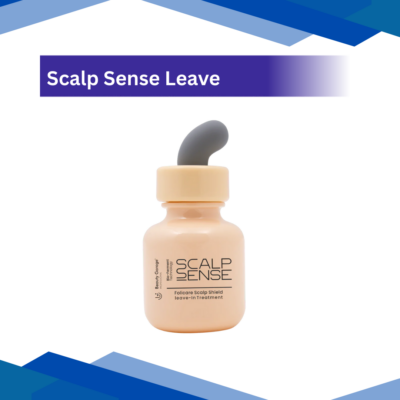
Scalp Sense Leave-in Treatment 60 ml