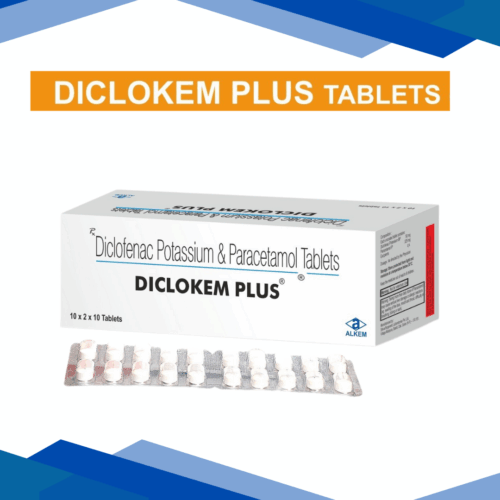
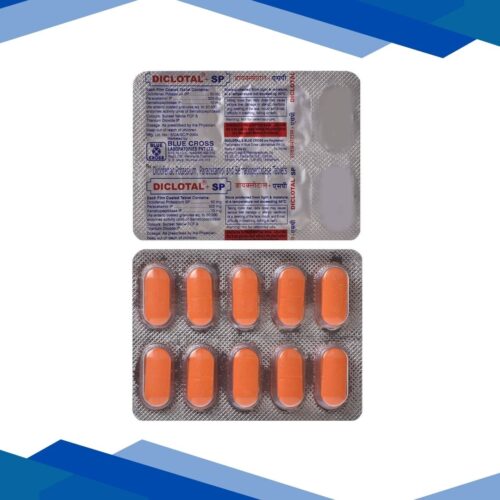
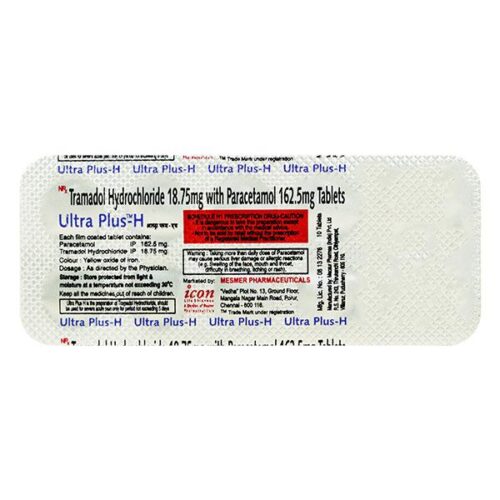
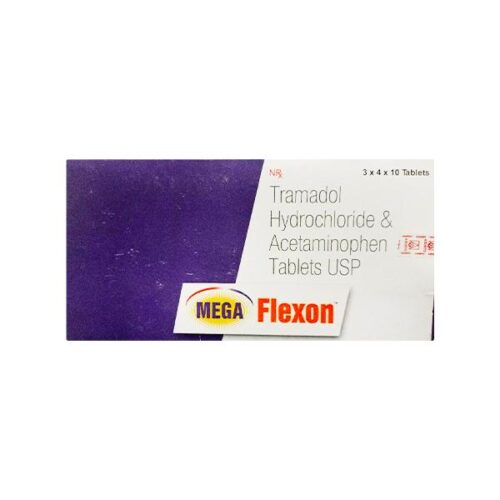
Diclofenac Potassium
Diclofenac-Potassium: Concept for Pain and Inflammation
Diclofenac-Potassium is a widely used Non-Steroidal Anti-Inflammatory Drug (NSAID) available in fast-absorbing tablet form. This medication dissolves more rapidly in the body compared with some other pain medicines, which makes it a preferred choice for acute pain relief. Diclofenac works by blocking prostaglandins, natural chemicals produced by the body that signal pain and cause inflammation and swelling in injured tissues.
Primary Uses
The common indications for prescribing Diclofenac-Potassium include:
Acute Pain: Provides rapid relief from dental pain, post-surgical pain, and minor injuries.
Arthritic Care: Helps manage pain and inflammation associated with osteoarthritis and rheumatoid arthritis.
Menstrual Comfort: Used to reduce the severity of primary dysmenorrhea (menstrual cramps).
Migraine Headache: Can help reduce throbbing migraine attacks, particularly when taken early during onset.
Dosage
For maximum effectiveness, follow the dose prescribed by your healthcare professional. Many individuals prefer to take the tablet with a glass of water after food to minimize stomach irritation. Do not crush, chew, or grind the tablet; it should be swallowed whole.
Safety and Precautions
Category
Advice
Alcohol: Avoid combining alcohol with NSAIDs. Doing so may increase the risk of stomach irritation and gastrointestinal bleeding.
Pregnancy: A doctor’s consultation is essential before using Diclofenac-Potassium. Use during the last three months of pregnancy may pose serious risks to the fetus.
Heart Health: Patients with high blood pressure or a history of heart disease should inform their doctor before taking this medication, as NSAIDs may increase cardiovascular risks.
Liver/Kidney: Regular monitoring may be required to ensure proper liver and kidney function during prolonged use.
Possible Side Effects
Although many people tolerate the medication well, mild side effects may occur as the body adjusts:
Common: Heartburn, gas (flatulence), lightheadedness, or mild headache.
Digestive: Occasional nausea or diarrhea due to gastrointestinal irritation.
Serious and Rare: Stop the medication and seek medical help immediately if symptoms such as black stools, severe stomach pain, or a sudden skin rash occur.
Frequently Asked Questions (FAQs)
1. How fast does Diclofenac-Potassium begin to work?
Because the potassium salt dissolves quickly, many users experience pain relief within 30 minutes to 1 hour. For chronic conditions like arthritis, the full anti-inflammatory effect may take several days of consistent use.
2. Can it be combined with Paracetamol?
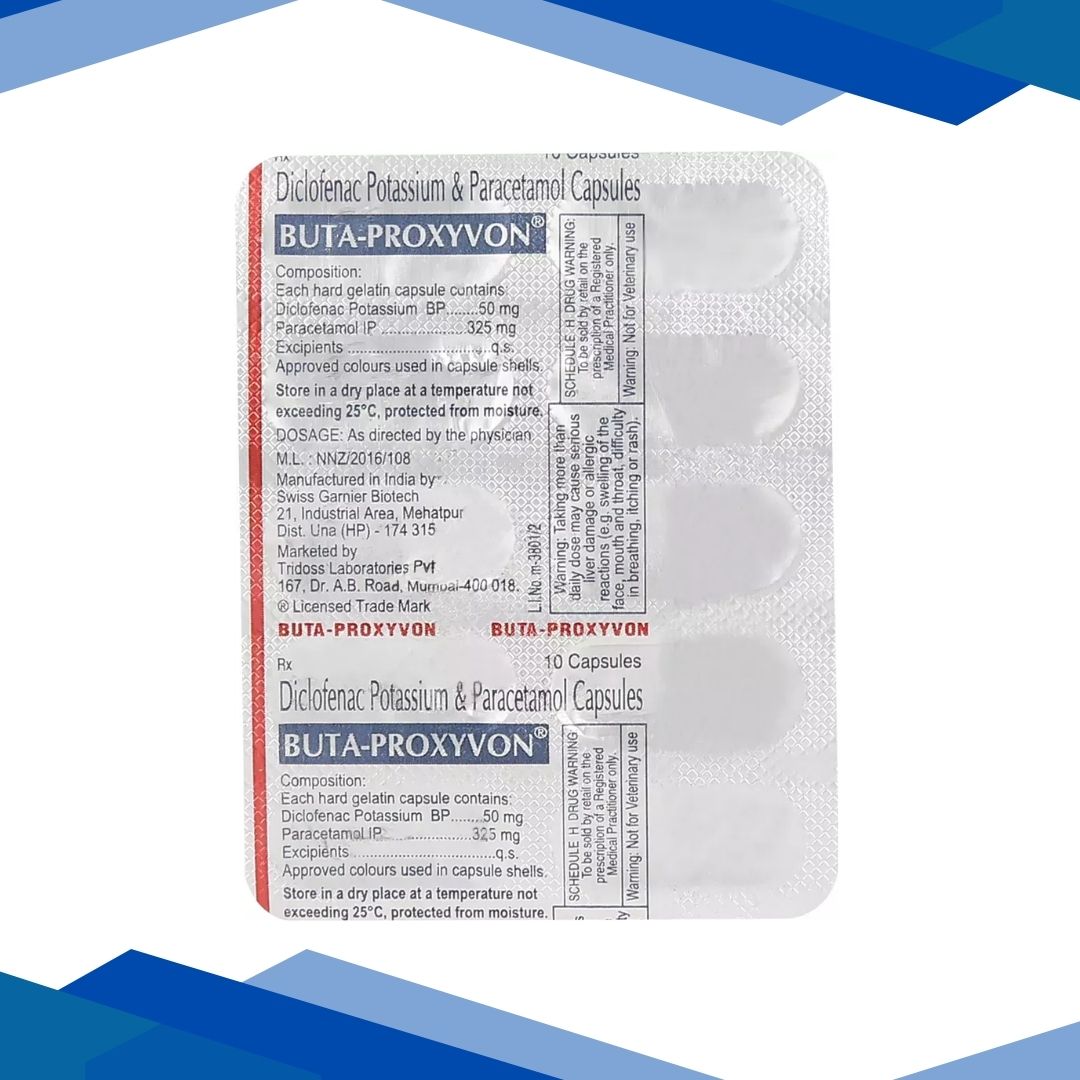
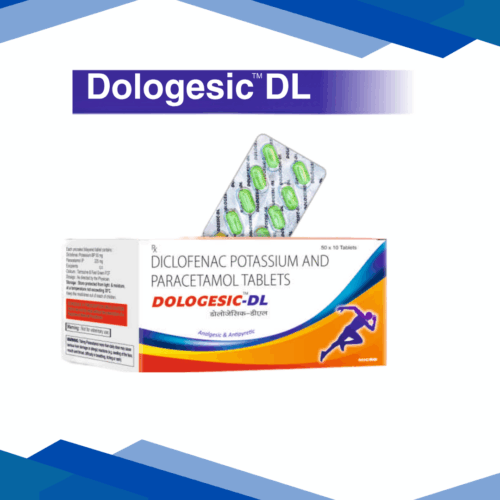
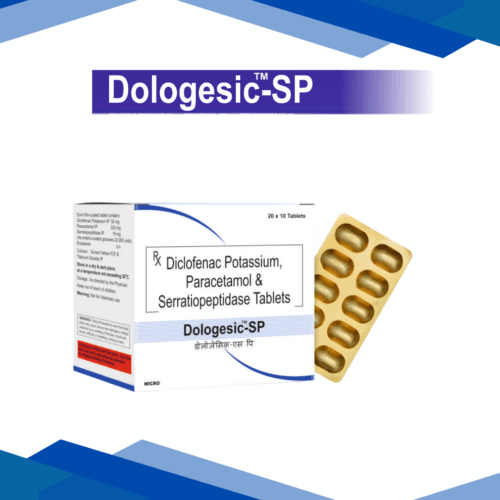
Yes, in some cases Diclofenac-Potassium may be combined with Paracetamol for additional pain relief, but it should only be done under medical or pharmacist guidance to ensure safe dosage levels.
3. Can Diclofenac-Potassium be taken on an empty stomach?
Although it can be taken without food, it is recommended to take it with food or milk to protect the stomach lining and reduce irritation.
4. What is the difference between Diclofenac-Sodium and Diclofenac-Potassium?
The main difference is speed of action. Diclofenac-Potassium is absorbed more quickly and is preferred for sudden acute pain, while Diclofenac-Sodium has a slower release and is often used for chronic inflammation management.
5. I missed a dose. Should I take two tablets now?
No. If you remember shortly after missing a dose, take it then. Otherwise, skip the missed dose and continue with your regular schedule. Do not take two tablets together, as this may increase the risk of side effects.
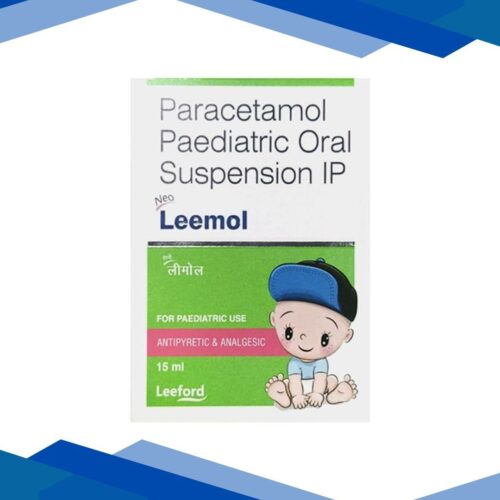
Paracetamol
PARACETAMOL
Overview
Paracetamol is a commonly used medication that helps relieve mild to moderate pain and reduce fever. It’s often used for:
Headaches
Toothaches
Muscle and back pain
Menstrual cramps
Cold and flu symptoms
It’s available over-the-counter and is considered safe when used as directed.
Classification
Analgesic and antipyretic agent
Uses
Paracetamol is used for pain relief and fever. It is used to relieve pain in conditions like headache, muscle pain, or dental pain.
How it works
When you produce a fever, your body’s internal thermostat — found in the hypothalamus portion of the brain — is raised to a higher temperature. This new set point is usually induced by pyrogens (substances made during infections) that tell the body to produce more heat as a form of immune defense.
Due to its effects in the brain, paracetamol reduces the production of reactive prostaglandins. Prostaglandins are disease-fighting chemicals released during infection that in turn, raise the body’s temperature set point. By decreasing prostaglandin levels, paracetamol enables the hypothalamus’ temperature control centre to bring the body’s temperature back down to normal, allowing the body to cool down and the fever to subside
Dosage
As directed by the physician
Precautions
Most people can take paracetamol safely, including:
pregnant women
breastfeeding women
children over 2 months of age – lower doses are recommended for young children
always get advice before taking paracetamol if you:
have liver or kidney problems
have problems with alcohol, like long-term alcohol misuse
are very underweight
are taking other medications
Don’t take paracetamol if you’ve had an allergic reaction to it in the past
Side effects
common side effects of paracetamol.
Nausea
Swelling
Vomiting
Pain
Tenderness in the upper abdomen
Sweating
Loss of appetite
Stomach cramps
Diarrhea
Major side effects are as follows:
Dark-colored urine
High fever
Lower backache
Skin having red spots
Rashes
Inflammation
Itching
Sore throat
Ulcers
Breathlessness
Yellowish eyes
Disclaimer
This content is for informational purposes only. Always consult a healthcare provider for medical advice and proper dosage.