CORCIUM HD Tablet 10’s
Bold Care Extend Delay Spray 50 g
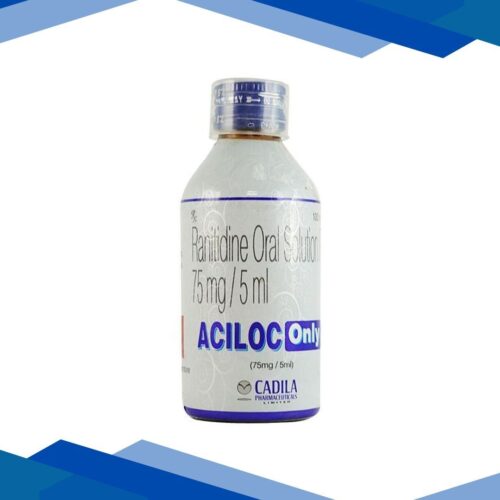
Aciloc Only Oral Liquid 100ml
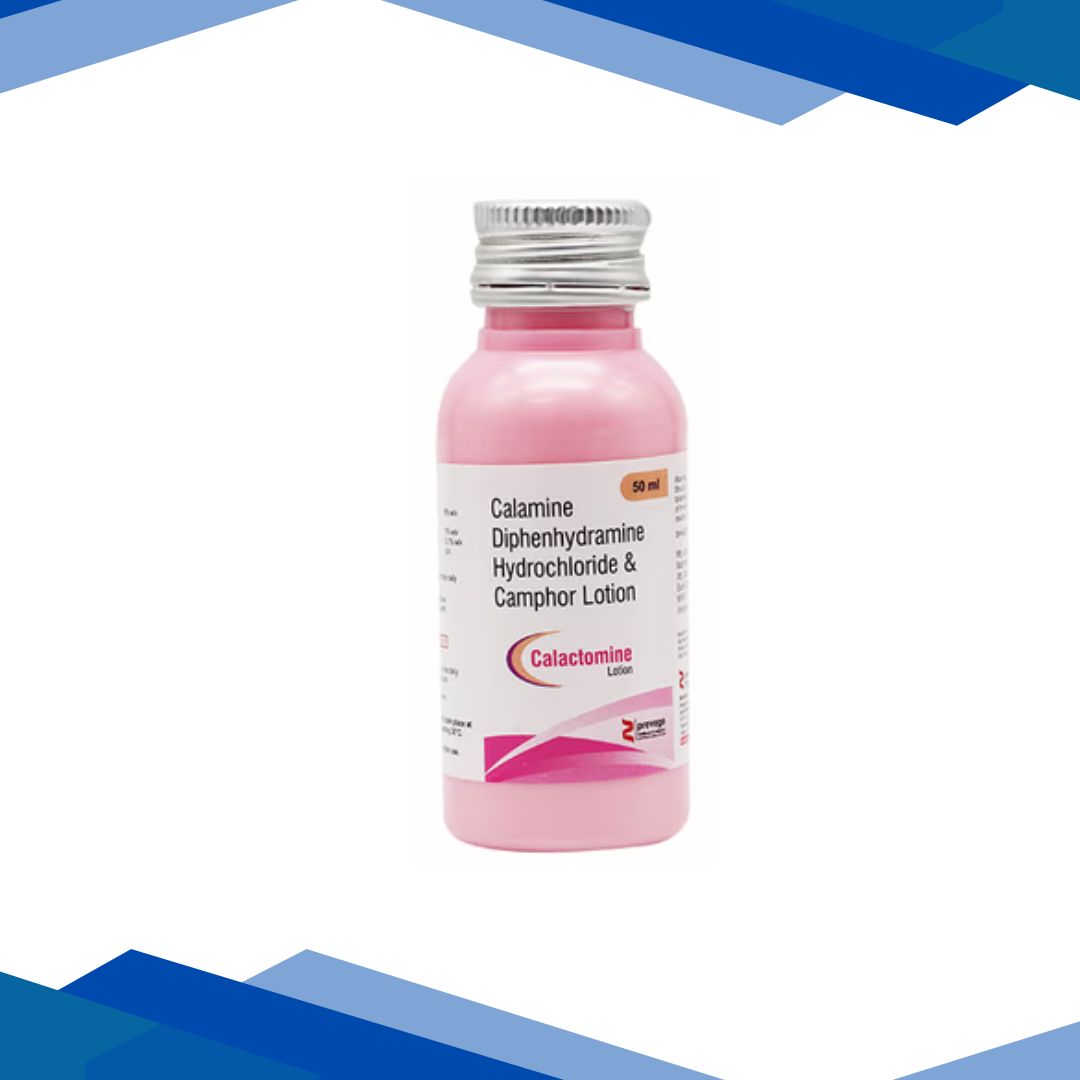
CALACTOMINE Lotion 50ml
No Prescription yet? Don’t worry! Click Here to Get Online Consultation
Why Prescription is Required?
✅ Providing Right Medicines
Prescriptions are complex documents. We proofread and recheck at various steps to provide you the right medication in the correct form and dose.
⚖️ Helps Comply with the Law
Most medicines cannot be sold without a valid prescription, as per the Drugs and Cosmetics Act, 1940 and Rules, 1945.
Book Appointment with Doctor
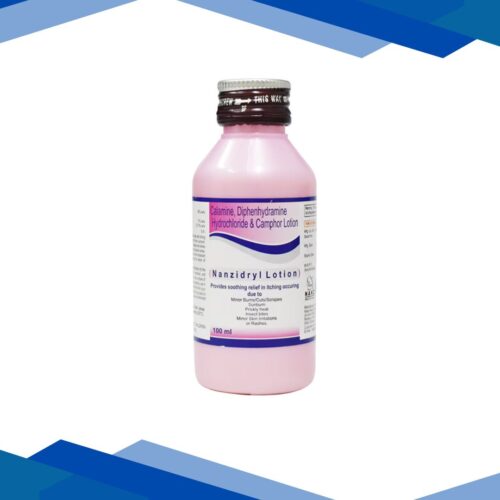
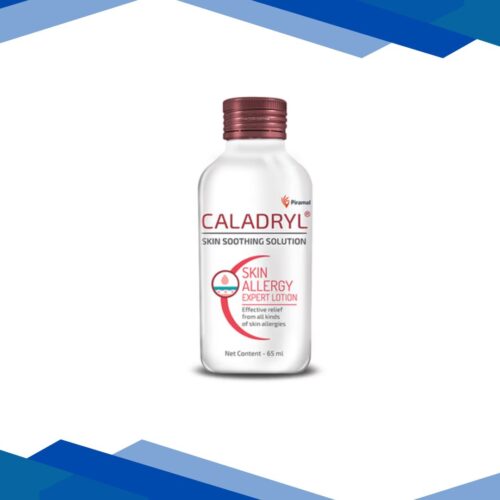
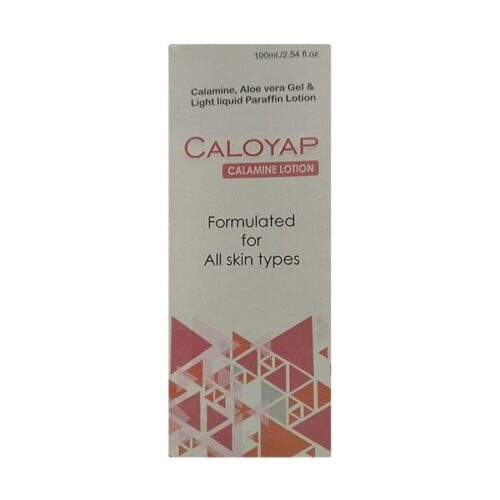
Calactomine Lotion 50ml is a topical antihistamine and skin protectant lotion used to provide temporary relief from itching, irritation, redness, and discomfort associated with minor skin conditions such as insect bites, sunburn, rashes, and other allergic skin irritations by cooling and soothing the skin and blocking histamine effects. For more details kindly click on Medicine Salts below:
Calamine
CALAMINE
Overview:
Calamine is a gentle, pink lotion or cream that soothes and protects irritated skin. It helps reduce itching, mild pain, and redness from things like insect bites, rashes, or minor skin irritations. Its cooling and drying effect calms inflamed or sensitive areas, making the skin feel more comfortable. Calamine is generally safe and is commonly used for quick, temporary relief from everyday skin annoyances.
Classification: Topical skin protectant (Astringent and Antipruritic)
Uses:
Calamine helps soothe itchy, irritated skin, like from insect bites or rashes. It reduces redness and swelling, gives relief from minor burns or sunburn, and dries out oozing spots so the skin can heal faster. Basically, it’s a gentle, all-purpose lotion for everyday skin annoyances.
How it works:
Calamine works mainly by soothing and protecting the skin. Its ingredients, including zinc oxide, form a thin protective layer over irritated areas, which helps reduce itching, redness, and minor inflammation. It also has a mild drying effect, which helps calm oozing or weepy skin and promotes faster healing. In simple terms, it protects, cools, and comforts irritated skin.
Dosage: As prescribed by your doctor.
Side Effects:
- Mild skin irritation or redness
- Dryness or peeling of the skin
- Rare allergic reactions such as itching, rash, or swelling
Precautions:
When using Calamine, it’s important to follow the instructions and not apply too much, as this can make your skin overly dry. Avoid using it on broken or severely damaged skin. If you have a history of skin allergies, test a little on a small area first. Be careful to keep it away from your eyes. If your skin irritation gets worse or doesn’t improve, it’s best to check with a doctor.
Disclaimer:This content is for informational purposes only. Always consult a healthcare provider for medical advice and proper dosage.
Camphor
Camphor: Relief for Various Pain, Respiratory, and Skincare Purposes
Historically derived from the wood of the tree Cinnamomum camphora, camphor is a bicyclic monoterpene ketone that is now largely produced synthetically for pharmaceutical use. Known for its sharp aromatic odor and cooling sensation, camphor is commonly used in counter-irritant liniments, decongestant vapor balms, and antiseptic ointments.
When applied topically, camphor stimulates nerve endings, creating a cooling and mild irritant effect that helps reduce the perception of pain while also improving local blood circulation.
Therapeutic Uses & Benefits
Pain Relief (Counter-Irritant Effect): Camphor is widely used in topical balms and ointments to relieve muscle pain, joint stiffness, and minor sprains by stimulating sensory nerve receptors.
Respiratory Congestion Relief: In vapor rubs and inhalation preparations, camphor helps open nasal passages and ease breathing difficulties associated with cold and sinus congestion.
Antimicrobial & Antiseptic Support: Camphor exhibits mild antibacterial and antifungal properties, making it useful in topical skin preparations.
Skin Soothing Effect: When used in proper dilution, camphor can help reduce itching, irritation, and mild inflammatory skin conditions.
Traditional Use Methods
Steam Inhalation Method: Add a small amount of camphor to a vessel containing hot water and inhale the vapors to help clear nasal congestion. Always keep the eyes closed to avoid irritation.
Skin Patch Test: Before applying camphor externally, perform a patch test on the inner arm to check for possible skin sensitivity.
Safety and Precaution
EXTERNAL USE ONLY: Camphor must never be ingested. Even small quantities taken orally can lead to serious toxicity, including seizures or respiratory distress.
Avoid Open Wounds: Do not apply camphor on open cuts, damaged skin, or mucous membranes, as absorption may occur rapidly and lead to systemic toxicity.
Use With Children: Camphor products must be kept away from children. They should never be applied inside the nostrils or on the face of infants, as this may cause respiratory complications.
Concentration Limit: In over-the-counter topical preparations, camphor concentration is generally restricted to 11% or less for safety.
Frequently Asked Questions (FAQs)
1. Is camphor good for treating acne?
Although camphor has antibacterial properties, it can be too strong for delicate facial skin. In some cases, it may be used in spot treatments, but individuals with acne-prone skin should consult a dermatologist before using it to avoid irritation or chemical burns.
2. Why does camphor feel cold at first and then warm on the skin?
This sensation is due to its counter-irritant mechanism. Camphor first stimulates cold receptors, producing a cooling sensation, and then increases blood flow (hyperemia) in the area, which results in gentle warmth and muscle relaxation.
3. Is camphor safe during pregnancy?
Small topical amounts are generally considered low risk, but because camphor can be absorbed through the skin, pregnant or breastfeeding women should consult a healthcare professional before using camphor-based products.
4. How should camphor-based products be stored?
Camphor is volatile and highly flammable. Store products in an airtight container, away from heat sources, direct sunlight, and open flames, and keep them at moderate room temperature.
5. What are the symptoms of an allergic reaction to camphor?
Possible allergic reactions include redness, persistent burning sensation, itching, hives, or blistering of the skin. If any of these symptoms occur, wash the affected area with mild soap and warm water and discontinue use immediately. Seek medical attention if symptoms persist.

Diphenhydramine
Diphenhydramine 25mg/50mg Capsule/Tablet
Generic Name: Diphenhydramine Hydrochloride
Therapeutic Class: First-generation Antihistamine (H1-receptor antagonist)
Product Overview
Diphenhydramine is a versatile, fast-acting medication widely used to treat symptoms of allergy, hay fever, and the common cold. By blocking the action of histamine—a natural substance in the body that causes allergic reactions—it effectively relieves watery eyes, itchy nose/throat, and sneezing. Beyond allergy relief, its sedative properties make it a common short-term solution for occasional sleeplessness and the prevention of motion sickness.
Primary Uses & Benefits
Comprehensive Allergy Relief: Rapidly manages symptoms like skin rashes, hives, and allergic rhinitis.
Sleep Support: Acts as a mild sedative to help individuals with difficulty falling asleep (insomnia).
Motion Sickness: Prevents and treats nausea, vomiting, and dizziness associated with travel.
Common Cold Support: Dries up nasal secretions to provide relief from a “runny nose.”
Quick Expert Tips
Drowsiness Warning: This medication is known to cause significant sleepiness. Do not drive or operate heavy machinery until you know how it affects you.
The “30-Minute” Rule: For motion sickness, take the dose 30 to 60 minutes before starting your journey.
Hydration is Key: It can cause dry mouth. Keep water or sugarless lozenges handy.
Seniors Beware: Older adults may be more sensitive to side effects like confusion or dizziness, increasing risk of falls.
Safety Profile & Interactions
| Category | Status | Expert Guidance |
|---|---|---|
| Alcohol | Unsafe | Alcohol significantly increases the sedative effects; avoid concurrent use. |
| Pregnancy | Consult Doctor | Usually considered safe for short-term use, but always consult your OB/GYN first. |
| Kidney/Liver | Caution | Dose adjustment may be necessary for patients with impaired organ function. |
| Glaucoma | Avoid | May worsen narrow-angle glaucoma due to its anticholinergic properties. |
Common Side Effects
- Extreme sleepiness or dizziness
- Dryness of the mouth, nose, or throat
- Constipation or blurred vision
Note for Kids: In some children, Diphenhydramine can cause “paradoxical excitation”, leading to restlessness or hyperactivity instead of sleepiness.
Practical Queries
1. How Long does Diphenhydramine take to work?
15 to 30 minutes usually are sufficient for oral administration. Peak effect occurs in 2 hours, attaining relief within 4 to 6 hours.
2. Can I Take Diphenhydramine Every Night For Sleep?
No. It is intended for short-term use (about 7–10 nights). Prolonged use can reduce effectiveness. Persistent sleep issues should be discussed with a physician.
3. Is Benadryl the same as Diphenhydramine?
Yes. Benadryl is the most familiar brand name of Diphenhydramine. Always check the active ingredients on the packaging, as some local versions may contain other antihistamines like Cetirizine.
4. Why do I feel “hungover” the morning after taking it?
Sedative breakdown takes time; grogginess or brain fog may last until the next morning. Lowering the dose may help.
5. Can I use it for an itchy rash?
Yes. Effective for hives and pruritus. If the rash is accompanied by difficulty breathing or tongue swelling, seek emergency medical help immediately (possible anaphylaxis).