

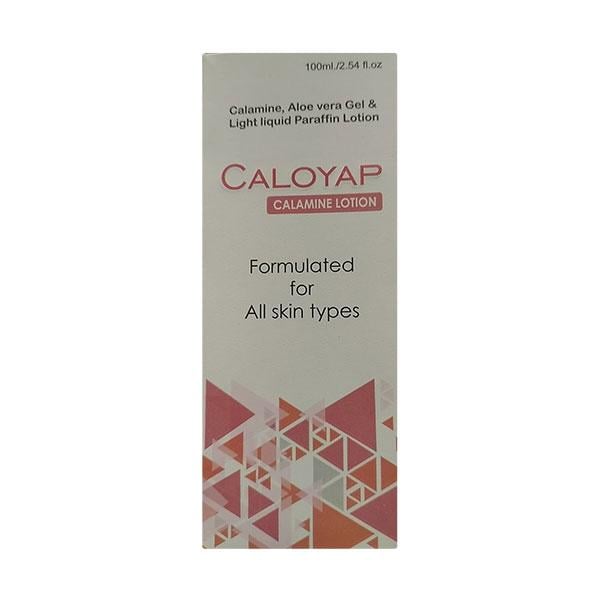
CALOYAP CALAMINE Lotion 100ml
❌ Due to high demand, this product is currently out of stock. New stock will be available shortly.
👉 Click here to Buy Same Salt medicine
No Prescription yet? Don’t worry! Click Here to Get Online Consultation
Almagate + Simethicone is a combination medicine commonly used to relieve acidity, heartburn, gas, and indigestion. Almagate works as an antacid that neutralizes excess stomach acid, while Simethicone helps break down gas bubbles in the stomach and intestines, reducing bloating and discomfort. It provides quick relief from symptoms associated with acid reflux and gastric irritation.
Aloe Vera
One such potent botanical extract has been known since ancient times as Aloe Vera, commonly referred to as "plant of immortality!" In dermatology and gastroenterology, Aloe Vera has a strong presence. Aloe Vera contains more than 75 bio-active compounds, including vitamins, enzymes, minerals, and amino acids, all acting as natural anti-inflammatories and antiseptics. It is used as a skin healer in pharmaceutical grades in topical gels, and as an oral ingestion or juice to support digestive health, and glycaemia control.
Summary of Medical Benefits and Uses
Dermatological use: Acceleration of the healing of first and second-degree burns and sunburn by stimulation of collagen synthesis
Herpes healing properties: Acts as a mild and natural relief for the stomach lining to bring relief from their respective complaints of acid reflux and irritable bowel syndrome.
A further beneficial indication, as borne out in some clinical trials, is that the intake of Aloe Vera juice may reduce fasting blood glucose levels among Type 2 Diabetes patients.
Controlled and subsequent oxidative injuries by improving the strength of antioxidants within the body, thereby conferring viable protection against dangerous pathogens.
Natural biocide effects which fight against the limited growth of any bacteria, Franken-drug, bacteriacidal, bad for the skin or gums, along with acute infections
Assists with breaking down bad digestive enzymes.
Appearance and Composition
100% Aloe Barbadensis Leaf Juice
Emollient / Digestive Tonic
Grade Standards
Paraben Free, Sulphate Free,No Added Artificial Colorants.
Dominant Ingredients
Acemannan (Complex Carbohydrates) 30%, Vitamin E 0.35%, Zinc 0.14%
Usage Information
For Skin/Hair: Apply the preferred amount to the affected area. For a cool effect, keep in the refrigerator for about 15 minutes before use.
For Digestive Health: If using orally, mix 20–30 mL twice with an equal amount of water to be consumed one take empty stomach.
Concern: Best results are seen from application or consumption when done continuously for 7-10 days.
Cautions/Attention
Patch Testing-Most importunately Always carry out a small patch test on the inner wrist to make sure no reactions occur from rare plantallergies with this botanical.
Pregnancy & Nursing-It is typically not suggested to take orally Aloe Vera latex or supplements during pregnancy, as it may cause uterine contractions and stomach cramps.
Surgical Note-When a patient has plans for surgery, it is advised that oral intake be stopped at least 2 weeks before the set date, as it may interfere with the blood sugar marker upon procedure.
Laxative Effect: High intake can cause diarrhea or abdominal cramps because of the presence of aloin.
Frequently Asked Questions (FAQs)
Q: Should Aloe Vera gel be put on open wounds?
Although suitable for minor burns and scrapes, avoid applying Aloe Vera to deep, infected or surgical wounds without the advice of a surgeon since it might prevent the natural closing of deeper tissue.
Q: Are the "Gel" and "Juice" different?
Yes. Gel meant for topical use is the thick substance found inside the leaf. The juice is usually treated for a drink to assist digestion. However, never consume gel meaning only for topical use.
Q: Is Aloe Vera good acne?
Aloe Vera does have some antibacterial properties which can help reduce acne-causing bacteria and reduce the redness on skin after any outbreak. For cystic acne, use prescription medication in addition to an ointment.
Q: Why some Aloe Vera looks green, while some are clear?
Natural Aloe Vera gel is usually clear or slightly yellowish. Gels with bright green color are bound to contain artificial dyes that add no therapeutic potential. The clearest and fragrance-free version is usually the best option for medicinal use.
Q: Can it be used as a moisturizer for oily skin?
Definitely yes. Non-comedogenic in nature, it will hydrate without clogging pores or causing any greasiness, thus being a perfect remedy for oily or acne-prone skin types.
Storage Tips
Shelf Life: Your bottle of aloe Vera should be placed in a cool, dry place that's away from direct heat. Being an organic plant material, one must understand that it will gradually darken: rather often seen as the process of normal aging and oxidation. An increase in color should not be seen as the product is unacceptable.
Important Considerations: The information given is only general information. Therefore, the reader must not seek self-therapeutic advice but contact his/ her attending physician or dermatologist for the same.
Calamine
Calamine Skin Soothing Lotion
Calamine, a specialty treatment, is an anti-itch (antipruritic) and mild antiseptic lotion primarily featuring a mixture of zinc oxide with a small amount of ferric oxide, which gives it a characteristically pink color. It remains conventional as a concern of first aid in managing minor irritations foremost; however, as one tends to evaporate, it does provide a cool and salutary right sensation and lightning relief to redness and swell as well as the itch.
Indications
Insect Bites and Stings: Rapidly soothe itching and pain from mosquito bites, bee stings, and ant bites.
Occupational Rashes: Effective against contact dermatitis caused by plants like poison ivy, oak, or sumac.
Varicella & Zoster: Facilitates in drying out oozing blisters while providing an adsorptive layer to prevent secondary infections.
Calms Sunburn: Provides relief from heat sensation and helps ease skin moisture imbalance consequent upon solar exposure.
Overview:
Calamine: A value addition unapproachable as an astringent, capable of accomplishing the healing of identified wetting skin conditions, which promises rapid recovery.
FeelCool!um: Experience natural physical ease.
Usable: Almost a miracle for almost everyone, young and old, children for infants—yes, but under medical supervision.
Tangible Protection: Physical beats frolic the creams to zap those sensitive areas.
Composition and Ingredients
Calamine (8 -- 15%): Primary soothing agent by virtue reducing inflammation.
Zinc oxide: Effective skin protectant with mild antimicrobial properties.
Glycerin/Liquid paraffin: Glyceryl is highly moisturizing, with good humectants routinely inserted in many skin formulations to prevent the skin from becoming too dry for comfort.
Bentonite/Sodium citrate: To stabilize it, both agents are included to attain the proper distribution of medication.
How to use
Preparation: Clean the affected area with a mild soap and water. Pat dry.
Shake well: Shake the bottle well before use; ingredients settle at the bottom of the bottle during its shelf life.
Suave: Place some lotion on a wet cotton pad or ball so then gently daub the concerned patch.
Do not apply: Ensure the lotion stays and dries on the surface; usually, it leaves a slight pink film.
Frequency: Can be applied 3 to 4 times a day or as per doctor’s advice.
General Information and Safety
For External Applications: Avoid contact with the eyes, nose, mouth, and genital areas. If the lotion accidentally enters the eyes, rinse with copious amounts of water.
Open wounds: The lotion shall not be used on deep punctures, deep cuts, severe burns, or open, blistered skins, oral mucous membranes, or genital areas unless permitted by a doctor for the wound.
Duration: If the condition lasts for more than 7 days, causes a skin rash, or worsens itchiness, discontinue application, and consult a dermatologist.
Storage: Keep in a cool and dry place away from direct sunlight. Do not freeze.
Frequently Asked Questions (FAQs)
Q: Can Calamine be used to treat acne or pimples?
It is very useful for preventing drying owing to Calamine’s astringent and drying properties, also it is used for oily pimples, but the aforesaid agent will also reduce the redness caused by acne. In general, it is recommended as a spot treatment rather than an all-over-face moisturizer.
Q: What about pregnancy safety?
Calamine is meant to be completely safe during pregnancy and breastfeeding when topically used as directed—these particular use properly limits systemic absorption thus providing her with an additional benefit to the potentially unpleasant cholestasis itch of pregnancy.
Q: Does Calamine lotion stain clothes?
Calamine lotion may stain clothing, as the ferric oxide in it is a pink pigment. The lotion should be allowed to dry completely before any clothes are placed over the area being treated.
Q: Can I put it on my baby's diaper rash?
While Calamine can be soothing, but diaper rashes might sometimes be complicated by yeast infections, so it is best to consult the pediatrician prior to its application to the baby, so as to be sure if it will sort out that particular rash or not.
Q: What is the difference between Calamine lotion and Calamine cream?
The liquid consistency meant that the lotion was really good for a cooling effect caused by evaporative cooling and could cover quite a large area with a cooling enough effect for extremely itchy skin. The cream is thicker and maybe a lot more emollient and often more useful for the less localized, dried, scaly patches.
Disclaimer: The information provided in this article is for teaching purposes only and should not be used as a substitute for professional medical advice. Under any circumstances, consult your doctor or pharmacist before taking any medication.
Carbomer
Carbomer (Ophthalmic Gel & Pharmaceutical Polymer)
Carbomer, having a molecular weight of 100,000 Da made from the polymer of acrylic acid, is a versatile and all-pervading agent in ophthalmic and dermatological applications. In eye care, it acts as a gleaming lubricating agent that can reduce dry eye symptoms by mimicking the natural mucus layer of the tear film. In addition to its primary utility, carbomer is a "rheology modifier" in pharmaceutics that imparts stability to gels, creams, and emulsions with their non-greasy and easily spreadable consistency.
Key Therapeutic Uses
Dry Eye Relief: Provides long-lasting moisture for individuals with Dry Eye Syndrome or reduced tear production.
Ocular Protection: Forms a hydrophilic film over the cornea to protect it against environmental irritants like wind, smoke, or prolonged screen time.
Topical Drug Delivery: Acts as a bioadhesive matrix in medicated gels, ensuring that active ingredients (like anti-inflammatories) stay in contact with the skin for longer periods.
Soothing Oral Care: Utilized in dental and oral gels to treat mouth ulcers and gingivitis by providing a protective coating.
Necessity of Carbomer in Several Occasions
Adhering: Little wonder, it sticks very well to mucosal surfaces such as the eyes or oral mucosa, which means a person can stay without using this carbomer eye gel as frequently as one would use simple water drops to the eyes.
Crystal Clarity: Those formulated with certain grades (Carbomer 980, to mention one) shine like crystal when such is applied to the eyes to sustain perfect vision.
Non-Greasy Texture: Gain complete success in drawing a cartoon for kids about non-greasy Carbomer gels. The purpose shall be served if the kids can draw a picture of oil!
Controlled Release: Carbomer helps release medicines in a slow, steady manner to enhance the total efficacy of the treatment.
Home Instructions
For Eye Gel:
- Wash your hands thoroughly.
- Tilt your head back with one hand and gently pull down the lower eyelid.
- Squeeze into spoon-like depression a rice-grain-sized amount of gel.
- Close your eyes from 1 to 2 minutes without blinking or squeezing.
For Topical Skin Gel: Apply a thin line directly to the affected area and massage gently so that the gel breaks into a liquid-like form and is absorbed.
Side Effects & Safety
Carbomer is generally considered safe and non-toxic, but users may experience:
Temporary Blurred Vision: This is common immediately after applying eye gels due to the thickness of the polymer. It usually clears within a few minutes.
Mild Stinging: A brief warm or irritating feeling may occur.
Eyelid Crusting: A couple of hours later, tiny clear flakes may form on the lashes if the gel dries on the outside of the eye.
Safety Warning: Remove contact lenses before using Carbomer eye gels. Wait at least 15–20 minutes after application before reinserting your lenses.
Frequently Asked Questions (FAQs)
Q: Is Carbomer a drug or an additive?
It functions in both ways. In eye drops such as Vidisic or Liposic, Carbomer is the lubricating component. In skin creams or pain-relief gels, it acts as an excipient that provides structure and stability.
Q: Can I use Carbomer eye gel with other eye drops?
Yes, but timing is important. Wait at least 5–10 minutes between each eye medication, and always apply Carbomer gel last due to its viscous nature.
Q: Does Carbomer cause acne?
No, it is non-comedogenic and does not clog pores. This makes it suitable for oil-free moisturizers and acne treatments.
Q: Why does my eye gel become watery when it touches the eye?
Carbomer is a thixotropic material. When it comes in contact with natural tear electrolytes or blinking action, the gel becomes more fluid, allowing it to spread evenly across the eye surface.
Q: Can I use it during pregnancy?
Carbomer is a large molecule and is not absorbed into the bloodstream when applied topically or in the eyes. However, it is always best to consult your doctor before use during pregnancy or breastfeeding.
Light Liquid Paraffin
Light Liquid Paraffin (IP/BP grade)
Light Liquid Paraffin, or Mineral Oil in common jargon, remains entirely colorless and odorless after a refined process. A medical-grade skin lubricant, this highly sought-after medicinal ingredient is commonly used for two types of cases: chronic constipation and various dry skin conditions. When applied, it acts as a barrier that protects the body's moisture from evaporating, whereas preventing water loss from the skin also makes bowel movement easier by softening stool.
Double-Edged Advantages
Internal Action (Laxative): A lubricative laxative that adds a smooth lining in the intestines, helping stool pass easily.
External Action (Skin Care): Useful in conditions like ichthyosis and eczema—it helps with moisture retention, softens the outer skin layer, and provides a protective barrier.
Non-absorbable: It does not get absorbed when taken orally; instead, it passes through the digestive tract, aiding in natural elimination.
Directions for the Light Liquid Paraffin
For Constipation (Oral):
Dosage: Typically 15–30 mL taken at bedtime, adjusted by your physician based on symptom severity.
Timing: Do not take it immediately before lying down; remain upright for at least 30 minutes to prevent lung aspiration.
Duration: Intended for short-term use only; prolonged use may interfere with the absorption of fat-soluble vitamins.
For Dry Skin (Topical):
Instructions for Use: Apply a thin layer to affected areas.
Best Results: Apply on slightly damp skin immediately after a warm bath.
Duration: Use 2–3 times daily as advised by your dermatologist.
Warnings and Safety
Most Important: Light Liquid Paraffin should never be given to children under 3 years, bedridden patients, or elderly individuals with swallowing difficulties.
Pregnancy: Use only under medical supervision, as prolonged use may lead to vitamin deficiency.
Interaction: Avoid taking it with other medications within 2 hours, as it may reduce drug absorption.
Possible Side Effects
Oral: Anal seepage, abdominal cramps, diarrhea (especially with excessive use).
Topical: Rare cases of folliculitis or temporary skin redness, particularly in sensitive skin.
Frequently Asked Questions (FAQs)
Q: Is Light Liquid Paraffin secure for regular use?
A: It is generally safe for daily skin application. However, for constipation, it should be used only short-term (about one week) to avoid lazy bowel syndrome and nutrient malabsorption.
Q: Can the liquid be taken with juice or water?
A: Yes, it can be mixed with juice, milk, or water. Since it is flavorless but has a distinct texture, mixing improves palatability.
Q: This is different from heavy liquid paraffin; right?
A: Yes. The main difference is viscosity (thickness). Light paraffin is less dense and spreads easily, while heavy paraffin is thicker and used in ointments or specialized formulations.
Q: Can I use light liquid paraffin on my face?
A: While it is an excellent emollient, those with acne-prone skin should avoid using it on the face as it is occlusive and may trap oil, leading to breakouts.
Q: Will it react with other laxatives I am using?
A: It is generally not recommended to combine with other laxatives unless advised by your doctor, as this may cause excessive bowel irritation.
Simethicone
Simethicone, often prescribed as oral drops, chewable tablets, or capsules to relieve gas and pain, has almost become an accepted default anti-foaming agent for dyspepsia. Simethicone is actually an inert material that works to relieve its issues in physical ways without entering the general circulation and hence it is safe enough for children. Simethicone is usually available singly or in a tablet combined with an antacid for indigestion and heartburn.
UseTherapeutic Uses
Relieves Bloating: Quickly eases the bloated sensation of fullness and pressure in the stomach
Manages Flatulence: Assists in easy escape of the air, thereby reducing trapping of intestinal wind
Infantile Colic: Pediatric drops are often used to soothe babies with gas-induced distress
Preparation for Diagnosis: Occasionally used to clear out the gas shadow from the gastrointestinal tract before endoscopic or radiographic investigations
Mechanism of Action
All in all, simethicone lowers the surface tension of gas bubbles in the stomach and intestines.
Coalescence: This phenomenon brings together the small bubbles caught inside the larger ones.
Evacuation: These larger bubbles become more manageable for the body to excrete either by belching or burping.
Note: Simethicone does not prevent gas from forming but makes it easier to exit from the body.
Dosage & Administration
Adults: Generally, 40-125 mg should be taken four times a day or the dosage should be given as needed.
Children: Dosage used in infants is normally weight-based. Use the medicine dropper provided with the drug.
Timing: It is better to take simethicone after meals and at bedtime.
Form: The chewable tablets need to be thoroughly chewed before swallowing; liquids must be shaken prior to usage
Safety Profile & Side Effects
Since simethicone does not enter the bloodstream, its side effects are almost nonexistent, leading to a good safety profile.
Use of Common Side Effects: Infrequent record of diarrhea or nausea. Consult your physician if you experience any signs of allergy.
Prep & Warnings
Interactions: Simethicone could potentially reduce the uptake of indifferent thyroid medicaments (Levothyroxine) while being taken. Keep four hours in between the two.
Pregnancy/Breastfeeding: It ought to be fine, as it is not leaked into the general circulation, but do ask the doctor.
Underlying/Minor Ailments: If they bother people for more than two weeks or get worse, sidle close to a gastroenterologist.
FAQs
Q: Can Simethicone be an antacid?
No; simethicone is, in fact, an antiflatulent. While the combination of antacids and simethicone (such as magnesium hydroxide) available sell them as "2-in-1," they do not, in fact, work to neutralize stomach acid. It is working to break down the gas bubbles.
Q: When does simethicone usually begin to work?
You will typically feel relief in 15 to 30 minutes, as the gas bubbles begin to move through and break up in the digestive tract.
Q: Can I give simethicone to my newborn?
Yes, actually simethicone is quite often given to colicky babies. Just make sure you use only the infant-strength (drops) and administer as per pediatrician's instructions.
Q: Can simethicone be taken every day?
You can use it daily as needed; however, always discuss with your doctor if you need it every day for more than two weeks, to rule out chronic conditions like IBS or food intolerances.
Q: Does simethicone cause constipation?
No, simethicone doesn't usually induce constipation. Should you experience an alteration of your bowel habits, it could be the other ingredients and/or any existing components present within the formula that promote bowel habit alterations, so talk with your doctor about simethicone or the composition of the pharmaceutical preparation.
Storage
Store at room temperature ($20\text{°C}$ to $25\text{°C}$). Keep bottled products away from dampness and heat. Always keep the bottle tightly closed when not in use.
Disclaimer: These facts are only for educational purposes and not a piece of actual medical advice. Always go through the label or see your physician before using the product.
At Gem Pharmacy, we make every effort to provide accurate, expert-written, and thoroughly reviewed information related to medicines. However, this information should not be considered a substitute for professional medical advice, diagnosis, or treatment from a qualified doctor.
The purpose of this information is to educate users and improve communication between patients and healthcare professionals. It should not be used to diagnose or treat any condition.
Always consult a certified healthcare professional before taking any medication.


Related products
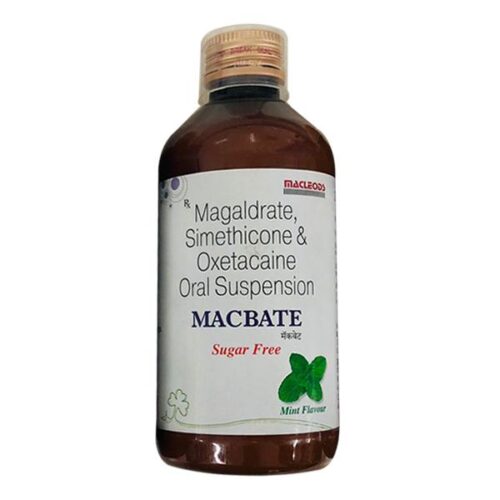
MACBATE MINT SUGAR FREE Oral Suspension 200ml
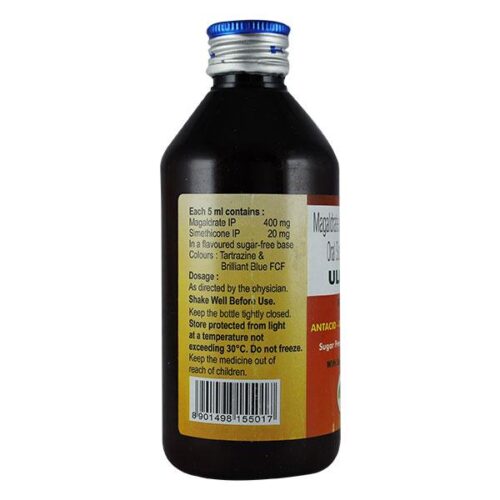
Ulgel Sugar Free Low Sodium With Saunf Flavour Suspension 200ml