Ceftriaxone
Uses of Ceftriaxone Injection, Drug Interactions, and Side Effects
Ceftriaxone is a versatile broad-spectrum, third-generation cephalosporin antibiotic invaluable in treating a wide range of severe bacterial infections. Unlike other antibiotics that are often metabolized quickly upon oral intake, Ceftriaxone remains for a longer period in the body, and hence can be administered once a day when necessary.
What the Medicine Is Used for
Ceftriaxone acts by interfering in the synthesis of the bacterial cell wall, leading to the lysis of the bacteria that cause the illness. It is often the first choice for:
Meningitis: One of the few antibiotics crossing the blood-brain barrier with great success.
Community-acquired pneumonia: Weaving risk for severe infection.
Bones and Joints infections: For the treatment of osteomyelitis and worsen surgical site infections.
GR: Standard recommendations for the treatment of uncomplicated gonococcal infections.
Precautions and Contraindications
Advice of Medication
Alcohol: Usually harmless with respect to both. Hydration is the critical precaution here with Ceftriaxone where Cefoperazone usually does not provoke a disulfiram reaction.
Pregnancy: Category B. Generally safe under medical supervision; used when the benefits outweigh potential risks.
Gallbladder: A caution needs to be heeded as Ceftriaxone has a potential risk of causing “sludge” or stones inside the gallbladder (biliary pseudolithiasis).
Calcium Risk: Critical: Do not place any calcium-based intravenous solutions like Ringer’s Lactate with Ceftriaxone as they are at risk for precipitants.
Possible Side Effects
There is a high degree of tolerance for Ceftriaxone by most people, but a few may develop:
Digestive: Loose stools, nausea, or abdominal discomfort.
Local: Tenderness or a lump in a patient’s muscle following intramuscular (IM) injection.
Laboratory: Minor fluctuations in liver enzymes or blood cell counts.
Rarely; prolonged use has been known to cause “oral thrush” or vaginal yeast infections.
Camper Tip: Should you experience a persistent fever or severe abdominal pain after taking this medication, then inform your physician immediately.
Frequently Asked Questions (FAQs)
1. Can Ceftriaxone treat viral infections?
No. This drug is strictly for bacterial infections; it may cause antibiotic resistance when used against viral infections like flu or COVID-19.
2. How long does Ceftriaxone remain in the body?
It has an elimination half-life of approximately 6–9 hours. This gives it a sustained presence in the bloodstream for a full 24 hours, allowing it to be an effective once-a-day IM injection.
3. Why is Lidocaine mixed with the injection sometimes?
Injecting it directly into the muscle is the most painful part of giving Ceftriaxone therapy. Thus, Lidocaine will always be added into pure powder for redilution. Lidocaine is a numbing agent that is used to retard the pain till when the procedure is complete.
4. Can Ceftriaxone be used by patients who have Penicillin allergies?
It’s hard to say. If your allergic response is severe, there is a small chance that there could be some “cross reactivity”. If your allergic reaction to Penicillin was really severe (i.e., anaphylaxis), you must first notify your doctor before considering using Ceftriaxone.
5. Can you eat as usual on Ceftriaxone therapy?
No, there are no special foods to avoid. However, patients are advised to take lots of water to help their kidneys and liver flush the drug from their system in time.
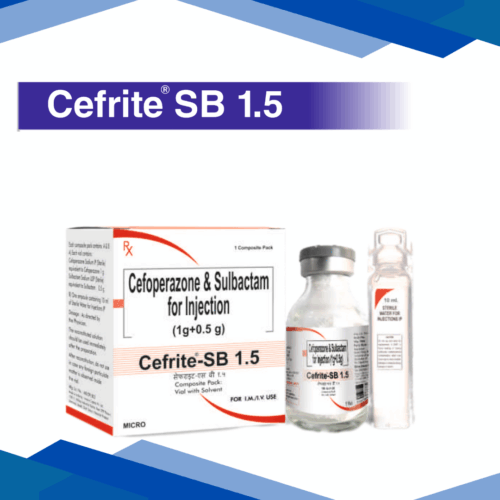
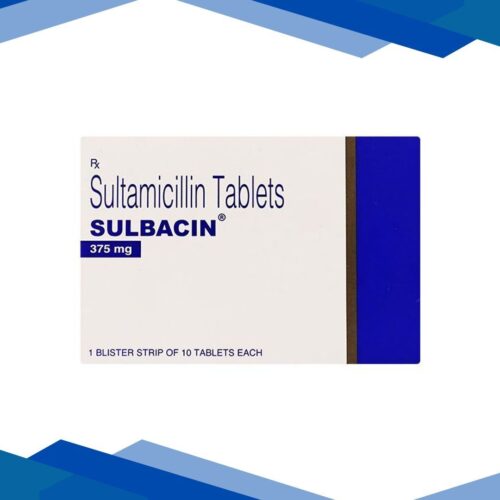
Sulbactam
SULBACTAM
Overview:
Sulbactam is an auxiliary drug that enhances some drugs so that they can be more sound. It prevents the bacteria disintegrating the antibiotics and the medicine does its work better in combating infections. Sulbactam allows clearing of the bacteria by thwarting its guard against the infection that could otherwise be difficult to cure.
Classification: Beta-lactamase inhibitor
Uses:
Sulbactam is administered in combination with some specific antibiotics in order to combat difficult bacterial infections. It prevents the antibiotic degradation process by the bacteria hence the treatment becomes efficient. In such a way, it assists your body in the appeasement of infections that may be difficult to solve on their own.
How it works:
Sulbactam is an antidote able to prevent essential enzymes known as bacterial beta-lactamases that are produced by a specific group of bacteria to protect them. The antibiotics are normally broken down by these enzymes in absence of any effect. Sulbactam preserves the antibiotic thereby killing the bacteria and clearing the infection by preventing these enzymes.
Dosage: As prescribed by your doctor.
Side Effects:
- Diarrhea or loose stools
- Nausea or vomiting
- Stomach pain or discomfort
- Skin rash or itching
- Pain, redness, or swelling at the injection site
Precautions:
When taking Sulbactam, it’s important to use it just as your doctor recommends, since it works best when combined with another antibiotic. If you’ve ever had allergies to penicillin or similar medicines, let your doctor know to avoid any serious reactions. People with kidney or liver issues should be extra cautious, as the dose may need modification. Pay attention to your body—if you notice problems like unusual diarrhea, skin rashes, or breathing trouble, seek help right away. Using it carefully helps your infection clear while keeping you safe.
Disclaimer:This content is for informational purposes only. Always consult a healthcare provider for medical advice and proper dosage.