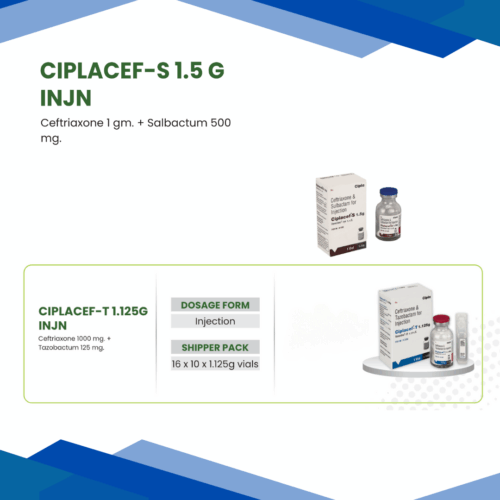


Ceefix – Sb (1.5 G)
❌ Due to high demand, this product is currently out of stock. New stock will be available shortly.
👉 Click here to Buy Same Salt medicine
Ceftriaxone and Sulbactam are used together to treat a wide range of serious bacterial infections
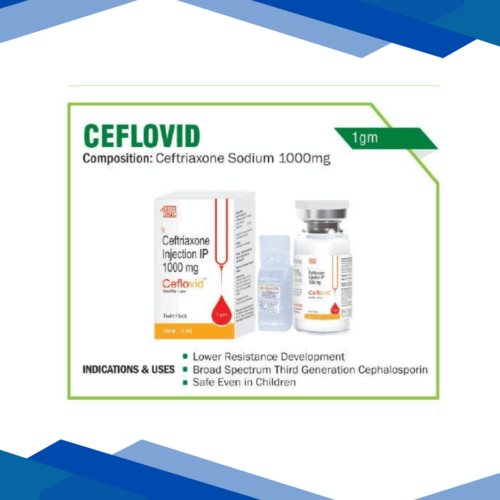
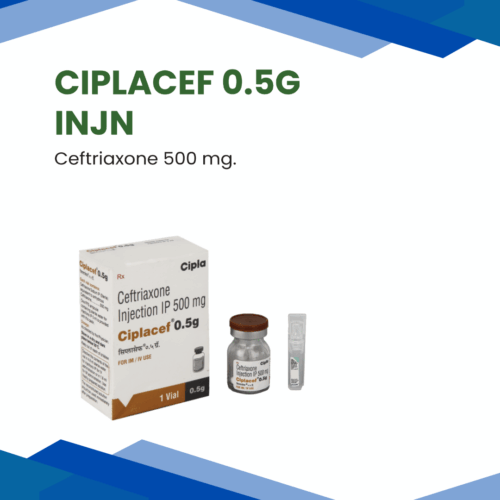
Ceftriaxone
Uses of Ceftriaxone Injection, Drug Interactions, and Side Effects
Ceftriaxone is a versatile broad-spectrum, third-generation cephalosporin antibiotic invaluable in treating a wide range of severe bacterial infections. Unlike other antibiotics that are often metabolized quickly upon oral intake, Ceftriaxone remains for a longer period in the body, and hence can be administered once a day when necessary.
What the Medicine Is Used for
Ceftriaxone acts by interfering in the synthesis of the bacterial cell wall, leading to the lysis of the bacteria that cause the illness. It is often the first choice for:
Meningitis: One of the few antibiotics crossing the blood-brain barrier with great success.
Community-acquired pneumonia: Weaving risk for severe infection.
Bones and Joints infections: For the treatment of osteomyelitis and worsen surgical site infections.
GR: Standard recommendations for the treatment of uncomplicated gonococcal infections.
Precautions and Contraindications
Advice of Medication
Alcohol: Usually harmless with respect to both. Hydration is the critical precaution here with Ceftriaxone where Cefoperazone usually does not provoke a disulfiram reaction.
Pregnancy: Category B. Generally safe under medical supervision; used when the benefits outweigh potential risks.
Gallbladder: A caution needs to be heeded as Ceftriaxone has a potential risk of causing "sludge" or stones inside the gallbladder (biliary pseudolithiasis).
Calcium Risk: Critical: Do not place any calcium-based intravenous solutions like Ringer's Lactate with Ceftriaxone as they are at risk for precipitants.
Possible Side Effects
There is a high degree of tolerance for Ceftriaxone by most people, but a few may develop:
Digestive: Loose stools, nausea, or abdominal discomfort.
Local: Tenderness or a lump in a patient's muscle following intramuscular (IM) injection.
Laboratory: Minor fluctuations in liver enzymes or blood cell counts.
Rarely; prolonged use has been known to cause "oral thrush" or vaginal yeast infections.
Camper Tip: Should you experience a persistent fever or severe abdominal pain after taking this medication, then inform your physician immediately.
Frequently Asked Questions (FAQs)
1. Can Ceftriaxone treat viral infections?
No. This drug is strictly for bacterial infections; it may cause antibiotic resistance when used against viral infections like flu or COVID-19.
2. How long does Ceftriaxone remain in the body?
It has an elimination half-life of approximately 6–9 hours. This gives it a sustained presence in the bloodstream for a full 24 hours, allowing it to be an effective once-a-day IM injection.
3. Why is Lidocaine mixed with the injection sometimes?
Injecting it directly into the muscle is the most painful part of giving Ceftriaxone therapy. Thus, Lidocaine will always be added into pure powder for redilution. Lidocaine is a numbing agent that is used to retard the pain till when the procedure is complete.
4. Can Ceftriaxone be used by patients who have Penicillin allergies?
It's hard to say. If your allergic response is severe, there is a small chance that there could be some "cross reactivity". If your allergic reaction to Penicillin was really severe (i.e., anaphylaxis), you must first notify your doctor before considering using Ceftriaxone.
5. Can you eat as usual on Ceftriaxone therapy?
No, there are no special foods to avoid. However, patients are advised to take lots of water to help their kidneys and liver flush the drug from their system in time.
Sulbactam
Sulbactam: At a Glance, Uses, and Safety Precautions
Sulbactam constitutes an efficient β-lactamase inhibitor. The drug has certain antibacterial properties of its own against organisms such as Acinetobacter baumannii and is mainly used in combination with antibiotics (such as Ampicillin or Cefoperazone). Sulbactam prevents the action of bacteria that would normally interrupt the potency of the antibiotic, thus ensuring that the therapy remains effective against resistant strains.
How Sulbactam Works
Many bacteria produce an enzyme called beta-lactamase, which breaks down antibiotics before they can kill the bacteria. Sulbactam acts as a "shield." It binds to these enzymes and neutralizes them, allowing the primary antibiotic to do its job and clear the infection effectively.
Common Uses and Indications
Physicians typically prescribe Sulbactam combinations for treating a variety of bacterial infections, including:
Gynecological Infections: Like pelvic inflammatory disease.
Intra-abdominal Infections: Including peritonitis.
Skin and Soft Tissue Infections: Such as severe skin and structural infections.
Respiratory Tract Infections: Such as pneumonia.
Urinary Tract Infections (UTIs): Especially nosocomial infections.
Important Safety Tips
Alcohol: It is generally advisable to avoid alcohol while on this medication to prevent increased dizziness or gastrointestinal upset.
Pregnancy: Consult a doctor; to be used only when the benefits outweigh risks.
Breastfeeding: Sulbactam passes into breast milk in small amounts. Watch for diarrhea or rash in the infant.
Driving: If you experience dizziness or fatigue, avoid driving or operating heavy machinery.
Kidney/Liver: Dose adjustments may be necessary for patients with kidney or liver impairment.
Common Side Effects
While most patients tolerate Sulbactam well, some may experience:
Diarrhea or loose stools
Nausea or vomiting
Pain or swelling at the injection site
Skin rash or itching
Fungal infections (oral thrush or vaginal yeast infection) with prolonged use
Note: If you experience signs of a severe allergic reaction—such as swelling of the face, tongue, or throat, or difficulty breathing—seek urgent medical help immediately.
Frequently Asked Questions (FAQs)
1. Is Sulbactam an antibiotic by itself?
While it has some minor antibacterial properties, Sulbactam is primarily a beta-lactamase inhibitor. It is almost always paired with an antibiotic to enhance effectiveness against resistant bacteria.
2. Can I stop the medication once I feel better?
No. Even if symptoms improve, you must complete the full prescribed course. Stopping early can lead to antibiotic resistance.
3. How is Sulbactam usually administered?
Clinically, it is administered via IV (intravenous) or IM (intramuscular) injection. Dosage and frequency depend on the severity of infection and patient condition.
4. What should I do if I miss a dose?
If administered in a hospital, your provider will manage dosing. For outpatient use, contact your healthcare provider immediately. Do not double the dose.
5. Can Sulbactam cure viral infections like flu or COVID-19?
No. Sulbactam is effective only against bacterial infections and does not work for viral illnesses such as the common cold, flu, or COVID-19.
Disclaimers
The content in this document is for informational purposes only and is not a substitute for professional medical advice. Always consult a qualified healthcare provider for diagnosis and treatment.
At Gem Pharmacy, we make every effort to provide accurate, expert-written, and thoroughly reviewed information related to medicines. However, this information should not be considered a substitute for professional medical advice, diagnosis, or treatment from a qualified doctor.
The purpose of this information is to educate users and improve communication between patients and healthcare professionals. It should not be used to diagnose or treat any condition.
Always consult a certified healthcare professional before taking any medication.


Related products