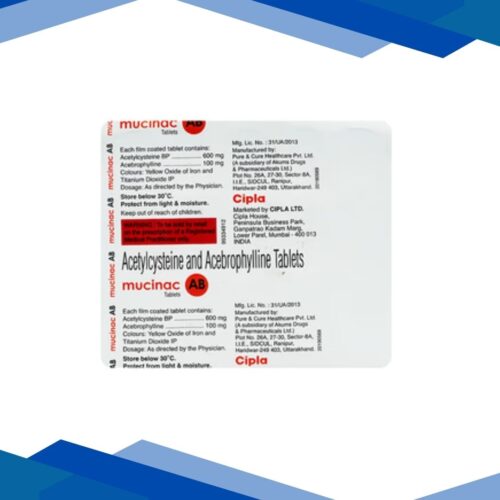
Ambroxol Hydrochloride
AMBROXOL HYDROCHLORIDE
Overview:
Ambroxol Hydrochloride is a drug intended to assist in the relief associated with cough and inhaling complications because it helps to clear mucus in the respiratory tract. It is a mucolytic drug that operates by liquefying and dislodging dense mucus in the lungs, thus the thick mucus is easily released in the form of sneezes.
Classification: Mucolytic agent
Uses:
Ambroxol Hydrochloride, is used to treat mucus coughs, characterised by excessive production of mucus containing cough, usually found in bronchitis, asthma, chronic obstructive pulmonary disease (COPD) and other respiratory tract infections. It acts by making the mucus less thick and loose, thus providing an easy way of expelling them and clearing the airways. This will improve breathing and provide relief on a congested chest. Also, it can be beneficial in case of a sore throat where it has some analgesic effect in the throat.
How it works:
Ambroxol Hydrochloride acts by loosening up of thickened mucus in the respiratory tract by making it less viscous and also not sticky. This helps in the evacuation of mucus by coughing which helps in lung evacuation. It also increases the secretion of a natural body chemical known as the surfactant. This chemical ensures that the airways are open and one is able to breathe more efficiently. Besides, Ambroxol has some anti-inflammatory effect and also gives some relief on the local pain relief especially on the throat region.
Dosage: As prescribed by your doctor.
Side effects:
Nausea
Vomiting
Diarrhea
Dry mouth or throat
Stomach discomfort
Precautions:
Before using Ambroxol Hydrochloride, tell your physician whether you have some allergies, an ulcer in your stomach or any problems with your liver or kidneys. It is best administered with care with pregnant/breastfeeding mothers unless directed by a physician. It should not be used with other expectorants unless one seeks medical advice because this may interfere with mucus evacuation. Never exceed the recommended dose and report to the doctor about any odd symptoms.
Disclaimer: This content is for informational purposes only. Always consult a healthcare provider for medical advice and proper dosage
Cetirizine
CETIRIZINE
Overview:
Cetirizine is a commonly used allergy medicine that helps ease symptoms like sneezing, runny nose, itchy eyes, and skin rashes. It’s often used to treat both seasonal allergies (like pollen) and everyday allergies (like dust, pet hair, or mold).
Classification: Antihistamine
Uses:
Sneezing and runny nose from seasonal triggers like pollen
Red, itchy, or watery eyes
Itching in the nose or throat
Skin rashes like hives that are itchy or swollen
Discomfort from indoor allergies such as dust mites, pet fur, or mold
It works by calming the body’s overreaction to allergy triggers, making you feel more at ease.
How It Works:
Cetirizine works by blocking the action of a chemical called histamine in your body. Histamine is released when you’re exposed to things you’re allergic to—like pollen, dust, or pet dander—and it causes symptoms like sneezing, itching, and watery eyes.
By stopping histamine from doing its job, cetirizine helps reduce these allergy symptoms and makes you feel more comfortable. It starts working fairly quickly and usually doesn’t make you very sleepy, which is why many people prefer it for daytime use.
Dosage: As prescribed by your doctor.
Side Effects:
Most people tolerate Cetirizine well, but some may notice mild side effects like:
Drowsiness or feeling a bit sleepy (less than older allergy meds, but still possible)
Dry mouth
Headache
Feeling tired or low energy
Dizziness
Stomach discomfort or nausea (less common)
These side effects are usually mild and go away on their own
Precautions:
May cause slight drowsiness: While cetirizine is usually non-drowsy, some people might still feel a bit sleepy—so be cautious when driving or doing anything that needs focus until you know how it affects you.
Avoid alcohol: Drinking alcohol can make you more sleepy or dizzy when combined with cetirizine.
Talk to your doctor if pregnant or breastfeeding: Cetirizine is generally safe, but always check with your doctor before using it if you’re expecting or nursing.
Let your doctor know about other medications: Cetirizine can interact mildly with some medicines, so it’s best to share a full list with your healthcare provider.
Kidney problems: If you have kidney issues, your dose may need to be adjusted. Always use it under medical supervision in such cases.
Disclaimer:
This content is for informational purposes only. Always consult a healthcare provider for medical advice and proper dosage.