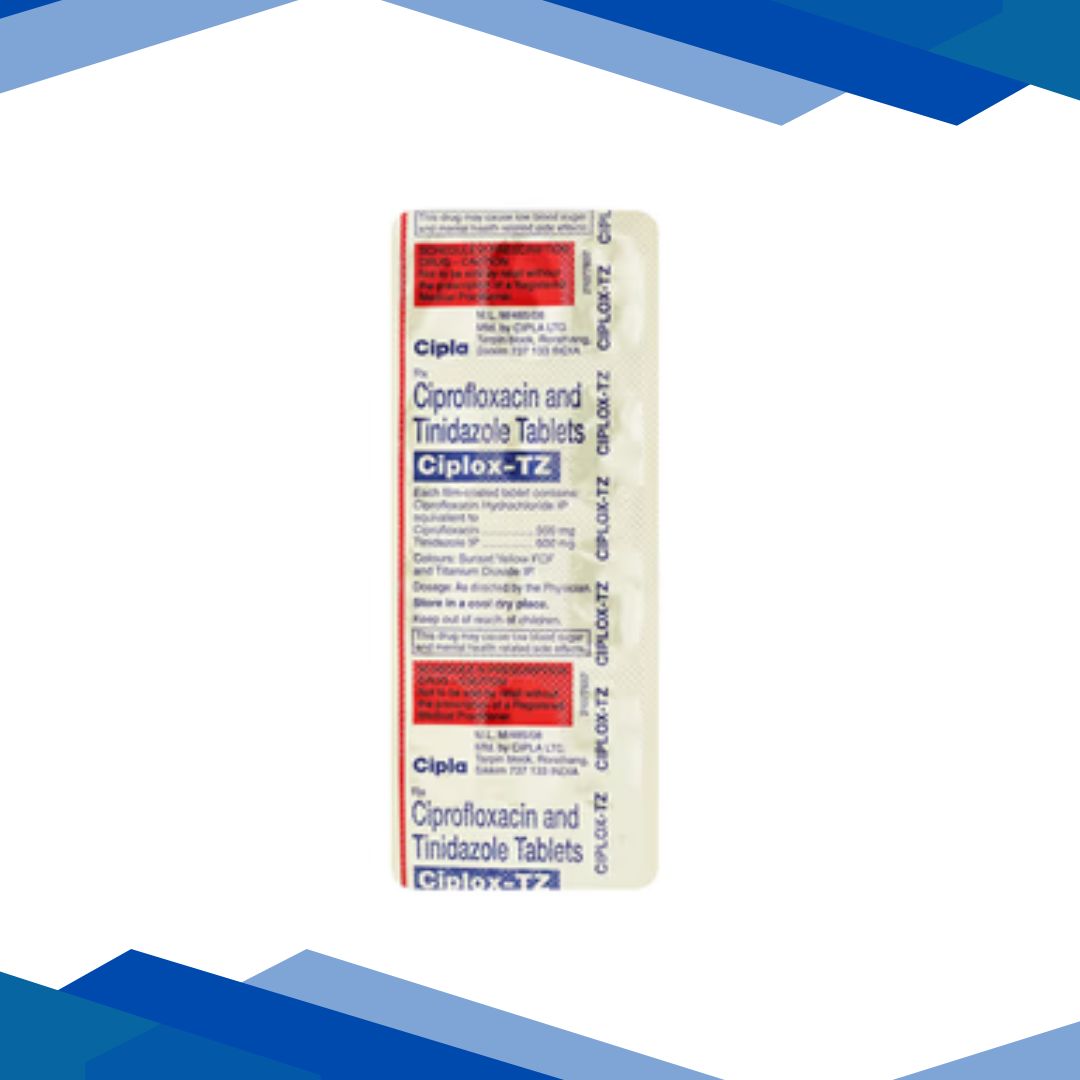
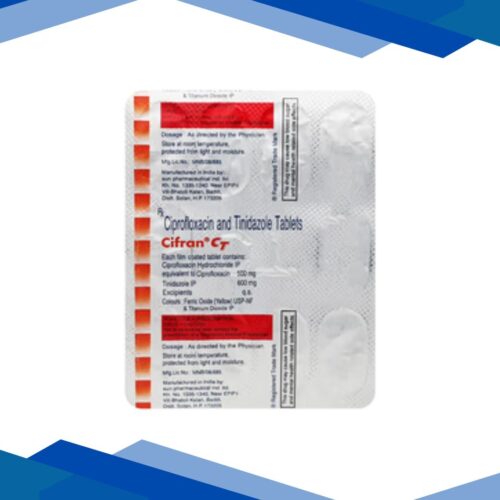
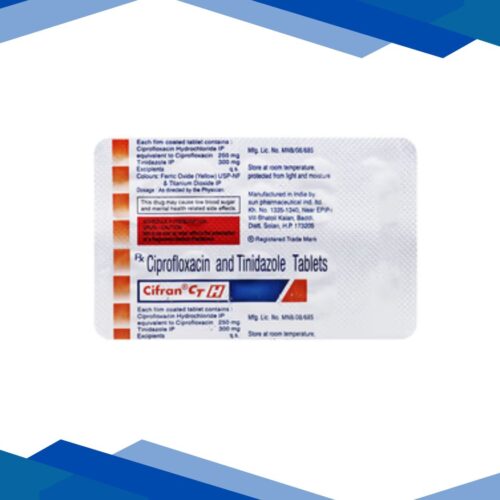
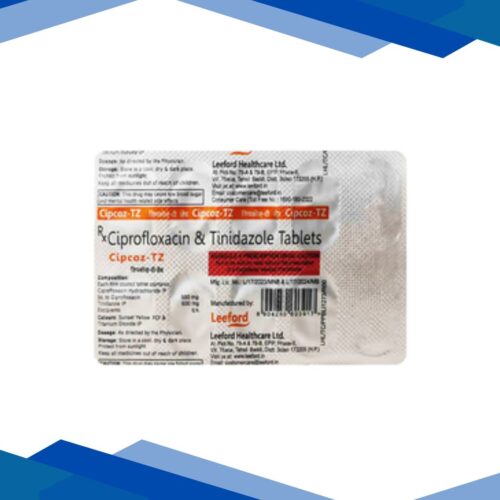
Ciprofloxacin
CIPROFLOXACIN
Overview:
Ciprofloxacin is a broad-spectrum antibiotic belonging to the fluoroquinolone class. It is used to treat a wide range of bacterial infections in the body, including those affecting the urinary tract, respiratory system, skin, gastrointestinal system, and more. It works by stopping the growth of bacteria.
Classification: Fluoroquinolone antibiotic
Uses:Ciprofloxacin is used in the treatment of bacterial infections. It is also used in the treatment of urinary tract infections, tonsils, sinus, nose, throat, female genital organ, skin and soft tissues and lungs (pneumonia).
How It Works:Ciprofloxacin works by stopping the action of a bacterial enzyme called DNA-gyrase. This prevents the bacterial cells from dividing and repairing, thereby killing them.
Dosage:As prescribed by your doctor.
Side effects:
Nausea
Vomiting
Diarrhea
Dizziness
Trouble sleeping
Headache
Precautions:
Ciprofloxacin should be used with care and only when prescribed by a healthcare professional. Individuals with a known allergy to fluoroquinolone antibiotics should avoid this medication. It poses a risk of tendon damage, particularly for older adults or those on steroid medications. People with seizure disorders, neurological issues, or mental health concerns should be cautious, as ciprofloxacin may aggravate these conditions. The drug can also increase sensitivity to sunlight, so it is important to minimize sun exposure and apply sunscreen during treatment. Those with heart conditions should be vigilant, as it can affect heart rhythm. Ciprofloxacin should not be consumed with milk, dairy products, or antacids, as these can interfere with its absorption. Patients with kidney issues may require a lower dosage, and it is generally not recommended during pregnancy or breastfeeding unless absolutely necessary. Completing the full course of treatment and not skipping doses is essential to prevent antibiotic resistance.
Disclaimer:This content is for informational purposes only. Always consult a healthcare provider for medical advice and proper dosa
Tinidazole
Tinidazole
OVERVIEW
Tinidazole kills parasites and anaerobic bacteria that cause infections by damaging their DNA
CLASSIFICATION
Antibiotic medicine
USES
This is an antibiotic . It is used for the treatment of a wide range of infections caused by bacteria. It is effective for infection of the reproductive tract, tooth, urinary tract, lung, stomach, airways and abdominal infections such as acute diarrhoea or dysentery. It is used to prevent post-surgical infections.
HOW IT WORKS
Tinidazole kills parasites and other germs by damaging their structure.
DOSAGE
As directed by the physician
PRECAUTIONS
Alcohol – Not Safe
Drinking alcohol while taking Tinidazole can cause reactions like skin flushing, fast heartbeat, nausea, thirst, chest discomfort, and low blood pressure. It’s best to avoid alcohol during this treatment.
Pregnancy – Talk to Your Doctor
Tinidazole might not be safe during pregnancy. Animal studies show it could harm the unborn baby, though there’s not much data in humans. Your doctor will decide if the benefits are worth the risk.
Breastfeeding – Likely Safe
Tinidazole is likely safe while breastfeeding. Studies in humans show little to no risk to the baby. However, keep an eye on your baby for signs like fever, loss of hunger, or loose stools, and contact your doctor if these occur.
Driving – Be Careful
This medicine might make you sleepy, dizzy, or cause weakness or numbness. These effects can make driving unsafe, so don’t drive if you feel unwell.
Kidney – Use with Care
If you have kidney problems, Tinidazole should be used carefully. Your doctor might need to adjust your dose.
Liver – Likely Safe
People with liver issues can usually take it safely. There’s not much evidence of harm, but check with your doctor just to be sure
SIDE EFFECTS
Tinidazole might have the following side effects:
Headache
Vomiting
Stomach pain
Dry mouth
Dizziness
Disclaimer
This content is for informational purposes only. Always consult a healthcare provider for medical advice and proper dosage.