




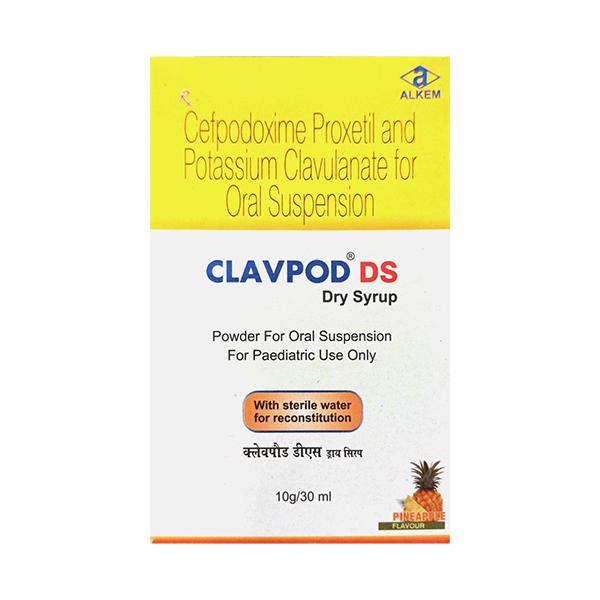
CLAVPOD DS PINEAPPLE FLAVOUR Dry Syrup 30ml
❌ Due to high demand, this product is currently out of stock. New stock will be available shortly.
👉 Click here to Buy Same Salt medicine
No Prescription yet? Don’t worry! Click Here to Get Online Consultation
Almagate + Simethicone is a combination medicine commonly used to relieve acidity, heartburn, gas, and indigestion. Almagate works as an antacid that neutralizes excess stomach acid, while Simethicone helps break down gas bubbles in the stomach and intestines, reducing bloating and discomfort. It provides quick relief from symptoms associated with acid reflux and gastric irritation.
Cefpodoxime
Usages, Benefits, and Side Effects of Cefpodoxime Proxetil
Cefpodoxime is a potent third-generation cephalosporin antibiotic used in the treatment of a large variety of bacterial infections. Against both Gram-negative and Gram-positive bacteria, this medicine carries remarkable efficacy. Cefpodoxime acts to inhibit synthesis of the bacterial cell wall by blocking the enzymes (penicillin-binding proteins) that link the polysaccharide chains, thereby creating essential elements for bacterial cell wall structure. The infection is thus terminated at its own site, preventing spread through the body.
Common "Safe Guideline" Uses for Cefpodoxime
Cefpodoxime is a drug commonly prescribed against the following conditions:
- Respiratory Tract Infections, including acute bronchitis, pneumonia, and sinusitis
- ENT, such as otitis media (an infection of the middle ear) and tonsillitis
- Cefpodoxime contributes to effectively targeting bladder and kidney infections during UTI infecting Ureaplasma urealyticum, etc.
- Among the various criteria to cure infections—remarkable against solving infections caused by Neisseria gonorrhoeae subsp., i.e., unmeddling gonorrhea
Quick Safety Checklist
Advisory Alcohol:
Caution – Cautious Recommendation. Although not absolutely disallowed, taking alcohol during your course of antibiotic medication has been observed to magnify the dizziness or stomach upset. Preferred practice is to stay away from the stuff during medication.
Pregnancy:
This drug is considered safe but for potential risks and the doctor's approval on the topic.
Breastfeeding:
Cefpodoxime does pass through breast milk; its use warrants the physician's advice, again, monitoring infants for diarrhea or thrush.
Kidney Health:
Cefpodoxime requires dose modifications for severe renal impairment.
Ways to Take This Medication
Form: Tablets or Suspensions (syrups) are readily available; take it with food.
Before/With Food: It is highly recommended that you take Cefpodoxime with a meal, so that better absorption into the bloodstream and lesser risk of upset stomach can be derived.
Build Consistency: Take it at the same time everyday throughout the course of treatment to ensure an unwavering medicine degree in your body.
Common Side Effects
Most side effects are mild and will disappear once the treatment is over. Frequently noted instances include:
- Mild diarrhea or loose stools
- Nausea or abdominal pain
- Headache
- Vaginal fungal infection (Yeast infection)
Important: Stop taking the medicine if you develop any serious skin rash, face swelling, or bloody stools, and seek medical attention promptly.
Frequently Asked Questions (FAQs)
1. Is Cefpodoxime a strong antibiotic?
Cefpodoxime is considered a "broad-spectrum" antibiotic, which means it covers a wide array of bacteria. It is usually prescribed when the first-line antibiotics, such as penicillin, have failed to show enough effectiveness.
2. Can I stop taking Cefpodoxime after I get better?
No. You must complete the full course as prescribed by your doctor. If you stop early, any remaining bacteria will multiply, developing antibiotic resistance, which makes future infections harder to treat.
3. Does Cefpodoxime cause drowsiness?
Usually not, but there have been reports from some patients about mild dizziness. Don't attempt to drive or operate heavy machinery if you feel the slightest dizziness until the sensation is over.
4. What if I miss a dose?
If a dose of the medication is skipped, take it as soon as you remember about it. But do not try to double the dose for the one you forgot when you are almost ready for the next dose.
5. Can I take antacids with Cefpodoxime?
Antacids, which contain aluminum or magnesium, decrease Cefpodoxime's absorption; the antibiotic must be taken at least 2 hours before or after ingestion of the antacid.
Clavulanic Acid
Clavulanic Acid (Potassium Clavulanate)
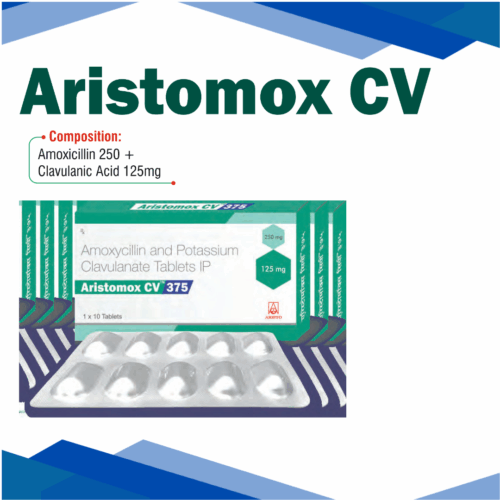
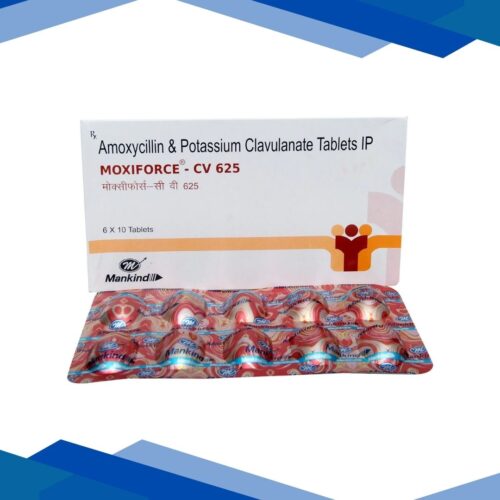
Clavulanic Acid is a potent beta-lactamase inhibitor. It has negligible antibacterial activity when used alone. Its principal action is the "shielding" of penicillin-group antibiotics from bacterial enzymes, preventing their destruction. By inhibiting bacterial enzymes (beta-lactamases), Clavulanic Acid allows antibiotics like Amoxicillin to effectively kill otherwise resistant bacteria.
Therapeutic Uses
Under certain conditions, Clavulanic Acid can be an important adjunct to antibiotics in the treatment of a variety of bacterial infections:
Respiratory Tract Infections: The treatment of serious chronic pneumonia, bronchitis, and sinusitis is supported.
Urinary Tract Infections (UTI): In the treatment of major bladder and kidney infection (pyelonephritis).
Skin and Soft Tissue Infections: It is used in cases of cellulitis, animal bites, and severe dental abscesses.
Ear and throat infections: Omnipotent in little children in case of prolonged Otitis Media (middle ear infection).
Bone and Joint Infections: Added up for severe cases of osteomyelitis due to resistance.
Clavulanic Acid-Bioavailability (Mechanism of Action)
A wide spectrum of bacteria produces an enzyme called beta-lactamase, which "breaks" the chemical ring of antibiotics like Amoxicillin, hence rendering them "inert." Clavulanic Acid commits as a suicide inhibitor that attaches on to those bacterial enzymes permanently, further "distracting" them in order for the antibiotic to reach and destroy the bacterial cell wall.
How is the medicine given?
The medication comes in the following combined therapeutic combinations: 4:1 ratio or 7:1 ratio with amoxicillin (e.g., 500mg Amoxicillin, 125mg Clavulanic Acid).
Frequency: It is best to take it with the meal. This helps with absorption and decreases the chance of gastrointestinal upset.
Compliance: Take the complete course of medication, as prescribed by your doctor, even if you feel better early from symptoms, in order to prevent antibiotics resistance.
Side Effects and Safety
The combination with Clavulanic Acid has good tolerance, and the side effects may include:
GI problems such as the commonly related diarrhea, nausea, or abdominal pain.
Fungus Infections: Long-term use may lead to oral thrush and vaginal yeast infections.
Allergic Reactions: Rash and itches. If this happens, get emergency help immediately when swelling of the face, or difficulty in breathing.
Chemical Hepatitis: Chronic liver damage is a rare hepatic side effect with prolonged use and elderly patients.
Precautions and Warnings:
Allergy to Penicillin: Tell your doctor if you are allergic or had a severe allergic reaction to penicillin or to cephalosporins.
Liver/Kidney Affections: Dose adjustments are likely warranted in patients with severe renal or hepatic impairment.
Contraceptives: Some antibiotics temporarily reduce the effectiveness of birth control pills by mouth. Therefore, your healthcare provider may discuss alternative birth control methods while on treatment.
FAQs
Q: Will Clavulanic Acid cure a cold or flu?
No. Clavulanic Acid and its antibiotic partners were only made to treat bacterial infections. It has no effect against viruses like a cold, flu, or COVID-19.
Q: What happens if a person is advised to take Clavulanic Acid with Amoxicillin but not with Amoxicillin alone?
Today, many different bacteria have taught themselves how to make enzymes that eat Amoxicillin. The Clavulanic Acid put pay to the action of those enzymes. Therefore, it is necessary to take the two drugs combined. This is most often called Co-Amoxiclav.
Q: In case of diarrhea...
Loose bowel movements will be common. However, if the stools are watery or bloody and are accompanied by severe abdominal cramps, stop taking the medication and consult your doctor immediately, as it may indicate more serious intestinal inflammation (Colitis).
Q: Is it safe to take during pregnancy?
Amoxicillin-Clavulanate is included in the Category B drugs for pregnancy and is generally considered safe. Its use is warranted only in cases of medical necessity, as decided by a healthcare provider.
Q: Will Clavulanic Acid stain my teeth?
There have been very few reports of the superficial tooth discoloration of Clavulanate with a marked frequency in children. This is known to be removed either by simple brushing or through preventive professional dental cleaning.
At Gem Pharmacy, we make every effort to provide accurate, expert-written, and thoroughly reviewed information related to medicines. However, this information should not be considered a substitute for professional medical advice, diagnosis, or treatment from a qualified doctor.
The purpose of this information is to educate users and improve communication between patients and healthcare professionals. It should not be used to diagnose or treat any condition.
Always consult a certified healthcare professional before taking any medication.


Related products
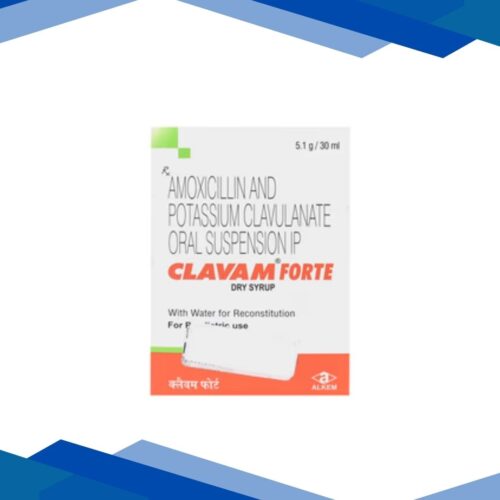
Clavam Forte Dry Syrup 30ml